Introduction
In electronic projects, effective thermal management is essential to maintain performance and prevent failures due to overheating. Power densities in modern devices continue to rise, placing greater demands on heat dissipation solutions. Thermal pads serve as reliable thermal interface materials that fill microscopic gaps between heat-generating components and cooling structures like heatsinks or chassis. Selecting the appropriate thermal pad material conductivity ensures optimal heat transfer while considering factors such as mechanical compliance and electrical isolation. This guide provides electric engineers with a structured overview of thermal pad properties, material comparisons, and selection criteria to support reliable designs. By understanding these elements, engineers can enhance system longevity and efficiency in applications from power supplies to high-performance computing.
What Are Thermal Pads and Why Do They Matter?
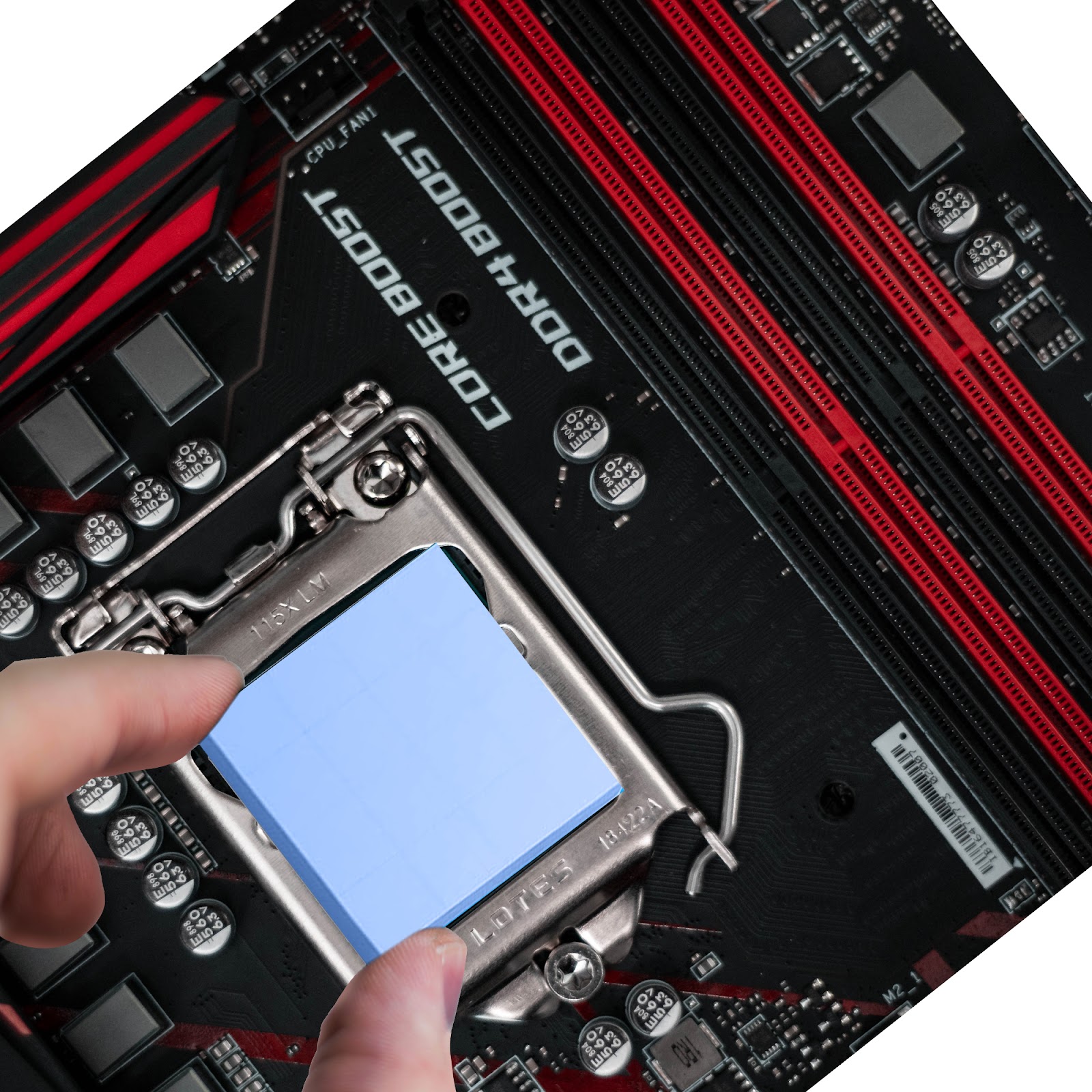
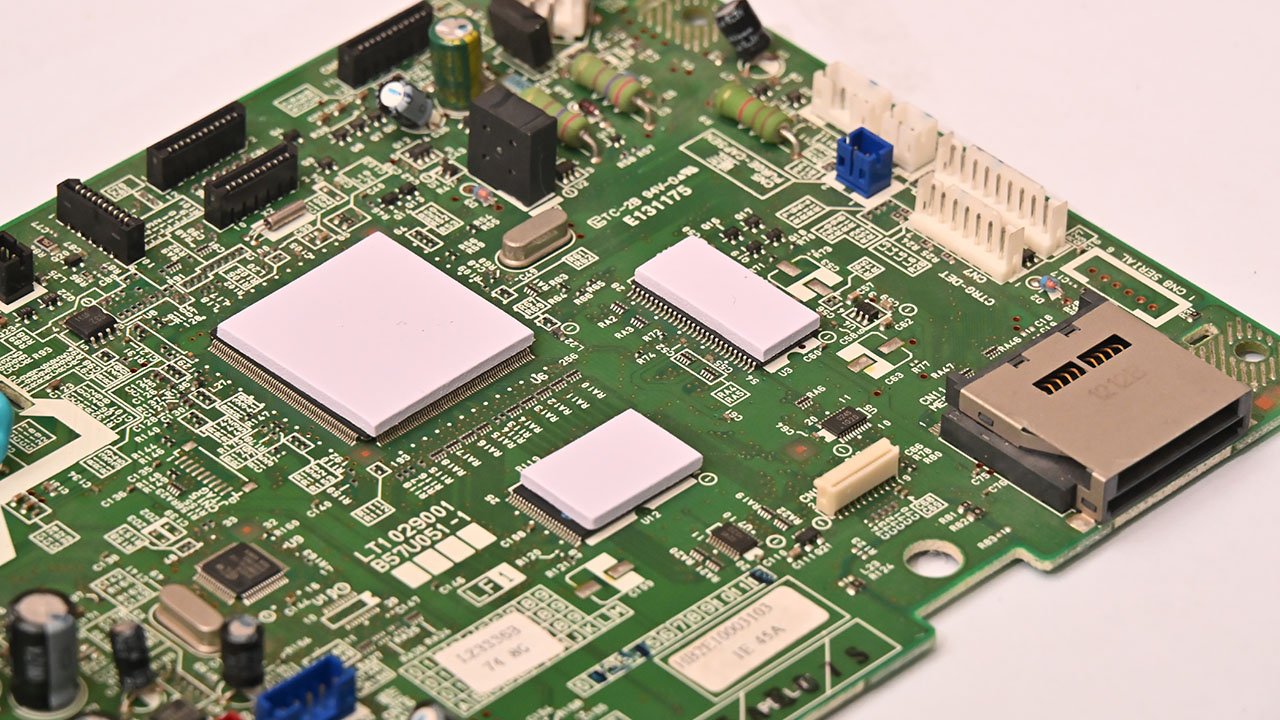
Thermal pads are compressible sheets composed of a polymer matrix filled with thermally conductive particles such as ceramics or metal oxides. These materials conform to surface irregularities, creating a continuous thermal pathway without the mess or pump-out issues associated with liquid greases. In electronic assemblies, they bridge gaps typically ranging from 0.5 to 5 mm, minimizing air voids that impede heat flow. Their relevance stems from the need to manage junction temperatures within safe limits, as excessive heat can degrade components and reduce mean time between failures. Compliance with standards like JEDEC thermal testing guidelines underscores their role in validating design margins. For electric engineers, thermal pads offer a balance of ease of assembly and predictable performance in volume production.
The importance of thermal pads amplifies in high-reliability sectors where thermal runaway poses risks. They provide electrical insulation alongside heat conduction, protecting against shorts in dense layouts. Unlike rigid materials, their softness allows for tolerances in mating surfaces common in PCB assemblies. Engineers must evaluate them against project constraints to avoid underperformance. Proper selection directly impacts overall system thermal resistance.
Related Reading: Beginner's Guide to Thermal Pads: Simple Steps for Effective Heat Dissipation
Key Technical Properties of Thermal Pads
Understanding Thermal Pad Material Conductivity
Thermal pad material conductivity, measured in watts per meter-kelvin (W/mK), quantifies the material's ability to conduct heat through its thickness. This property is tested using standardized methods that account for interface resistance and compression. Higher values enable better dissipation but often correlate with increased stiffness or cost. Filler particles like alumina or boron nitride enhance conductivity by creating percolation networks within the matrix. Engineers should prioritize through-plane conductivity for most applications, as pads primarily transfer heat perpendicular to their surface. Balancing this with thickness selection minimizes total thermal impedance.
Variations in thermal pad material conductivity arise from formulation differences, with ranges typically spanning low to moderate levels suitable for electronics. Anisotropic materials may exhibit direction-dependent performance, influencing design orientation. Testing under operating compression reveals true effectiveness, as initial specs can mislead without context. For precise characterization, consult measurements aligned with established protocols.
Related Reading: Optimizing Thermal Pad Design for High Power PCB Components: A Comprehensive Guide
Thermal Pad Durometer: Hardness and Conformability
Thermal pad durometer, expressed on the Shore OO or A scale, measures material hardness and directly affects interface quality. Softer pads, with lower durometer values, deform more readily to fill gaps, reducing contact resistance. However, excessive softness can lead to over-compression and thinning under sustained loads. Stiffer pads maintain thickness stability but require flatter surfaces for efficacy. Engineers select based on assembly pressure and surface roughness to optimize contact area. This property influences long-term reliability, as creep under vibration alters performance over time.
Durometer selection involves trade-offs with other attributes, such as thermal pad material conductivity. High-conductivity formulations tend toward higher durometer, demanding careful stack-up analysis. Field data from accelerated life tests validates choices in dynamic environments. Proper matching prevents hotspots and ensures uniform heat spreading.
Thermal Pad Breakdown Voltage: Electrical Safety
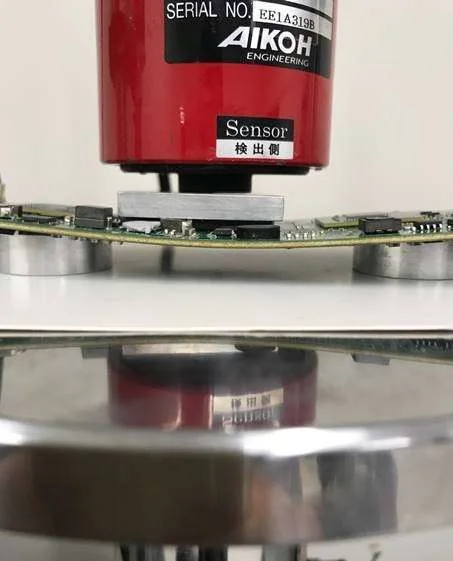
Thermal pad breakdown voltage, or dielectric strength in kilovolts per millimeter (kV/mm), indicates the electric field tolerance before insulation failure. This is critical in applications where pads separate live potentials from grounded heatsinks. Materials with high breakdown voltage provide robust isolation, complying with safety margins in power electronics. Polymer matrices reinforced with fillers maintain this property across temperature swings. Engineers verify it through ramped voltage tests to simulate worst-case scenarios. Low values risk arcing, compromising system integrity.
Breakdown voltage interplays with thickness and humidity exposure, as moisture reduces effectiveness. Non-porous formulations excel in harsh conditions. Integration into designs requires holistic review of creepage and clearance distances.
Silicone vs Non-Silicone Thermal Pads: A Detailed Comparison
Silicone vs non-silicone thermal pads differ fundamentally in base polymer, impacting application suitability. Silicone pads offer superior flexibility and temperature stability, operating reliably from minus 50 degrees Celsius to over 200 degrees Celsius. They provide consistent thermal pad material conductivity due to stable filler dispersion. However, potential outgassing of low-molecular-weight siloxanes can contaminate sensitive optics or semiconductors over time. This makes them ideal for general-purpose cooling where cleanliness is secondary.
Non-silicone pads, often acrylic or polyurethane-based, eliminate outgassing risks, suiting cleanroom or optical assemblies. They exhibit good adhesion and resistance to oils, though sometimes at lower thermal pad material conductivity or compressibility. In pressure tests, non-silicone variants can outperform silicones by maintaining lower thermal resistance under load. Selection hinges on contamination tolerance versus performance needs. Engineers weigh these for lifecycle costs in assembly processes.
Graphite Thermal Pad Properties and Unique Advantages
Graphite thermal pad properties feature pronounced anisotropy, with exceptional in-plane conductivity exceeding hundreds of W/mK alongside moderate through-plane values around 10 to 25 W/mK. This stems from layered graphene structures that facilitate lateral spreading while compressing vertically. Low durometer enables high conformability, filling irregular gaps effectively. They resist oxidation better than some organics, extending use in elevated temperatures. Breakdown voltage remains adequate for most isolations, though orientation matters. Electric engineers leverage graphite pads for planar heat spreading in multi-chip modules.
Despite strengths, graphite pads demand careful handling to preserve alignment during installation. Their electrical conductivity in-plane requires barriers in certain layouts. Compared to isotropic pads, they excel in thin profiles. Testing per ASTM protocols confirms suitability. Integration enhances efficiency in compact, high-power designs.
Best Practices for Selecting and Implementing Thermal Pads
Begin selection by quantifying thermal budget using finite element analysis or JEDEC-standard junction-to-case metrics. Match thermal pad material conductivity to power dissipation and allowable rise. Account for compression set by specifying 20 to 50 percent deflection for optimal interface. Verify durometer against fixture forces to avoid pump-out analogs like thinning. Prototype stacks with infrared thermography to visualize hotspots.
Assembly guidelines include clean surfaces and uniform pressure application. Avoid shearing during placement to preserve integrity. Long-term validation involves thermal cycling per IPC workmanship standards. Document material datasheets for traceability. These steps ensure field performance aligns with simulations.
For troubleshooting, monitor for discoloration indicating degradation. Replace pads during maintenance if compression exceeds limits. Collaborate across teams for holistic thermal paths.
Conclusion
Choosing the right thermal pad material hinges on balancing thermal pad material conductivity, thermal pad durometer, thermal pad breakdown voltage, and application-specific needs like silicone vs non-silicone thermal pads or graphite thermal pad properties. Engineers achieve robust designs by prioritizing conformability, insulation, and contamination resistance. Adhering to standardized testing and assembly practices mitigates risks in demanding electronics. This guide equips you to make informed decisions, enhancing project reliability and efficiency. Future advancements in fillers promise even broader options.
FAQs
Q1: What factors most influence thermal pad material conductivity?
A1: Thermal pad material conductivity depends on filler type, loading percentage, and matrix compatibility. Ceramic fillers like alumina boost values, while polymer choice affects dispersion. Compression during use alters effective conductivity by improving contact. Testing per ASTM D5470 provides accurate through-plane metrics for design validation. Engineers target values matching power levels for margin.
Q2: How do silicone vs non-silicone thermal pads compare in real applications?
A2: Silicone vs non-silicone thermal pads trade flexibility for contamination resistance. Silicones excel in wide temperature ranges with reliable conductivity, ideal for consumer electronics. Non-silicones prevent outgassing in optics, though potentially stiffer. Performance varies by pressure; non-silicones may yield lower resistance in tests. Select based on cleanliness and mechanical needs.
Q3: Why is thermal pad durometer critical for electronic projects?
A3: Thermal pad durometer determines gap-filling ability, directly impacting thermal resistance. Lower values enhance conformability on rough surfaces, reducing voids. Higher durometer suits stable stacks but risks poor contact. Balance with conductivity for optimal performance. Measure via standardized Shore scales during qualification.
Q4: What role does thermal pad breakdown voltage play in high-voltage designs?
A4: Thermal pad breakdown voltage ensures electrical isolation between components and heatsinks. High values prevent arcing under voltage stress, vital for power supplies. It withstands environmental factors like humidity. Verify against operating potentials for safety compliance.
References
ASTM D5470 — Standard Test Method for Thermal Transmission Properties of Thermally Conductive Electrical Insulation Materials. ASTM, 2019
JEDEC JESD51-2A — Integrated Circuits Thermal Test Method Environmental Conditions. JEDEC, 2012
IEC 60243-1 — Electric Strength of Insulating Materials. IEC, 2013