Introduction
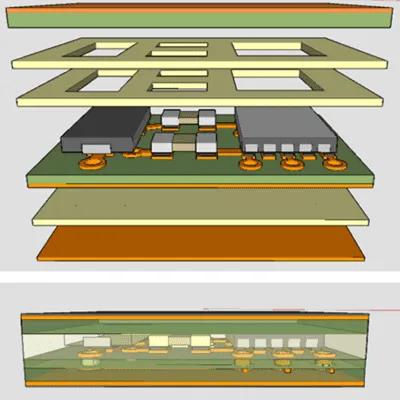
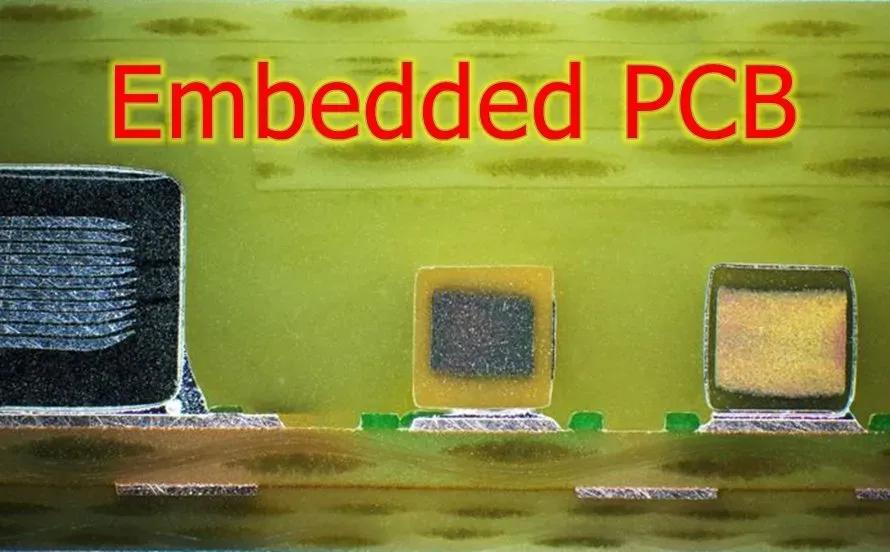
Diving into DIY electronics opens up endless possibilities for creating custom gadgets and prototypes right at home. At the heart of any successful PCB project lies the careful selection of embedded components, which ensure reliability and performance. These include passive components like resistors and capacitors that stabilize circuits, and active components such as transistors and integrated circuits that drive functionality. For electronic hobbyists, picking the right PCB components means balancing cost, availability, and specifications to match your project's needs. Poor choices can lead to failures like overheating or signal distortion, while smart selections yield robust results. This guide provides practical advice to help you navigate options and avoid common pitfalls in your DIY endeavors.
Understanding Passive and Active Components in DIY Electronics
Passive components form the backbone of any PCB by managing energy without amplification or switching. Resistors limit current flow, capacitors store charge for filtering, and inductors handle magnetic fields in power circuits. These are essential in embedded components setups where stability matters most. Active components, on the other hand, require power to function and control signals actively. Examples include diodes for rectification, transistors for amplification, and microcontrollers for processing logic in DIY projects. Distinguishing between passive components and active components helps hobbyists design efficient boards tailored to embedded applications.
In DIY electronics, surface-mount device packages like 0805 or 0603 dominate for compact PCBs, while through-hole options suit prototyping. Each type influences board space and soldering ease. Understanding these categories prevents mismatches that cause assembly headaches. Hobbyists often start with passive components for simple filters before integrating active ones for smart features.
Why Choosing the Right PCB Components Matters for Your Project
Selecting appropriate embedded components directly impacts your PCB's longevity and efficiency. Incorrect voltage ratings on capacitors can lead to explosions during testing, while mismatched resistor tolerances skew sensor readings. In embedded systems, where space is tight, oversized components complicate routing and heat dissipation. Proper choices align with your project's power budget and environmental conditions, reducing rework time. For DIY electronics enthusiasts, this means fewer frustrating debug sessions and more time enjoying functional prototypes. Ultimately, thoughtful selection elevates hobby projects to professional-grade reliability.
Component quality also affects signal integrity in high-speed embedded designs. Active components like op-amps demand precise matching to avoid noise, and passive components must tolerate operating temperatures. Ignoring these factors results in intermittent failures that are hard to trace. By prioritizing specs early, you build confidence in your PCB components lineup.
Key Selection Criteria for Passive Components
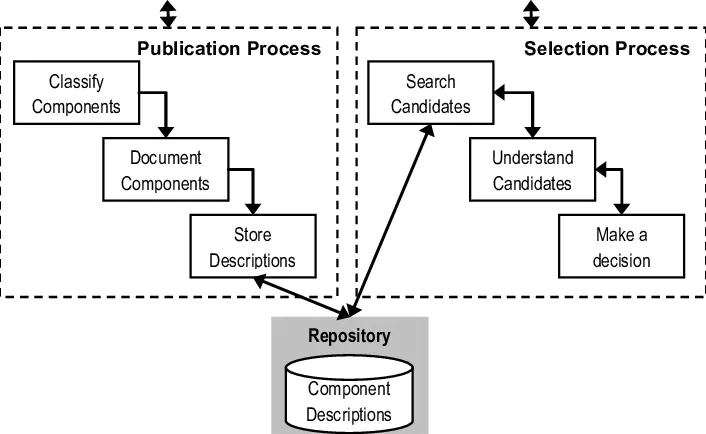
When choosing passive components, start with tolerance levels that fit your application's precision needs. A 1% resistor suits analog circuits, while 5% works for digital power rails in DIY electronics. Capacitors require attention to dielectric types, like ceramic for high-frequency decoupling or electrolytic for bulk storage. Voltage ratings should exceed your circuit's maximum by at least 50% to prevent breakdowns. Package size influences thermal performance, with smaller SMDs like 0402 needing careful handling but saving space on dense PCBs.
Inductors demand consideration of saturation current and self-resonant frequency for switching regulators common in embedded components. Environmental ratings, such as operating temperature from -40°C to 125°C, ensure reliability in varied conditions. Cross-reference datasheets for ESR values in capacitors to minimize losses. Testing prototypes with oscilloscopes reveals if selections cause ringing or instability. These steps make passive components reliable foundations for your PCB project.
Adhering to IPC-7351 guidelines for land patterns optimizes solder joints and reduces defects during assembly. This standard helps match component footprints precisely, avoiding bridging in hobbyist reflow ovens.
Selecting Active Components for Embedded DIY Projects
Active components bring intelligence to your PCB, so prioritize those with low power consumption for battery-operated gadgets. Microcontrollers like those in the AVR family offer ample GPIO pins and peripherals for sensors in DIY electronics. Transistors, such as MOSFETs, need low RDS(on) for efficient switching in motor controls. Diodes must handle forward voltage drops minimally to preserve battery life. Integrated circuits for communication, like UART modules, simplify wireless features without complex coding.
Package types matter greatly; QFN or BGA save space but challenge hand-soldering skills. Check pin counts and pitch to fit your routing capabilities. Supply voltage compatibility prevents latch-up issues during power-up. For embedded components, select parts with built-in protection like ESD diodes. Prototype with breadboards first to validate logic before committing to PCB components.
Best Practices for Handling and Storing PCB Components
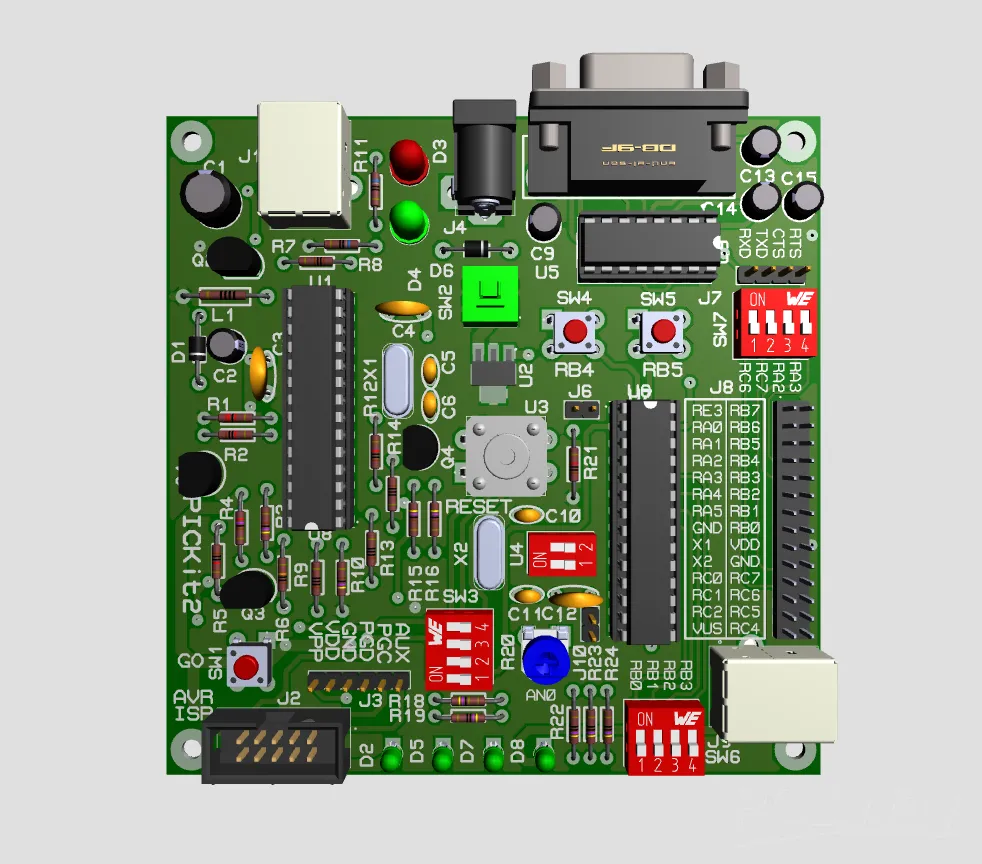
Proper handling prevents damage to sensitive embedded components right from the start. Use anti-static mats and wrist straps to protect active components from ESD, which can silently degrade performance. Store parts in original packaging or ESD bags, especially those with moisture sensitivity levels above 2. Bake components per manufacturer instructions before soldering if exposed to humidity. Organize inventory by value and package for quick access during assembly.
For reflow soldering in DIY setups, follow IPC/JEDEC J-STD-020 classification to avoid popcorn effects from trapped moisture. Preheat gently and monitor profiles with thermocouples. Through-hole soldering requires clean flux and 60/40 solder for strong joints. Clean residues promptly with isopropyl alcohol to prevent corrosion. These habits extend component life and yield cleaner boards.
Assembly Tips and Troubleshooting for DIY PCB Projects
Align footprints using IPC-A-610 class 2 criteria for acceptable solder fillets in hobbyist assemblies. This ensures mechanical strength without excessive solder. Hot air rework stations help fix bridges on dense SMD boards. Verify continuity with multimeters post-assembly before powering up. Thermal imaging cameras spot hot spots from poor passive component choices early.
Common issues include capacitor shorts from tombstoning, fixed by optimizing reflow ramps. Active components failing to boot often trace to decoupling cap placement too far from VCC pins. Inductor whining signals core saturation; swap for higher-rated ones. Signal crosstalk? Add ground planes and shield traces. Systematic testing resolves most DIY electronics gremlins.
Conclusion
Mastering the selection of embedded components transforms DIY PCB projects from trial-and-error to efficient builds. Passive components provide stability, while active ones enable innovation in compact designs. Focus on specs like tolerance, voltage, and handling to match your needs. Follow best practices for storage, assembly, and testing to minimize failures. With these strategies, electronic hobbyists can create reliable gadgets that perform consistently. Start small, iterate, and watch your skills grow with each successful board.
FAQs
Q1: What are the main differences between passive components and active components in DIY electronics?
A1: Passive components, such as resistors, capacitors, and inductors, do not require external power to operate and manage energy passively. Active components like transistors, diodes, and microcontrollers need power and can amplify or switch signals. In PCB components selection, passives stabilize circuits, while actives drive logic and control. Understanding this distinction helps hobbyists balance designs for embedded projects effectively, avoiding overloads or inefficiencies.
Q2: How do I choose the right embedded components for a PCB project?
A2: Evaluate your project's voltage, current, size constraints, and temperature range first. Match passive components tolerances to precision needs and active ones to power efficiency. Consult datasheets for package details and use standard land patterns for assembly. Test in prototypes to confirm performance in DIY electronics setups. Prioritizing these factors ensures reliable PCB components integration without costly revisions.
Q3: What role do industry standards play in selecting PCB components for hobbyists?
A3: Standards like IPC-A-610 guide assembly quality, ensuring solder joints meet class 2 reliability for non-critical DIY use. J-STD-020 classifies moisture sensitivity to prevent reflow damage. IPC-7351 standardizes footprints for consistent soldering. Hobbyists benefit by reducing defects and improving yields in embedded components projects. Adopting them elevates home builds to professional standards safely.
Q4: What are common mistakes when picking components for DIY PCB projects?
A4: Overlooking voltage ratings leads to failures in capacitors under stress. Ignoring package sizes causes routing nightmares on tight boards. Neglecting ESD handling zaps active components prematurely. Poor tolerance choices distort signals in sensors. Always verify specs against circuit simulations and store properly to sidestep these pitfalls in your embedded components selections.
References
IPC-A-610H — Acceptability of Electronic Assemblies. IPC, 2020
IPC/JEDEC J-STD-020E — Moisture/Reflow Sensitivity Classification for Nonhermetic Surface Mount Devices. IPC/JEDEC, 2014
IPC-7351C — Generic Requirements for Surface Mount Design and Land Pattern Standard. IPC, 2012
IPC/J-STD-001H — Requirements for Soldered Electrical and Electronic Assemblies. IPC, 2020