Introduction
Industrial automation systems rely on printed circuit boards (PCBs) that operate continuously in demanding environments, from factory floors with constant vibration to outdoor enclosures exposed to extreme weather. Selecting the wrong components can lead to premature failures, unplanned downtime, and costly repairs that disrupt production lines. Engineers must prioritize industrial grade electronic components designed to withstand these stresses while ensuring long-term availability. This article uncovers practical strategies for choosing high-reliability components, focusing on extended temperature range components, component lifecycle management, and obsolete component replacement. By applying these secrets, teams can build PCBs that deliver consistent performance over extended service lives. Troubleshooting early selection pitfalls saves time and resources downstream in assembly and testing.
Why Component Selection Matters in Industrial Automation PCBs
Component selection forms the foundation of PCB reliability in industrial automation, where systems must function without failure for years under high loads and environmental stresses. Consumer-grade parts often fail quickly due to inadequate margins for vibration, humidity, or power surges common in these applications. High-reliability components, conversely, incorporate robust materials and construction to meet operational demands. Poor choices amplify risks during PCB assembly, leading to issues like solder joint cracks or delamination under thermal cycling. Effective selection aligns with system requirements, reducing warranty claims and extending mean time between failures (MTBF). Procurement teams benefit from understanding these dynamics to avoid reactive fixes later.
Industrial automation PCBs power programmable logic controllers, motor drives, and sensors that control heavy machinery. A single component failure can halt entire processes, incurring losses far beyond part costs. Standards like IPC Class 3 define performance levels for such high-reliability assemblies, emphasizing rigorous qualification. Engineers evaluate parts against application profiles, including duty cycles and fault tolerance needs. This upfront diligence prevents cascading problems in field deployments.
Key Criteria for Selecting Industrial Grade Electronic Components
Extended Temperature Range Components
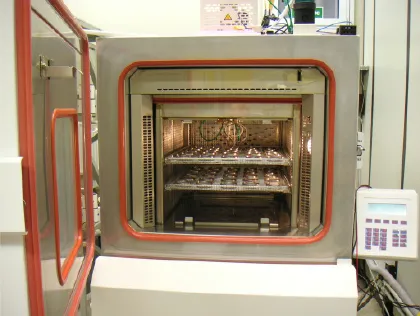
Extended temperature range components endure wide thermal swings without degrading performance, a critical factor for industrial PCBs exposed to heaters, coolants, or solar loading. These parts maintain electrical stability across broader ranges compared to standard commercial options, preventing parametric drift or outright failures. Engineers specify them based on worst-case operating profiles, incorporating safety margins for self-heating effects. Qualification involves accelerated life testing to simulate years of exposure in hours. Troubleshooting tip: Review datasheets for guaranteed limits under load, not just ambient ratings.
JEDEC standards guide temperature cycling tests for these components, ensuring solderability and package integrity post-stress. Vibration often couples with temperature in automation settings, so select parts with proven joint reliability. Practical validation includes monitoring junction temperatures during prototypes. Avoid assuming room-temperature specs suffice; real-world excursions demand extended range verification.
High-Reliability Features for Mechanical and Electrical Stresses
High-reliability components feature reinforced leads, thicker encapsulants, and higher derating factors to resist shock, vibration, and overvoltages in automation gear. Derating voltage to 50-70% of ratings and current to 50% prevents hotspots and electromigration over time. Mechanical robustness shows in shear strength tests and board-level reliability data. Electrical specs must include surge immunity and electromagnetic compatibility margins. Troubleshooting common failures like cracked capacitors starts with matching these traits to machine dynamics.
Component packaging affects cleanability and inspection in dusty environments. Surface-mount devices with low profiles reduce snag risks during handling. Gold-plated contacts enhance corrosion resistance in humid factories. Always cross-check against assembly processes to avoid mismatches.
Moisture Sensitivity and Handling
Moisture-sensitive components require careful storage and processing to prevent popcorning during reflow soldering. JEDEC J-STD-020E classifies levels from 1 to 6, dictating bake-out times before assembly. Industrial grade parts often rate lower sensitivity due to hermetic seals or vapor barriers. Neglect here leads to voids and delamination, mimicking field failures prematurely. Practical fix: Implement dry cabinet storage and floor life tracking in workflows.
Component Lifecycle Management Strategies
Component lifecycle management tracks parts from active production through end-of-life to sustain long-run industrial systems. Proactive monitoring via supplier portals flags upcoming obsolescence months ahead. Diversify with multiple qualified sources to buffer shortages from market shifts. Documentation of lifecycle stages informs redesign timing and risk assessments. This approach minimizes disruptions in multi-year deployments.
Engineers integrate lifecycle data into design reviews, favoring parts with 10+ years of support. Quarterly audits update bills of materials (BOMs). Collaboration with procurement flags high-risk categories like analog ICs prone to early phase-out. Troubleshooting lifecycle gaps involves forecasting tools tied to enterprise systems.
Best Practices for Obsolete Component Replacement
Obsolete component replacement demands form-fit-function (FFF) equivalents to avoid full redesigns. Start with pin-compatible drop-ins validated for performance parity. Parametric searches yield candidates, followed by bench testing under load. Accelerated aging confirms long-term equivalence. Supply chain partners aid in sourcing last-time buys or authorized substitutes.
When FFF fails, redesign around modern alternatives with upscreening for industrial specs. Update schematics and layouts while preserving PCB footprint. IPC J-STD-001 guidelines ensure soldering reliability matches originals. Field trials validate replacements in actual automation loops. Document changes for traceability.
Troubleshooting Selection Pitfalls in Practice
Common pitfalls include overlooking vibration resonance frequencies that fatigue leads, addressed by selecting stiffened packages. Thermal runaway from underrated passives surfaces in prototypes; derate aggressively. MSL mismatches cause reflow defects, fixed by pre-bake protocols. Lifecycle blind spots lead to NRE spikes; audit BOMs routinely. High-voltage arcing in dusty air demands creepage specs beyond minimums.
Assembly feedback loops refine choices: X-ray voids signal poor wetting, prompting lead-free tin alternatives. Functional testers reveal marginal timing drifts from temp-sensitive clocks. Iterate with failure mode analysis to hone future selections.
Conclusion
Mastering component selection for industrial automation PCBs hinges on balancing extended temperature range components, high-reliability features, and robust lifecycle management. Practical choices grounded in standards like JEDEC J-STD-020E and IPC J-STD-001 mitigate risks from harsh operations. Obsolete component replacement strategies preserve system longevity without excessive redesign. Engineers who troubleshoot proactively build resilient designs that outperform expectations. Apply these secrets to elevate PCB performance and reliability in demanding applications.
FAQs
Q1: What are industrial grade electronic components, and why choose them over commercial ones?
A1: Industrial grade electronic components offer superior durability for vibration, humidity, and thermal stress in automation PCBs. They provide higher MTBF through reinforced construction and wider operating margins. Commercial parts suffice for benign environments but fail prematurely under industrial loads. Select them to minimize downtime and maintenance costs. Troubleshooting starts with matching grades to environmental profiles.
Q2: How does component lifecycle management benefit industrial PCB projects?
A2: Component lifecycle management anticipates obsolescence to avoid production halts in long-life automation systems. Track statuses actively, secure second sources, and plan redesigns early. This reduces lead times and NRE expenses. Integrate into design workflows for seamless transitions. Practical gains include sustained supply chains and lower total ownership costs.
Q3: What steps ensure effective obsolete component replacement?
A3: Identify FFF replacements via parametric tools and validate through testing. Bench prototypes under stress, then field trials. Update BOMs and qualify suppliers. Redesign if needed, adhering to assembly standards. This maintains performance while adapting to market changes. Monitor for long-term reliability post-swap.
Q4: Why prioritize extended temperature range components in industrial automation?
A4: Extended temperature range components prevent failures from thermal excursions in enclosures or machinery. They stabilize parameters across swings, enhancing system uptime. Qualify per JEDEC cycling tests for confidence. Combine with derating for margins. Troubleshooting thermal issues traces back to inadequate range specs.
References
JEDEC J-STD-020E — Moisture/Reflow Sensitivity Classification. JEDEC, 2014
IPC J-STD-001H — Requirements for Soldered Electrical and Electronic Assemblies. IPC, 2020
IPC-A-600K — Acceptability of Printed Boards. IPC, 2020