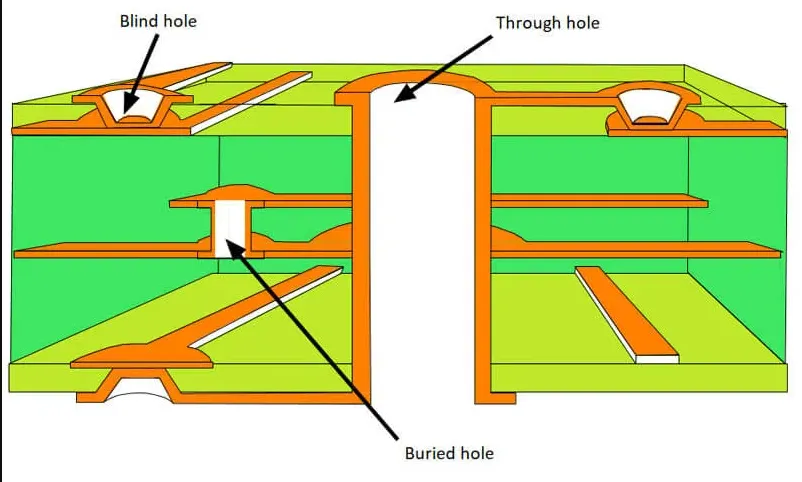
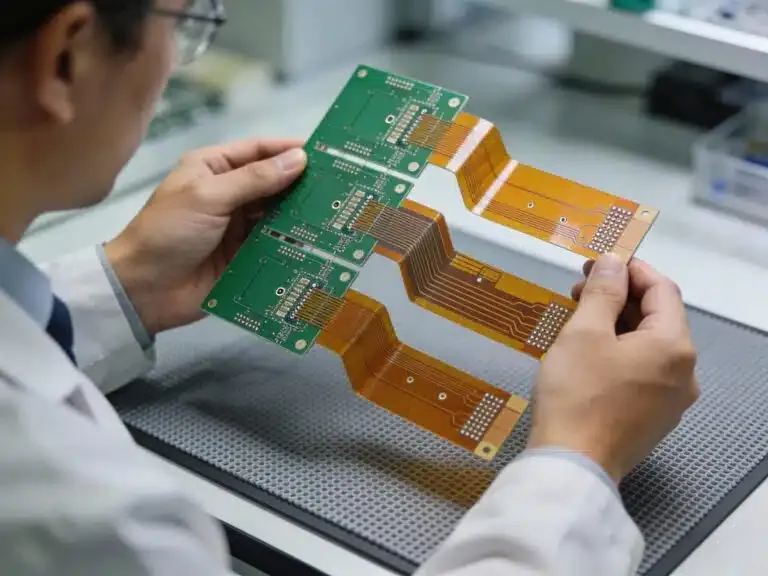
Why Is Precise Drill Bit Selection Critical for PCB Fabrication?
For electrical engineers, precision is the bedrock of successful printed circuit board (PCB) manufacturing. The choice of drill bit is not a minor detail but a critical factor that can determine the success or failure of the entire fabrication process. An ill-suited drill bit can lead to myriad problems, including damaged boards, inaccurate hole dimensions, and costly production delays. Drilling is often among the most time-consuming and expensive stages in PCB fabrication, underscoring the importance of getting it right from the outset. Even a minor error, such as using a dull or incorrect bit, can result in imperfections like rough edges, burrs, or even irreversible damage to the board—particularly when working with delicate materials like PCB FR4 material or drilling minuscule microvias.
This guide aims to demystify the essential aspects of PCB drill bit selection. We will delve into the nuances of drill bit materials, specifically comparing carbide versus high-speed steel (HSS) options. Additionally, we’ll provide a practical PCB drill bit size chart and offer recommendations for the best PCB drill bits tailored for FR-4 and microvia applications. By the end, you will possess the actionable knowledge necessary to optimize your drilling processes and achieve consistently precise and reliable results.
Understanding PCB Drill Bit Materials: Carbide vs. HSS
The material composition of a drill bit significantly influences its performance, longevity, and suitability for various PCB substrates. Let's compare the two prevalent options: carbide and high-speed steel (HSS).
Carbide Drill Bits: The Professional's Choice
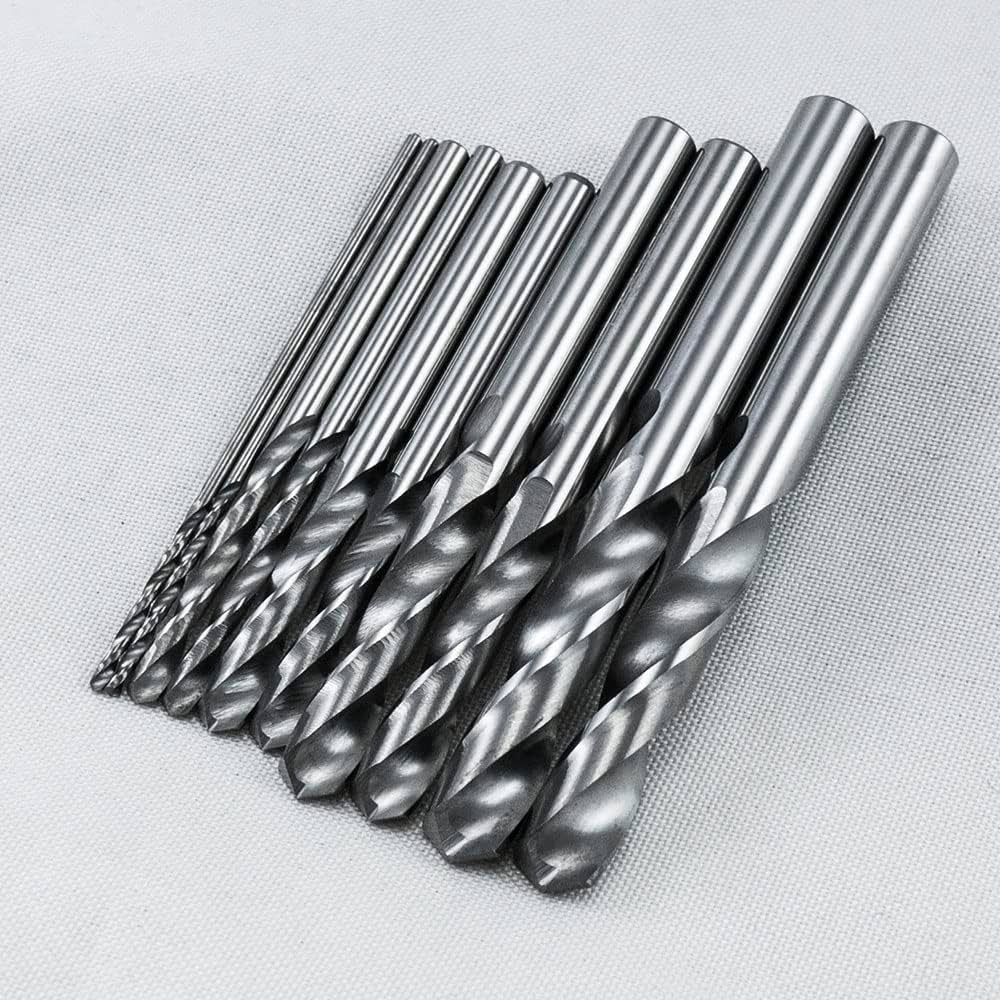
Carbide drill bits are widely regarded as the industry standard for professional PCB fabrication. Constructed from tungsten carbide, these bits are exceptionally hard and durable, making them perfectly suited for drilling through robust materials like FR-4 fiberglass boards.
Key advantages include:
● Exceptional Durability: Carbide bits typically last up to ten times longer than their HSS counterparts, significantly reducing the frequency of replacements and associated downtime.
● Unrivaled Precision: These bits maintain their cutting edge sharpness even after drilling hundreds of holes, ensuring consistent hole quality and dimensional accuracy.
● Superior Heat Resistance: Carbide exhibits excellent resistance to high temperatures, preventing deformation even when drilling at the high speeds often employed in PCB applications (typically 20,000 to 80,000 RPM).
However, carbide bits do come with a higher price point, often costing two to three times more than HSS bits. Their brittle nature also means they are susceptible to snapping if not handled with extreme care or if the drilling setup lacks perfect alignment.
High-Speed Steel (HSS) Drill Bits: The Economical Option
HSS drill bits are crafted from a steel alloy engineered to endure elevated temperatures and speeds. They present a more budget-friendly alternative, though with inherent trade-offs.
Their characteristics include:
● Cost-Effectiveness: HSS bits are more affordable, making them an attractive option for hobbyists or projects with lower production volumes.
● Increased Flexibility: Being less brittle than carbide, HSS bits are less prone to breaking under minor misalignments, offering a degree of forgiveness.
● Performance Limitations: HSS bits dull relatively quickly, particularly when drilling abrasive materials like FR-4, and are generally not suitable for demanding high-speed or high-volume drilling operations.
Verdict on Carbide vs. HSS Drill Bits: For professional PCB manufacturing, especially involving FR-4 or multi-layer boards, carbide bits are the unequivocal superior choice due to their extended lifespan and precision. While HSS bits may suffice for single-use projects or softer materials, they cannot match the performance required for rigorous applications.
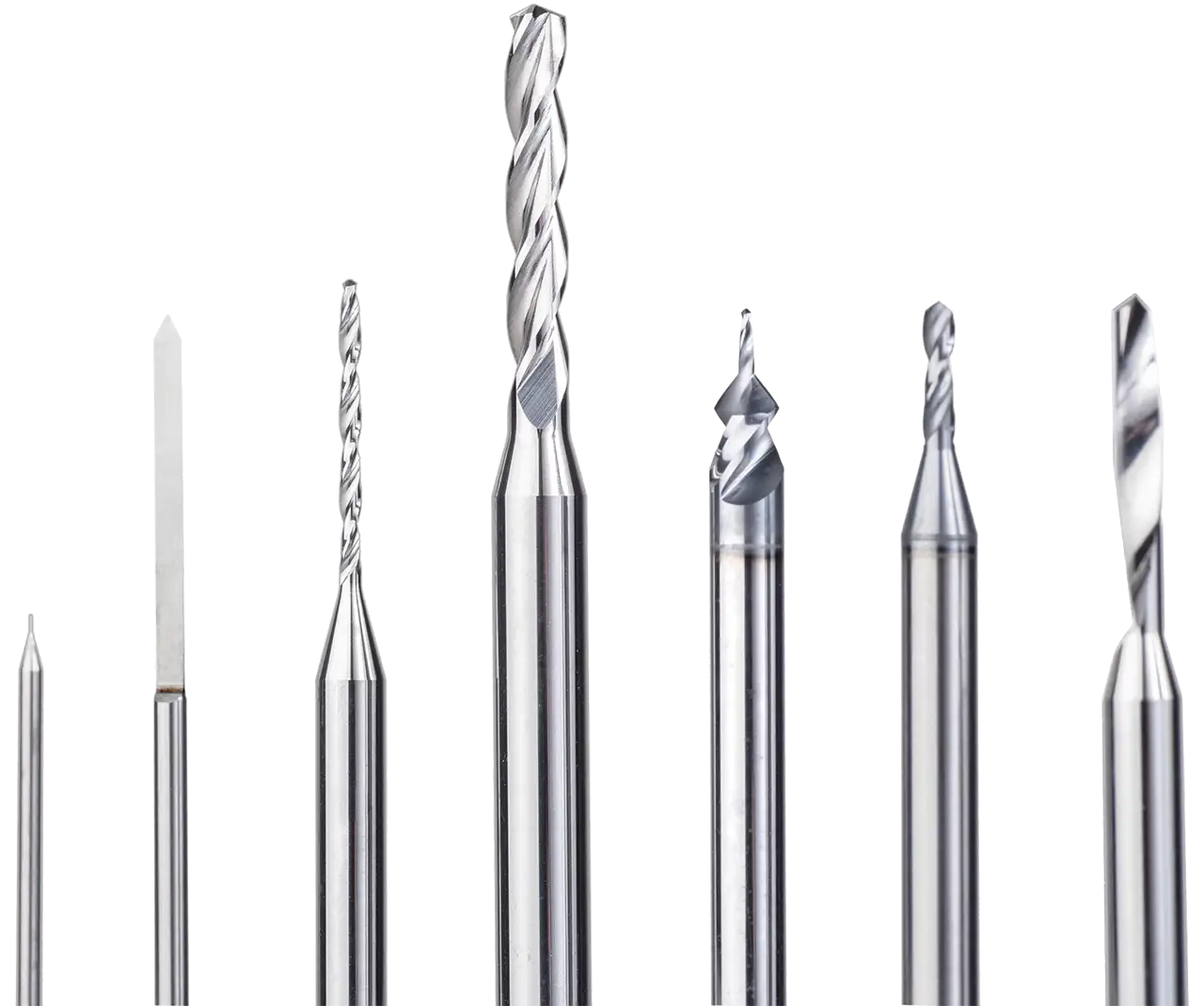
Exploring Different Types of PCB Drill Bits and Their Uses
Beyond the material, the specific design of a drill bit is chosen based on the unique requirements of the PCB design. Here are the primary types and their respective applications.
Standard Twist Drill Bits
These are the most common drill bits utilized for PCBs. Their characteristic spiral flute design efficiently removes chips, making them versatile for creating through-holes for standard components on FR-4 boards. Typical diameters range from 0.5 mm to 3.0 mm, accommodating most component leads.
Micro Drill Bits
Micro drill bits are specifically engineered for creating extremely small holes, often below 0.5 mm, which are essential for High-Density Interconnect (HDI) PCBs and microvias. These bits demand high-precision drilling equipment and are almost exclusively made of carbide to ensure the necessary accuracy at such minute diameters.
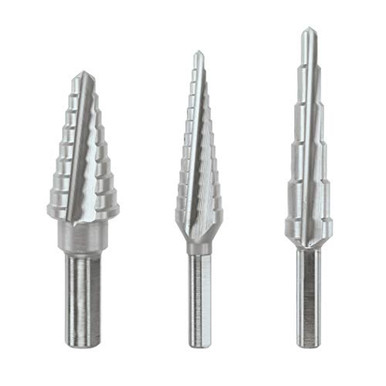
Step Drill Bits
Step bits are designed to drill holes of varying diameters in a single pass. While less frequently used in general PCB fabrication, they can be advantageous for specialized custom designs that require features like countersunk holes.
Router Bits
Distinct from conventional drill bits, router bits are employed for cutting precise slots, defining board outlines, or shaping PCB edges. They are indispensable for complex board geometries but are not intended for drilling standard circular holes.
PCB Drill Bit Size Chart: Matching Holes to Specific Components
Selecting the correct drill bit size is paramount for ensuring components fit properly and vias function effectively. An undersized hole can damage component leads, while an oversized hole can lead to compromised connections. The following table provides a practical PCB drill bit size chart for common through-hole components and vias:
|
Component Type |
Hole Diameter (mm) |
Drill Bit Size (mm) |
|
Standard Resistor/Capacitor Leads |
0.7 - 0.9 |
0.8 - 1.0 |
|
IC Pins (DIP Packages) |
0.8 - 1.0 |
0.9 - 1.1 |
|
Small Vias |
0.3 - 0.5 |
0.4 - 0.6 |
|
Microvias (High-Density Boards) |
0.1 - 0.3 |
0.2 - 0.4 |
|
Large Connectors/Screws |
2.0 - 3.5 |
2.1 - 3.6 |
Note: Always incorporate a small tolerance (typically 0.1-0.2 mm) into the hole size calculation to accommodate plating thickness and facilitate component insertion. For microvias and other critical features, consult your PCB design software and manufacturer's guidelines for precise specifications.
What Are the Best Drill Bits for FR-4 and Microvia Applications?
FR-4, a composite of fiberglass-reinforced epoxy laminate, is the most widely used PCB substrate. Its abrasive nature necessitates exceptionally durable drill bits to resist wear. Microvias, on the other hand, demand precision at an entirely different scale.
Optimizing Drill Bits for FR-4 Boards
For drilling FR-4, consistently opt for carbide drill bits. HSS bits wear out rapidly on this material, often becoming dull after merely 50-100 holes, whereas carbide bits can reliably produce 500-1000 holes or more. Consider bits with a diamond-like carbon (DLC) coating, which significantly reduces friction and prolongs tool life. Bits with a high helix angle (around 30-35 degrees) are also beneficial, as this geometry improves chip evacuation and minimizes heat buildup during drilling. Operation should involve high spindle speeds (40,000-60,000 RPM) combined with moderate feed rates to achieve clean holes and minimize burr formation. Reputable brands such as Kyocera, Union Tool, and LPKF offer high-quality carbide drill bits specifically engineered for FR-4.
Specialized Drill Bits for Microvias
Microvias, characterized by their tiny diameters (often less than 0.3 mm) in High-Density Interconnect (HDI) PCBs, require exceptionally specialized PCB drill bits. Carbide is an absolute necessity for these applications, as the micro drill bits must retain their sharpness to prevent any deviation at such small scales. Common diameters for microvias range from 0.1 mm to 0.3 mm, necessitating drilling equipment capable of supporting these ultra-small tools. High-precision CNC drills with minimal runout (ideally below 0.002 mm) are essential to prevent bit breakage. Spindle speeds for microvias frequently exceed 80,000 RPM to ensure clean cuts without generating excessive heat. These micro drill bits are inherently fragile and expensive, often costing $5-10 per bit for diameters below 0.2 mm. Breakage is a common occurrence if feed rates or alignment are even slightly off. Employing a peck drilling technique—drilling in short, repeated bursts—is crucial for clearing chips and reducing stress on the delicate bit.
Practical Tips for Effective PCB Drilling and Avoiding Common Errors
Even with the selection of the correct drill bit, improper technique can compromise your PCB. Here are practical guidelines to ensure successful drilling.
Enhancing Drilling Precision and Bit Longevity
● Secure Fixturing: Always firmly secure your PCB using a vacuum table or clamps to eliminate movement during drilling. Vibrations can lead to hole misalignment or bit breakage.
● Runout Verification: Confirm that your drill spindle exhibits minimal runout (ideally less than 0.005 mm) to prevent the creation of oversized or oval-shaped holes.
● Coolant and Lubrication: Although dry drilling is common for PCBs, a fine mist of coolant can extend bit life, particularly for deep holes or microvias.
● Regular Wear Monitoring: Periodically inspect drill bits for any indications of dullness or chipping. A worn bit can cause burrs or smear resin in FR-4, which can negatively impact subsequent plating processes.
● Optimized Drill Stack Height: When drilling multi-layer boards, restrict the stack height to two or three boards to mitigate heat buildup and reduce stress on the drill bit.
A common pitfall is drilling at an excessively low speed with a carbide bit on an FR-4 board. This often results in significant heat accumulation and resin smearing around the holes, necessitating laborious post-drilling cleanup. Adjusting to a higher RPM (around 50,000) and adopting a peck drilling approach typically yields clean, precise holes.
How to Choose the Ideal PCB Drill Bit for Your Specific Project
Selecting the appropriate drill bit boils down to a clear understanding of your project’s unique requirements. Here’s a streamlined decision-making framework:
● Material of the Board: For FR-4 or complex multilayer pcb, invariably choose carbide. For softer substrates or prototype work, HSS may be acceptable.
● Hole Size Requirements: Accurately match the drill bit size to your component or via specifications using a reliable PCB drill bit size chart.
● Production Volume: High-volume production environments necessitate the durability and precision of carbide bits, whereas low-volume or hobbyist projects can sometimes utilize HSS.
● Precision Needs: For microvias or advanced HDI boards, an investment in specialized micro drill bits and high-precision drilling equipment is essential.
Conclusion: Drill Your PCBs with Unwavering Confidence
Choosing the perfect PCB drill bit does not need to be an overwhelming endeavor. By systematically focusing on the critical factors of PCB drill bit material selection—specifically, the choice between carbide and HSS drill bits—and understanding the correct type and size as guided by a comprehensive PCB drill bit size chart, you can effectively tailor your choice to specific applications. Whether you are working with standard FR-4 boards or tackling the intricate demands of microvias, a well-informed selection will empower you to achieve professional-grade results consistently. This methodical approach to drill bit selection is a fundamental step toward ensuring the precision, quality, and reliability of your printed circuit boards.