Introduction
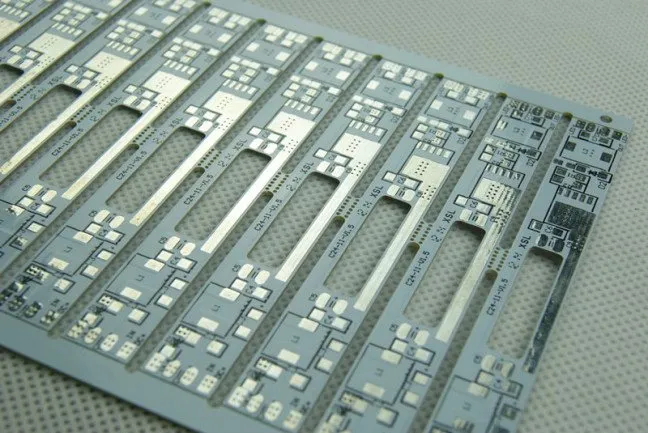
As electronic components become increasingly compact and powerful, the challenge of managing thermal energy has become a primary concern for hardware engineers. Traditional substrates often fail to dissipate heat fast enough to prevent component degradation or thermal runaway. This has made the application of aluminum printed circuit boards, or metal core PCBs, a standard requirement in industries where reliability and thermal stability are non-negotiable.
For technical decision makers, understanding where and how to implement aluminum substrates is critical for the success of high power and high frequency systems. This pillar page establishes a conceptual framework for the diverse applications of aluminum PCBs, helping you determine when a metallic core is the superior choice for your specific engineering requirements.
Understanding the Core Framework for Aluminum PCB Application
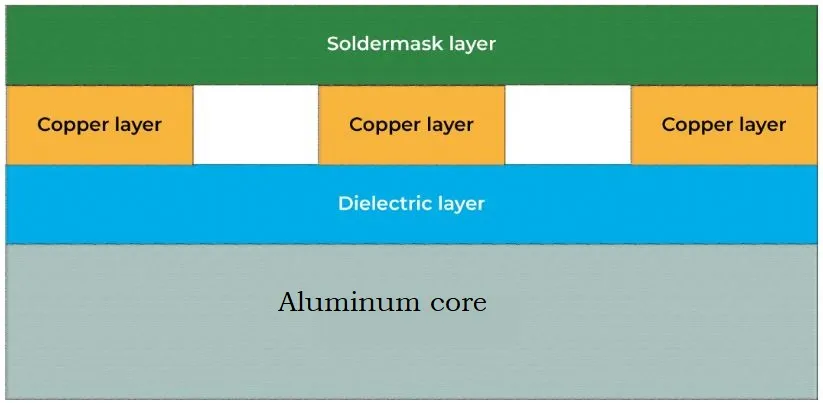
The application of aluminum PCBs is driven by the physical need to transfer heat from sensitive semiconductor junctions to the surrounding environment. The framework of a metal core application is defined by the thermal conductivity of the dielectric layer and the thickness of the aluminum base. Engineers typically classify these applications based on power density and environmental operating conditions.
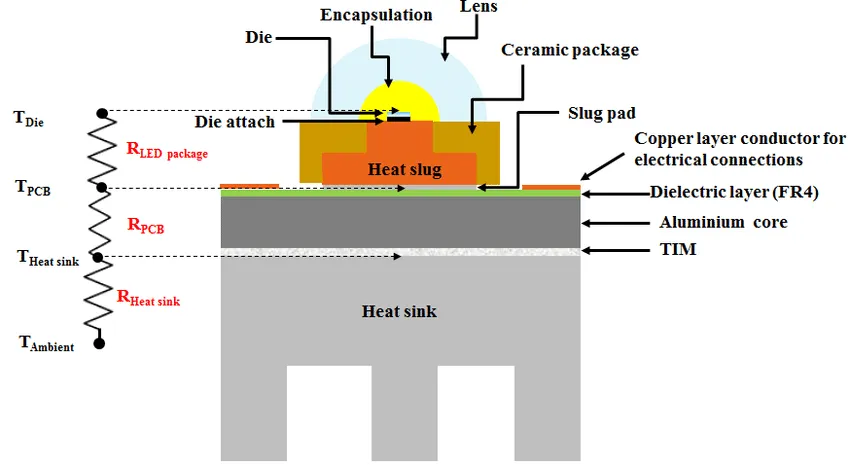
Unlike standard glass reinforced laminates, aluminum substrates provide a direct thermal path. This makes them ideal for systems where airflow is limited or where components like power transistors and LEDs generate concentrated heat. By establishing a clear hierarchy of thermal needs, designers can decide whether a simple single layer aluminum board or a more complex hybrid structure is required to meet the performance goals of the project.
Essential Aluminum PCB High Performance Electronics Solutions
In the realm of power conversion and lighting, the thermal mass of the substrate is utilized to keep operating temperatures within safe limits. These systems often run at high duty cycles, meaning the ability to consistently sink heat is the most important factor in the longevity of the device.
When designing for industrial or automotive sectors, aluminum PCBs serve as essential solutions for high performance electronics because they reduce the need for bulky external heat sinks. This application is particularly prevalent in motor controllers, power supplies, and high intensity LED arrays where space is at a premium. By integrating the heat dissipation directly into the PCB, engineers can create smaller, more reliable modules that survive the rigors of continuous industrial operation.
Technical High Frequency Aluminum PCB Overview: Challenges and RF Design
While aluminum is prized for its thermal properties, applying this material to high speed or radio frequency systems introduces a different set of engineering variables. The presence of a large metal plane in close proximity to signal traces can influence impedance and signal integrity, requiring a specialized approach to stackup and layout.
In complex communication or radar equipment, the high frequency applications of aluminum PCBs require careful management of the dielectric constant and dissipation factor. Engineers must account for the parasitic capacitance that occurs between the copper traces and the aluminum base plate. When properly managed, these boards provide the dual benefit of thermal cooling and electromagnetic shielding, making them highly effective for power amplifiers and transmitters that operate in demanding frequency bands.
Balancing Thermal Management and High Frequency Performance
In many modern applications, such as electric vehicle charging stations or advanced telecommunications infrastructure, thermal management and high frequency performance must be addressed simultaneously. The heat generated by high speed switching components must be removed without distorting the signals they process.
Understanding the relationship between these two domains is critical for system level success. For instance, increasing the thickness of the dielectric to improve high frequency signal integrity will simultaneously increase the thermal resistance of the board. Conversely, a thinner dielectric improves cooling but may increase the capacitive coupling between signal layers and the metal base. A balanced engineering approach treats the aluminum PCB as a multi functional component that acts as both an electrical interconnect and a mechanical heat spreader.
Manufacturing Realities for Industrial Aluminum PCB Application
From a practical perspective, the application of aluminum PCBs involves specific manufacturing and assembly considerations that differ from standard rigid boards. The metallic base affects everything from the weight of the final assembly to the thermal profile required during the soldering process.
Engineers must consider the mechanical properties of the aluminum alloy, such as its coefficient of thermal expansion, to ensure that the board does not warp under extreme temperature cycles. In automotive and aerospace applications, the vibration resistance of the metal core is also a significant advantage. By selecting the right material grade and thickness, manufacturers can produce assemblies that meet the highest standards for durability and environmental resistance. These practical factors ensure that the theoretical benefits of aluminum substrates are fully realized in real world industrial scenarios.
Conclusion
The strategic application of aluminum PCBs is a cornerstone of modern high power and high frequency electronics design. By providing an integrated thermal management solution, these substrates enable the creation of smaller, more efficient, and more reliable products across a wide range of industries. Whether the goal is to stabilize the temperature of an LED array or to provide a shielded environment for a high speed transmitter, the aluminum base offers a versatile platform for innovation.
Success in these applications requires a holistic understanding of how material properties, design choices, and manufacturing processes interact. Focusing on the principles of heat transfer and signal integrity allows engineering teams to push the boundaries of what is possible in electronic hardware. As technology continues to evolve toward higher power and higher frequencies, the importance of robust metal core substrates will only increase, serving as a foundational element for the next generation of industrial and consumer electronics.