Introduction
Ultra-thin FR-4 PCBs represent a critical advancement in printed circuit board technology, enabling the development of compact and lightweight electronic devices. These boards use the standard FR-4 laminate material but feature significantly reduced thicknesses compared to conventional 1.6 mm panels, allowing integration into space-constrained designs. As electronic products trend toward miniaturization, ultra-thin PCBs address demands for higher density while maintaining the mechanical stability inherent to rigid FR-4 substrates. Engineers face unique opportunities and hurdles in specifying these boards for applications ranging from sensors to medical implants. This article explores their applications, manufacturing intricacies, and strategies to overcome production challenges. Understanding these aspects ensures reliable performance in demanding environments.
What Are Ultra-Thin FR-4 PCBs and Why Do They Matter?
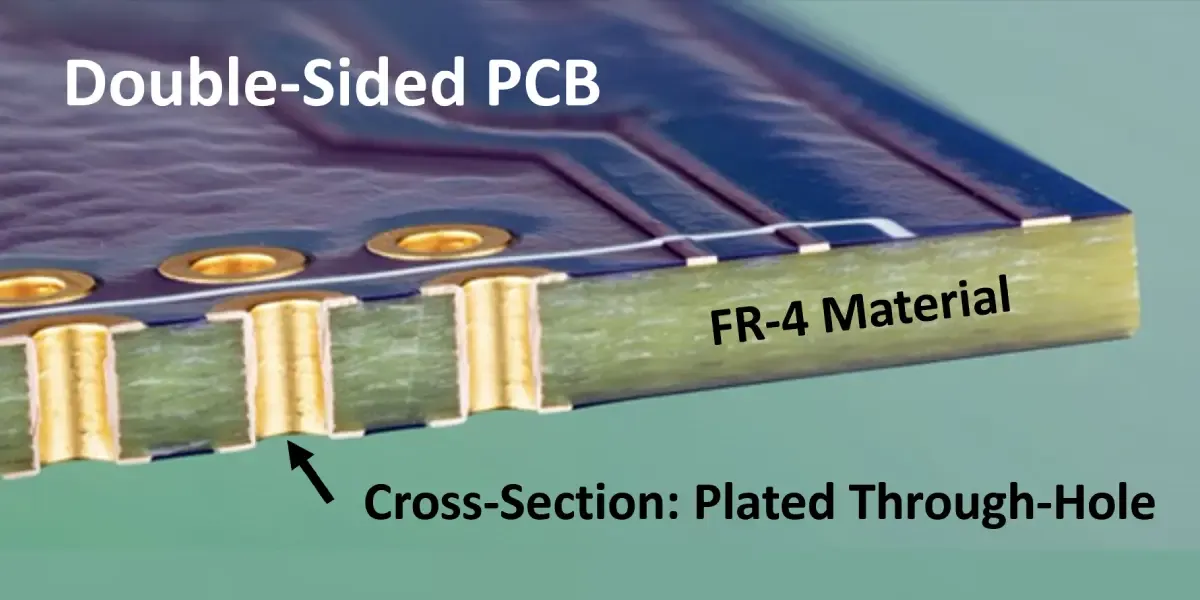
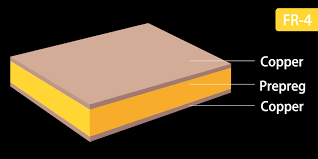
FR-4, a glass-reinforced epoxy laminate, serves as the backbone for most rigid printed circuit boards due to its balance of electrical insulation, mechanical strength, and cost-effectiveness. Ultra-thin FR-4 thin boards push this material to its limits by employing cores and prepregs with minimal thickness, often enabling boards that approach the flexibility of some flexible PCB designs without sacrificing rigidity. These small PCBs excel in scenarios where volume is at a premium, such as in handheld devices or embedded systems. Their importance stems from the electronics industry's shift toward thinner profiles, which reduces overall product weight and improves thermal dissipation in tight assemblies. Moreover, ultra-thin constructions support finer line widths and spacing, facilitating higher component densities. For electric engineers, selecting ultra-thin FR-4 involves weighing trade-offs in handling, reliability, and process compatibility against the benefits of compactness.
The relevance of these boards intensifies in high-reliability sectors where failure margins are narrow. Traditional thicker FR-4 suffices for general applications, but ultra-thin variants unlock innovations in portable and implantable technologies. Factory processes must adapt to maintain dimensional stability, as thinner substrates amplify sensitivities to thermal and mechanical stresses. Compliance with standards like IPC-6012E ensures qualification for rigid printed boards, guiding performance specifications across layers and finishes. Engineers benefit from these guidelines to predict behavior under operational loads. Ultimately, ultra-thin FR-4 PCBs matter because they bridge the gap between rigid reliability and flexible adaptability.
Key Applications of Ultra-Thin FR-4 PCBs
Ultra-thin PCBs find extensive use in medical PCB designs, particularly for implantable devices and diagnostic tools that require biocompatibility and minimal invasiveness. In these applications, the thin profile allows integration into catheters, pacemakers, and endoscopes, where space constraints demand boards that conform slightly without full flex circuits. Sensor PCBs represent another prime domain, powering wearable health monitors and environmental detectors with their ability to house dense microelectronics in petite forms. These small PCBs enable precise signal capture in proximity to the sensing element, minimizing noise and latency. Consumer electronics, including smartwatches and hearing aids, leverage ultra-thin FR-4 for sleek casings that prioritize user comfort.
PCB bending capabilities emerge in ultra-thin FR-4 thin boards, offering limited dynamic flex for assemblies that undergo repeated minor curvatures, such as in flexible displays or curved sensors. Unlike pure flexible PCBs, these retain structural integrity for static bends, making them suitable for automotive dashboard modules or aerospace instrumentation. In industrial settings, ultra-thin constructions support IoT nodes and RFID tags, where low power and small footprints drive adoption. Medical and sensor applications particularly value the material's stability under sterilization cycles and bodily fluids. Engineers specify these boards to optimize signal integrity in high-frequency paths within confined geometries. Overall, their versatility spans from prototype sensors to production-scale medical devices.
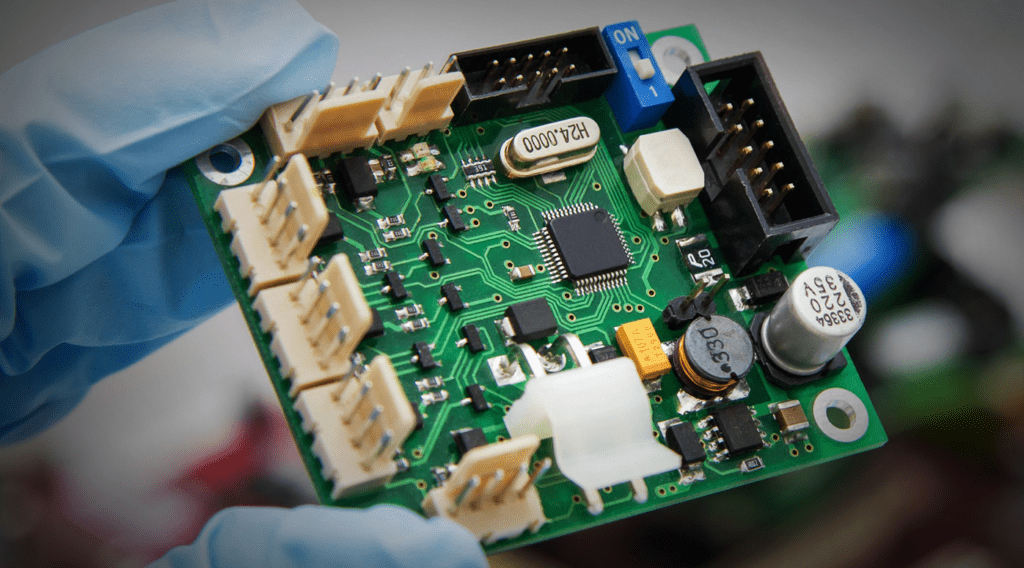
Manufacturing Challenges in Ultra-Thin FR-4 PCBs
Producing ultra-thin FR-4 PCBs introduces significant hurdles, starting with material handling fragility that risks tearing or creasing during transport and stacking. Thin substrates demand specialized carriers and low-contact fixtures to prevent contamination and deformation, complicating automation lines. Warpage poses a primary concern, exacerbated by asymmetric copper distribution and thermal expansion mismatches during lamination and soldering. IPC-A-600K outlines acceptability criteria for such distortions, classifying boards based on measured bow and twist to ensure assembly viability. Factories mitigate this through symmetric stackups and controlled curing profiles, yet thinner profiles amplify even minor imbalances.
Drilling and plating present further obstacles, as registration accuracy diminishes with reduced board stiffness, leading to via misalignment in multilayer builds. Laser drilling often supplements mechanical methods for microvias in these small PCBs, but debris management becomes critical to avoid shorts. Electroless plating uniformity suffers from thin copper foils warping under current densities, necessitating precise bath chemistries and agitation. Lamination challenges arise from resin flow control in ultra-thin prepregs, where excessive squeeze-out compromises interlayer bonds. Moisture absorption heightens risks, aligning with JEDEC J-STD-020E classifications for reflow sensitivity. Engineers must collaborate closely with fabricators to tailor processes, balancing yield against design ambitions.

Surface finishes add complexity, as immersion processes suited to thin boards must avoid bridging fine pitches while providing solderability. Solder mask application requires thin-film formulations to prevent cracking on bends, testing the limits of conformal coatings. Electrical testing demands vacuum fixturing to maintain planarity, with flying probes preferred over bed-of-nails for delicate panels. Yield losses from handling incidents underscore the need for cleanroom protocols and operator training. These challenges collectively elevate costs, yet advances in equipment narrow the gap with standard FR-4 production.
Best Practices for Designing and Manufacturing Ultra-Thin FR-4 PCBs
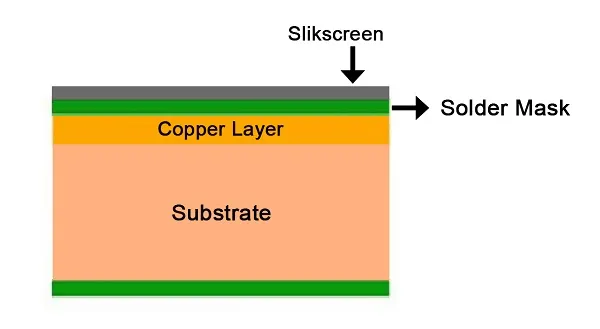
Designers should prioritize symmetric layer stackups to counter warpage, distributing copper weights evenly across the cross-section for balanced thermal coefficients. Material selection favors low-CTE FR-4 grades with consistent resin content, minimizing peel strength variations during fabrication. Incorporate handling tabs or frame panels for automated lines, easing transport without direct contact on active areas. Pre-baking panels per JEDEC J-STD-020E protocols removes absorbed moisture before reflow, preventing delamination in ultra-thin layers.
In manufacturing, sequential lamination builds multilayers incrementally, allowing intermediate inspections for flatness. Employ vacuum-assisted pressing to ensure uniform resin flow in thin prepregs, adhering to IPC-6012E performance specs. For PCB bending applications, define minimum bend radii based on copper thickness and layer count, simulating stresses via finite element analysis. Fixture designs with soft pins support testing without puncture risks. Post-etch annealing relieves internal stresses, enhancing dimensional stability.
Assembly guidelines emphasize low-temperature profiles to curb warpage during reflow, pairing with no-clean fluxes for residue-free boards. Engineers validate prototypes through accelerated life testing, correlating warpage data to IPC-A-600K classes. Collaborative DFM reviews between design and fab teams preempt issues, optimizing panel utilization for cost efficiency. These practices elevate reliability, turning ultra-thin FR-4 challenges into production strengths.
Conclusion
Ultra-thin FR-4 PCBs empower electric engineers to realize compact, high-performance designs across medical, sensor, and small electronics realms. Their thin profiles enable PCB bending akin to flexible variants while upholding rigid FR-4 virtues, though manufacturing demands meticulous handling, warpage control, and process tweaks. Standards like IPC-6012E, IPC-A-600K, and JEDEC J-STD-020E provide essential benchmarks for quality assurance. By adopting symmetric designs, specialized tooling, and rigorous inspections, fabricators overcome fragility hurdles to deliver reliable boards. As miniaturization accelerates, mastering these FR-4 thin boards will define success in next-generation products. Engineers equipped with these insights can confidently specify ultra-thin solutions for demanding applications.
FAQs
Q1: What defines an ultra-thin PCB in FR-4 construction?
A1: Ultra-thin FR-4 thin boards are rigid PCBs using FR-4 laminate with reduced core and prepreg thicknesses, typically enabling compact sensor PCB and medical PCB designs. They offer a balance of rigidity and limited bendability compared to standard 1.6 mm panels. Manufacturing requires specialized handling to prevent damage, aligning with IPC standards for dimensional stability. These boards suit space-limited applications without full flexible PCB complexity.
Q2: What are the main manufacturing challenges for ultra-thin PCBs?
A2: Key issues include warpage from thermal stresses, fragile handling risking tears, and precise drilling for via registration in small PCBs. Thin profiles amplify plating nonuniformities and lamination voids, per IPC-A-600K acceptability criteria. Factories use symmetric stackups, vacuum lamination, and moisture baking to mitigate risks. Engineers address these through DFM to ensure high yields.
Q3: Where are ultra-thin FR-4 PCBs commonly applied?
A3: Applications span medical PCBs like implants and endoscopes, sensor PCBs in wearables, and small PCBs for consumer gadgets. Their PCB bending tolerance supports curved assemblies in automotive and aerospace. FR-4 thin boards provide cost-effective rigidity for high-density electronics, outperforming pure flex in static bends while meeting reliability needs.
Q4: How do standards guide ultra-thin PCB production?
A4: IPC-6012E qualifies rigid board performance, including thin constructions, while JEDEC J-STD-020E manages moisture sensitivity. These ensure warpage limits and reflow compatibility. Factories reference them for process controls, enhancing ultra-thin PCB reliability in medical and sensor roles.
References
IPC-6012E — Qualification and Performance Specification for Rigid Printed Boards. IPC, 2017
IPC-A-600K — Acceptability of Printed Boards. IPC, 2020
JEDEC J-STD-020E — Moisture/Reflow Sensitivity Classification. JEDEC, 2014