Introduction
Printed Circuit Board (PCB) design has evolved significantly with the increasing complexity of electronic systems. For electrical engineers, mastering advanced PCB design techniques is essential to ensure functionality, reliability, and performance in modern applications. Key considerations include managing thermal dissipation solutions, implementing high-speed routing techniques, and optimizing differential pairs for signal integrity. These elements directly impact the efficiency and longevity of electronic devices, especially in high-power and high-frequency environments. This article explores the critical aspects of advanced PCB design, offering practical insights into thermal management, routing strategies, and signal handling. By understanding these principles, engineers can address challenges in compact, high-performance systems while adhering to industry standards. The focus remains on actionable guidance for professionals aiming to enhance their design expertise.
Why Advanced PCB Design Techniques Matter
Advanced PCB design techniques are vital as electronic devices become smaller, faster, and more power-intensive. Poor design can lead to overheating, signal degradation, and system failures, impacting product reliability. For electrical engineers, addressing thermal dissipation solutions ensures components operate within safe temperature ranges. High-speed routing techniques are crucial to maintain signal integrity in applications like telecommunications and data processing. Differential pairs, often used in high-speed designs, require precise handling to minimize noise and crosstalk. These techniques collectively enable the creation of robust, efficient PCBs that meet the demands of modern technology. Ignoring these aspects risks costly redesigns and performance issues, making mastery of advanced design principles a priority for professionals in the field.
Technical Principles of Advanced PCB Design
Thermal Dissipation in PCB Design
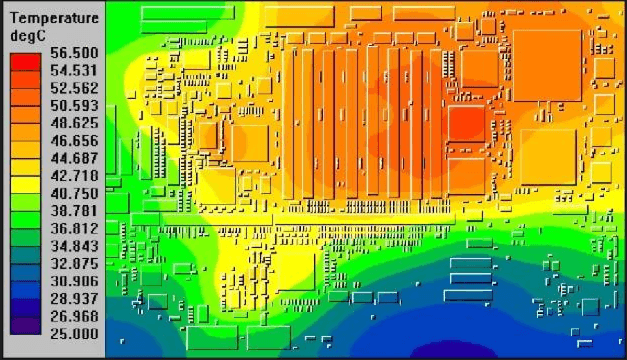
Thermal management is a cornerstone of advanced PCB design, especially in high-power applications. Heat generation from components can degrade performance and reduce lifespan if not addressed. The principle behind thermal dissipation solutions lies in efficiently transferring heat away from critical areas. This involves understanding heat conduction through materials, convection to the surrounding environment, and radiation in some cases. High thermal conductivity materials and strategic component placement play significant roles in heat distribution. Without proper management, localized hot spots can cause thermal stress, leading to component failure or board warpage. Standards like IPC-2221B provide guidelines for thermal design considerations, ensuring engineers account for heat dissipation in their layouts.
High-Speed Routing Techniques and Signal Integrity
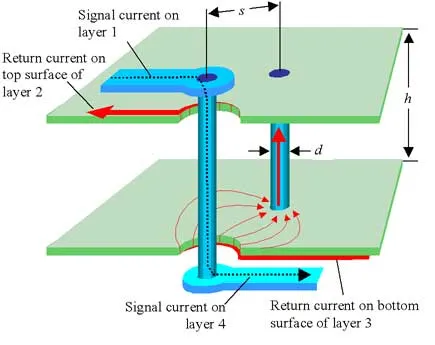
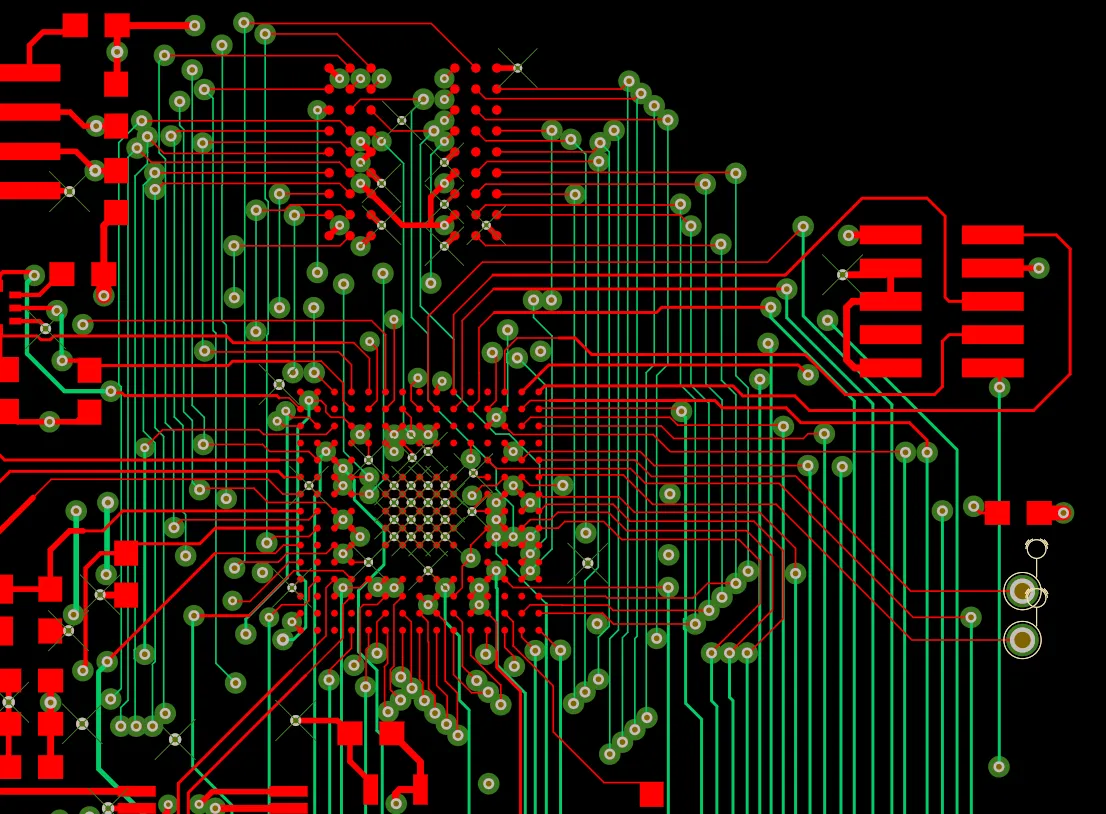
High-speed routing techniques are essential for maintaining signal integrity in modern PCB designs. As signal frequencies increase, issues like crosstalk, impedance mismatch, and signal delay become prominent. The fundamental principle is to minimize signal path length and ensure consistent impedance along traces. A solid reference plane beneath high-speed traces reduces electromagnetic interference. Routing signals on inner layers, away from external noise sources, further enhances performance. Engineers must also consider trace width and spacing to control impedance, adhering to guidelines in standards like IPC-2141A for controlled impedance design. Proper termination strategies, such as series or parallel resistors, help prevent signal reflections. These principles ensure data integrity in applications involving high-speed communication protocols.
Differential Pairs in High-Speed Design
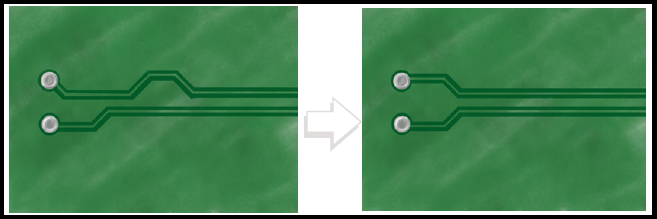
Differential pairs are widely used in high-speed PCB designs to transmit data with reduced noise susceptibility. The core principle is to route two traces closely together, carrying equal and opposite signals. This configuration cancels out common-mode noise, improving signal quality. Maintaining symmetry in length and spacing between the pair is critical to avoid skew, which can distort signals. Impedance matching for differential pairs must be precise, often requiring calculations based on trace geometry and dielectric properties. Standards like IPC-6012E outline performance specifications for such designs, ensuring reliability. Differential pairs are integral to protocols like USB, HDMI, and Ethernet, making their proper implementation a key skill for engineers working on high-speed systems.
Practical Solutions and Best Practices
Thermal Dissipation Solutions for Optimal Performance
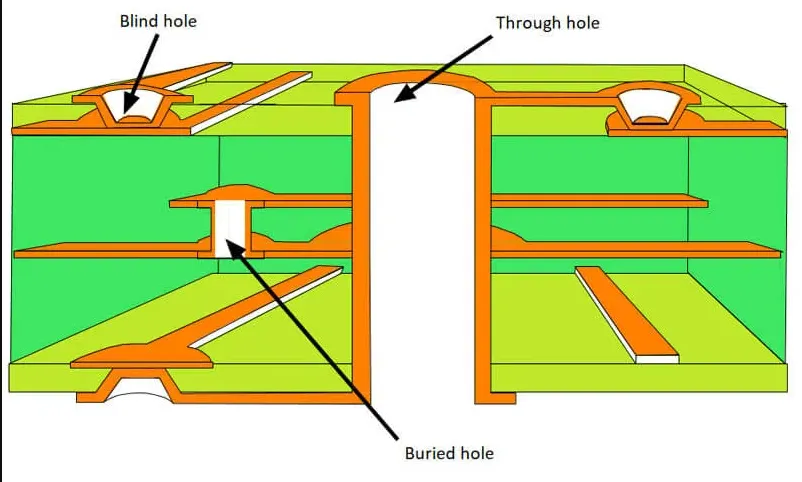
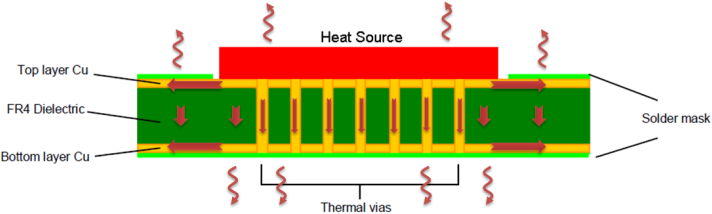
Effective thermal dissipation solutions begin with material selection. Choosing substrates with high thermal conductivity helps spread heat evenly across the board. Adding thermal vias under heat-generating components facilitates heat transfer to other layers or heat sinks. Engineers should place high-power components away from sensitive areas to prevent thermal interference. Copper planes can act as heat spreaders, distributing warmth across larger areas. Ensuring adequate airflow around the PCB, through enclosure design or fan integration, enhances convection. Compliance with IPC-2221B ensures thermal vias and copper thickness meet industry benchmarks for heat management. Regular simulation of thermal profiles during design phases helps identify potential hot spots before fabrication.
Best Practices for High-Speed Routing Techniques
Implementing high-speed routing techniques requires careful planning. Start by defining a clear stack-up with dedicated ground and power planes to minimize noise. Route high-speed signals on inner layers to shield them from external interference. Keep trace lengths as short as possible to reduce signal delay and attenuation. Avoid sharp bends in traces, use 45-degree angles or curves to maintain signal integrity. Arrange vias in a grid pattern to ensure uniform current distribution and reduce inductance. Maintaining a consistent reference plane beneath traces is crucial for impedance control, as outlined in IPC-2141A. These practices collectively ensure reliable performance in high-frequency applications.
Optimizing Differential Pairs in Layouts
For differential pairs, symmetry is the foundation of effective routing. Ensure both traces in the pair have identical lengths to prevent timing skew. Maintain consistent spacing between the traces to preserve impedance characteristics. Avoid routing differential pairs near noisy signals or power lines to minimize crosstalk. Use ground planes beneath the pairs to provide a stable reference and reduce interference. Calculate trace width and spacing based on the target differential impedance, often guided by design tools adhering to IPC-6012E standards. When crossing layers, place vias symmetrically to maintain balance. These steps ensure differential pairs perform reliably in high-speed data transmission scenarios.
Troubleshooting Common Challenges in Advanced PCB Design
Electrical engineers often encounter specific challenges in advanced PCB design. Thermal issues may arise from insufficient vias or poor component placement, leading to overheating. Solving this requires revisiting the layout to add thermal vias or redistribute components for better heat flow, following IPC-2221B guidelines. Signal integrity problems in high-speed routing can stem from impedance mismatches or long trace lengths. Adjusting trace geometry and ensuring proper termination resolves such issues, with reference to IPC-2141A for controlled impedance. Differential pairs may suffer from skew if traces are unevenly routed. Correcting length mismatches and maintaining symmetry addresses this concern, aligning with IPC-6012E specifications. Proactive simulation and adherence to standards prevent many of these challenges during the design phase.
Conclusion
Advanced PCB design techniques are indispensable for electrical engineers tackling modern electronic challenges. Effective thermal dissipation solutions prevent overheating and extend component life. High-speed routing techniques ensure signal integrity in fast-paced applications, while precise handling of differential pairs minimizes noise in data transmission. By focusing on material selection, layout optimization, and adherence to industry standards like IPC-2221B, IPC-2141A, and IPC-6012E, engineers can create reliable, high-performance PCBs. These principles, combined with practical troubleshooting, empower professionals to address complex design demands. Mastery of these areas not only enhances product quality but also ensures compliance with rigorous industry expectations, paving the way for innovation in electronic systems.
FAQs
Q1: How do thermal dissipation solutions impact PCB reliability?
A1: Thermal dissipation solutions are critical to PCB reliability as they prevent overheating of components. Excessive heat can cause material degradation and component failure. Using thermal vias, high-conductivity materials, and proper component placement helps distribute heat evenly. Following standards like IPC-2221B ensures effective heat management, reducing thermal stress and extending the lifespan of the board in high-power applications.
Q2: What are the key rules for high-speed routing techniques?
A2: High-speed routing techniques focus on maintaining signal integrity through short trace lengths and consistent impedance. Use solid reference planes, avoid sharp bends, and route signals on inner layers for shielding. Arrange vias in a grid for uniform current flow. Adhering to IPC-2141A for controlled impedance design is essential to minimize noise and signal loss in high-frequency systems.
Q3: Why is symmetry important in routing differential pairs?
A3: Symmetry in differential pairs ensures equal signal propagation, preventing timing skew and maintaining signal integrity. Identical trace lengths and consistent spacing cancel out common-mode noise effectively. Asymmetric routing can introduce interference, degrading performance in high-speed protocols. Standards like IPC-6012E provide specifications to achieve balanced routing for reliable data transmission.
Q4: How can engineers optimize high-speed routing techniques for better performance?
A4: Engineers can optimize high-speed routing techniques by prioritizing a well-defined stack-up with ground planes. Keep traces short, use gradual bends, and maintain impedance consistency. Shield high-speed signals on inner layers and apply proper termination to avoid reflections. Following IPC-2141A guidelines for impedance control ensures minimal signal distortion and enhances overall system performance.
References
IPC-2221B — Generic Standard on Printed Board Design. IPC, 2012.
IPC-2141A — Design Guide for High-Speed Controlled Impedance Circuit Boards. IPC, 2004.
IPC-6012E — Qualification and Performance Specification for Rigid Printed Boards. IPC, 2020.