What is Immersion Silver Plating in PCB Manufacturing?
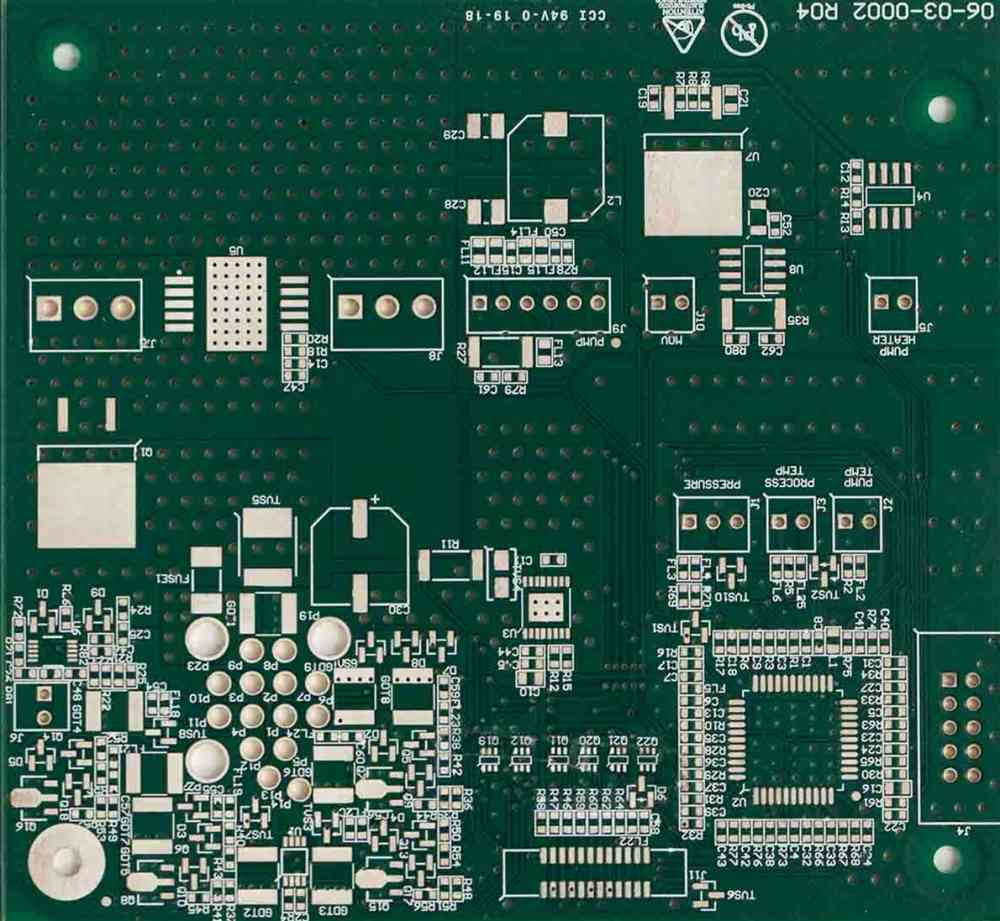
Immersion silver plating is a widely used surface finish technique in the manufacturing of Printed Circuit Boards (PCBs). Its primary purpose is to safeguard exposed copper pads from oxidation while simultaneously enhancing their solderability. This process involves the deposition of a microscopically thin layer of silver onto the copper surface through a chemical displacement reaction, critically, without the application of an external electrical current. The outcome is a uniformly flat and smooth coating that significantly improves the overall performance of the PCB, particularly benefiting high-frequency applications due to its minimal signal loss characteristics, which are often caused by the skin effect.
This particular finish is frequently selected for its adherence to RoHS (Restriction of Hazardous Substances) directives, positioning it as an environmentally conscious choice in contrast to older, lead-based finishes. Furthermore, immersion silver presents a cost-effective alternative to other premium finishes, such as immersion gold, while still delivering exceptional electrical properties crucial for modern electronic devices.
Why is Immersion Silver a Preferred PCB Surface Finish?
Before delving into the intricate steps of the immersion silver plating process, let's explore the compelling reasons why this surface finish is often the preferred choice for a diverse range of electronic applications.
Key advantages of choosing immersion silver include:
● Superior Conductivity: Silver boasts one of the highest electrical conductivity ratings among all metals, which ensures minimal signal degradation. This characteristic is especially beneficial in high-frequency designs, where maintaining impedance values, often below 50 ohms, is critical for optimal performance.
● Cost-Effectiveness: When compared to other high-performance surface finishes, immersion silver strikes an excellent balance between achieving high-end performance and maintaining affordability, making it a budget-friendly premium option.
● Exceptional Planarity: The immersion process inherently creates a smooth, remarkably planar surface. This flat finish is ideal for the precise placement of fine-pitch components and is highly compatible with surface-mount technology (SMT) assembly processes.
● Environmental Compliance: As a lead-free finish, immersion silver fully complies with global environmental regulations, making it a responsible choice for modern electronics manufacturing.
However, it is important to acknowledge a notable limitation: immersion silver can exhibit tarnishing over time if exposed to environmental contaminants such as sulfur or chlorine. This susceptibility means its shelf life may be reduced if not stored under appropriate conditions.
Step-by-Step Guide to the Immersion Silver Plating Process
The immersion silver plating process involves a series of meticulously controlled steps designed to ensure a consistently high-quality finish. Below, we detail each stage of immersion silver PCB manufacturing, from initial preparation to the final inspection.
Step 1: Surface Preparation and Cleaning
The foundational step in the immersion silver plating process is the thorough preparation of the PCB surface. Any contaminants—such as oils, dust, or existing oxidation—on the copper pads can severely impede the uniform deposition of silver, leading to poor adhesion or an uneven coating.
The cleaning regimen typically involves:
● Micro-Etching: A mild acid solution, often formulated with sulfuric acid or hydrogen peroxide, is applied to remove a thin layer of copper oxide and subtly roughen the copper surface. This micro-etching enhances the mechanical interlocking for better adhesion and usually removes approximately 20-40 microinches of copper.
● Degreasing: An alkaline cleaning agent is used to effectively remove organic residues like fingerprints or grease from the PCB surface.
● Rinsing: Multiple rinses with deionized water are performed to meticulously remove any residual cleaning agents, ensuring a pristine surface for the subsequent process steps.
This rigorous preparation is absolutely critical for achieving a uniform silver layer and preventing defects such as voids or weak adhesion points.
Step 2: Pre-Dip Activation
Following the cleaning phase, the fast turn PCB undergoes a pre-dip activation step designed to prepare the copper surface specifically for silver deposition. This stage typically involves immersing the board in a dilute acid solution, such as nitric acid or a proprietary activating agent. The purpose is to remove any minute, remaining oxide layers and chemically activate the copper surface, making it highly reactive for the upcoming chemical reaction. The pre-dip also serves the practical function of preventing contamination of the main silver plating bath.
The activation process generally lasts for 1-2 minutes, with the exact duration dependent on the specific chemical formulation used and the initial condition of the copper surface.
Step 3: Immersion Silver Deposition
This stage represents the core of the entire immersion silver plating process. The PCB is carefully immersed in a silver plating bath that contains a silver source, typically silver nitrate or silver cyanide, along with various additives. These additives are crucial for controlling the reaction rate, ensuring uniformity of the deposited layer, and enhancing the overall quality of the finish. Unlike traditional electroplating, immersion silver relies on a chemical displacement reaction where silver ions present in the solution spontaneously replace copper atoms on the PCB surface.
The resulting silver layer is precisely controlled to a thickness typically ranging between 0.1 and 0.5 micrometers (4-20 microinches), a specification often guided by industry standards such as IPC-4553A. This thin layer provides sufficient protection for the copper while maintaining cost efficiency. The immersion time usually ranges from 1 to 3 minutes, depending on the desired thickness and the specific chemistry of the plating bath.
Step 4: Post-Treatment and Rinsing
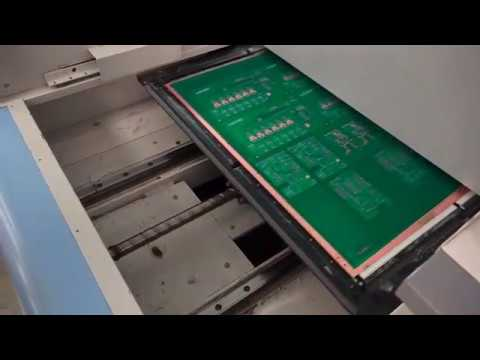
Once the desired silver layer has been deposited, the PCB is removed from the plating bath and undergoes a thorough rinsing process with deionized water to remove any residual chemicals. A subsequent post-treatment step may be applied to further enhance the silver layer's resistance to tarnishing. This often involves the application of a proprietary anti-tarnish solution, which forms a protective barrier on the silver surface, thereby extending its potential shelf life.
Following the post-treatment, the board is rinsed again to ensure that no chemical residues remain, as these could potentially affect solderability or long-term reliability of the PCB.
Step 5: Drying and Inspection
The final stage in the immersion silver plating process involves thoroughly drying the PCB to eliminate all moisture. This is typically achieved using hot air blowers or a dedicated drying oven, with temperatures generally set between 50-70°C (122-158°F) for several minutes. Once dried, the board undergoes a rigorous inspection to confirm that the silver layer meets all specified quality standards.
The inspection protocol often includes:
● Visual Examination: A careful visual check for uniformity, any signs of discoloration, or other surface defects in the silver coating.
● Thickness Measurement: Utilizing techniques such as X-ray fluorescence (XRF) or other non-destructive testing methods to verify that the silver layer's thickness falls within the specified range of 0.1-0.5 micrometers.
● Solderability Testing: Performing tests to ensure the surface can form strong, reliable solder joints during the subsequent assembly process.
Understanding Immersion Silver Plating Chemistry and Equipment
The Chemistry Behind Immersion Silver Plating
The specific chemistry employed in immersion silver plating is paramount, as it directly dictates the quality and performance characteristics of the final finish. The plating bath typically contains several key components:
● Silver Source: Silver nitrate or silver cyanide provides the necessary silver ions for the deposition reaction. Silver nitrate is generally preferred due to its lower toxicity and reduced environmental impact.
● Complexing Agents: These compounds play a crucial role in controlling the rate of the displacement reaction and preventing an overly rapid or excessive deposition of silver. Common examples include ammonia or various organic compounds.
● Stabilizers and Additives: These are incorporated to ensure a uniform deposition and to enhance the tarnish resistance of the resulting silver layer, contributing to its longevity and performance.
● pH Buffers: These components are used to maintain the bath's pH within an optimal range, typically between 4 and 6, thereby ensuring consistent reaction conditions and optimal deposition.
The bath temperature is usually maintained between 40-50°C (104-122°F) to achieve consistent and reproducible results. Diligent maintenance of the bath chemistry, including regular monitoring of silver ion concentration and pH levels, is absolutely essential to prevent defects such as uneven coating or compromised adhesion.
Essential Immersion Silver Plating Equipment
Achieving a high-quality immersion silver finish necessitates the use of specialized immersion silver plating equipment.
Here is an overview of the primary tools and systems involved in the process:
● Cleaning Tanks: These robust tanks, often constructed from corrosion-resistant materials like polypropylene or stainless steel, are used for the initial degreasing and micro-etching of the PCB surface.
● Plating Baths: Chemical-resistant tanks, equipped with precise temperature control and agitation systems, are vital for ensuring uniform silver deposition. Agitation can be accomplished through methods like air bubbling or mechanical stirring.
● Rinse Stations: These stations are outfitted with advanced deionized water systems to thoroughly remove chemical residues between each process step, preventing cross-contamination.
● Drying Systems: Hot air dryers or specialized ovens are used to efficiently remove all moisture from the HDI PCBs after the plating process, preparing them for inspection.
● Inspection Tools: Essential tools include XRF (X-ray fluorescence) machines for accurate thickness measurement and high-magnification microscopes for detailed visual analysis of potential defects.
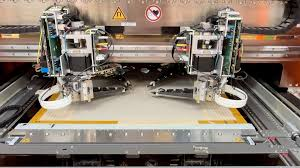
Automation is frequently integrated into modern immersion silver plating equipment to enhance consistency and minimize the potential for human error. For high-volume manufacturing, conveyorized systems are often employed, capable of processing multiple PCBs simultaneously, which ensures both efficiency and repeatability.
Advantages, Limitations, and Best Practices for Immersion Silver
Advantages and Limitations
Understanding both the benefits and drawbacks of immersion silver plating is crucial for determining if it is the most appropriate choice for your specific PCB project.
Key advantages include:
● High Conductivity: Makes it ideal for high-speed signal transmission, with minimal signal loss even at frequencies exceeding 1 GHz.
● Cost-Effective: Offers a more economical solution than other premium finishes while delivering comparable performance characteristics.
● Flat Surface Finish: Supports the precise placement of fine-pitch components and facilitates accurate automated assembly.
However, there are also limitations:
● Tarnishing Risk: Silver is inherently susceptible to oxidation and tarnishing when exposed to environmental contaminants like sulfur or chlorine. This can reduce its shelf life to typically 6-12 months if not stored under strictly controlled conditions.
● Not Ideal for Harsh Environments: Compared to some other finishes, it offers less durability in conditions characterized by high humidity or corrosive atmospheres.
Best Practices for Manufacturing with Immersion Silver
To ensure optimal results when using immersion silver plating, consider implementing the following best practices:
● Proper Storage: Finished PCBs should be stored in sulfur-free, low-humidity environments to actively prevent tarnishing. Vacuum-sealed packaging, often accompanied by desiccants, can significantly extend shelf life.
● Consistent Bath Maintenance: Regularly monitor and replenish the chemical components of the plating bath to maintain consistent chemistry, which is vital for preventing defects and ensuring uniform deposition.
● Rigorous Quality Control: Implement strict inspection protocols at various stages to identify and address any defects early, ensuring full compliance with industry standards such as IPC-4553A.
● Process Optimization: Continuously fine-tune immersion times and bath temperatures based on the specific requirements of each project to achieve the desired and consistent silver layer thickness.
Conclusion
The immersion silver plating process offers a highly reliable and cost-effective solution for PCB manufacturing, providing excellent electrical conductivity and an exceptionally flat surface finish, both of which are critical for modern electronic devices. By diligently following each of the detailed immersion silver plating steps—from the initial surface preparation to the final comprehensive inspection—manufacturers can consistently achieve high-quality results that precisely meet the exacting demands of their projects. A deep understanding of the immersion silver plating chemistry and the proper utilization of specialized immersion silver plating equipment are fundamental to success in this process. While this finish does have some inherent limitations, such as its susceptibility to tarnishing over time, these issues can be effectively mitigated through appropriate handling and storage protocols, thus making it a highly versatile choice for a wide array of applications. At AIVON, we are deeply committed to assisting you in navigating the complexities of PCB manufacturing. Whether your needs involve exploring immersion silver or evaluating other advanced surface finishes, our extensive expertise and cutting-edge facilities are readily available to support your requirements. Embark confidently into the world of immersion silver PCB manufacturing, empowered by comprehensive knowledge and robust resources to ensure your success.