Introduction
The automotive sector faces escalating demands for electronic components due to the rise of electric vehicles, autonomous driving technologies, and connected systems. Printed circuit boards serve as the foundational platform for these electronics, integrating complex circuits that must withstand harsh operating conditions. High-volume production requirements mean manufacturers must scale operations without compromising quality or reliability. Evaluating PCB manufacturing capacity ensures suppliers can meet automotive electronic volume production needs efficiently. This assessment involves scrutinizing production throughput, process stability, and scalability factors specific to automotive applications. Engineers rely on such evaluations to mitigate supply chain risks and support just-in-time delivery models.
Understanding PCB Manufacturing Capacity in the Automotive Context
PCB manufacturing capacity refers to the maximum output a facility can achieve while maintaining specified quality levels over sustained periods. In automotive applications, this capacity must align with production volumes often exceeding millions of units annually per model line. Factors like multilayer stackups, fine-line features, and controlled impedance requirements amplify the complexity. Automotive electronic volume production demands facilities equipped for high-scale PCB production, where downtime directly impacts vehicle assembly schedules. Capacity is not merely about square footage or machine count but encompasses yield rates, material flow, and workforce efficiency. Engineers assess this through metrics that reflect real-world throughput under automotive stress tests.
High-scale PCB production for vehicles prioritizes consistency across batches, as variability can lead to field failures in safety-critical systems. Manufacturing capacity automotive PCB evaluation focuses on the ability to ramp up from prototypes to full-scale runs seamlessly. This involves balancing front-end processes like drilling and plating with back-end steps such as routing and testing. Standards like IPC-6012E provide benchmarks for qualification, ensuring boards meet rigid performance criteria. Without adequate capacity, delays cascade through the supply chain, affecting OEM launch timelines.
Key Technical Factors Influencing High-Volume PCB Production
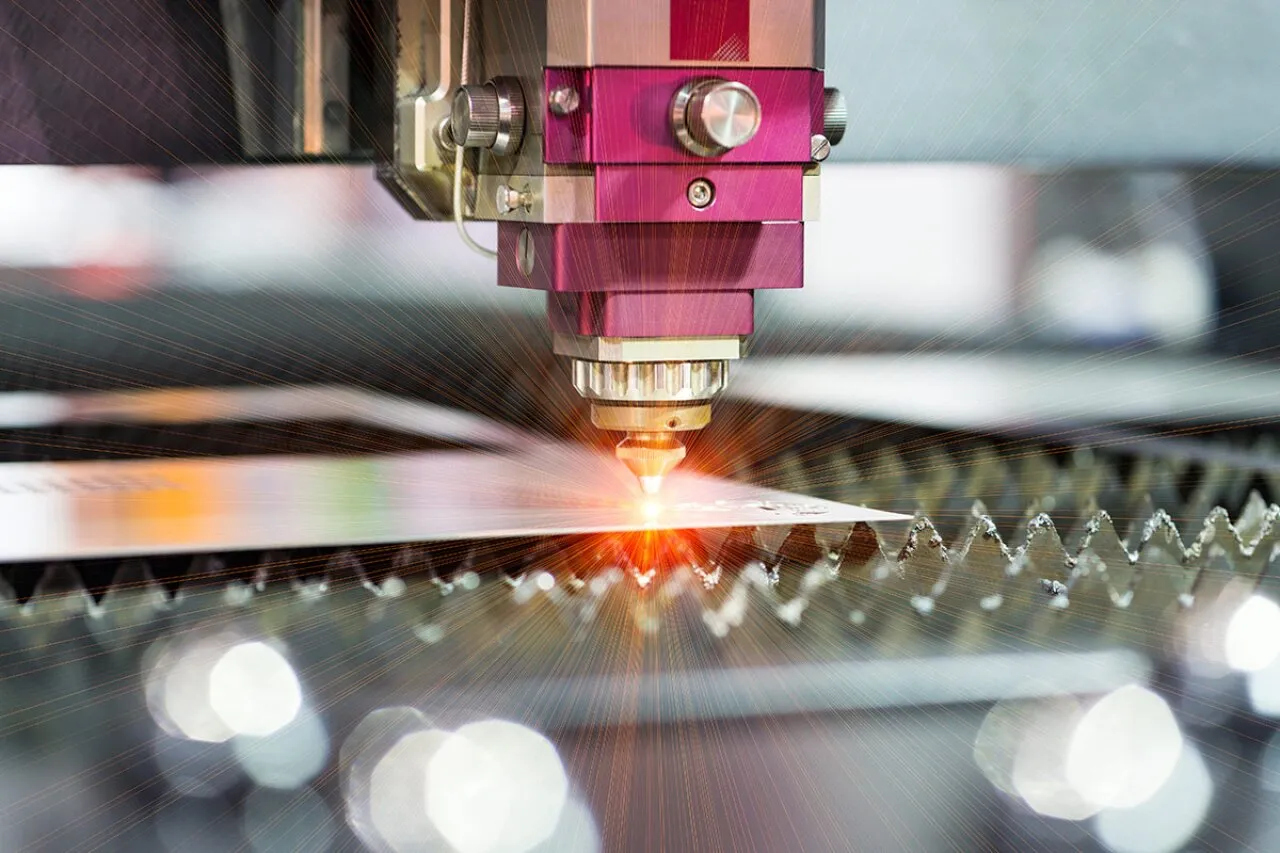
Several engineering principles govern PCB manufacturing volume in automotive settings. Drilling precision for high-density interconnects sets the pace, as microvias require advanced laser or mechanical drills operating at high speeds. Plating processes, including electroless copper and panel electroplating, must handle large panels without defects like dog-boning or overplating. Etching control ensures line widths below 50 microns remain uniform, critical for signal integrity in high-speed automotive buses. These steps form a sequential bottleneck where capacity hinges on equipment uptime and process windows. Thermal management during lamination, using controlled press cycles, prevents warpage that could derail high-volume yields.
Material selection further dictates manufacturing capacity automotive PCB feasibility. Automotive boards often use low-loss dielectrics with tight CTE matching to survive thermal cycling from -40°C to 150°C. Solder mask application and surface finishes like ENIG or OSP must scale without pinholes or oxidation issues. Quality checkpoints, aligned with IPC-A-600K acceptability criteria, filter out nonconformities early. Engineers model capacity using overall equipment effectiveness (OEE), factoring in availability, performance, and quality rates. In high-scale PCB production, optimizing these yields over 95% becomes essential for economic viability.
Process automation plays a pivotal role in sustaining PCB manufacturing volume. Automated optical inspection (AOI) systems scan for defects at rates exceeding 100 panels per hour, enabling real-time feedback loops. Solder paste printing and reflow profiling adapt to volume surges via inline monitoring. Cleanroom environments control particulates to ISO standards, preventing ionic contamination that plagues automotive reliability. Capacity evaluation includes simulating peak loads to verify throughput without queue buildup. These mechanisms ensure automotive electronic volume production remains robust against demand fluctuations.
Metrics and Methods for Evaluating Manufacturing Capacity
Engineers evaluate manufacturing capacity automotive PCB through quantifiable metrics like cycle time per panel, from raw material to final test. Throughput capacity, measured in square meters per day, accounts for panel sizes typical in automotive ECUs, often 18x24 inches. Yield tracking via statistical process control (SPC) charts reveals process stability across shifts. Scalability testing involves stress runs at 150% nominal volume to expose hidden constraints. Lead time from order to shipment, ideally under 4 weeks for high-volume, serves as a holistic indicator. These metrics provide data-driven insights into PCB manufacturing volume potential.
Facility audits delve into infrastructure supporting high-scale PCB production. Production line configuration, whether single-flow or parallel, determines flexibility for mixed stackups. Warehouse automation for material kitting reduces handling errors in volume runs. Power and water consumption metrics reflect sustainability in capacity planning. Engineers use capacity planning software to forecast based on historical OEE data. Validation against ISO 9001:2015 quality management principles confirms systemic readiness.
Testing throughput is a critical bottleneck in automotive electronic volume production. Flying probe and bed-of-nails testers must process 1000+ boards hourly without false calls. Environmental stress screening, including thermal shock and vibration, verifies compliance pre-shipment. Capacity models incorporate test coverage percentages, aiming for 100% on critical nets. Engineers prioritize facilities with inline X-ray for BGA voids and impedance analyzers for high-speed lines. This comprehensive evaluation ensures sustained high-volume output.
Best Practices for Scaling Automotive PCB Production
To achieve reliable PCB manufacturing volume, implement modular production lines that allow quick changeovers between automotive variants. Standardize panel layouts to maximize nesting efficiency, reducing scrap in high-scale runs. Predictive maintenance on critical assets like exposure units prevents unplanned downtime. Cross-training operators enhances flexibility during volume peaks. Integrating ERP systems for real-time capacity visibility optimizes scheduling. These practices align factory operations with automotive just-in-time imperatives.
Quality escalation protocols safeguard manufacturing capacity automotive PCB integrity. Layer-to-layer registration tolerances below 50 microns require precise lamination cycles. Bow and twist measurements post-bake ensure flatness for automated assembly. Implementing six-sigma methodologies minimizes variation in plating thickness. Supplier qualification for raw materials extends capacity reliability upstream. Engineers document these in process control plans for audit readiness.
Collaboration with OEMs refines high-scale PCB production forecasts. Joint capacity reviews incorporate volume ramps for new models. Flexible tooling strategies accommodate design evolutions without full retooling. Energy-efficient processes support 24/7 operations sustainably. Regular mock audits simulate customer inspections, honing response times. These best practices elevate PCB manufacturing volume to meet automotive demands consistently.
Challenges in High-Volume Production and Practical Solutions
High-scale PCB production encounters raw material volatility, where resin shortages constrain lamination throughput. Diversifying suppliers and holding strategic stocks mitigate this. Equipment obsolescence risks capacity plateaus; phased upgrades maintain competitiveness. Workforce skill gaps in fine-pitch handling demand ongoing training programs. Yield dips from process drifts require automated SPC alerts. Addressing these ensures automotive electronic volume production resilience.
Environmental compliance adds layers to capacity evaluation. RoHS and REACH directives influence finish selections, impacting throughput. Waste minimization through zero-discharge etching loops boosts efficiency. Thermal profiling for lead-free solders prevents head-in-piston defects at volume. Engineers leverage design for manufacturability (DFM) feedback loops early. Solutions like these fortify manufacturing capacity automotive PCB against multifaceted challenges.
Conclusion
Evaluating PCB manufacturing capacity is essential for fulfilling automotive sector needs amid surging electronic integration. Key factors like process throughput, yield optimization, and scalability metrics guide informed decisions. Best practices in automation, quality control, and forecasting enable high-volume success. By focusing on standard-aligned operations, facilities achieve reliable PCB manufacturing volume. Engineers benefit from structured assessments that align supply with demand. Ultimately, robust capacity ensures innovation in automotive electronics proceeds uninterrupted.
FAQs
Q1: How does PCB manufacturing volume impact automotive production timelines?
A1: PCB manufacturing volume directly influences lead times for electronic control units in vehicles. High-scale PCB production facilities with proven throughput minimize delays in assembly lines. Engineers assess cycle times and OEE to predict scalability. Capacity mismatches can cascade into weeks-long backlogs, affecting model launches. Optimizing for automotive electronic volume production ensures synchronized supply chains. (62 words)
Q2: What metrics are critical for manufacturing capacity automotive PCB evaluation?
A2: Key metrics include panels per day, yield rates above 98%, and OEE exceeding 85%. Throughput testing under peak loads verifies high-volume sustainability. Engineers track bow and twist per IPC standards alongside test coverage. Lead time reductions signal robust capacity. These data points guide procurement for automotive electronic volume production. (58 words)
Q3: Why is process yield vital in high-scale PCB production?
A3: Process yield determines economic feasibility in high-scale PCB production, as rework erodes capacity. Automotive applications demand near-perfect boards for reliability. SPC monitoring per ISO 9001 principles catches drifts early. High yields enable faster ramps to PCB manufacturing volume targets. Engineers prioritize this for cost-effective automotive electronic volume production. (54 words)
Q4: How can facilities scale for automotive electronic volume production?
A4: Facilities scale via parallel lines, automation upgrades, and material flow optimization. Predictive analytics forecast demand surges in manufacturing capacity automotive PCB. Training and DFM integration support seamless volume increases. Regular audits confirm adherence to quality benchmarks. This approach sustains high-scale PCB production reliably. (52 words)
References
IPC-6012E — Qualification and Performance Specification for Rigid Printed Boards. IPC, 2017
IPC-A-600K — Acceptability of Printed Boards. IPC, 2020
ISO 9001:2015 — Quality Management Systems. ISO, 2015