Why Do Electronic Engineers Need to Understand REACH Regulations for PCBs?
For professionals involved in designing and manufacturing Printed Circuit Boards (PCBs), a thorough understanding of REACH (Registration, Evaluation, Authorization, and Restriction of Chemicals) is indispensable. This European Union regulation, established in 2007, aims to safeguard human health and the environment from potentially harmful chemical substances. Its scope extends across various industries, including electronics, where PCBs are a core component.
The implications of REACH are far-reaching, influencing everything from the initial selection of materials to the intricate details of supply chain management. Non-compliance can lead to severe consequences, such as market access restrictions within the EU, significant financial penalties, and even product recalls. By proactively integrating REACH compliance into PCB design, engineers can ensure their products not only meet international safety benchmarks but also remain viable for sale in the lucrative European market and align with similar regulations globally.
What Are the Core Principles of REACH Regulations for PCB Materials?
To effectively navigate REACH, it's crucial to grasp its fundamental principles, particularly as they apply to PCBs. The regulation mandates that companies producing or importing chemical substances in quantities exceeding one ton per year must register these substances with the European Chemicals Agency (ECHA). A critical aspect of REACH is the identification and management of Substances of Very High Concern (SVHCs)—chemicals that pose significant risks, such as being carcinogenic, mutagenic, or toxic for reproduction.
Understanding SVHCs and the Candidate List
SVHCs are regularly added to the REACH Candidate List, and their presence in PCBs can stem from various sources, including solder compositions, protective coatings, or flame retardants used during fabrication. If a PCB contains an SVHC in a concentration greater than 0.1% by weight, manufacturers are obligated to inform ECHA and provide customers with comprehensive information on safe usage.
This necessitates that engineers maintain constant vigilance over the evolving Candidate List and collaborate closely with suppliers to verify the chemical makeup of all materials. Establishing robust documentation practices to substantiate compliance is key, preventing potential market entry delays or penalties.
How Does REACH Influence PCB Design and Material Selection?
Achieving REACH compliance in PCB design must be an integral part of the product development cycle, starting from the earliest conceptual stages. Engineers must carefully evaluate all materials and components specified in their designs to ensure they do not contain restricted substances.
Key Design Considerations for Compliance
● Material Selection: Prioritize materials that are free from SVHCs and other restricted chemicals. For example, choose flame retardants that are not polybrominated biphenyls (PBBs), which are regulated under REACH, opting instead for safer alternatives that still meet performance specifications.
● Supplier Collaboration: Establish strong partnerships with suppliers who can furnish detailed material declarations and attest to their products' REACH compliance. This includes obtaining Safety Data Sheets (SDS) for every chemical utilized in PCB manufacturing.
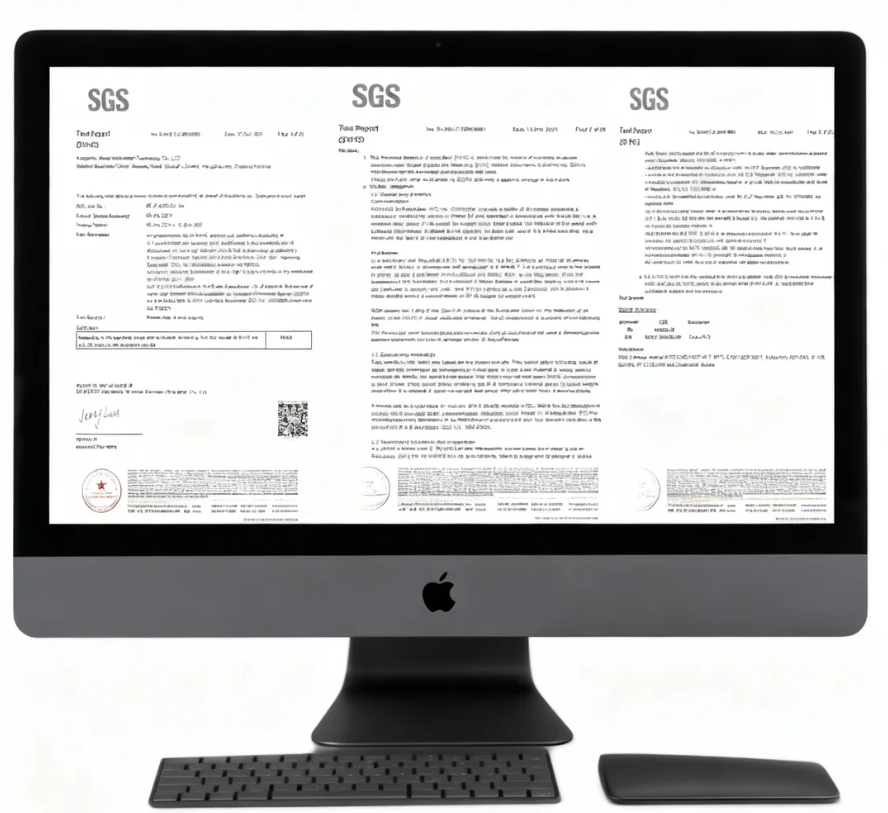
● Documentation and Testing: Maintain meticulous records of all materials employed in PCB designs, as this documentation is vital for demonstrating compliance upon request from regulatory bodies. Additionally, conduct routine testing, often through third-party laboratories, to confirm that no restricted substances exceed allowable limits in your PCBs.
What is the "REACH Certification" Process for Printed Circuit Boards?
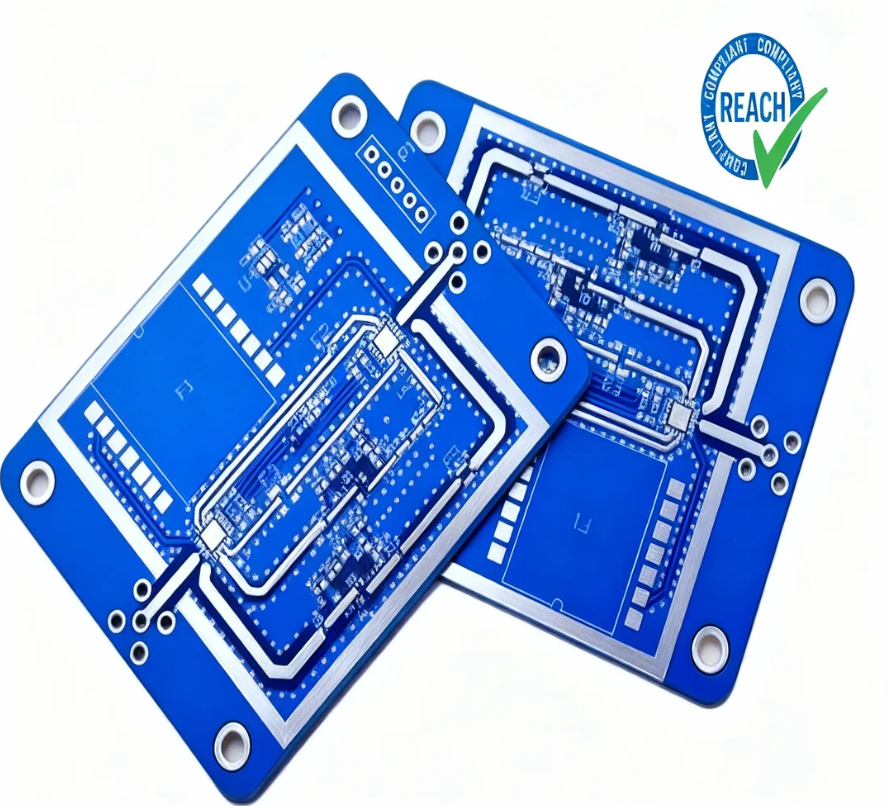
It's important to clarify that REACH does not involve a singular "certification" in the traditional sense. Instead, "REACH certification" for PCBs refers to an ongoing process of adherence to the regulation's various requirements, encompassing thorough documentation, vigilant reporting, and strict adherence to established guidelines.
Steps to Ensure Ongoing Compliance
● Substance Identification: Regularly review the REACH Candidate List and Annex XVII (the list of restricted substances) to pinpoint any chemicals within your PCB mass production workflow that might be regulated. This includes components in solders, laminates, and coatings.
● Quantity Assessment: Determine if you produce or import any substances in annual quantities of one ton or more, as this may trigger registration requirements with ECHA.
● ECHA Notification: If your PCB (classified as an "article" under REACH) contains an SVHC above 0.1% by weight, you must notify ECHA within six months of that substance being added to the Candidate List.
● Customer Communication: Provide clear, safe-use instructions to downstream users if SVHCs are present in your products, fostering transparency throughout the supply chain.
● Substitution Efforts: Whenever feasible, replace SVHCs with safer alternatives to lighten compliance burdens and enhance product safety.
● Record Keeping: Maintain comprehensive compliance records, including material declarations, test reports, and ECHA notifications, for a minimum of 10 years.
How Does REACH Impact the Materials Commonly Used in PCBs?
The influence of REACH on PCB materials is substantial, necessitating a re-evaluation of many conventional choices in manufacturing. Engineers must adapt to these changes by adopting compliant alternatives.
Material Adaptations for REACH Compliance
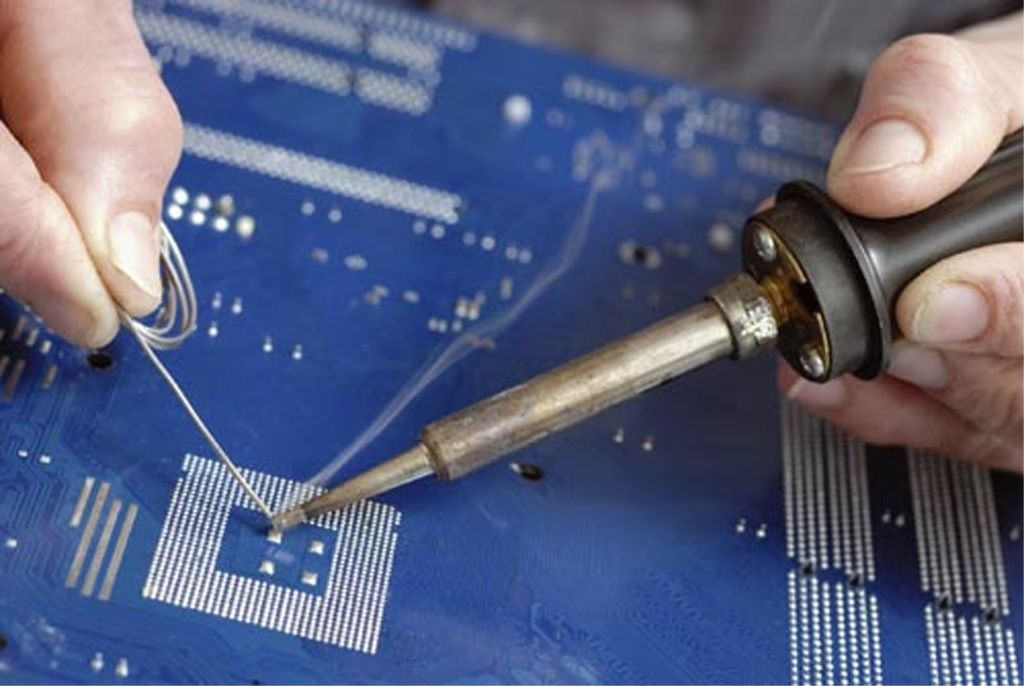
● Solder Alloys: Traditional lead-based solders, while reliable, are restricted under REACH and related directives. Engineers must transition to lead-free alternatives, such as tin-silver-copper (SAC) alloys. For instance, SAC305 solder, with a melting point around 217°C, offers excellent performance while adhering to REACH standards.
● Flame Retardants: Certain brominated flame retardants (e.g., PBBs, PBDEs) are categorized as SVHCs. The shift is towards halogen-free laminates and coatings that provide fire safety without compromising REACH compliance.
● Surface Finishes: Some surface finishes containing nickel compounds may be restricted. Alternatives like immersion tin or Electroless Nickel Immersion Gold (ENIG) provide comparable corrosion resistance while meeting regulatory guidelines.
● Substrate Materials: Hazardous substances can also be found in specific epoxy resins within PCB substrates. Selecting REACH-compliant laminates, particularly those certified as halogen-free, ensures a safer end product.
What Are the Advantages of Achieving REACH Compliance for PCB Manufacturers?
While the process of achieving REACH compliance might appear to be a regulatory hurdle, it actually presents numerous strategic advantages for electronic engineers and PCB manufacturers.
Benefits of Proactive Compliance
● Market Access: Compliance guarantees that types of PCBs can be sold in the European Union, a critical market, and aligns with similar regulations worldwide, expanding your global commercial reach.
● Enhanced Safety Profile: By minimizing the use of hazardous chemicals, REACH fosters a safer environment for workers and consumers alike, leading to more secure products and workplaces.
● Reputational Gain: A demonstrable commitment to REACH compliance strengthens trust among customers and partners, solidifying your company's standing as a responsible and dependable industry participant.
● Future-Proofing Designs: Embracing REACH-compliant materials and processes inherently prepares your designs for forthcoming regulatory shifts, thereby reducing the need for costly redesigns or potential product recalls down the line.
By recognizing REACH as an opportunity rather than merely a challenge, engineers can utilize compliance as a catalyst for innovation and a means to gain a significant competitive edge in the electronics market.