Why Is Proper Prepreg Storage Crucial for PCB Quality?
Prepreg, an abbreviation for pre-impregnated composite fibers, serves as a vital material in the manufacturing of printed circuit boards (PCBs). It functions as the insulating layer that securely binds copper cores and ensures the structural integrity of the board. However, improper storage can lead to the degradation of prepreg, resulting in compromised PCB quality, delamination, or even complete failure during the assembly process. For engineers, understanding the optimal storage conditions and the precise shelf life of prepreg is essential for maintaining high-quality PCB production standards and avoiding costly rework. This article explores the best practices for storing prepreg, examines the various factors that influence its shelf life, and provides actionable steps to ensure material reliability, drawing upon established industry standards and practical insights.
Understanding Prepreg and Its Environmental Sensitivity
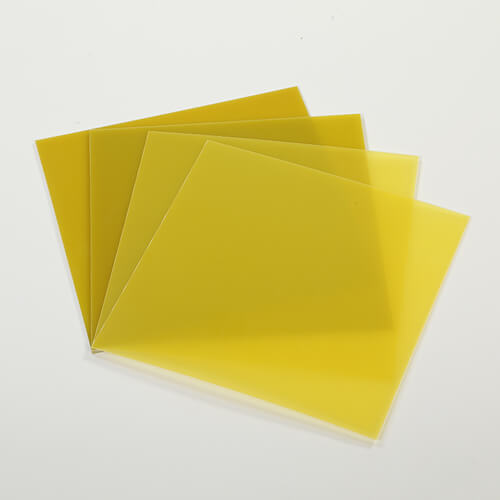
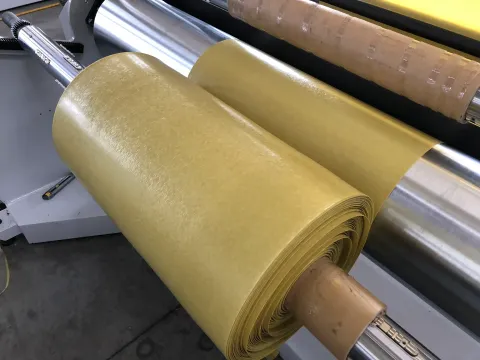
Prepreg is a composite material made from woven fiberglass that has been impregnated with resin. It is partially cured (referred to as the B-stage), which allows it to remain pliable and suitable for the PCB lamination process. This material acts as a dielectric layer, providing crucial electrical insulation between conductive copper layers while also contributing significantly to the mechanical strength of the board. The resin within prepreg is highly sensitive to environmental factors such as temperature, humidity, and light. Exposure to these elements can trigger premature curing, moisture absorption, or general material degradation.
Improper storage conditions can lead to several critical issues:
● Moisture Absorption: Excessive humidity causes prepreg to absorb water, which can lead to delamination during subsequent reflow soldering processes.
● Premature Resin Curing: High temperatures can accelerate the resin's curing process, prematurely advancing its polymerization and reducing the material's usability and flow properties during lamination.
● Material Degradation: Exposure to ultraviolet (UV) light or various contaminants can chemically weaken the prepreg's structural and adhesive properties.
These issues collectively compromise PCB reliability, potentially resulting in defects such as poor adhesion between layers, voids, or electrical failures. Therefore, proper storage is paramount to preserving prepreg quality and ensuring consistent manufacturing outcomes.
What Are the Optimal Environmental Conditions for Prepreg Storage?
To maximize the shelf life of prepreg and consistently maintain its performance characteristics, specific storage conditions must be rigorously followed. These conditions align with industry standards, such as IPC-1601A, which provides comprehensive guidelines for handling and storing PCB materials.
Controlled Temperature Requirements
Prepreg should be stored at a carefully controlled temperature, typically maintained between 0°C and 10°C (32°F to 50°F). This cool environment is essential for slowing down the resin's curing process. Higher temperatures accelerate these chemical reactions, significantly reducing the material's usability window. For example, at 25°C (77°F), the shelf life of some prepregs can decrease by as much as 50% compared to storage at 5°C (41°F).
● Refrigeration: Always store prepreg in a dedicated refrigerator or a cold storage unit equipped with consistent temperature monitoring systems.
● Avoid Freezing: Temperatures below 0°C can cause condensation to form on the material when it is removed from storage, leading to detrimental moisture issues.
Humidity Control for Moisture Prevention
Humidity poses a significant threat to prepreg quality, as moisture absorption can lead to critical defects during the lamination process. It is crucial to maintain a relative humidity (RH) level between 40% and 65% within the storage environment.
● Desiccants: Utilize desiccants or other moisture-absorbing materials within storage containers to actively maintain low humidity levels.
● Vacuum Packaging: Seal prepreg in specialized moisture-barrier bags to effectively prevent any exposure to ambient humidity.
Minimizing Light Exposure and Contamination
UV light can cause degradation of the resin in prepreg, leading to it becoming brittle or losing its essential adhesive properties. Therefore, store prepreg in opaque containers or designated dark rooms to minimize any light exposure. Furthermore, dust, oils, and other airborne contaminants can severely compromise prepreg quality.
● Clean Handling: Always use gloves and static guards when handling prepreg to prevent contamination from skin oils or static discharge.
● Sealed Storage: Employ vacuum-sealed bags or airtight containers to provide protection against dust and other environmental debris.
What Factors Determine the Shelf Life of Prepreg?
The shelf life of prepreg can vary considerably depending on its specific material type, the resin system used, and the precise storage conditions. Most manufacturers specify a shelf life ranging from 3 to 12 months when the material is stored under optimal conditions. For example:
● Standard Epoxy Prepreg: Typically offers a shelf life of 6-12 months when stored at 5°C and 50% RH.
● High-Tg Prepreg: Often has a shorter shelf life, generally 3-6 months, due to its more reactive resin systems.
● Polyimide Prepreg: Usually lasts 6-9 months under strictly controlled storage conditions.
Key Influencers of Shelf Life
Several factors directly influence how long prepreg remains usable:
● Resin Type: Resins that are more reactive, such as those utilized in high-Tg or low-loss prepregs, naturally possess shorter shelf lives due to their faster inherent curing rates.
● Storage Conditions: Any deviation from the manufacturer's recommended temperature and humidity levels can reduce the material's shelf life by 20-50%.
● Packaging Quality: Inadequate sealing or prolonged exposure to air can significantly accelerate material degradation.
● Handling Frequency: Frequent handling increases the risk of both contamination and unwanted moisture absorption.
Date Codes and Traceability
Prepreg manufacturers mark their materials with a four-digit date code (e.g., 0325, indicating the third week of 2025) to denote either the manufacturing or the expiration date. Engineers must verify this date code before using the material to ensure that the prepreg is well within its specified shelf life. The IPC-1601A standard recommends consistent date code practices to maintain full traceability throughout the production process.
What Are the Best Practices for Maximizing Prepreg Usability?
To extend the usability of prepreg and ensure consistent performance, implement these actionable best practices.
Strategies for Extending Prepreg Shelf Life
● Adhere to Manufacturer Guidelines: Always follow the prepreg supplier's specific storage recommendations, as different resin systems require varying conditions. For example, some suppliers may specify a maximum storage temperature of 7°C for certain high-performance prepregs.
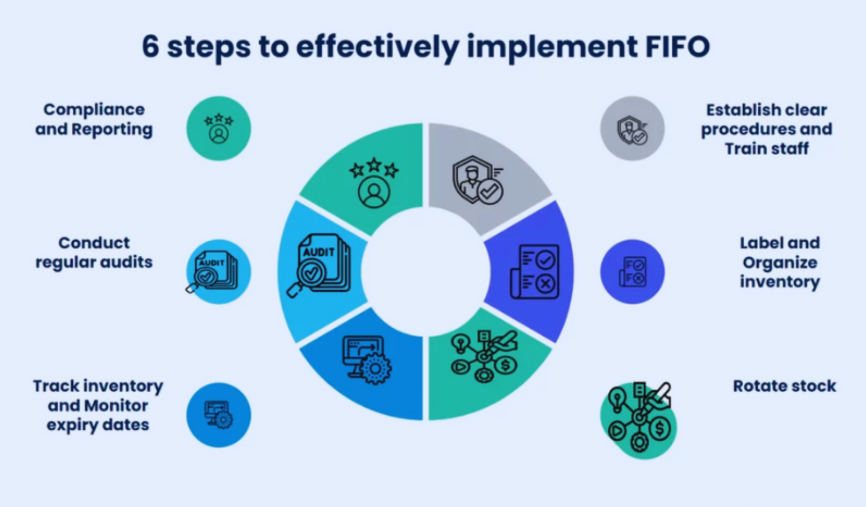
● Implement FIFO Inventory Management: Employ a First-In, First-Out (FIFO) system to ensure that older prepreg stock is used before newer deliveries, effectively minimizing the risk of material expiration.
● Monitor Storage Conditions Continuously: Install temperature and humidity sensors within storage units, preferably with alarm systems, to immediately detect any deviations from the set parameters. For instance, a 5% increase in humidity above 65% can potentially reduce shelf life by several weeks.
● Pre-Dry Before Use: If prepreg has been stored for more than 3 months or if there's any suspicion of humidity exposure, bake it at 100-125°C for 2-4 hours to effectively remove any absorbed moisture. Ensure that the temperature remains below the material's glass transition temperature (Tg) to prevent damage.
● Minimize Handling: Limit direct handling of prepreg to reduce the risk of contamination. Adhere to strict cleanroom protocols and use static-safe gloves to maintain the material’s integrity.
● Test Before Use: For prepreg nearing the end of its shelf life, conduct solderability tests or resin flow tests to verify its continued usability. A resin flow test, for example, can measure the material's ability to bond properly during lamination, ensuring it still meets all specified requirements.
What Are the Risks of Using Expired Prepreg?
Utilizing prepreg beyond its recommended shelf life can lead to significant and detrimental issues in PCB manufacturing, severely impacting reliability and performance.
Consequences of Expired Prepreg
● Delamination: Moisture trapped within expired prepreg can vaporize rapidly during reflow soldering, causing the PCB layers to separate. This is particularly critical in multilayer PCBs (e.g., those with 4-12 layers), where delamination can severely disrupt signal integrity (e.g., causing impedance mismatches of 5-10 ohms).
● Poor Adhesion: The advanced curing state of expired resin reduces its ability to properly bond with copper, leading to weak lamination and potentially causing traces to lift.
● Electrical Failures: Accumulated moisture or contaminants can result in short circuits or dielectric breakdown, thereby significantly reducing the PCB's overall reliability in high-frequency applications (e.g., 5G devices operating at 3-6 GHz).
To mitigate these critical risks, always verify the prepreg’s condition before use and consider baking or responsibly scrapping expired materials.
What Industry Standards Govern Prepreg Storage?
The IPC-1601A standard provides comprehensive guidelines for the proper storage of PCB materials, including prepreg. Key recommendations from this standard include:
● Storing prepreg at 15-30°C for short-term periods (less than 30 days) and at 0-10°C for long-term storage.
● Maintaining a relative humidity of 40-65% to actively prevent moisture absorption.
● Using specialized moisture-barrier bags with desiccants for vacuum-sealed storage.
● Baking prepreg at 100-125°C before PCB board assembly if it has been stored for longer than 3 months.
Adhering to these industry standards ensures consistent quality and effectively minimizes production defects.
How AIVON Supports Effective Prepreg Management for Engineers
At AIVON, we fully comprehend the critical importance of reliable prepreg handling for achieving high-quality PCB production. Our advanced manufacturing facilities rigorously adhere to IPC-1601A standards, ensuring that prepreg is consistently stored in climate-controlled environments with precise temperature and humidity monitoring. With our efficient quick-turn PCB prototype services and robust global logistics, we streamline the entire supply chain, delivering prepreg-based PCBs with consistent and superior quality. Engineers can confidently rely on our extensive expertise to select the most appropriate prepreg materials and to effectively manage inventory, thereby significantly reducing the risks of material degradation and ensuring optimal performance across a wide range of applications, from consumer electronics to demanding aerospace systems.
Conclusion: Achieving Quality Results Through Optimized Prepreg Storage
Proper prepreg storage is a fundamental cornerstone of successful PCB manufacturing. By diligently controlling temperature, humidity, and light exposure, and by consistently following best practices such as FIFO inventory management and pre-drying protocols, engineers can effectively extend the shelf life of prepreg and ensure reliable PCB performance. Strict adherence to industry standards like IPC-1601A significantly minimizes the risks of delamination, poor adhesion, and electrical failures. By prioritizing these meticulous practices, manufacturers can achieve consistent quality, substantially reduce waste, and reliably deliver robust PCBs for even the most demanding applications. At AIVON, we are deeply committed to supporting engineers with the essential tools and expertise required to succeed at every stage of PCB production.