Introduction
In the realm of printed circuit board (PCB) manufacturing, drilling equipment plays a pivotal role in ensuring precision and quality. Proper maintenance of these machines and their components, such as drill bits, is essential for consistent performance and extended lifespan. Neglecting maintenance can lead to costly downtime, poor hole quality, and increased production errors. This article explores actionable tips and best practices for maintaining PCB drilling equipment, focusing on key areas like drill bit sharpening, machine maintenance schedules, and troubleshooting drilling errors. Aimed at electrical engineers and manufacturing professionals, the content provides technical insights to optimize equipment longevity and efficiency. By following industry standards and proven methods, manufacturers can enhance productivity while minimizing wear and tear on critical tools.
Why PCB Drilling Equipment Maintenance Matters
PCB drilling is a fundamental step in manufacturing, creating vias and through-holes essential for electrical connectivity. Equipment downtime or subpar performance directly impacts production schedules and board quality. Poorly maintained drill bits can cause inaccurate hole sizes, burr formation, or even board damage, leading to rejects or rework. Regular maintenance ensures precision, reduces operational costs, and extends the life of expensive machinery. It also minimizes safety risks associated with equipment failure. For engineers, understanding the importance of a structured maintenance approach is crucial to meeting stringent quality standards like those outlined in IPC-6012E, which governs rigid PCB performance specifications. Prioritizing upkeep is not just about repair but about sustaining manufacturing excellence.
Technical Principles of PCB Drilling Equipment Wear
Drilling equipment operates under high stress, with drill bits subjected to friction, heat, and mechanical force. Wear mechanisms include abrasive wear from contact with laminate materials, thermal degradation due to friction heat, and fatigue from repetitive stress cycles. Drill bits, often made of tungsten carbide for durability, still dull over time, affecting hole precision. Spindle motors and feed mechanisms in drilling machines can suffer from misalignment or bearing wear if not properly maintained. Dust and debris from drilling can accumulate, causing mechanical blockages or electrical issues in control systems. Understanding these wear principles helps engineers identify early signs of degradation and implement preventive measures to avoid major failures during production runs.
Best Practices for PCB Drilling Equipment Maintenance
Establishing a Drill Machine Maintenance Schedule
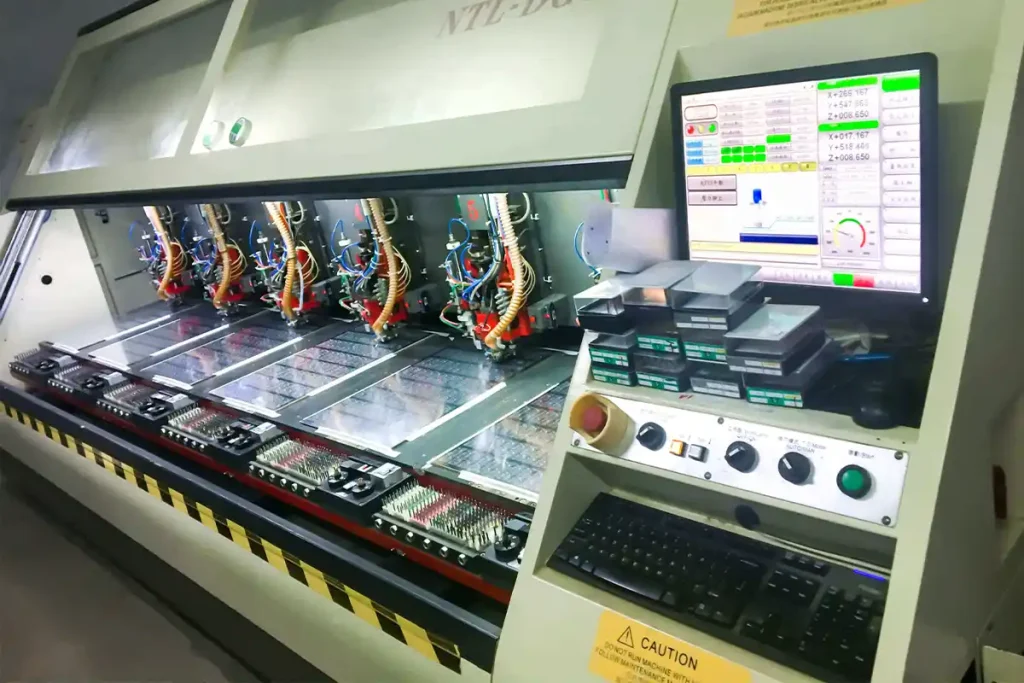
A consistent maintenance schedule is the foundation of equipment longevity. Daily checks should include inspecting for debris buildup around spindles and worktables, ensuring no obstruction in moving parts. Weekly tasks involve verifying spindle alignment and checking for unusual vibrations or noise, which could indicate bearing issues. Monthly maintenance should focus on calibrating feed rates and spindle speeds to maintain precision as per design specifications. Lubrication of moving components, following manufacturer guidelines, prevents excessive friction. Adhering to standards like ISO 9001:2015 for quality management ensures that maintenance processes are documented and repeatable, providing a framework for continuous improvement in equipment care.
PCB Drill Bit Sharpening Techniques
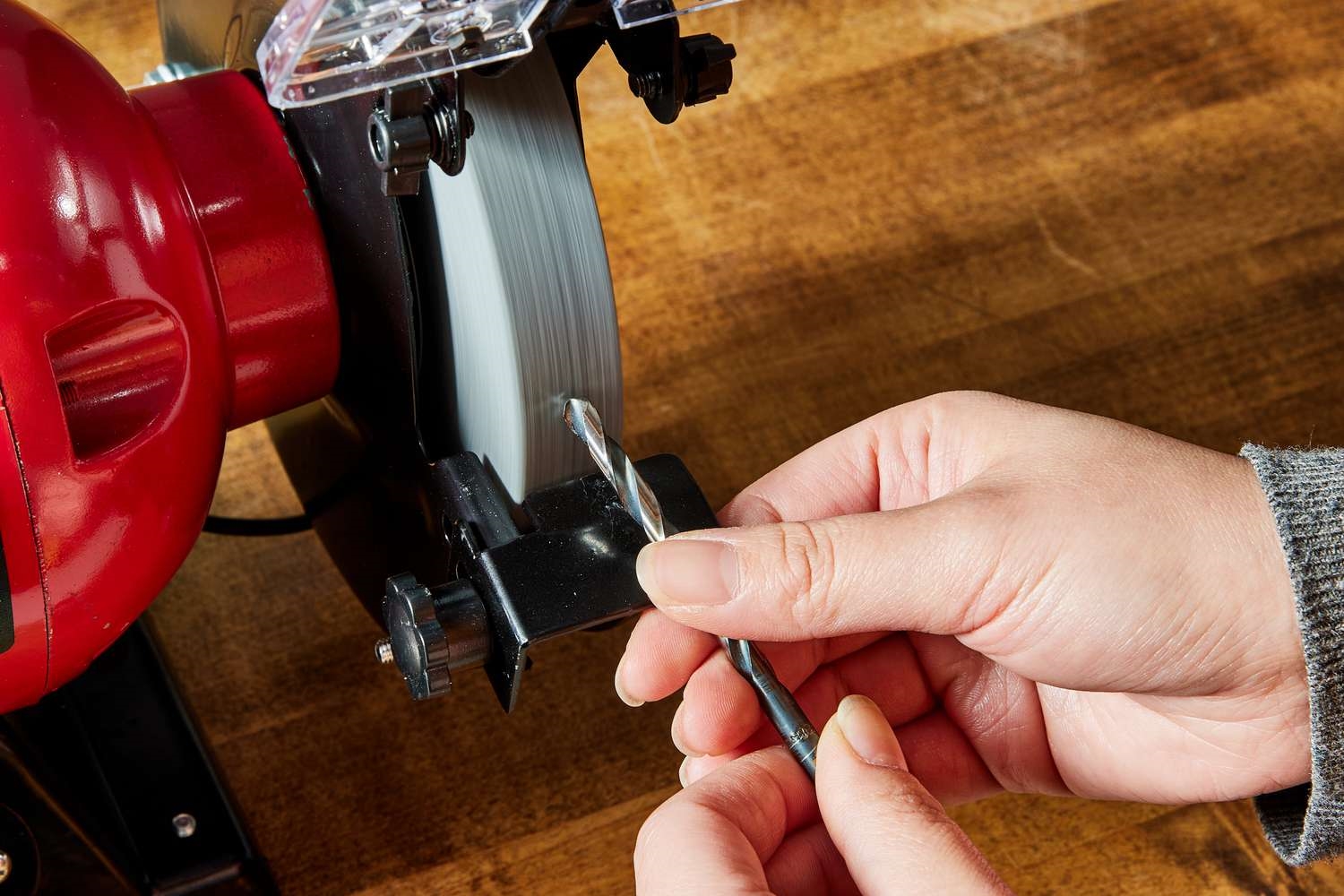
Drill bit sharpening is critical for maintaining hole quality and extending drill bit life. Dull bits lead to rough edges, increased heat, and potential board damage. Sharpening should be performed using specialized grinding tools designed for tungsten carbide bits, ensuring the correct cutting angle is maintained. Typically, a relief angle of about 12 to 15 degrees is optimal for most PCB materials, though this depends on specific bit geometry. Regular inspection under magnification can help identify wear patterns before sharpening. Over sharpening must be avoided as it reduces bit diameter, affecting hole accuracy. Engineers should track usage cycles to determine sharpening frequency, balancing cost and performance.
Extending Drill Bit Life Through Proper Usage
Beyond sharpening, extending drill bit life involves optimizing operational parameters. Using appropriate spindle speeds and feed rates reduces stress on the bit. For instance, harder laminates require slower feed rates to prevent chipping. Cooling techniques, such as air or mist systems, help dissipate heat during drilling. Storing bits in a clean, dry environment prevents corrosion or contamination. Avoiding excessive pressure during drilling minimizes the risk of breakage. Regular cleaning of bits after use removes resin buildup, which can dull cutting edges. These practices collectively ensure bits remain effective for longer periods, reducing replacement frequency.
Suggested Reading: What Type Of Drill Bits Should I Have When Drilling a PCB?
Lubricating PCB Drilling Equipment
Lubrication is vital for reducing friction in moving parts of drilling machines, such as spindles and linear guides. Use only lubricants specified for high speed machinery to avoid residue buildup that could attract dust. Apply lubrication sparingly to prevent excess accumulation, which might interfere with precision components. Focus on bearings and sliding mechanisms, ensuring even distribution. Periodic checks for lubricant degradation are necessary, as old or contaminated lubricant can cause more harm than good. Proper lubrication not only extends equipment life but also ensures smoother operation, maintaining the accuracy required for PCB mass production.
Troubleshooting Drilling Errors
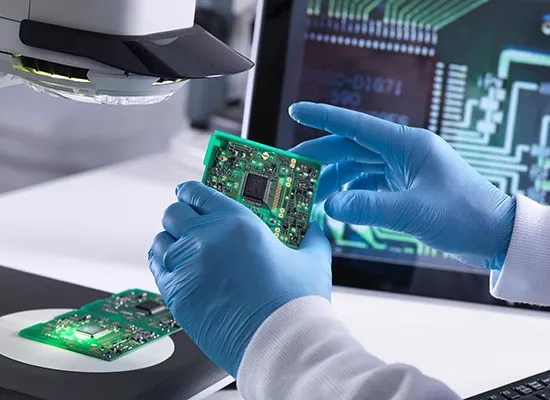
Drilling errors, such as misaligned holes or excessive burrs, often stem from equipment issues. Misalignment can result from spindle wear or improper setup. Engineers should verify machine calibration before each production run. Burrs may indicate a dull bit or incorrect feed rate, requiring immediate bit inspection or parameter adjustment. Hole wall roughness could signal inadequate cooling or debris buildup, necessitating cleaning and process optimization. Keeping a log of errors and corrective actions helps identify recurring issues. Following guidelines in IPC-A-600K for PCB acceptability ensures that drilling errors are caught early, preventing defective boards from advancing in production.
Preventive Strategies for Equipment Longevity
Preventive maintenance goes beyond reactive repairs. Implementing a dust extraction system minimizes debris accumulation, protecting both mechanical and electronic components. Regular software updates for CNC drilling systems ensure optimal performance and error detection. Training operators on correct machine handling reduces human induced wear. Periodic audits of maintenance logs, aligned with ISO 9001:2015, help identify gaps in upkeep routines. Spare parts for critical components, like spindles or drill bits, should be kept on hand to avoid delays during breakdowns. These strategies create a robust framework for sustaining equipment reliability over extended periods.
Conclusion
Maintaining PCB drilling equipment is a critical aspect of ensuring high quality production and operational efficiency. By adhering to a structured drill machine maintenance schedule, focusing on PCB drill bit sharpening, and employing best practices for extending drill bit life, manufacturers can significantly reduce downtime and costs. Lubricating PCB drilling equipment and troubleshooting drilling errors promptly further enhance longevity and precision. Electrical engineers and manufacturing teams must prioritize these practices to meet industry standards and maintain competitive output. A proactive approach to maintenance not only protects equipment but also upholds the integrity of the entire PCB manufacturing process.
FAQs
Q1: How often should PCB drill bit sharpening be performed to ensure quality?
A1: Drill bit sharpening frequency depends on usage and material type. For high volume production, inspect bits after every 500 to 1000 holes for wear. Sharpening should maintain the original geometry to ensure hole precision. Regular checks under magnification help determine the right timing, preventing overuse that could damage boards. Adhering to quality standards ensures consistent performance.
Q2: What is a recommended drill machine maintenance schedule for PCB equipment?
A2: A drill machine maintenance schedule should include daily debris cleaning, weekly spindle alignment checks, and monthly calibration of feed rates. Lubrication of moving parts must be done as per guidelines, often biweekly. Documenting these tasks under ISO 9001:2015 standards ensures consistency. This routine minimizes unexpected failures and sustains drilling accuracy.
Q3: How can I extend drill bit life in PCB drilling operations?
A3: Extending drill bit life involves optimizing spindle speed and feed rate for the material. Use cooling systems to reduce heat buildup. Clean bits after use to remove resin deposits. Store them in a dry, clean environment to prevent corrosion. Monitoring usage cycles and avoiding excessive pressure during drilling also preserves bit integrity.
Q4: What are common issues when troubleshooting drilling errors in PCB production?
A4: Common drilling errors include hole misalignment, burrs, and rough walls. Misalignment often stems from spindle wear, requiring calibration checks. Burrs indicate dull bits or incorrect speeds, needing immediate adjustment. Rough walls may result from inadequate cooling. Following IPC-A-600K standards helps identify and resolve these issues before they impact board quality.
References
IPC-6012E — Qualification and Performance Specification for Rigid Printed Boards. IPC, 2020.
IPC-A-600K — Acceptability of Printed Boards. IPC, 2020.
ISO 9001:2015 — Quality Management Systems. ISO, 2015.