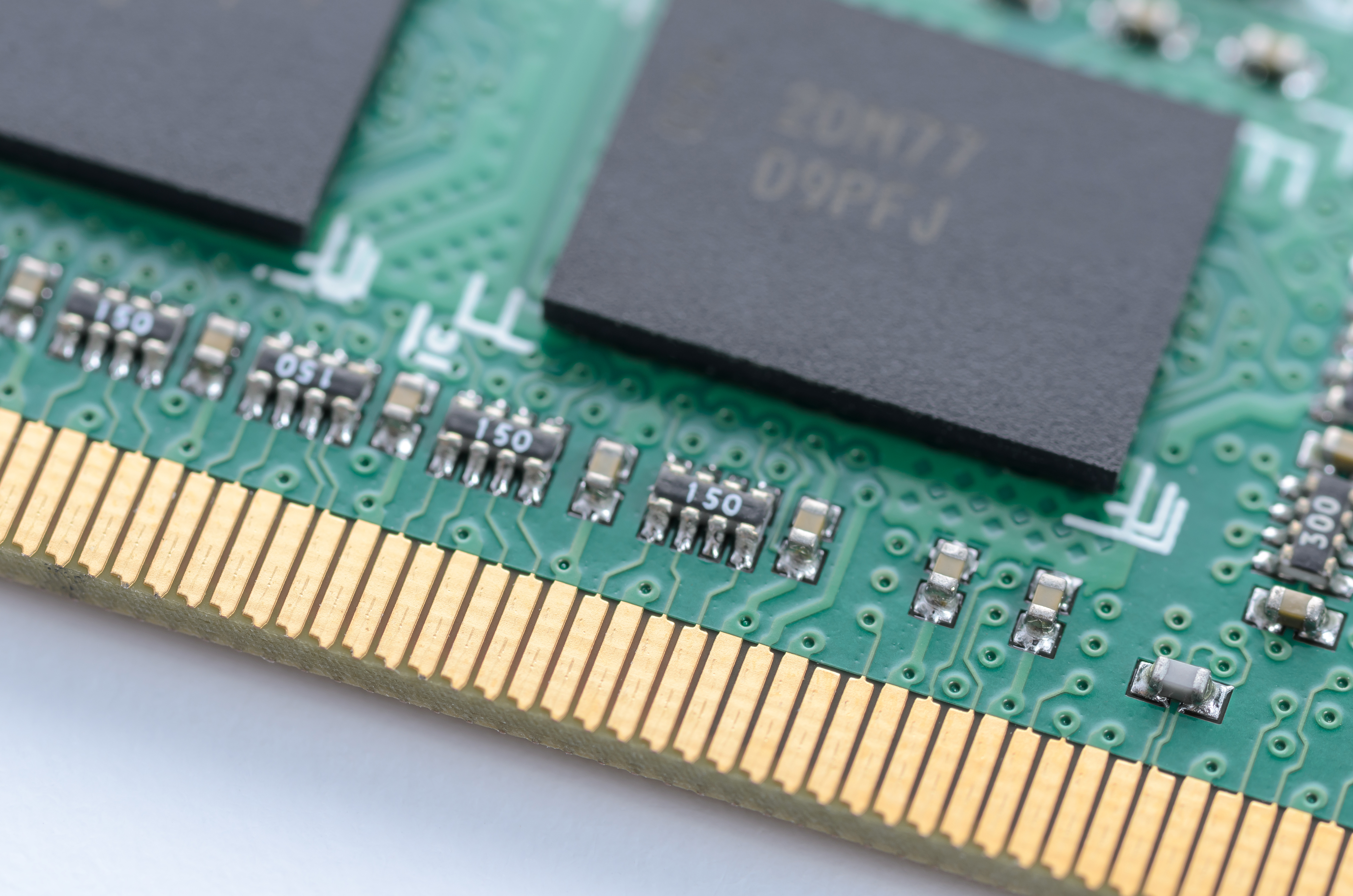
In the high-stakes world of medical devices—from wearable monitors tracking vital signs to implantable pacemakers sustaining lives—PCBs must perform flawlessly under constant scrutiny. As of November 2025, with the medtech market surpassing $500 billion globally, mass production demands not just volume but unwavering safety and reliability. Drawing from 15 years advising factories on compliant workflows, I've seen how a single contamination particle can derail FDA approvals or spike failure rates to 5%. Medical device PCB manufacturing standards like ISO 13485 and IPC Class 3 set the bar high, ensuring boards withstand sterilization cycles and 10-year lifespans.
This guide unpacks high reliability PCBs for medical applications, biocompatible PCB materials, PCB cleaning for medical devices, and PCB testing in medical contexts. Through factory examples and step-by-step best practices, we'll navigate mass production realities. Whether scaling insulin pumps or diagnostic tools, these strategies will help you hit 99% yields while prioritizing patient safety—because in medtech, reliability isn't optional; it's everything.
What is Medical Device PCB Mass Production and Why It Matters
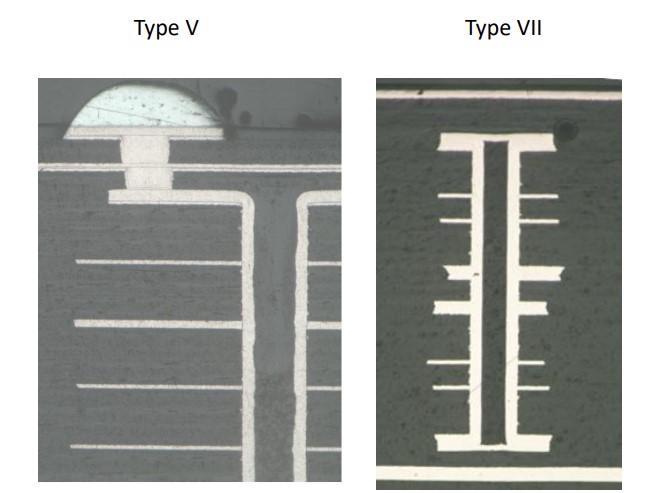
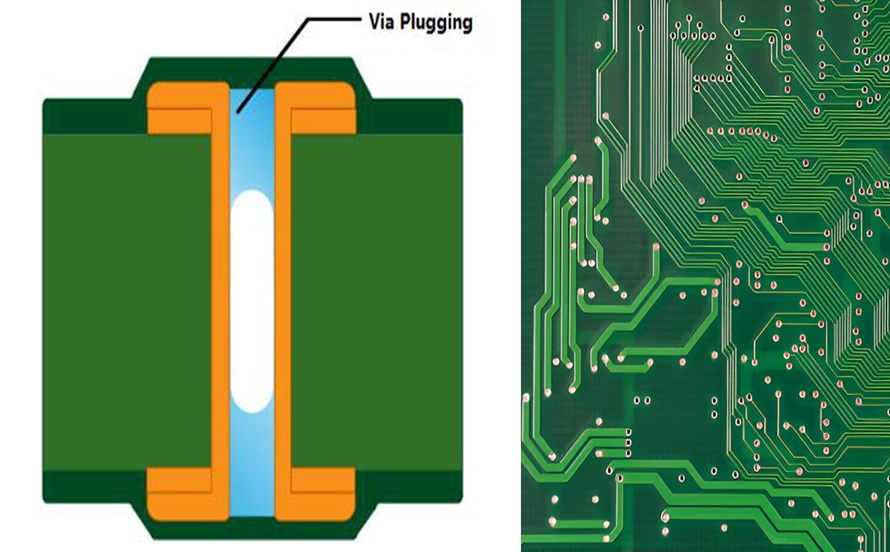
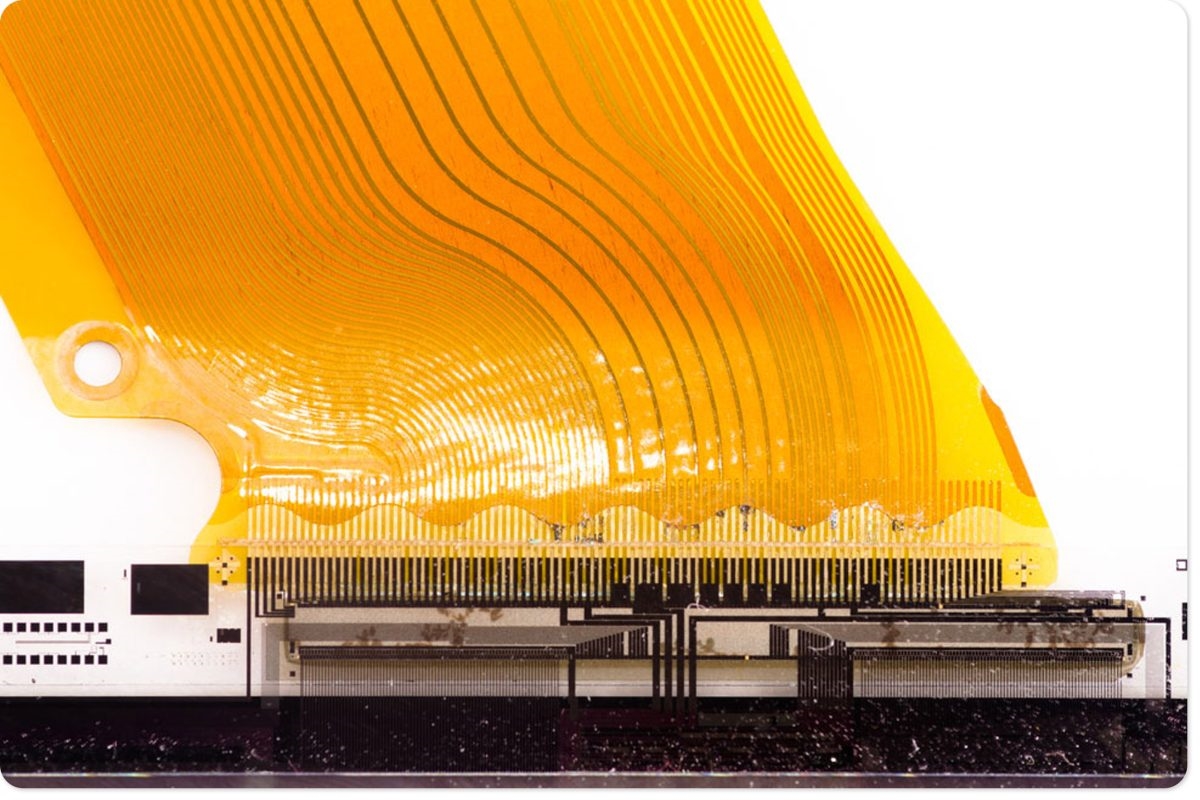
Medical device PCB mass production scales from prototypes to thousands of units, integrating rigid, flex, or rigid-flex boards with fine-pitch components (0.3 mm BGA) for compact diagnostics or wearables. These often 4-12 layer stacks use HDI vias (aspect ratio <8:1 per IPC-6012DS, Note 1) and finishes like ENIG (0.05 µm Au) for corrosion resistance.
It matters profoundly in 2025: With IoT wearables growing at 25% CAGR, PCBs face stricter regs—ISO 13485 for quality systems and IEC 60601 for electrical safety (Note 2). A defect, like ionic residue >10 µg/cm², risks device recalls, as seen in recent FDA alerts. High reliability PCBs for medical use prevent this, cutting field failures below 0.1% and enabling faster market entry. From factory floors I've audited, compliant production boosts trust, with 20% cost savings via reduced rework. Ultimately, it's about lives: Robust PCBs ensure devices like defibrillators deliver uninterrupted performance.
Root Causes of Challenges in Medical PCB Manufacturing
Mass production amplifies risks—contamination, material incompatibilities, and process variances. Grounded in IPC-A-600 Class 3 acceptability (Note 3), let's explore these, with a real factory lens.
Contamination and Cleaning Imperatives
Residues from flux or handling migrate, causing dendrite growth under bias (5V/85°C/85% RH), per IPC-5704 cleanliness specs (Note 4). In humid environments, this corrodes traces, failing biocompatibility tests.
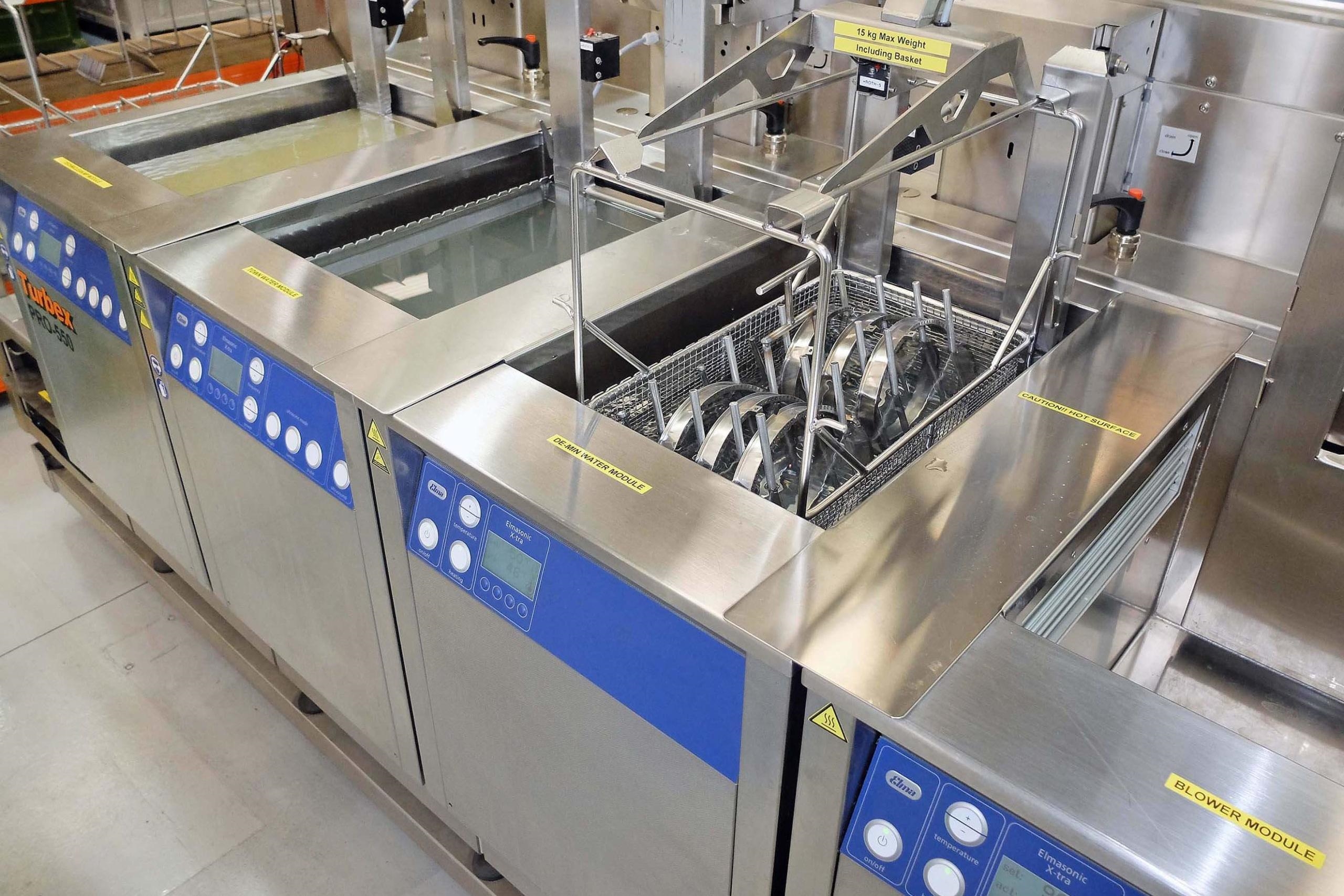
Factory Insight: Ultrasonic cleaners with DI water (pH 6-8) remove 99% particles, but improper drying leaves spots—I've traced 7% yield losses to this in pacemaker boards.
Material Biocompatibility and Reliability
Standard FR-4 suits non-implantables, but implants need ISO 10993-compliant materials like polyimide (PI, USP Class VI) or LCP for zero cytotoxicity (Note 5). CTE mismatches (PI at 20 ppm/°C vs. copper 17 ppm/°C) warp boards >0.75%, per IPC-TM-650 2.4.39 (Note 6).
Case Note: A 2025 audit revealed 12% delamination in flex wearables from non-biocompatible soldermask—switched to medical-grade silicone, stabilizing adhesion.
Testing Gaps in High-Reliability Scenarios
Inadequate validation misses micro-cracks from thermal cycling (-40/125°C, 1000 cycles, IEC 60068-2-14, Note 7), leading to intermittent opens.
These causes compound: Dirty boards fail bio-tests, eroding reliability.
| Challenge | Root Cause | Impact on Production | Standard Reference |
|---|---|---|---|
| Contamination | Flux residues >2 µg NaCl eq/cm² | Dendrite failures (5%) | IPC-5704 (Note 4) |
| Material Incompatibility | Non-ISO 10993 substrates | Cytotoxicity risks | ISO 10993 (Note 5) |
| Reliability Drift | CTE mismatch >3 ppm/°C | Warpage >0.75% | IPC-TM-650 (Note 6) |
| Testing Shortfalls | Incomplete HAST (85°C/85% RH) | Field returns (2%) | IEC 60068-2-14 (Note 7) |
This table highlights interconnected issues.
Practical Solutions and Best Practices for Safe Production
Factories succeed by embedding standards into workflows. Here's a friendly, phased approach, aligned with FDA 21 CFR Part 820 (Note 8), to mass-produce trusted PCBs.
1. Adhering to Medical Device PCB Manufacturing Standards
Certify under ISO 13485 for traceable processes; aim for IPC Class 3 (zero-defect tolerance).
Steps:
- Process Validation: Document lamination (180°C/2h) and etching (18 µm Cu uniformity).
- Traceability: Barcode lots; audit suppliers quarterly.
- Scaling Tip: Automate with MES for 10K+ units, reducing variance <1%.
In my consultations, this framework cut audit findings 30%.
2. Selecting Biocompatible PCB Materials
Choose PI or LCP for implants (Dk 3.5, Df 0.002); verify USP Class VI via extractables testing.
Best Practices:
- Hybrid Stacks: FR-4 rigid with PI flex for wearables; CTE-matched prepregs (0.1 mm thick).
- Surface Finishes: OSP or ENIG for low outgassing; test per ISO 10993-5 cytotoxicity.
- Sourcing: Partner with certified vendors; sample quals ensure <0.1% leachables.
A client shifted to LCP, passing 21-day implantation sims flawlessly.
3. Implementing PCB Cleaning for Medical Devices
Post-reflow, use vapor degreasing with nPB solvents (boil 50°C) or ultrasonics (40 kHz/5 min) to hit ROSE <1 µg/cm².
Flow:
- Inline Systems: Aqueous washers with closed-loop DI rinse; dry via hot air (80°C).
- Verification: Ion chromatography for residues; visual under blacklight.
- No-Touch Zones: ESD flooring prevents re-contam.
Factories using this report 99.5% cleanliness, dodging biofouling.
4. Rigorous PCB Testing for Medical Applications
Layer functional (ICT at 1 MHz), environmental (HAST 96h), and reliability tests (thermal shock, 100 cycles).
Practices:
- AOI/X-Ray: 100% post-solder for voids <10%; flying probe for opens.
- Burn-In: 168h at 85°C/85% RH; accel life per Arrhenius model.
- Bio-Validation: ISO 10993 suite—sensitization, irritation.
In 2025, AI-enhanced testers flag 95% anomalies early.
5. Mass Production Optimization
Integrate DFM reviews; target CpK >1.33 for key params.
Insight: Nitrogen reflow (260°C peak) minimizes oxidation, boosting joint life 20%.
Case Study: Scaling Production for a Wearable ECG Monitor
Early 2025, a medtech startup struggled with 15% contamination fails in 6-layer flexible PCBs (PI substrate) for ECG wearables, delaying FDA 510(k) clearance.
Challenges: Flux residues failed ISO 10993-10 irritation tests; warpage from mismatched CTE hit 1.2%.
Solutions Implemented: Adopted ISO 13485 workflows with inline ultrasonics (ROSE <0.5 µg/cm²); switched to biocompatible LCP flex (USP Class VI). Testing ramped to full HAST + 500-cycle flex (IPC-TM-650 2.6.7, Note 9); AOI integrated for voids.
Outcomes: Yields soared to 98%; production hit 20,000 units/month. Costs fell 22% via reduced scrap, securing clearance in 8 weeks. This underscores: Layered standards turn risks into routine reliability.
Conclusion
PCB mass production for medical devices demands a harmony of standards, materials, cleaning, and testing to safeguard lives through unyielding reliability. By embracing ISO 13485 and biocompatible innovations, factories not only meet 2025's demands but exceed them—delivering devices that heal without fail.
From my factory-side view, piloting a cleaning audit is your quickest win. For your next medtech run, prioritize biocompatibility quals—it's the foundation of trust in every heartbeat.
FAQs
Q1: What are key medical device PCB manufacturing standards?
A1: ISO 13485 governs quality systems, while IPC Class 3 ensures zero-defect reliability (IPC-6012, Note 1). IEC 60601 adds electrical safety (Note 2); factories validate processes for traceability, cutting audit risks 30% in 2025 wearables.
Q2: How to achieve high reliability PCBs for medical applications?
A2: Use HDI vias (<8:1 aspect) and thermal cycling (1000x at -40/125°C, IEC 60068-2-14, Note 7) for longevity. Embed burn-in (168h) and AOI; per IPC-A-600 Class 3 (Note 3), this yields <0.1% failures in implants.
Q3: What methods work for PCB cleaning in medical devices?
A3: Ultrasonic with DI water (40 kHz) or vapor degreasing hits ROSE <1 µg/cm² (IPC-5704, Note 4). Inline aqueous rinse and ion testing verify; essential for ISO 10993 biocompatibility, preventing 99% contamination in mass runs.
Q4: Which biocompatible PCB materials suit medical use?
A4: Polyimide (PI, USP Class VI) or LCP for flex implants (ISO 10993-5 cytotoxicity, Note 5). Low leachables (<0.1%) and CTE match (20 ppm/°C); 2025 trends favor hybrids for wearables, ensuring safe skin contact.
Q5: What PCB testing is vital for medical applications?
A5: Combine functional ICT, HAST (96h/85°C/85% RH), and bio-sims (ISO 10993 suite). X-ray voids <10%; per FDA 21 CFR Part 820 (Note 8), this validates 10-year reliability, slashing field risks below 0.1%.
Q6: How do standards impact high reliability PCB medical production?
A6: IPC Class 3 and ISO 13485 enforce warpage <0.75% (IPC-TM-650, Note 6), boosting yields 98%. With AI AOI, factories scale safely, meeting 2025 IoT medtech demands without compromises.
References
(Note 1) IPC-6012DS — Qualification and Performance Specification for Flexible Printed Boards. IPC, 2015.
(Note 2) IEC 60601-1 — Medical electrical equipment – Part 1: General requirements for basic safety and essential performance. International Electrotechnical Commission, 2020.
(Note 3) IPC-A-600J — Acceptability of Printed Boards. IPC, 2020.
(Note 4) IPC-5704 — Semiconductor Process Qualification Guideline. IPC, 2017.
(Note 5) ISO 10993-1 — Biological evaluation of medical devices – Part 1: Evaluation and testing within a risk management process. International Organization for Standardization, 2018.
(Note 6) IPC-TM-650 — Test Methods Manual. IPC, latest edition.
(Note 7) IEC 60068-2-14 — Environmental testing – Part 2-14: Test Na: Change of temperature. International Electrotechnical Commission, 2009.
(Note 8) 21 CFR Part 820 — Quality System Regulation. U.S. Food and Drug Administration, latest edition.
(Note 9) IPC-TM-650 2.6.7 — Adhesion, Peel Strength. IPC, latest edition.