Introduction
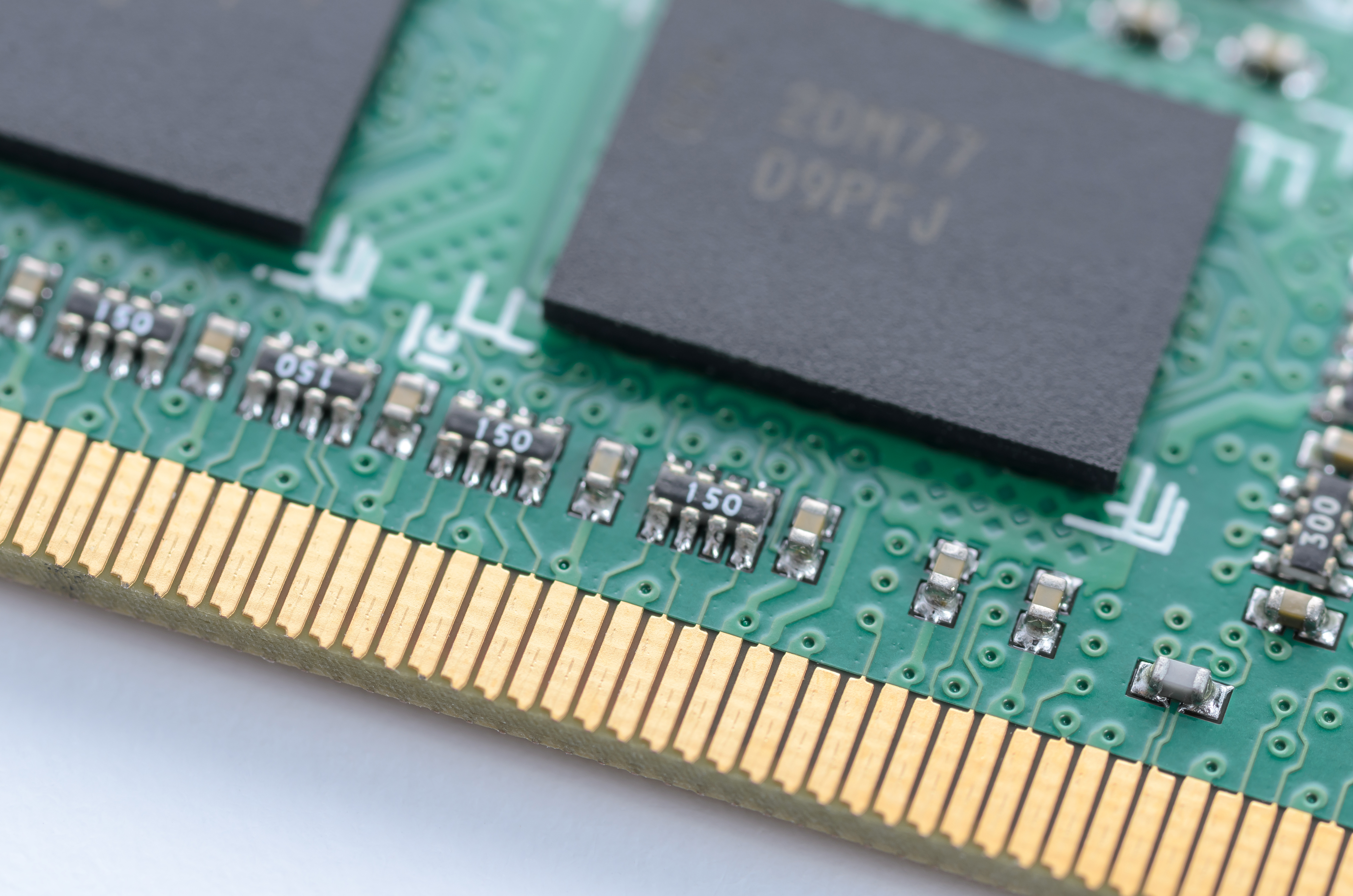
Printed Circuit Boards (PCBs) form the backbone of modern electronics, enabling functionality in devices across industries like automotive, medical, and consumer electronics. For electrical engineers, designing and producing PCBs often involves complex decisions about whether to handle fabrication and assembly in-house or to outsource these processes. Outsourcing PCB fabrication services and PCB assembly services offers significant advantages, including cost savings and access to specialized expertise. By leveraging contract manufacturing, companies can focus on core design and innovation while reducing operational burdens. This article explores why outsourcing, whether through offshore PCB fabrication or domestic PCB fabrication, is a strategic choice for engineers and businesses aiming to optimize resources and ensure high-quality outcomes in an increasingly competitive market.
What Is Outsourcing PCB Fabrication and Assembly?
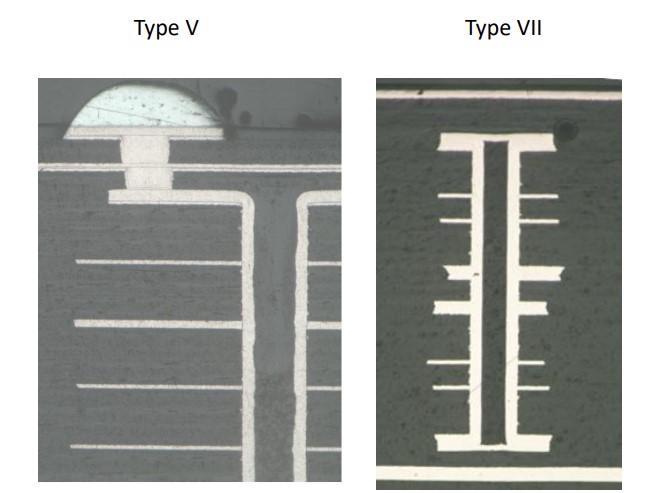
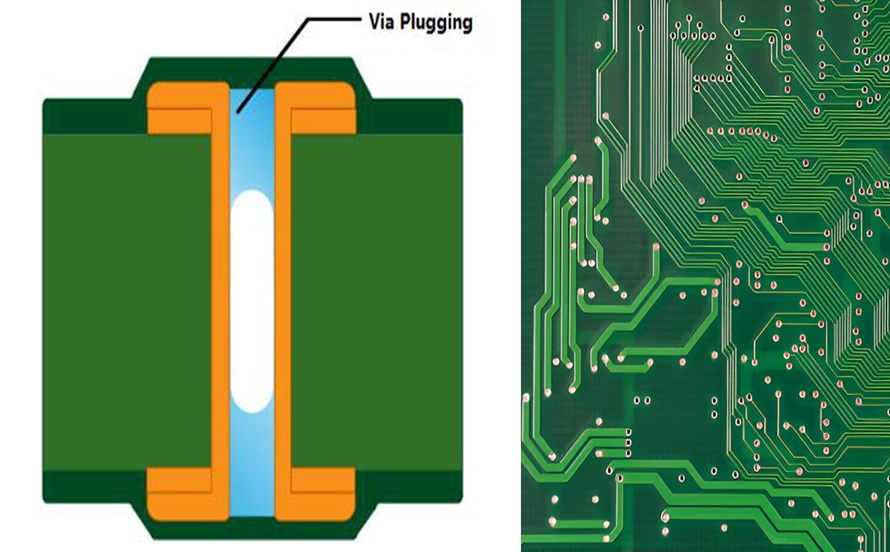
Outsourcing in the context of PCB production refers to delegating the manufacturing and assembly tasks to external specialists through contract manufacturing agreements. PCB fabrication services involve creating the bare board, including layer stacking, etching, and drilling, based on design specifications. PCB assembly services, on the other hand, focus on populating the board with components using techniques like surface mount technology or through-hole assembly. This division of labor allows companies to avoid investing in expensive equipment and infrastructure. For electrical engineers, outsourcing matters because it frees up time for design optimization while ensuring production meets industry standards like those outlined in IPC-6012E for rigid board performance. It also provides scalability, adapting to varying production volumes without internal constraints.
Why Outsourcing Matters for Electrical Engineers
Electrical engineers often juggle multiple responsibilities, from schematic design to testing and validation. Managing in-house fabrication and assembly can strain resources, diverting focus from innovation to operational challenges. Outsourcing PCB fabrication services and one-stop PCB assembly services addresses this by connecting engineers with specialized providers who handle manufacturing complexities. This approach reduces lead times and ensures compliance with standards like IPC-A-600K for board acceptability. Additionally, whether opting for offshore PCB fabrication or domestic PCB fabrication, engineers gain access to advanced technologies and processes that may not be feasible in-house. The result is a streamlined workflow, allowing focus on critical tasks like circuit design and performance testing while maintaining product quality.
Technical Advantages of Outsourcing PCB Production
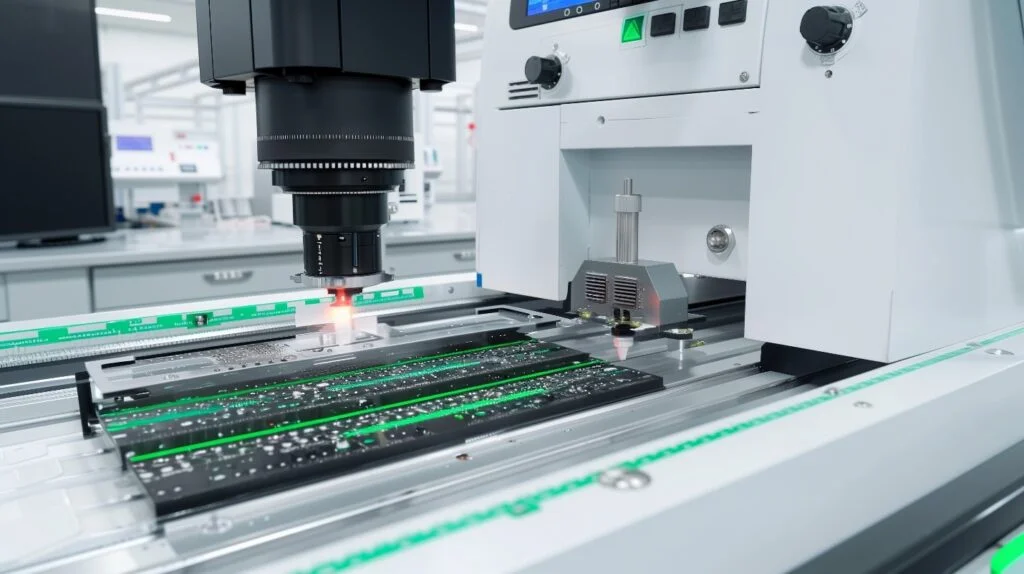
Outsourcing PCB production provides several technical benefits rooted in the expertise and infrastructure of contract manufacturing partners. First, specialized facilities often employ advanced equipment for precision in fabrication, ensuring tight tolerances as per standards like IPC-6012E. This precision is critical for high-density interconnect boards where even minor deviations can cause failures. Second, PCB assembly services utilize automated pick-and-place systems, minimizing human error during component placement and soldering, aligning with guidelines in JEDEC J-STD-020E for moisture sensitivity handling. Third, outsourcing partners typically maintain rigorous quality control processes, adhering to ISO 9001:2015 for consistent output. For electrical engineers, this means reduced risk of defects and rework, ensuring that the final product performs reliably in demanding applications.
Cost Savings Through Outsourcing PCB Fabrication and Assembly
One of the primary reasons companies opt for outsourcing is the substantial cost savings it offers. Maintaining an in-house facility for quick turn PCB fabrication services requires significant capital investment in machinery, cleanroom environments, and skilled labor. Similarly, PCB assembly services demand specialized tools for soldering and inspection, adding to overhead costs. By choosing contract manufacturing, businesses eliminate these expenses, paying only for the services rendered. Offshore PCB fabrication often provides lower labor and material costs, particularly in regions with established electronics ecosystems. Even domestic PCB fabrication can be cost-effective due to economies of scale that specialized providers achieve. For engineers, this translates to budget flexibility, allowing allocation of funds to research and development rather than production infrastructure.

Breakdown of Cost Benefits
- Capital Expenditure Reduction: No need for expensive equipment or facility setup.
- Labor Cost Savings: Outsourcing eliminates the need for dedicated in-house staff.
- Material Efficiency: Contract manufacturers often source materials in bulk, reducing per-unit costs.
- Scalability: Pay for production volume as needed, avoiding idle capacity expenses.
Access to Expertise and Advanced Technologies
Outsourcing PCB fabrication services and PCB assembly services connects electrical engineers with industry experts who bring years of experience to the table. These specialists understand nuances in manufacturing, such as thermal management during reflow soldering as specified in JEDEC J-STD-020E. They also stay updated on emerging technologies, offering capabilities like flexible or rigid-flex boards that may not be viable in-house. Additionally, contract manufacturing partners often have established supply chains for components, ensuring availability and compatibility. For engineers, this expertise reduces the learning curve and mitigates risks associated with complex designs, especially in high-stakes industries like aerospace or medical where reliability is paramount.
Flexibility in Production: Offshore vs. Domestic PCB Fabrication
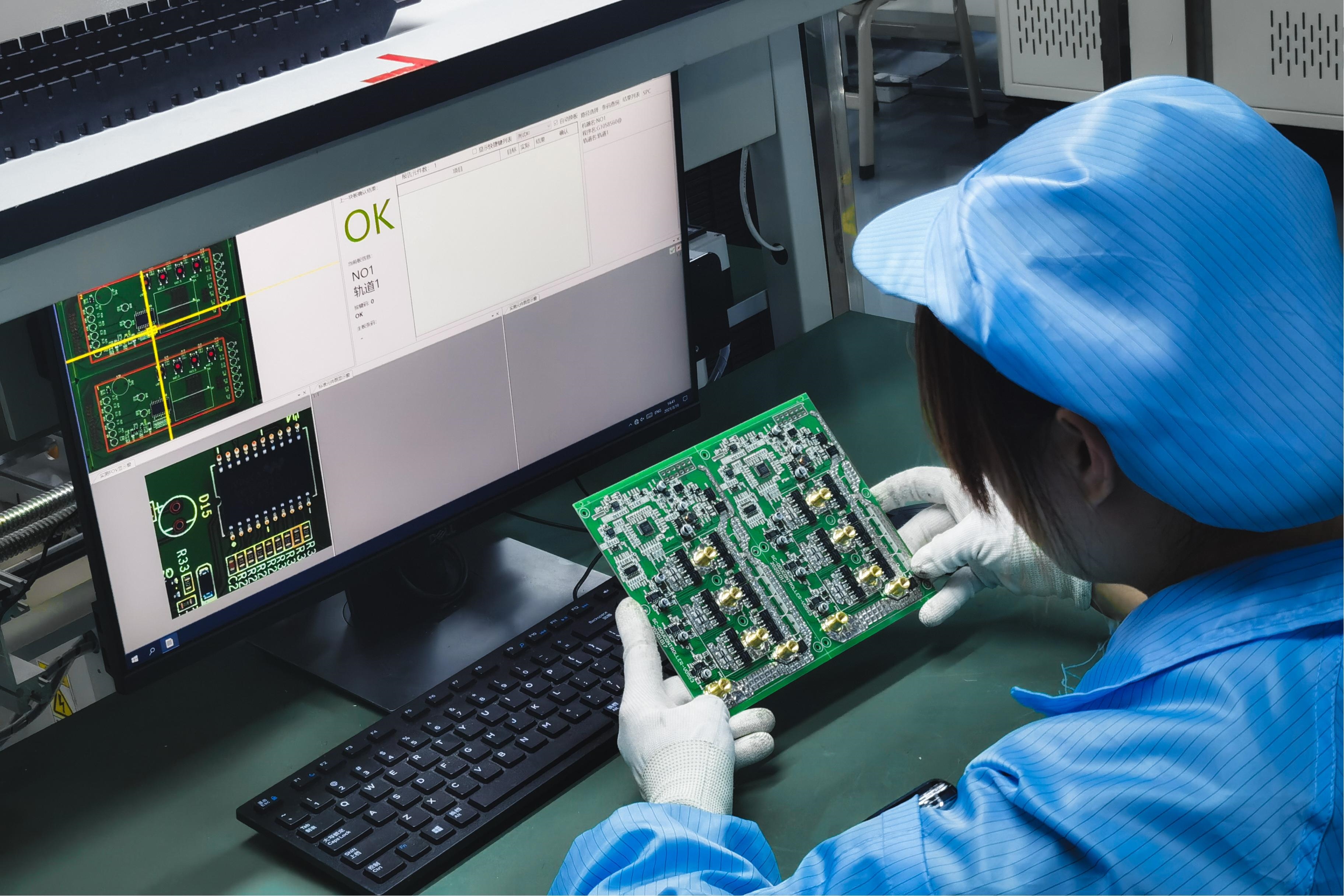
Choosing between offshore PCB fabrication and domestic PCB fabrication depends on project needs, budget, and timeline. Offshore options often provide lower costs due to reduced labor expenses and access to large-scale manufacturing hubs. However, they may involve longer shipping times and potential communication challenges. Domestic PCB fabrication, while sometimes more expensive, offers faster turnaround and easier collaboration due to proximity and shared time zones. Both approaches under contract manufacturing allow scalability, enabling engineers to adjust production volumes without internal resource constraints. Compliance with standards like ISO 9001:2015 remains consistent regardless of location, ensuring quality is not compromised.
Key Considerations for Location Choice
- Cost vs. Speed: Offshore for budget savings, domestic for quicker delivery.
- Regulatory Needs: Domestic options may align better with specific regional standards.
- Communication: Proximity in domestic setups eases coordination for complex projects.
Quality Assurance and Standards Compliance
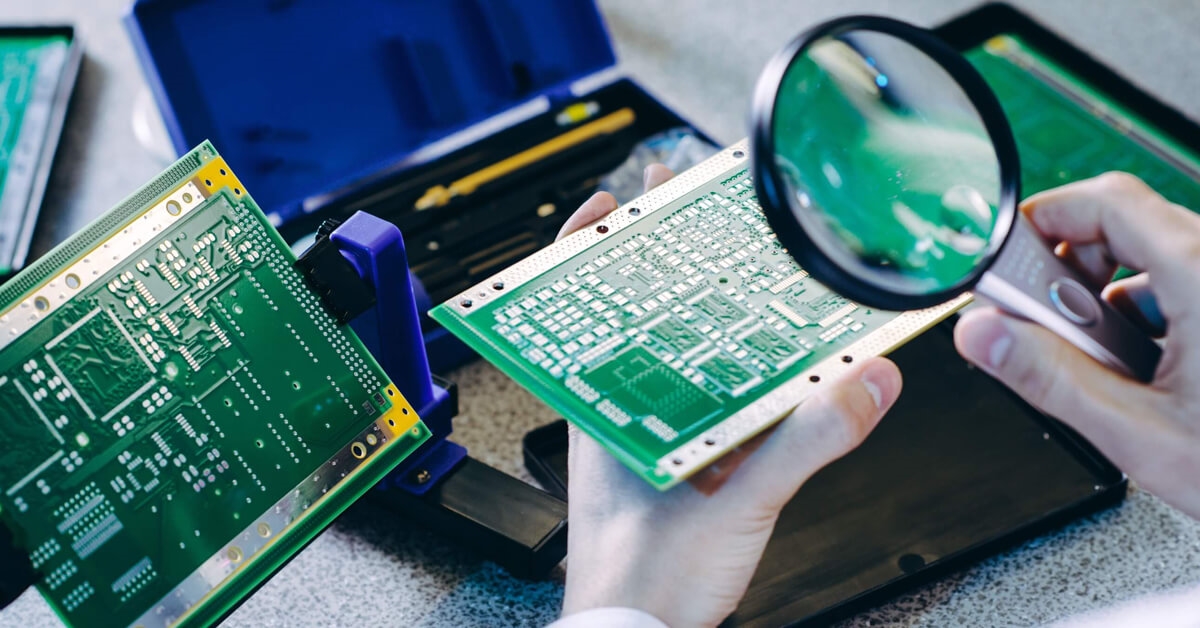
Quality is a cornerstone of PCB production, and outsourcing partners typically prioritize adherence to recognized standards. Fabrication processes follow guidelines like IPC-6012E for performance specifications, ensuring boards meet structural and electrical requirements. Assembly processes align with IPC-A-600K for visual and functional acceptability, reducing the likelihood of defects. Additionally, many contract manufacturing providers operate under ISO 9001:2015 quality management systems, offering traceability and accountability. For electrical engineers, this means confidence in the final product, knowing that each stage of production undergoes rigorous inspection and testing, minimizing field failures and enhancing end-user satisfaction.
Practical Tips for Successful Outsourcing
To maximize the benefits of outsourcing PCB fabrication services and PCB assembly services, electrical engineers should follow structured approaches when selecting and working with contract manufacturing partners. First, clearly define design specifications and communicate requirements, referencing standards like IPC-6012E to avoid ambiguity. Second, request detailed quotes to understand cost breakdowns and timelines, whether opting for offshore PCB fabrication or domestic PCB fabrication. Third, establish regular checkpoints to monitor progress and address issues early. Finally, prioritize partners with documented adherence to ISO 9001:2015 for quality assurance. These steps ensure a seamless collaboration, delivering high-quality PCBs on time and within budget.
Challenges and Mitigation Strategies in Outsourcing
While outsourcing offers numerous advantages, it also presents challenges that engineers must navigate. One common issue is potential miscommunication regarding design intent, which can lead to errors. To mitigate this, provide comprehensive documentation and leverage standards like IPC-A-600K for clarity on acceptability criteria. Another challenge is dependency on external timelines, especially with offshore PCB fabrication where logistics can cause delays. Building buffer time into schedules helps address this. Additionally, intellectual property concerns may arise. Establishing clear contractual terms and working with reputable contract manufacturing entities minimizes risks. Proactive planning ensures outsourcing remains a net positive for project outcomes.
Conclusion
Outsourcing PCB fabrication services and PCB assembly services provides electrical engineers with a strategic pathway to achieve cost savings and access specialized expertise. By leveraging contract manufacturing, whether through offshore PCB fabrication or domestic PCB fabrication, businesses can reduce capital and operational expenses while ensuring high-quality production aligned with industry standards like IPC-6012E and ISO 9001:2015. The flexibility to scale production, combined with advanced technologies and rigorous quality control, makes outsourcing a compelling choice. For engineers, this approach frees up resources for innovation, ensuring focus remains on design and performance rather than manufacturing logistics. Embracing outsourcing can significantly enhance project efficiency and product reliability in today’s competitive electronics landscape.
FAQs
Q1: How does outsourcing PCB fabrication services save costs for electrical engineers?
A1: Outsourcing PCB fabrication services reduces the need for in-house equipment and skilled labor, cutting capital and operational expenses. Contract manufacturing providers often source materials in bulk, lowering per-unit costs. This allows engineers to allocate budgets to design and testing rather than infrastructure, ensuring cost efficiency without compromising quality as per standards like ISO 9001:2015.
Q2: What expertise do PCB assembly services offer to improve product quality?
A2: PCB assembly services bring specialized knowledge in automated component placement and soldering, adhering to standards like JEDEC J-STD-020E for moisture sensitivity. Their experience minimizes errors and ensures precise assembly, critical for complex designs. Electrical engineers benefit from reduced defect rates and enhanced reliability, focusing on design innovation while assembly experts handle production intricacies.
Q3: Should I choose offshore PCB fabrication or domestic PCB fabrication for my project?
A3: Choosing between offshore PCB fabrication and domestic PCB fabrication depends on priorities. Offshore options often offer lower costs but may involve longer lead times. Domestic fabrication provides faster turnaround and easier communication. Evaluate project timelines, budget, and quality needs against standards like IPC-6012E to decide the best fit for your requirements.
Q4: How does contract manufacturing ensure compliance with industry standards?
A4: Contract manufacturing partners typically follow strict quality protocols aligned with recognized standards like IPC-A-600K for board acceptability and ISO 9001:2015 for management systems. They implement rigorous testing and inspection at each production stage. This ensures electrical engineers receive PCBs that meet performance and reliability criteria, reducing risks of failures in critical applications.
References
IPC-6012E — Qualification and Performance Specification for Rigid Printed Boards. IPC, 2020.
IPC-A-600K — Acceptability of Printed Boards. IPC, 2020.
JEDEC J-STD-020E — Moisture/Reflow Sensitivity Classification. JEDEC, 2014.
ISO 9001:2015 — Quality Management Systems. ISO, 2015.