Introduction
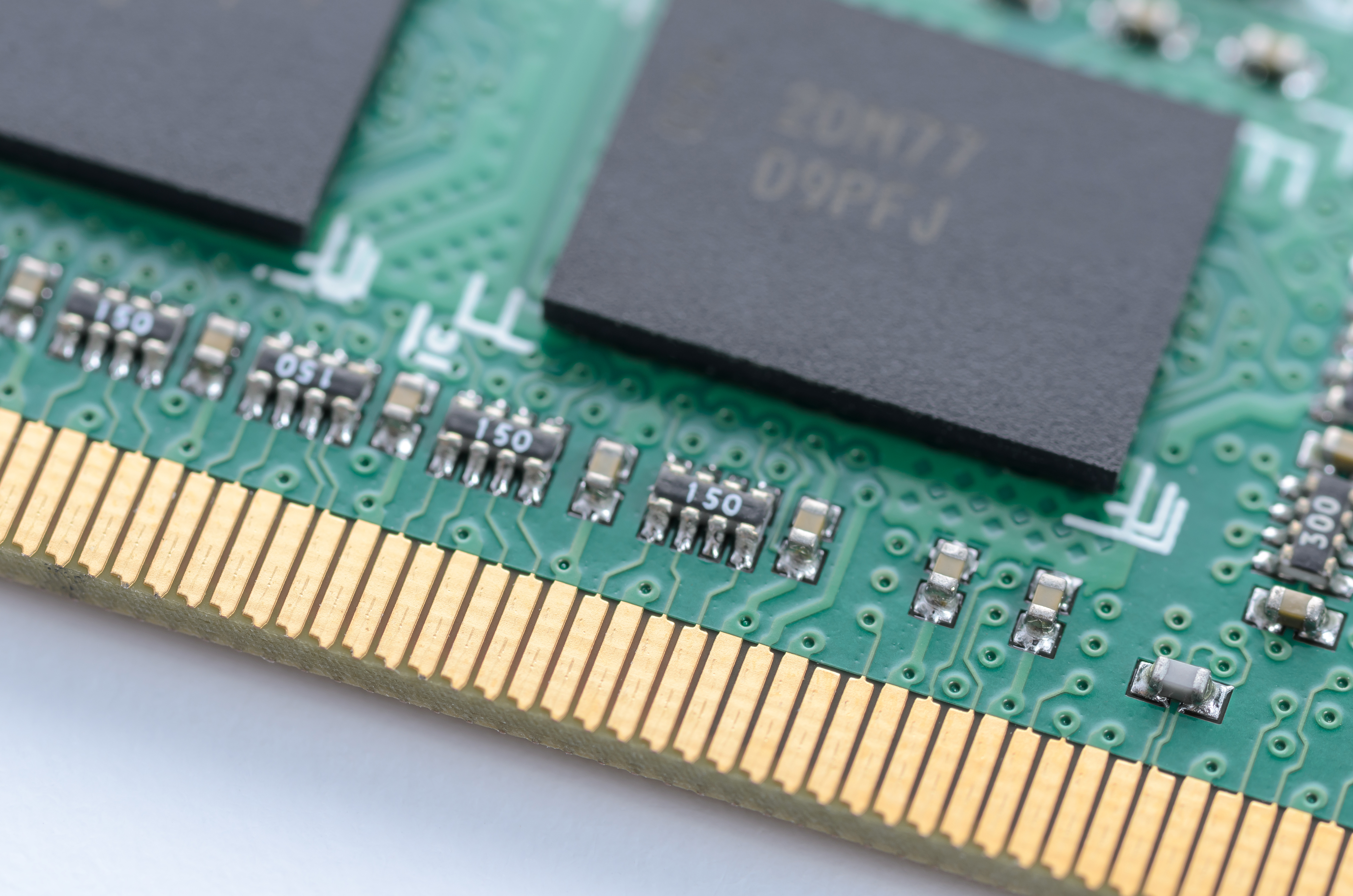
Electronics continue to evolve toward higher performance and reliability in demanding environments. High-Tg PCBs play a pivotal role in this progression by enabling circuits to operate under elevated temperatures without compromising integrity. These boards feature materials with a glass transition temperature exceeding 170 degrees Celsius, far surpassing standard laminates. As industries push boundaries in power density and thermal loads, understanding High-Tg PCB applications becomes crucial for electric engineers designing next-generation systems. This article explores the technical foundations, market dynamics, and forward-looking developments in High-Tg PCB technology.
Understanding High-Tg PCBs and Their Relevance
High-Tg PCBs utilize laminate materials where the glass transition temperature, or Tg, marks the point at which the resin shifts from a rigid glassy state to a softer rubbery phase. Typically, standard FR-4 materials exhibit Tg values around 130 to 140 degrees Celsius, while High-Tg variants reach 170 degrees Celsius or higher. This elevated Tg ensures dimensional stability during soldering processes that peak above 260 degrees Celsius, such as lead-free reflow. Engineers specify High-Tg boards when operating temperatures approach or exceed 130 degrees Celsius to prevent warpage, delamination, or electrical failures. The relevance stems from increasing miniaturization and power demands in modern electronics, where heat dissipation challenges standard materials.
Beyond thermal resistance, High-Tg laminates offer lower coefficients of thermal expansion above Tg, reducing stress on copper traces and vias. This property aligns with requirements in IPC-TM-650 test methods for material qualification, ensuring boards meet performance criteria under cyclic thermal stress. Factory processes for High-Tg PCBs demand precise control during lamination and drilling to maintain these benefits. For electric engineers, selecting the appropriate Tg level directly impacts long-term reliability in field deployments.
Technical Principles Behind High-Tg Performance
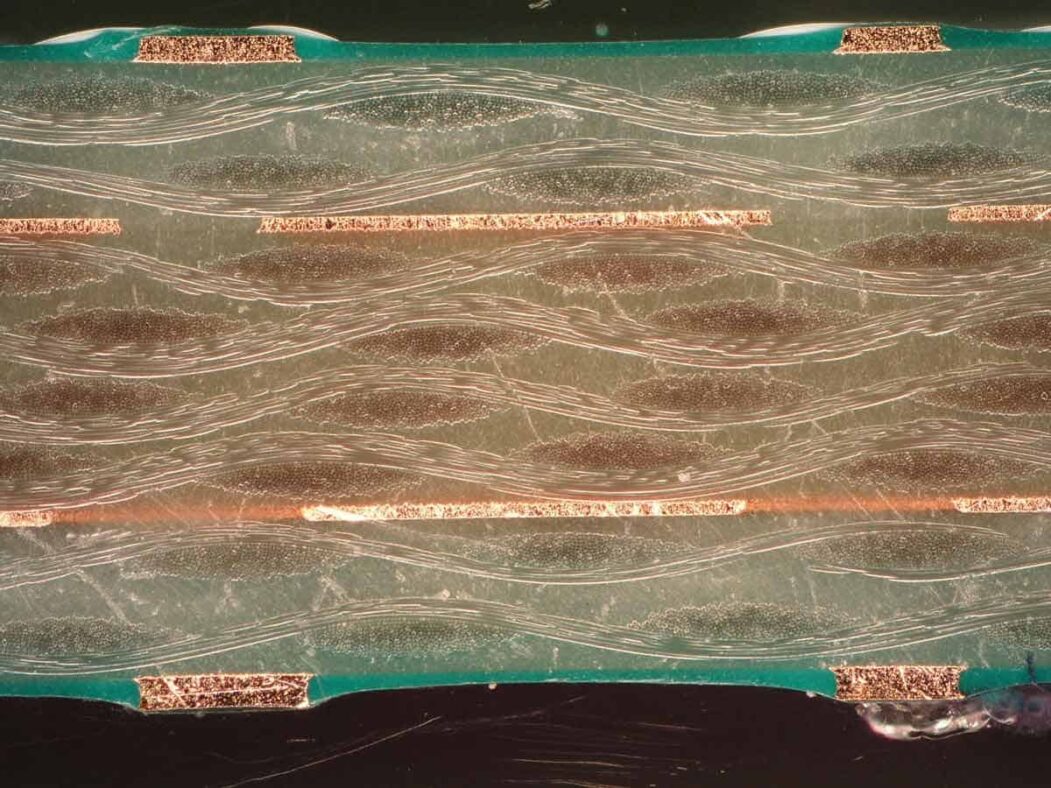
The core mechanism of High-Tg materials lies in their epoxy resin formulations, often reinforced with specialized fillers to elevate the Tg threshold. During the glass transition, the polymer chains gain mobility, leading to increased CTE and potential mechanical weakness in standard materials. High-Tg resins resist this transition longer, preserving low CTE values critical for multilayer stackups. Test procedures outlined in IPC-4101 specifications classify these materials by Tg levels, guiding selection for specific thermal profiles. Engineers must consider not only peak Tg but also Td, the decomposition temperature, for holistic thermal management.
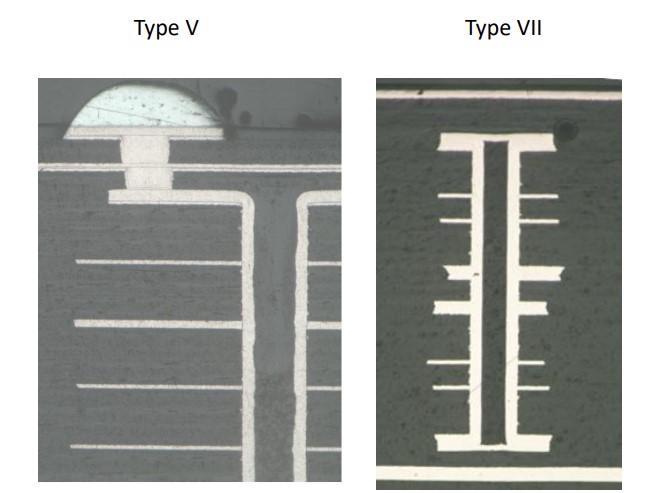
Fabrication challenges arise from the higher viscosity of High-Tg prepregs, requiring adjusted press cycles and resin content to achieve uniform flow. Vias in these boards face greater risk of cracking under thermal mismatch, necessitating controlled drilling parameters and aspect ratios below 10:1. Electrical properties remain stable, with low dielectric loss suitable for high-frequency signals. These principles ensure High-Tg PCBs withstand multiple reflow cycles without degradation, a key factor in assembly yields.
Degradation modes like caf formation or z-axis expansion are mitigated by High-Tg's enhanced moisture resistance. Standards such as IPC-6012 define qualification for rigid boards, including thermal shock tests that High-Tg materials excel in. Factory insights reveal that proper storage below 25 degrees Celsius prevents prepreg aging, maintaining Tg consistency across production runs.
High-Tg PCB Applications in Demanding Sectors
High-Tg PCB applications span automotive electronics, where electric vehicles generate intense heat from power inverters and battery management systems. In these setups, boards endure continuous operation near 150 degrees Celsius while handling high currents. Aerospace systems benefit from High-Tg's stability in vibration-prone, high-altitude environments, supporting radar and avionics without signal drift. Industrial controls for motors and robotics rely on these PCBs for uptime in dusty, overheated factories.
Telecommunications infrastructure, including 5G base stations, demands High-Tg for amplifiers operating under RF power dissipation. Power supplies and converters in renewable energy systems use them to manage switching losses efficiently. Military and down-hole drilling equipment represent extreme cases, where polyimide-based High-Tg variants exceed 250 degrees Celsius Tg. Each application underscores the need for material datasheets aligned with operational profiles.
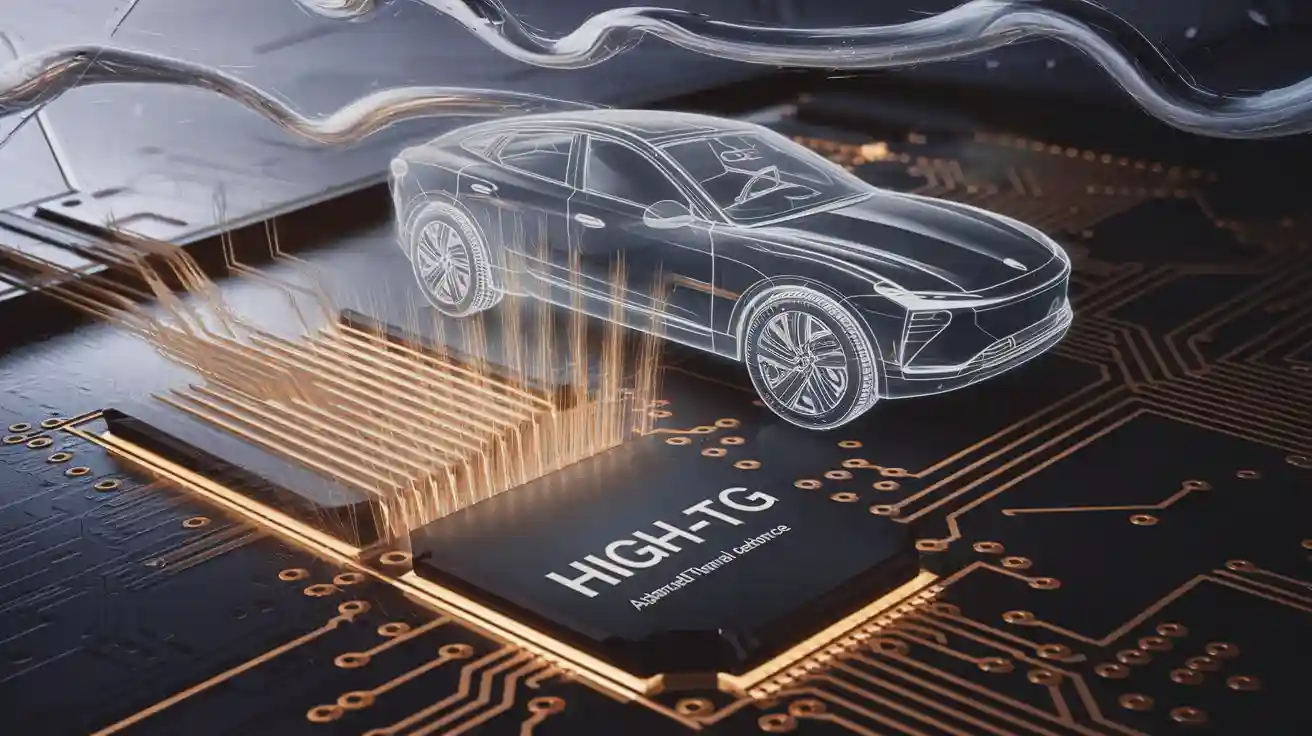
Multilayer High-Tg designs facilitate dense routing for ADAS modules, balancing thermal vias with impedance control. Factory-driven validation confirms these boards pass humidity bias tests per industry norms. Engineers integrate them seamlessly into systems requiring lead-free compliance and extended lifecycles.
High-Tg PCB Market Trends and Driving Forces
High-Tg PCB market trends reflect surging demand from electrification and connectivity megatrends. Electric vehicles and autonomous driving systems propel adoption, as higher power densities necessitate robust thermal handling. Data centers for AI servers favor High-Tg for multilayer HDI boards under sustained loads. Growth in 5G and edge computing further accelerates this shift toward advanced laminates.
Supply chain adaptations include increased production of mid-Tg (150-170 degrees Celsius) for cost-sensitive apps and ultra-High-Tg for premium sectors. Asia-Pacific leads manufacturing capacity, driven by automotive OEMs. Engineers observe rising specifications for low-loss High-Tg materials to support signal speeds beyond 25 Gbps. These trends signal a pivot from volume FR-4 to performance-driven substrates.
Sustainability influences trends, with recyclable High-Tg resins gaining traction amid regulatory pressures. Market forecasts predict compounded expansion tied to electronics content in EVs and renewables. Procurement teams prioritize verified Tg datasheets to mitigate risks in volatile supplies.
High-Tg PCB Technology Roadmap and Innovations
The High-Tg PCB technology roadmap emphasizes hybrid materials combining high Tg with low Dk/Df for 5G and beyond. Innovations include ceramic-filled epoxies achieving Tg over 200 degrees Celsius alongside ultra-low CTE. Embedded thermal management, like coin inlays, integrates with High-Tg stackups for hotspots. Roadmap milestones target seamless scaling to 12-layer HDI without warpage.
Advancements in resin chemistry yield very-low-CTE High-Tg for fine-pitch BGAs, reducing solder joint fatigue. Factory processes evolve with plasma drilling for cleaner vias in thick High-Tg panels. AI-optimized designs predict thermal profiles, accelerating innovation cycles. Engineers leverage these for flexible-rigid hybrids in wearables and sensors.
Future nodes incorporate graphene enhancements for thermal conductivity without Tg compromise. Roadmap gaps address via reliability in high-aspect ratios, bridged by filled-via tech. These developments position High-Tg as foundational for terahertz apps.
Best Practices for Implementing High-Tg PCBs
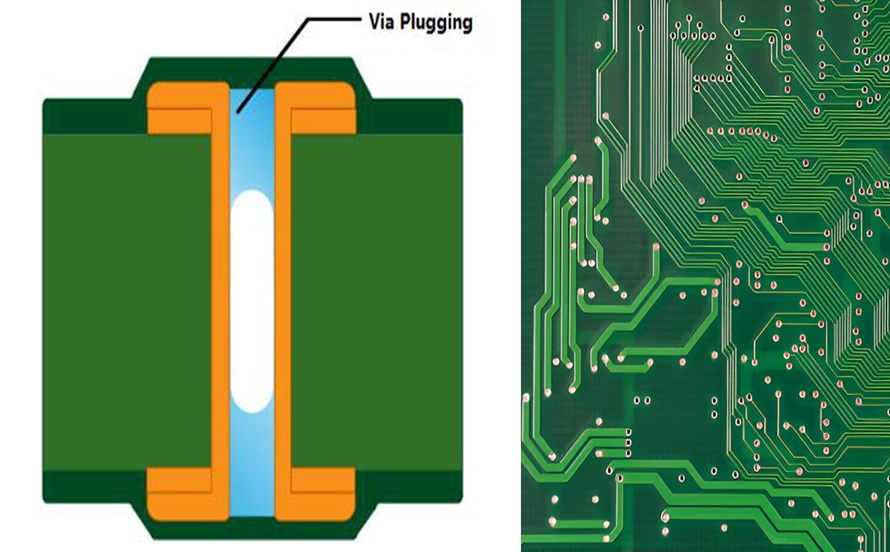
Select High-Tg materials with at least 25-30 degrees Celsius margin above maximum assembly temperature. Stackup design incorporates blind/buried vias to minimize thermal paths, paired with copper-balanced layers. Simulate CTE mismatch using FEA tools before prototyping. Factory lamination uses ramped pressure profiles to avoid voids in High-Tg cores.
Assembly sequences prioritize sequential soldering for multilayers, monitoring peak temps below Td. Post-reflow inspections per IPC-A-600 verify no delamination. Storage in dry cabinets prevents MSL degradation per JEDEC guidelines. Engineers document Tg verification via DSC testing for traceability.
Reliability testing includes thermal cycling from -40 to 150 degrees Celsius, confirming zero failures after 1000 cycles. Hybrid cooling with heat pipes complements High-Tg intrinsics. These practices ensure field performance matches simulations.
High-Tg PCB Future Outlook
The High-Tg PCB future outlook brightens with integration into quantum computing and space electronics. Advancements in nanomaterials promise Tg beyond 300 degrees Celsius, enabling hypersonic applications. Electrification waves, from EVs to grid inverters, sustain demand growth. Innovations in recyclable High-Tg align with circular economy goals.
Challenges like cost premiums drive R&D for scalable production. Outlook favors modular designs leveraging High-Tg for plug-and-play reliability. Engineers anticipate standardization of ultra-High-Tg specs in upcoming IPC revisions. Overall, High-Tg cements its role in resilient electronics ecosystems.
Conclusion
High-Tg PCBs stand indispensable for the thermal rigors of future electronics. Their superior stability addresses warpage, delamination, and reliability pitfalls in high-power designs. From automotive to aerospace, applications validate their worth. Market trends, innovations, and roadmaps affirm sustained evolution. Electric engineers adopting High-Tg early gain competitive edges in performance and longevity.
FAQs
Q1: What are the primary High-Tg PCB market trends influencing design choices?
A1: High-Tg PCB market trends show robust growth from EV powertrains, 5G infrastructure, and AI hardware demands. Engineers note shifts toward low-CTE variants for HDI density. Factory outputs prioritize moisture-resistant High-Tg for global supply chains. These dynamics urge early material qualification in projects.
Q2: How does the High-Tg PCB technology roadmap address emerging challenges?
A2: The High-Tg PCB technology roadmap focuses on ceramic hybrids and embedded cooling for 100 Gbps signals. Innovations tackle via cracking via advanced fillers. Roadmap timelines align with 6G and quantum needs, emphasizing Tg over 200 degrees Celsius. Factory processes adapt for thicker panels without yield loss.
Q3: What key High-Tg PCB applications benefit electric engineers most?
A3: High-Tg PCB applications excel in automotive inverters, aerospace avionics, and industrial drives facing 150 degrees Celsius peaks. They prevent reflow failures in lead-free assembly. Engineers value their z-axis stability for multilayer reliability. Selection hinges on operational margins per datasheet specs.
Q4: What is the High-Tg PCB future outlook for high-reliability sectors?
A4: High-Tg PCB future outlook predicts dominance in space and defense amid miniaturization pressures. Nanotech boosts thermal conductivity while upholding Tg. Sustainability drives bio-based resins. Engineers prepare for integrated sensors in smart High-Tg boards, enhancing predictive maintenance.
References
IPC-TM-650 2.4.24C — Glass Transition Temperature and Z-Axis Coefficient of Linear Thermal Expansion of Epoxy Resin. IPC, 2018
IPC-4101E — Specification for Base Materials for Rigid and Multilayer Printed Boards. IPC, 2020
IPC-6012DS — Qualification and Performance Specification for Rigid Printed Boards for Space and Military Applications. IPC, 2015
JEDEC J-STD-020E — Moisture/Reflow Sensitivity Classification for Nonhermetic Surface Mount Devices. JEDEC, 2014