Why Is Precise PCB Etching Important in Electronics Manufacturing?
Are you encountering common issues such as undercutting, over-etching, or inconsistent etching during your PCB manufacturing process? These prevalent problems can lead to faulty boards, compromised performance, and expensive rework. This comprehensive guide will thoroughly examine the causes behind these issues, including the reasons for PCB undercutting and uneven etching, and offer practical solutions for PCB over-etching to assist you in troubleshooting and preventing defects. Whether you are new to PCB fabrication or an experienced engineer, this information will equip you with the knowledge to consistently achieve high-quality results in your PCB production.
The Role of Etching in PCB Production
PCB etching constitutes a critical stage in the manufacturing of printed circuit boards. This process involves precisely removing unwanted copper from the board's surface to define the desired circuit patterns. Chemical solutions, typically etchants like ferric chloride or ammonium persulfate, are used to dissolve the exposed copper while leaving the areas protected by a resist layer intact. The accuracy of this etching process directly influences the board’s electrical performance, signal integrity, and overall reliability.
When etching procedures are flawed, it can result in defects such as undercutting, over-etching, or uneven etching, all of which compromise the board's functionality. For example, undercutting can weaken traces, potentially leading to breaks, while over-etching might remove too much copper, creating open circuits. Early detection and troubleshooting of these PCB defects can significantly reduce waste, save time, and ensure consistent quality in your projects.
What Are Common PCB Etching Problems and Their Effects?
Before exploring specific solutions, it’s crucial to understand the most frequent PCB etching problems and their impact on circuit board functionality. These issues can impede signal transmission, cause electrical shorts, or even render a board completely unusable.
Undercutting in PCB Traces
Undercutting occurs when the etchant removes copper not only from the top surface but also from beneath the edges of the protective resist layer. This action creates traces that are narrower at their base than at their top, forming a trapezoidal or "undercut" profile. Severe undercutting weakens traces, increasing their susceptibility to breakage or leading to poor electrical conductivity. This problem frequently arises when the etching process lacks proper control or when the resist layer is not adequately adhered to the copper surface.
● Impact: Undercutting can significantly alter the impedance of traces, which is particularly problematic in high-frequency PCB where precise trace width is essential. For instance, a trace designed for a 50-ohm impedance might deviate to 55 ohms or more due to a reduced width, thereby affecting signal integrity.
Issues with Over-Etching
Over-etching takes place when the etchant removes more copper than intended, typically due to prolonged exposure to the chemical solution. This can result in excessively thin traces, open circuits, or the complete removal of small features like pads or vias. Over-etching is a prevalent problem in both professional and DIY PCB production when the etching time or etchant concentration is not properly optimized.
● Impact: Boards that have been over-etched may fail electrical testing due to broken connections. In high-density designs, even a minor deviation of 0.1 mm in trace width can severely disrupt the circuit's performance, especially for signals operating at speeds above 1 GHz.
Uneven Etching Across the PCB Surface
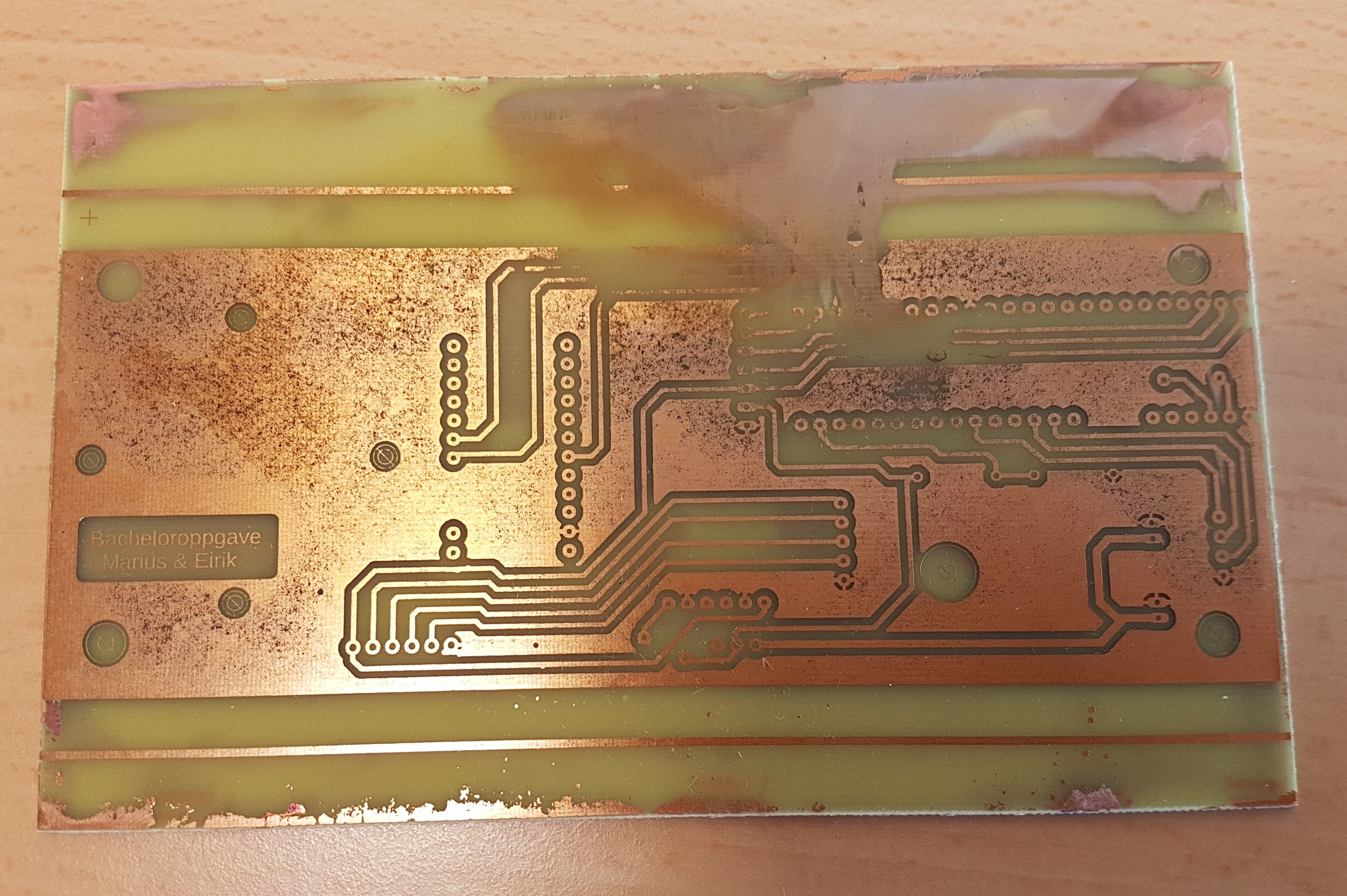
Uneven etching describes inconsistent copper removal across different areas of the board. This can lead to situations where some sections are over-etched while others remain under-etched, resulting in irregular trace widths and overall poor circuit uniformity. This issue often stems from inadequate agitation of the etchant, inconsistent application of the resist, or variations in the etchant's temperature.
● Impact: Uneven etching can cause inconsistent electrical performance across the entire board. For example, variations in trace thickness might lead to differing resistance values, which can affect current distribution in power circuits.
What Are the Primary Causes of PCB Etching Problems?
Identifying the root causes of PCB etching problems is the essential first step in effective troubleshooting and prevention. Below, we outline the main reasons behind undercutting, over-etching, and uneven etching in PCBs.
Factors Leading to PCB Undercutting
● Poor Resist Adhesion: If the photoresist or etch mask does not tightly adhere to the copper surface, the etchant can seep underneath, causing undercutting. This is frequently due to surface contamination or insufficient cleaning prior to resist application.
● Excessive Etching Time: Leaving the board in the etchant for too long allows the chemical to continue attacking the sides of the traces, even beneath the resist layer.
● High Etchant Concentration: An overly concentrated etchant solution can react too aggressively, dissolving copper faster than intended and contributing to undercutting.
● Inadequate Resist Thickness: A resist layer that is too thin may break down prematurely during etching, exposing more copper to the etchant than planned.
Reasons for Over-Etching in PCBs
● Prolonged Exposure: If the board remains in the etchant beyond the optimal processing time, even protected copper areas can begin to erode, leading to over-etching.
● Incorrect Etchant Temperature: Higher temperatures significantly accelerate the etching process. For instance, an etchant at 50°C might etch 30% faster than at 30°C, increasing the risk of over-etching if not properly monitored.
● Improper Etchant Mix: Using a solution with an excessively high concentration of active chemicals can cause rapid copper removal, resulting in over-etched traces.
Root Causes of Uneven Etching on PCBs
● Inconsistent Agitation: Without proper stirring or movement of the etchant solution, certain areas of the board may receive more chemical exposure than others, leading to uneven copper removal.
● Uneven Resist Application: If the resist layer is applied inconsistently, some areas may have less protection, resulting in faster etching in those specific spots.
● Temperature Variations: Fluctuations in etchant temperature across the etching tank can cause different etching rates on the same board, creating inconsistencies.
● Old or Depleted Etchant: Overused etchant loses its chemical effectiveness, leading to slower etching in some areas and contributing to overall uneven results.
What Are the Solutions and Troubleshooting Tips for PCB Etching Problems?
Having identified the causes of common PCB etching problems, let's explore practical solutions to effectively address undercutting, over-etching, and uneven etching. These troubleshooting tips are designed to help you achieve consistent, high-quality results in your PCB production.
Solutions for Addressing PCB Undercutting
● Optimize Etching Time: Closely monitor the etching process and remove the board promptly once all exposed copper is fully dissolved. For a standard 1 oz copper layer, etching might typically take 5-10 minutes at 40°C with a fresh etchant solution, but always conduct a test with a small sample first.
● Improve Resist Adhesion: Thoroughly clean the copper surface with isopropyl alcohol or a mild abrasive before applying the resist to eliminate oils and contaminants. Ensure the resist is properly cured or dried before starting the etching process.
● Use a Lower Etchant Concentration: Dilute the etchant according to the large pcb manufacturer's guidelines to reduce the reaction rate, thereby minimizing the chance of undercutting.
● Apply a Thicker Resist Layer: If using a photoresist, ensure it is applied uniformly and at the recommended thickness (typically 1-2 mils) to prevent it from breaking down prematurely during etching.
Fixing Over-Etching Issues
● Control Etching Time Precisely: Utilize a timer and regularly inspect the board during the etching process. For a 1 oz copper layer, check the progress every 2-3 minutes to prevent overexposure.
● Maintain Optimal Etchant Temperature: Keep the etchant solution at a stable and consistent temperature, ideally between 30-40°C, to ensure a uniform etching rate. Use a thermometer to continuously monitor the solution's temperature.
● Test Etchant Strength: Before beginning full-scale etching, perform a test with the solution on a scrap piece of copper-clad board to accurately determine the ideal exposure time and avoid over-etching.
● Use Fresh Etchant: Replace the etchant solution when it becomes saturated with dissolved copper, as depleted solutions can behave unpredictably and contribute to over-etching.
Addressing Uneven Etching on PCBs
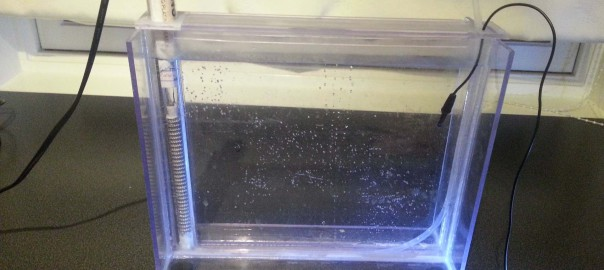
● Ensure Proper Agitation: Use methods such as a pump, air bubbles, or manual stirring to keep the etchant moving uniformly across the board's surface. Consistent agitation prevents localized over-etching or under-etching.
● Apply Resist Uniformly: Whether using a spray, roller, or photoresist film, ensure that the resist covers the copper evenly. Double-check for any air bubbles or gaps before proceeding with etching.
● Control Etchant Temperature: Employ a heating element equipped with a thermostat to maintain a uniform temperature throughout the etching tank, thereby preventing the formation of hot or cold spots.
● Refresh Etchant Regularly: Monitor the etchant’s condition and replace it after etching a certain number of boards (e.g., after processing 1-2 square feet of copper, depending on the solution's specific capacity).
What Preventive Measures Ensure Consistent PCB Etching?
While effectively troubleshooting PCB defects is crucial, preventing etching problems from occurring in the first place is even more beneficial. Here are some best practices to ensure consistent and high-quality results throughout your PCB etching process.
Strategies for Consistent Etching
● Standardize Your Process: Document all etching parameters, including time, temperature, and etchant concentration, for every production batch. Replicating these precise conditions will help achieve uniformity across all projects.
● Use High-Quality Materials: Invest in reliable resist materials and fresh etchant solutions to minimize variability and ensure consistent performance in the etching process.
● Calibrate Equipment Regularly: Periodically check and calibrate all heating elements, timers, and agitation systems to ensure they are operating accurately within their specified ranges.
● Train Personnel Thoroughly: Ensure that all personnel involved in the etching process receive comprehensive training on the importance of accurate timing, safety protocols, and proper handling of chemicals to minimize human error.
● Perform Test Runs: Before initiating the etching of a full batch of production boards, conduct a test run on a small prototype to fine-tune your process and identify any potential issues early on.
What Advanced Tips Improve High-Precision PCB Etching?
For engineers working on high-density or high-frequency PCBs, achieving extreme precision in etching is even more critical. Here are advanced strategies to successfully tackle complex PCB etching challenges.
Advanced Techniques for Precision Etching
● Utilize Spray Etching Systems: Spray etching, a method where etchant is precisely sprayed onto the board under controlled pressure, can significantly reduce undercutting by ensuring highly even exposure. This technique is frequently employed in professional manufacturing settings for achieving very fine trace widths, often below 0.1 mm.
● Implement Etch Factor Compensation: During the initial PCB design phase, account for the anticipated undercutting by slightly widening traces (e.g., by 0.05 mm) to proactively compensate for the material loss expected during the etching process.
● Monitor Etchant Chemistry: Regularly use titration or specialized chemical testing kits to measure the etchant's copper content and pH levels over time. Adjust or replace the solution as needed to consistently maintain optimal and stable etching performance.
● Adopt Dry Film Photoresist: For designs requiring finer details and higher resolution, dry film photoresist offers superior adhesion and resolution compared to liquid resists. This helps to significantly reduce the risk of undercutting or uneven etching, leading to more precise results.
Conclusion: Mastering PCB Etching for Quality Results
Effectively troubleshooting common PCB etching problems such as undercutting, over-etching, and uneven etching is absolutely essential for producing reliable and high-performing printed circuit boards. By thoroughly understanding the underlying causes of these issues—including poor resist adhesion, incorrect etching times, or inconsistent agitation—and diligently applying the solutions outlined in this guide, you can significantly enhance your entire etching process. Whether your goal is to address specific PCB undercutting causes or to implement effective PCB over-etching solutions, the key to success lies in precision, consistency, and a proactive approach to defect prevention.
With the comprehensive tips and advanced strategies shared in this post, you are now well-equipped to tackle the most common PCB etching challenges and consistently achieve professional-grade results. Remember to standardize your process, utilize high-quality materials, and continuously monitor and adjust your setup for optimal performance. By truly mastering the art of PCB etching, you will ensure that your circuit boards consistently meet the highest standards of quality and reliability for any given application. Let’s start your PCB prototype at AIVON!