Introduction
Drilling printed circuit boards, often abbreviated as PCBs, is a critical task for electronic hobbyists looking to create custom circuits at home. Whether you are prototyping a new design or repairing an existing board, selecting the right PCB drill bits can make a significant difference in precision and quality. This guide explores the types of drill bits suited for PCB work, focusing on tools and materials like carbide micro drill bits. Additionally, it covers essential accessories such as cleaning paper, sensor cables, cutting mats, craft knife combos, and plastic tweezers to support your drilling tasks. With the right equipment, hobbyists can achieve clean, accurate holes for components and vias while minimizing damage to the delicate board material. Let’s dive into the specifics of choosing the best tools for your projects.
What Are PCB Drill Bits and Why Do They Matter?
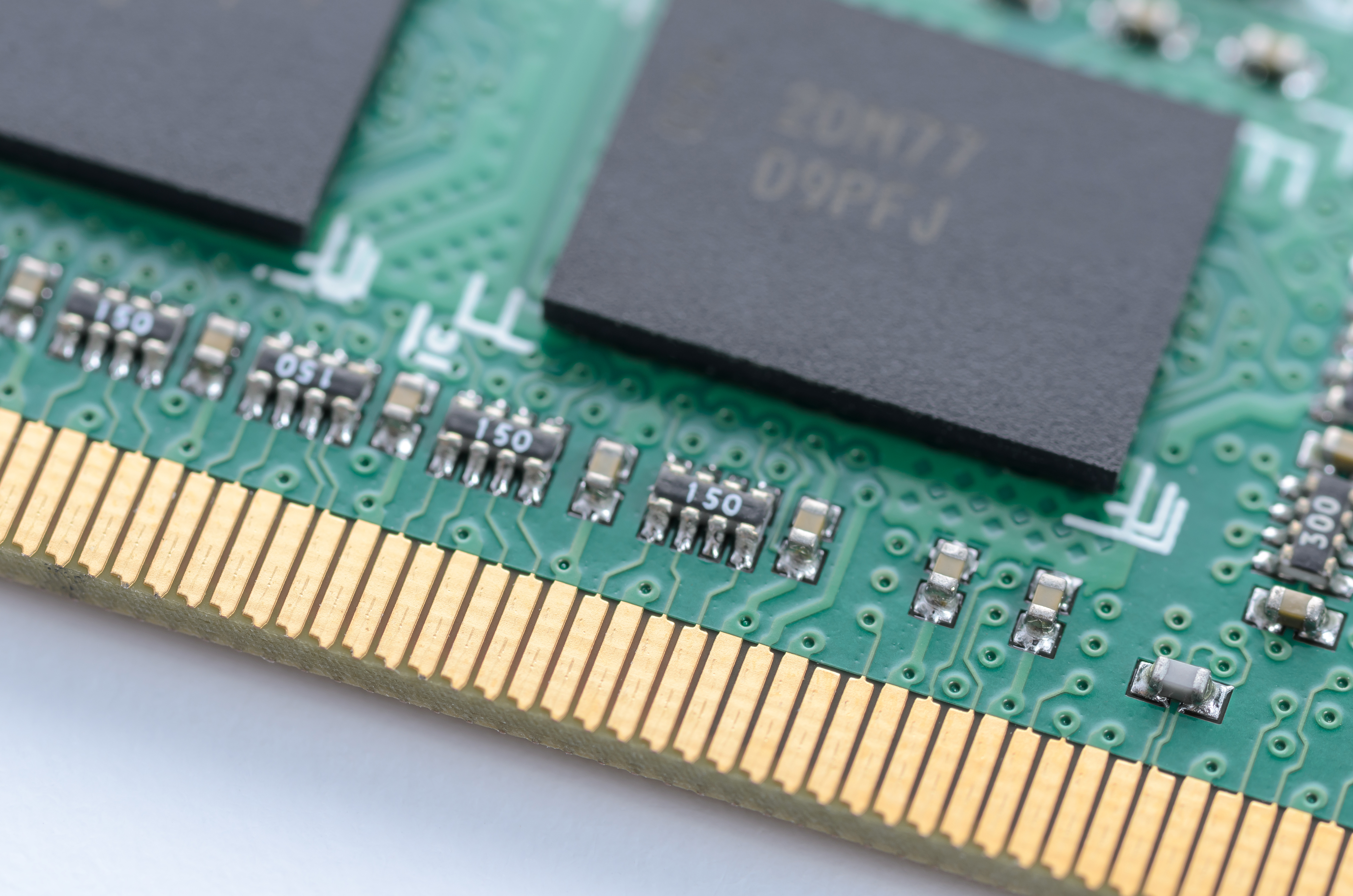
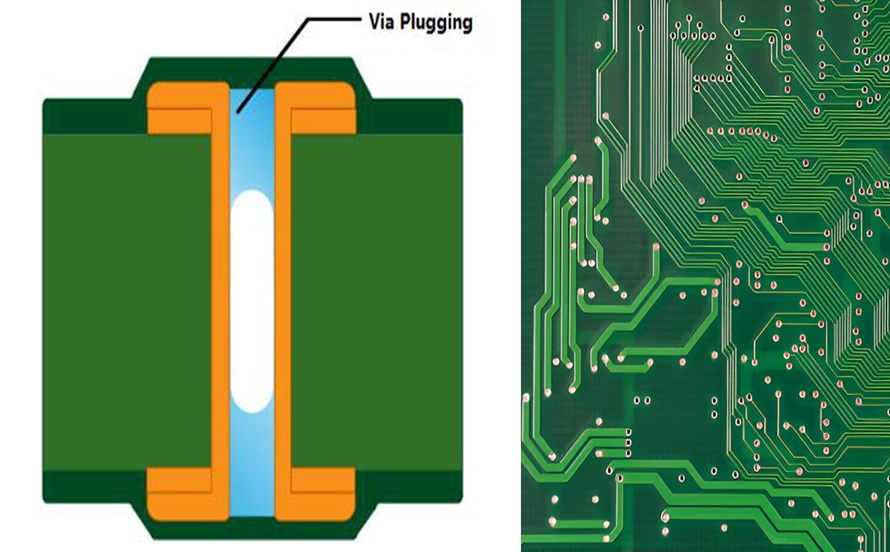
PCB drill bits are specialized tools designed to create precise holes in printed circuit boards, which are typically made of materials like FR-4, a fiberglass epoxy laminate. These holes are essential for mounting components, creating vias, or establishing electrical connections between layers. Unlike standard drill bits used for wood or metal, PCB drill bits are engineered for smaller diameters and must handle the unique properties of composite materials without causing delamination or burrs.
The importance of selecting the right PCB drill bits lies in their impact on the board’s functionality and structural integrity. Poor quality or incorrect bits can lead to uneven holes, damaged traces, or even complete board failure. For electronic hobbyists, using appropriate tools and materials ensures that projects remain functional and visually clean, reducing the risk of short circuits or mechanical stress during assembly.
Technical Principles of PCB Drilling
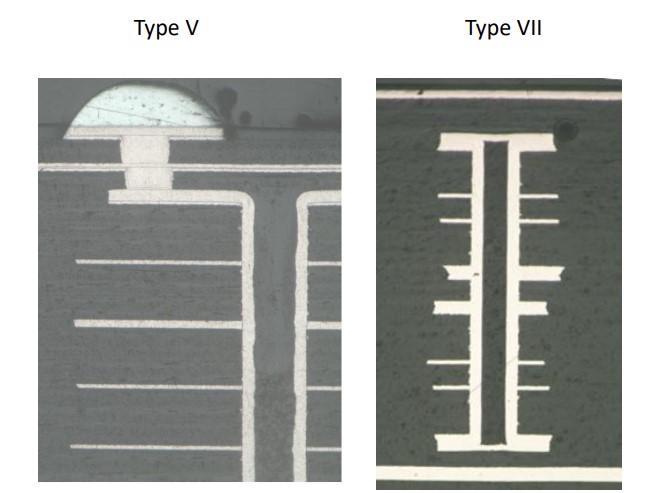
Understanding the mechanics behind PCB drilling helps hobbyists choose the right tools. PCBs often consist of multiple layers, including copper foil and insulating substrates, which require drill bits capable of cutting through both conductive and non-conductive materials simultaneously. The primary challenge is to avoid excessive heat buildup and mechanical stress, which can cause cracking or delamination of the board.
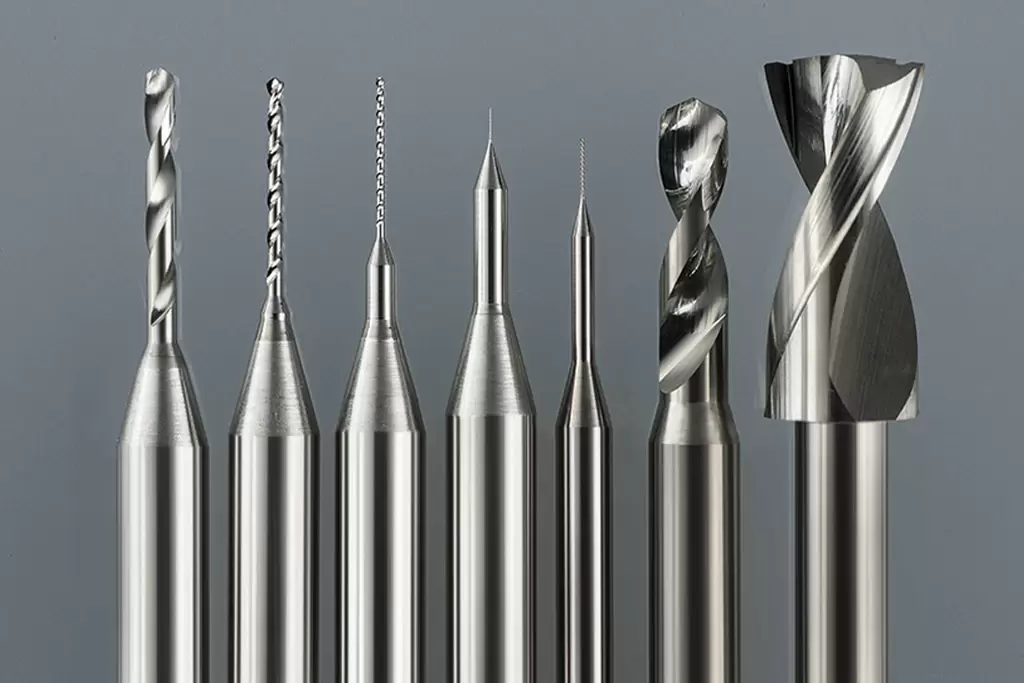
Drill bit geometry plays a crucial role in this process. Bits designed for PCB work typically have a high helix angle to facilitate chip removal and reduce heat. The tip angle, often around 130 degrees, helps in penetrating the material without wandering. Materials like tungsten carbide are commonly used due to their hardness and resistance to wear, especially when drilling abrasive substrates like FR-4. These properties make carbide micro drill bits a preferred choice for precision tasks in electronics.
Speed and feed rate are also vital considerations. High spindle speeds, often above 10,000 RPM, paired with a controlled feed rate, prevent overheating and ensure clean cuts. Hobbyists must match their drilling equipment to the bit’s specifications to avoid breakage or poor hole quality.
Types of PCB Drill Bits for Hobbyists
Several types of drill bits are available for PCB drilling, each suited to specific needs and budgets. Below is an overview of the most common options for electronic hobbyists.
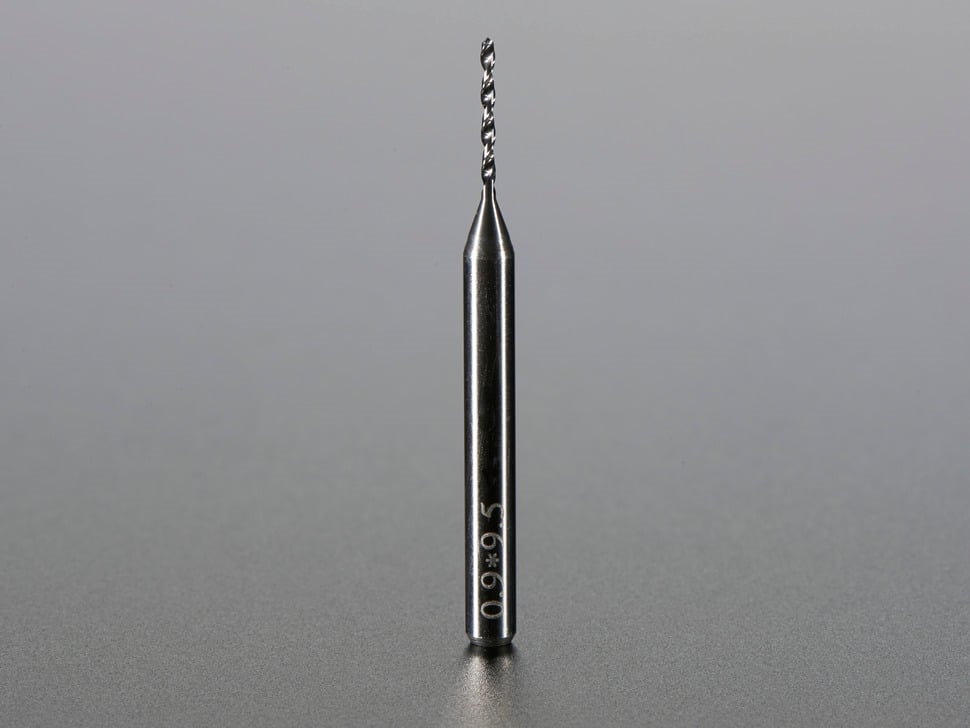
- Carbide Micro Drill Bits: These are the gold standard for PCB work due to their durability and precision. Made from tungsten carbide, they maintain sharpness even after repeated use on abrasive materials. They are ideal for small diameter holes, often ranging from 0.3 mm to 3.0 mm, which are common in PCB designs. Carbide bits resist wear better than other materials, making them a worthwhile investment for frequent projects.
- High-Speed Steel Bits: Often abbreviated as HSS, these bits are a more affordable option for hobbyists. While they are less durable than carbide, they can still handle occasional PCB drilling on softer materials. However, they dull quickly when used on FR-4, requiring frequent replacement.
- Diamond-Coated Bits: These are less common but useful for specialized applications involving very hard or ceramic-based boards. They offer exceptional longevity but are typically overkill for standard hobbyist projects.
When selecting PCB drill bits, consider the hole sizes required for your project. Most hobbyist boards need holes between 0.6 mm and 1.2 mm for component leads and vias. Ensure your chosen bits match these dimensions for compatibility.
Related Reading: Selecting the Ideal PCB Drill Bit for Precision and Reliability
Essential Tools and Materials for PCB Drilling
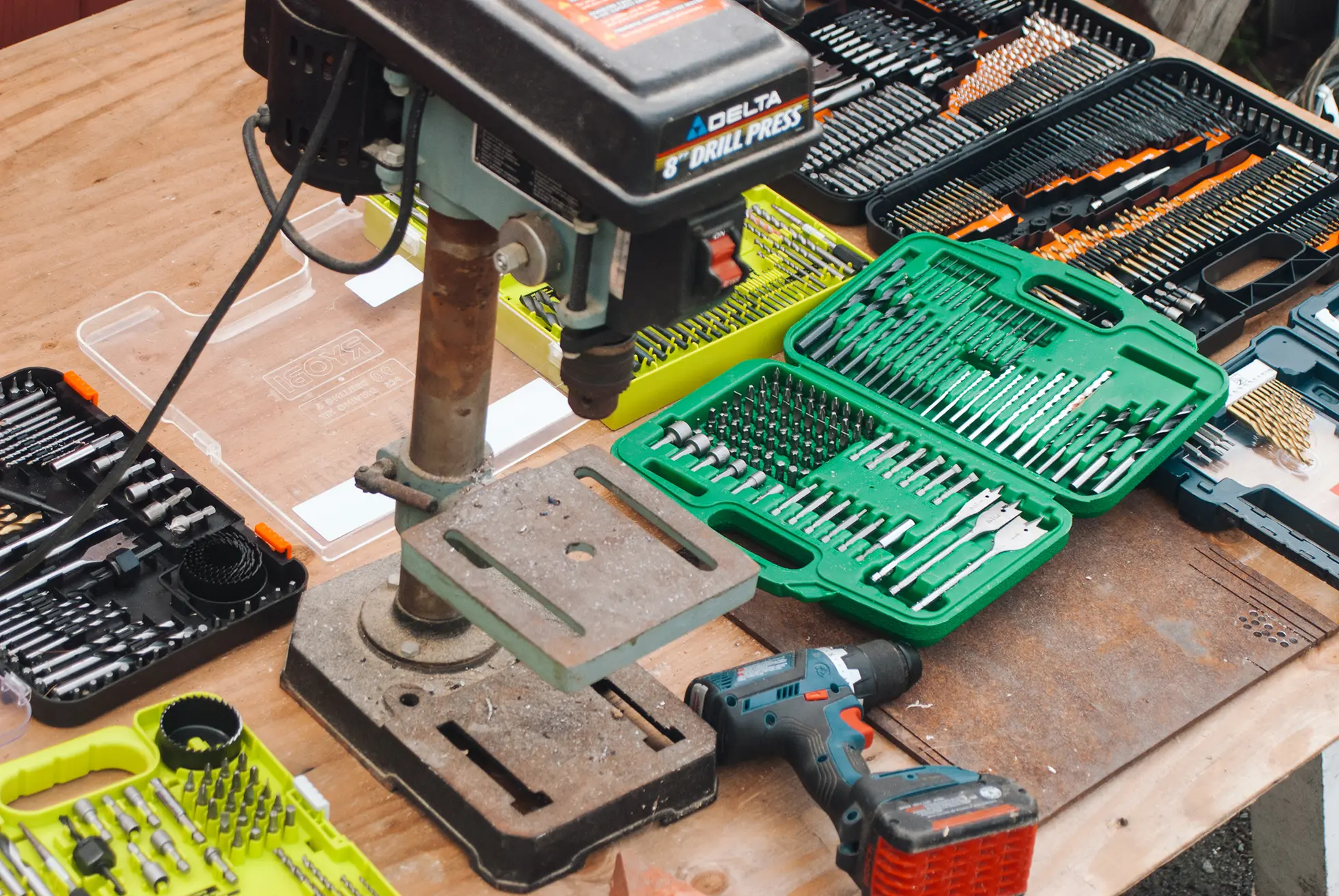
Beyond PCB drill bits, several tools and materials enhance the drilling process for electronic hobbyists. These accessories ensure safety, precision, and cleanliness during and after drilling.
- Cleaning Paper: After drilling, fine dust and debris often settle on the PCB surface. Cleaning paper, designed for delicate electronics, helps remove residue without scratching the board or leaving lint. It is a simple yet effective tool for maintaining a clean workspace.
- Sensor Cable: For hobbyists using automated drilling setups or CNC machines, a sensor cable can be crucial. It connects to sensors that detect board thickness or position, ensuring accurate hole placement. This is particularly useful for complex multi-layer boards.
- Cutting Mat and Craft Knife Combo: A cutting mat provides a stable, protective surface for drilling or manual modifications to the PCB. Paired with a craft knife, it allows precise trimming of excess material or scoring of the board before drilling. This combo is essential for preparing the board and protecting your work area.
- Plastic Tweezers: Handling small components or removing debris from drilled holes requires precision. Plastic tweezers are ideal as they avoid static discharge, which could damage sensitive electronic parts. They are a must-have for post-drilling cleanup and component placement.
Having these tools and materials ready ensures a smoother workflow and reduces the risk of errors during PCB drilling.
Best Practices for Drilling PCBs as a Hobbyist
- Secure the Board Properly: Always clamp the PCB to a stable surface or use a vise to prevent movement during drilling. A cutting mat beneath the board can absorb vibrations and protect the underlying surface.
- Use the Correct Speed: High spindle speeds are necessary for PCB drill bits, especially carbide micro drill bits. If using a handheld drill, opt for a model with variable speed control to maintain consistency.
- Drill in Short Bursts: Avoid prolonged drilling to prevent heat buildup. Short bursts of 2 to 3 seconds reduce the risk of burning the board or breaking the bit.
- Clear Debris Frequently: Use cleaning paper or a small brush to remove dust after each hole. This prevents clogging and ensures visibility for subsequent drilling.
- Wear Safety Gear: Fine dust from FR-4 can be harmful if inhaled. Wear a mask and safety glasses to protect yourself during the process.
Following these guidelines minimizes errors and extends the life of your tools and materials. Consistency in technique is key to mastering PCB drilling at home.
Related Reading: DIY Controlled Depth Drilling: Build Your Own PCB Signal Booster
Common Challenges and Troubleshooting Tips
Electronic hobbyists often encounter issues when drilling PCBs, especially with limited experience. Below are common problems and practical solutions.
- Bit Breakage: Carbide micro drill bits are brittle and can snap if excessive force is applied. To avoid this, ensure the drill is perpendicular to the board and apply gentle, even pressure.
- Burr Formation: Rough edges around holes can occur if the bit is dull or the speed is too low. Use sharp PCB drill bits and maintain high RPM to achieve clean cuts.
- Board Delamination: This happens when the drill generates too much heat or force, separating the board’s layers. Reduce drilling time per hole and use a backing material like a cutting mat to support the board.
- Inaccurate Hole Placement: Misaligned holes can ruin a PCB layout. Mark drilling spots with a craft knife before starting and double-check positions with plastic tweezers for small adjustments.
Addressing these challenges early prevents costly mistakes and improves the quality of your finished boards.
Conclusion
Drilling a PCB as an electronic hobbyist requires careful selection of PCB drill bits and supporting tools and materials. Carbide micro drill bits stand out for their precision and durability, making them ideal for frequent use on FR-4 boards. Complementing these with essentials like cleaning paper, sensor cables, a cutting mat and craft knife combo, and plastic tweezers ensures a professional workflow. By understanding the types of bits available and following best practices, hobbyists can achieve accurate, clean holes while avoiding common pitfalls. Equipping yourself with the right tools and knowledge transforms PCB drilling from a daunting task into a manageable and rewarding part of electronics prototyping.
FAQs
Q1: What are the best PCB drill bits for beginners in electronics?
A1: For beginners, carbide micro drill bits are highly recommended due to their precision and durability on standard FR-4 boards. While they cost more than high-speed steel options, they last longer and reduce the risk of damage. Start with a small set of sizes between 0.6 mm and 1.2 mm to cover common component needs.
Q2: How do I maintain tools and materials like cleaning paper and plastic tweezers?
A2: Keep cleaning paper in a dry, dust-free container to maintain its effectiveness for PCB cleanup. Store plastic tweezers in a protective case to avoid tip damage. Regularly inspect these tools for wear and replace them if they show signs of contamination or deformation to ensure safe handling of electronics.
Q3: Why should I use a cutting mat and craft knife combo for PCB work?
A3: A cutting mat and craft knife combo provides a stable surface for drilling and precise cutting of PCB material. The mat protects your workspace while the knife helps mark drill spots or trim edges. This combination is essential for maintaining accuracy and safety during preparation and drilling tasks.
Q4: How do sensor cables assist in PCB drilling for hobbyists?
A4: Sensor cables are useful in automated setups like CNC drilling machines, connecting to sensors that detect board position or thickness. They help ensure precise hole placement, especially on complex PCBs. For hobbyists, they add accuracy to repetitive tasks, though they are optional for manual drilling.
References
IPC-6012E — Qualification and Performance Specification for Rigid Printed Boards. IPC, 2020.
IPC-A-600K — Acceptability of Printed Boards. IPC, 2020.
ISO 9001:2015 — Quality Management Systems. ISO, 2015.