Introduction
In surface mount technology assembly, solder paste serves as the cornerstone for forming reliable electrical connections between components and printed circuit boards. When solder paste begins drying out, it disrupts the printing process, leading to inconsistent deposits, poor reflow performance, and defects such as insufficient solder volume or bridging. Engineers often encounter this issue during high-volume production runs or in environments with fluctuating conditions, resulting in rework costs and delayed timelines. Understanding the root causes of solder paste drying helps maintain process control and ensures compliance with assembly quality standards. This article explores why solder paste dries, common triggers in PCB assembly workflows, and practical steps to prevent it. By addressing solder paste drying proactively, teams can optimize yield and reliability in their SMT lines.
What Is Solder Paste and Why Does It Matter?
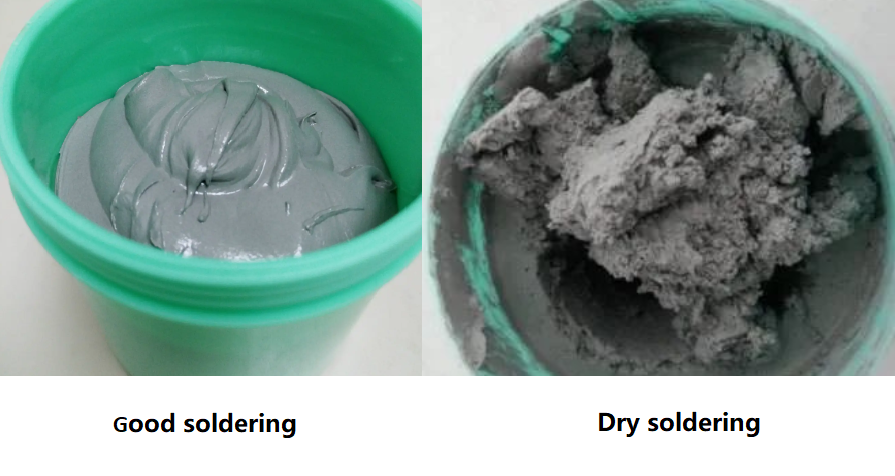
Solder paste consists of fine solder alloy powders suspended in a flux vehicle, typically comprising activators, solvents, and rheological additives that control viscosity and printability. The flux cleans surfaces, prevents oxidation during reflow, and promotes wetting between pads and component leads. In modern fine-pitch assemblies, solder paste enables precise deposition volumes critical for minimizing voids and ensuring joint integrity. When it dries, the flux loses volatility, causing the paste to become crumbly and unable to release cleanly from stencils. This degradation directly impacts first-pass yield, as dry solder paste leads to variations in deposit height and area, compromising electrical performance. Proper management of solder paste quality aligns with industry requirements for consistent soldering processes.
Common Causes of Solder Paste Drying Out
One primary cause of solder paste drying stems from improper storage temperatures exceeding recommended refrigeration levels, typically between 2°C and 10°C. At ambient room temperatures above 25°C, solvents in the flux vehicle evaporate faster, altering the paste's rheology and making it prone to separation. Engineers notice this when paste jars or cartridges sit out overnight, accelerating moisture loss and powder agglomeration. Fluctuations between cold storage and warm environments exacerbate the issue through repeated thermal cycling.
Prolonged exposure to ambient air ranks as another frequent culprit for dry solder paste. Once a container opens, oxygen interacts with the flux, promoting oxidation of metal particles and volatilization of activators. In busy assembly lines, paste left on printers for hours beyond optimal use time loses its creamy consistency, forming a stiff mass that clogs apertures. Low relative humidity below 40% in the production area compounds this by drawing residual moisture from the paste.
Temperature cycling during handling contributes significantly to solder paste drying. Multiple warming periods, often from rushed production schedules, cause flux to separate from powders, resulting in a dry exterior layer. Per IPC J-STD-001G requirements for soldered assemblies, such inconsistencies in material condition lead to non-conforming joints. Over time, these cycles degrade the paste's ability to form uniform deposits.
Exceeding the manufacturer's shelf life, usually four to six months under refrigeration, allows gradual oxidation and solvent degradation. Paste approaching expiration shows reduced tackiness and slump resistance, signaling internal breakdown. Environmental contaminants like dust or residual cleaners can also initiate drying by reacting with flux components.
Practical Solutions and Best Practices for Prevention
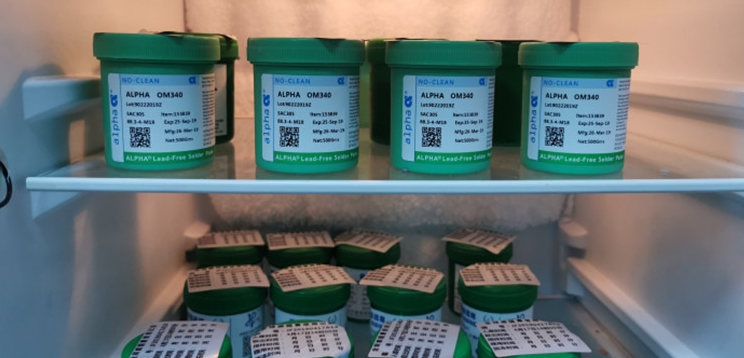
Store solder paste in a dedicated refrigerator set between 2°C and 10°C, ensuring containers remain sealed and labeled with receipt and opening dates. Implement a first-in, first-out inventory system to use oldest stock first, preventing age-related drying. Avoid stacking jars to minimize pressure-induced separation, and position syringes tip-down to keep flux evenly distributed.
Before use, allow paste to stabilize at room temperature for four to six hours in a controlled environment to prevent condensation and thermal shock. Remix thoroughly with a spatula or mixer to restore homogeneity, checking for smooth consistency without lumps. Limit open-air exposure to under one hour per session, covering unused portions immediately.
Maintain production area humidity between 40% and 60% using dehumidifiers or HVAC controls, as this preserves flux moisture balance. Clean stencil and printer regularly to avoid cross-contamination that accelerates drying. Flux classification under J-STD-004B helps select stable formulations resistant to environmental stressors.
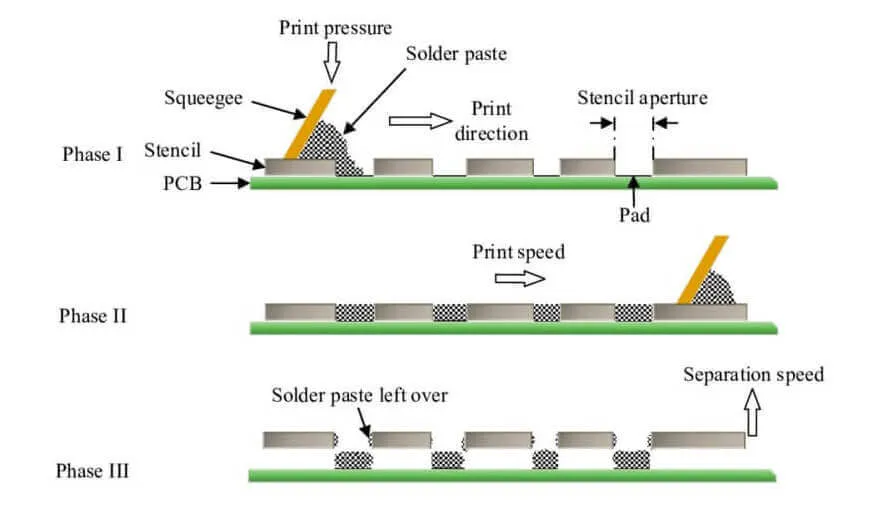
For dispensing, calibrate printer pressure and speed to match paste viscosity, reducing shear that promotes drying. Monitor paste performance with slump and print transfer efficiency tests during shifts.
Reviving dry solder paste proves unreliable and not recommended for production, as added solvents or fluxes alter alloy ratios and reflow behavior. Discard compromised batches to uphold assembly standards, opting for fresh material instead.
Troubleshooting Dry Solder Paste Issues
Identify dry solder paste by its crumbly texture, lack of sheen, or failure to spread evenly during spatula tests. Inspect prints for low transfer ratios, beading, or skipping, which indicate viscosity changes. Conduct simple slump tests on substrates to quantify flow issues.
If drying recurs, audit storage logs and environmental data for patterns like temp spikes. Adjust workflows by batching smaller quantities to cut exposure time. Consistent troubleshooting maintains process capability.
Conclusion
Solder paste drying disrupts SMT reliability through flux evaporation, oxidation, and improper handling. Key causes include poor storage, air exposure, and thermal cycling, all preventable with disciplined practices like refrigeration, controlled warming, and humidity management. Adhering to standards ensures material integrity for high-yield assemblies. Implementing these tips minimizes dry solder paste incidents, streamlining production and reducing defects.
FAQs
Q1: Why is my solder paste drying out so quickly during SMT runs?
A1: Solder paste drying often results from extended exposure to ambient air or low humidity, causing flux solvents to evaporate and powders to oxidize. Limit open time to under one hour, remix frequently, and maintain 40-60% RH in the area. Proper printer cleaning prevents residue buildup that worsens the issue. These steps preserve paste performance for consistent prints.
Q2: How should I store solder paste to prevent it from drying?
A2: Storing solder paste refrigerated at 2-10°C extends shelf life to four-six months, minimizing solvent loss and oxidation. Seal containers tightly, label dates, and thaw slowly at room temp for four-six hours before use. Avoid temperature swings to keep the flux vehicle stable. Follow these for reliable handling in assembly.
Q3: Can I revive solder paste that has dried out?
A3: Reviving dry solder paste by adding flux or solvents compromises rheology and reflow properties, risking defects like voids or bridging. Standards discourage this for production due to inconsistent alloy-flux ratios. Test small amounts if prototyping, but discard for critical assemblies to ensure quality. Fresh paste guarantees better results.
Q4: What are the signs of dry solder paste in PCB assembly?
A4: Dry solder paste appears crumbly, loses tackiness, and prints unevenly with low deposit heights or beading. It fails slump tests and causes reflow issues like insufficient wetting. Check viscosity and remix; if persistent, review storage. Early detection prevents yield loss.
References
IPC J-STD-001G — Requirements for Soldered Electrical and Electronic Assemblies. IPC, 2017
J-STD-004B — Requirements for Soldering Fluxes. IPC/JEDEC, 2008
IPC J-STD-005A — Requirements for Soldering Pastes. IPC, 2003