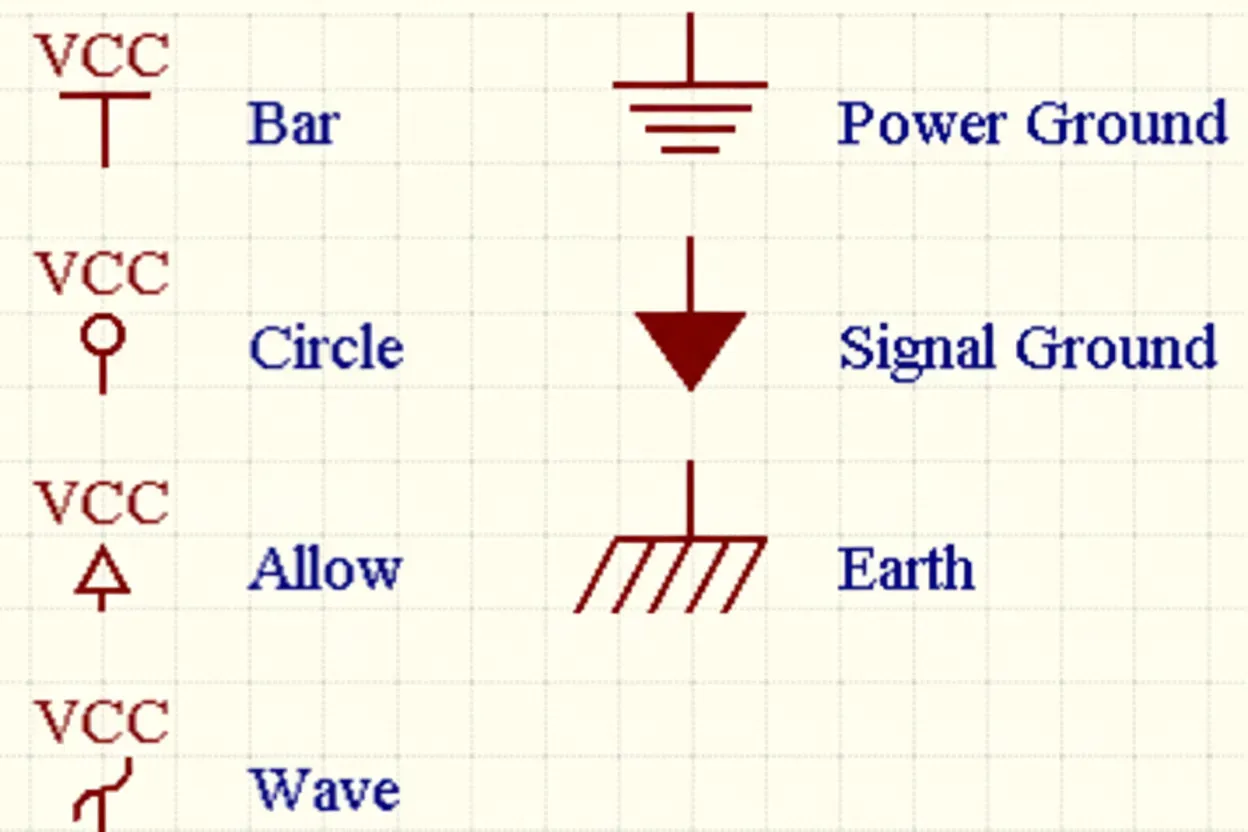
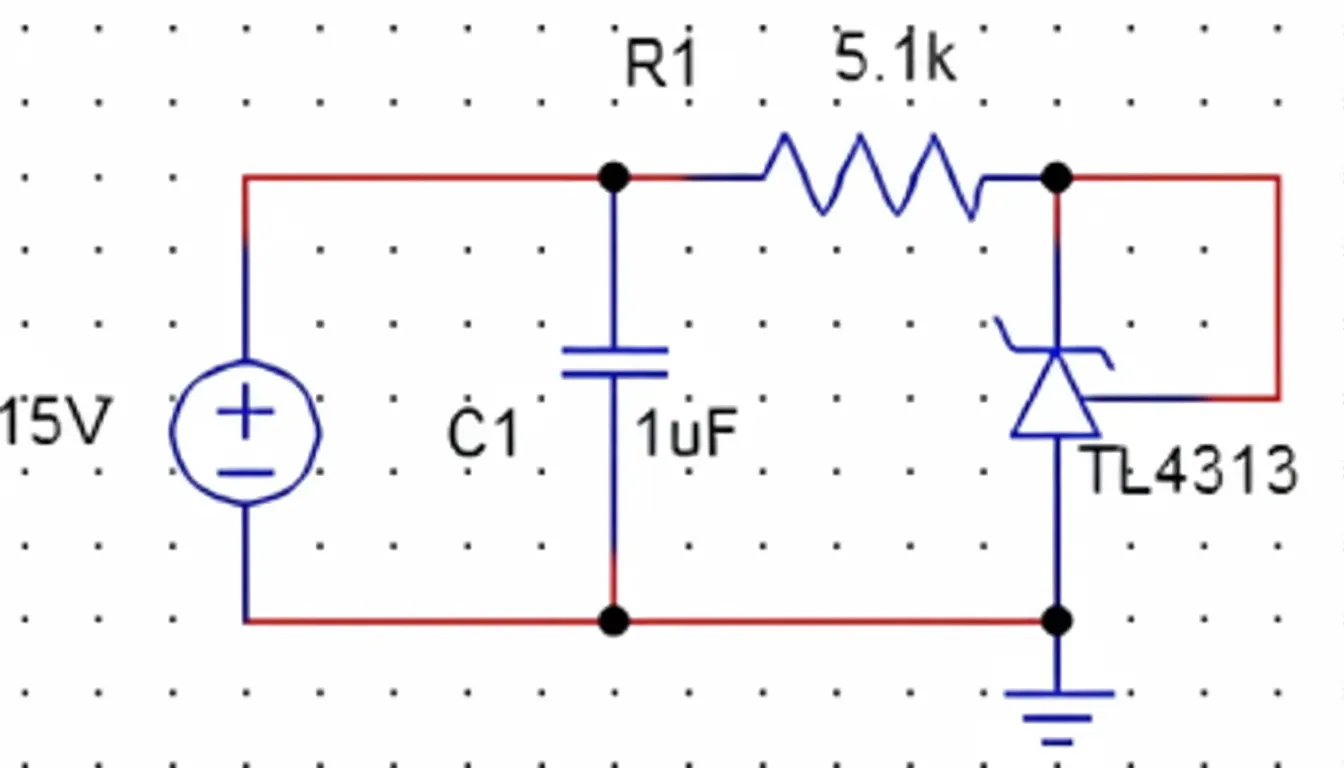
Battery management systems (BMS) serve as the critical intelligence layer between high-voltage battery packs and the rest of the vehicle or energy system. In electric vehicles (EVs), energy storage, and emerging applications like eVTOL and electric scooters, reliable PCB design and manufacturing directly determine system safety, efficiency, longevity, and performance. At Aivon, we specialize in producing high-reliability PCBs that address the demanding requirements of power electronics in these environments.
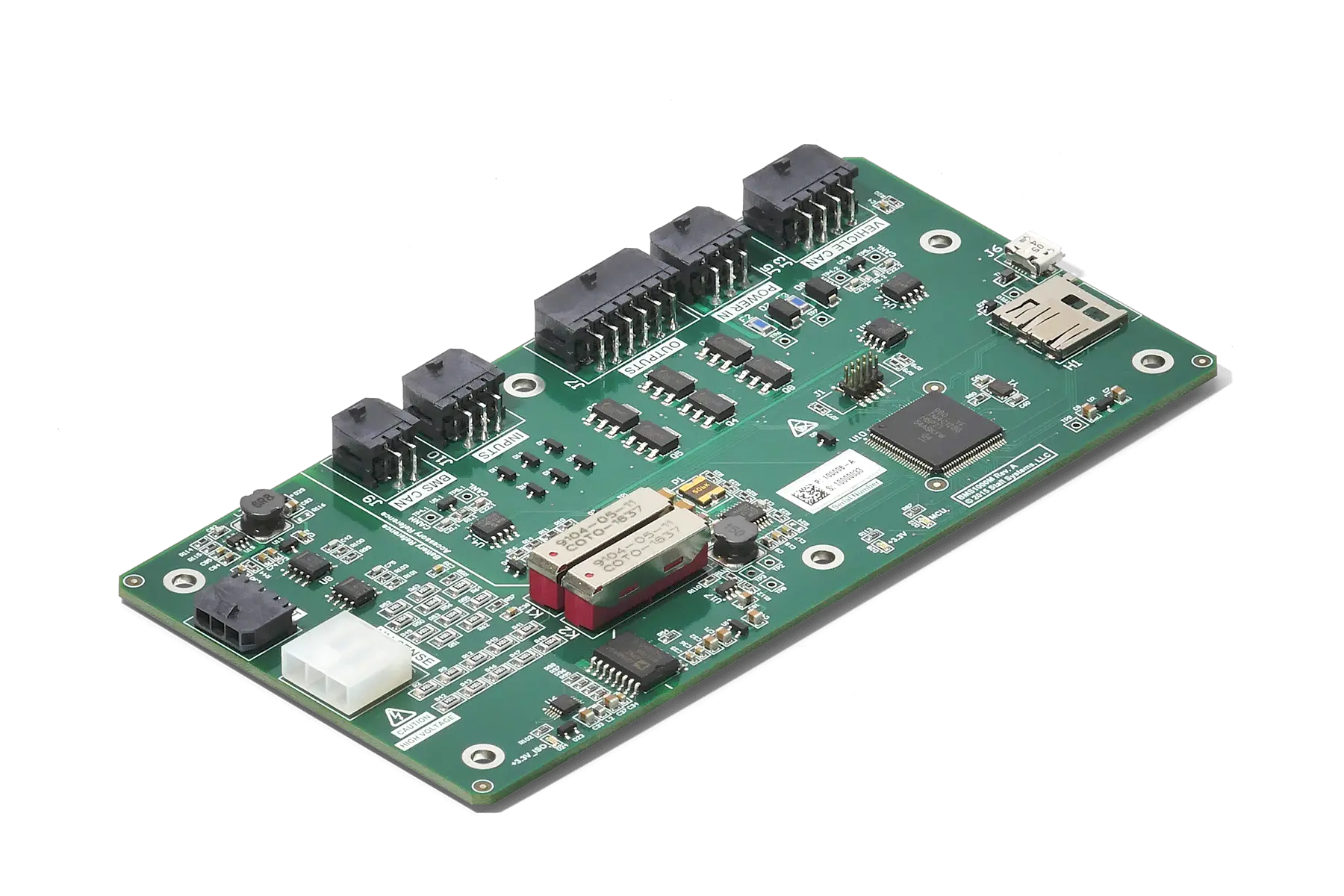
Core Functions of BMS and Associated PCB Challenges
A robust BMS continuously monitors cell voltage, current, temperature, and state of charge (SoC), while performing cell balancing, fault detection, thermal management, and protection against overcharge, over-discharge, and thermal runaway. These functions generate complex signal integrity, high-current, and mixed-signal demands on the supporting PCBs.
Key PCB design considerations include:
- High-voltage isolation and creepage/clearance: BMS boards often handle voltages from 400V to 800V+ in modern EV packs. Proper stack-up design, material selection (high CTI FR4 or high-Tg laminates), and spacing are essential to prevent arcing and ensure compliance with safety standards.
- Thermal management: Lithium-ion cells perform best around 25-40 degrees Celsius. PCBs in BMS and battery packs must incorporate heavy copper (2-4 oz or more), thermal vias, and sometimes metal-core or insulated metal substrate (IMS) constructions to dissipate heat from power MOSFETs, current-sense resistors, and connectors. Poor thermal design accelerates cell degradation and increases runaway risk.
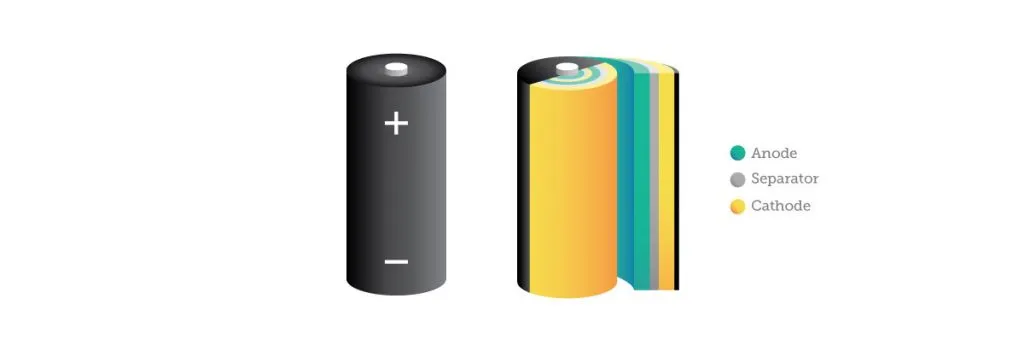
- Signal integrity and EMI/EMC: High-speed CAN bus communication, precise analog voltage sensing, and current measurement require careful layout to minimize noise. Ground planes, controlled impedance traces, and shielding are vital, especially in dense multilayer boards near high-current paths.
- Cell balancing circuits: Passive or active balancing demands precise current control. PCB layout must minimize trace resistance differences and handle localized heating.
Battery Pack Architecture and PCB Integration
Modern EV battery packs consist of thousands of cylindrical, prismatic, or pouch cells arranged in modules. Tesla's 4680 cells, for example, represent larger-format designs aimed at reducing connections and improving energy density, but they introduce new thermal and mechanical stresses on interconnect PCBs.
PCBs in battery packs handle:
- Module interconnects and busbars
- Distributed BMS slave boards for local monitoring
- High-current power distribution
- Sensor integration (temperature, voltage, strain)
Manufacturing challenges include achieving consistent via reliability under vibration and thermal cycling, using press-fit or welded connections for high-current paths, and ensuring long-term reliability in harsh automotive environments (temperature swings, humidity, vibration).
Material Selection and Manufacturing Processes for Reliability
For new energy applications, standard FR4 often falls short. Engineers specify:
- High-Tg materials (>170 degrees Celsius) for thermal stability
- Low-loss dielectrics for high-frequency sensing
- Thick copper for current-carrying capacity
- Halogen-free laminates for environmental and safety compliance
Advanced fabrication techniques - such as sequential lamination for HDI designs, back-drilling to reduce stub effects in high-speed signals, and selective heavy copper plating - are essential. In solid-state battery development, where higher energy densities and different chemistries emerge, PCBs must accommodate new voltage profiles, faster charging rates, and potentially different thermal runaway behaviors.
Maintenance, Lifespan Extension, and PCB-Level Reliability
Battery lifespan depends heavily on consistent management. Proper BMS operation prevents deep discharges and maintains cell balance, directly extending cycle life. From a PCB perspective, this requires:
- High-reliability components and solder joints resistant to thermal fatigue
- Conformal coating or potting in harsh environments
- Design for testability (test points, boundary scan) to support end-of-line and field diagnostics
Regular capacity testing and monitoring benefit from robust data acquisition circuits on the PCB. In second-life applications, accurate historical data from well-designed BMS PCBs helps assess remaining useful life.
Addressing EV Growth Limitations Through Better Power Electronics
Several factors slow widespread EV adoption: safety concerns, high costs, range anxiety, and battery degradation. Superior PCB design in BMS directly mitigates these by enabling:
- More accurate SoC/SoH estimation
- Faster, safer charging protocols
- Better thermal uniformity across packs
- Predictive maintenance through continuous monitoring
Emerging technologies like solid-state batteries promise higher energy density and safety but introduce new interface challenges - such as different expansion characteristics and higher voltages - that demand advanced PCB substrates and interconnect strategies.
PCB Design for Specific Applications and Circuits
Charging and Protection Circuits
Reverse voltage protection, single-cell Li-ion boost to 5V, and high-power charging systems (e.g., 500W lead-acid or scooter/e-bike circuits) all rely on optimized power supply PCBs. Layout must prioritize low-inductance paths, proper heat sinking, and protection components placement.
Monitoring and Alarms
E-bike battery level monitoring circuits and real-time clock (RTC) backup batteries require low-power, high-accuracy analog front-ends on compact PCBs.
Thermal and Cooling Integration
Whether air, liquid, or direct cooling is used, PCBs must interface seamlessly with cooling systems while maintaining signal integrity.
Future Outlook: PCB Innovation Supporting Next-Gen Batteries
As the industry moves toward higher energy density cells (including 4680-style and solid-state), PCB manufacturers must deliver:
- Greater integration (embedded components, rigid-flex for space-constrained packs)
- Enhanced thermal solutions (microvias, thermal interface materials)
- Improved manufacturability for high-volume automotive qualification (IATF 16949)
Aivon supports these advancements with capabilities in multilayer, heavy copper, HDI, and metal-core PCBs tailored for new energy applications. Our expertise ensures designs move efficiently from prototype to mass production while meeting stringent reliability requirements.
Effective BMS and power electronics performance ultimately depend on the underlying PCB platform. By focusing on material science, layout optimization, thermal design, and manufacturing precision, engineers can unlock safer, longer-lasting, and more efficient battery systems - accelerating the transition to sustainable energy.
For custom PCB solutions optimized for your BMS, battery pack, or charging application, contact Aivon's engineering team to discuss stack-up, materials, and DFM strategies specific to your project.