On March 28, 2024, the Xiaomi SU7 launched.
Battery system used in the SU7
The Xiaomi SU7 is equipped with a 101 kWh CATL "Qilin" battery and uses CTB (cell-to-body) integrated battery technology. The battery system was developed collaboratively by Xiaomi and CATL over two years; detailed information was revealed at the vehicle launch.
With an 800 V fast-charging architecture, the SU7 can add about 220 km of range in 5 minutes and about 510 km in 15 minutes, significantly shortening charging time and reducing dependence on charging stations.
EV battery classifications
Batteries can be classified broadly or narrowly. Broadly, batteries are chemical, biological, or physical, and chemical batteries are the ones widely used in electric vehicles.
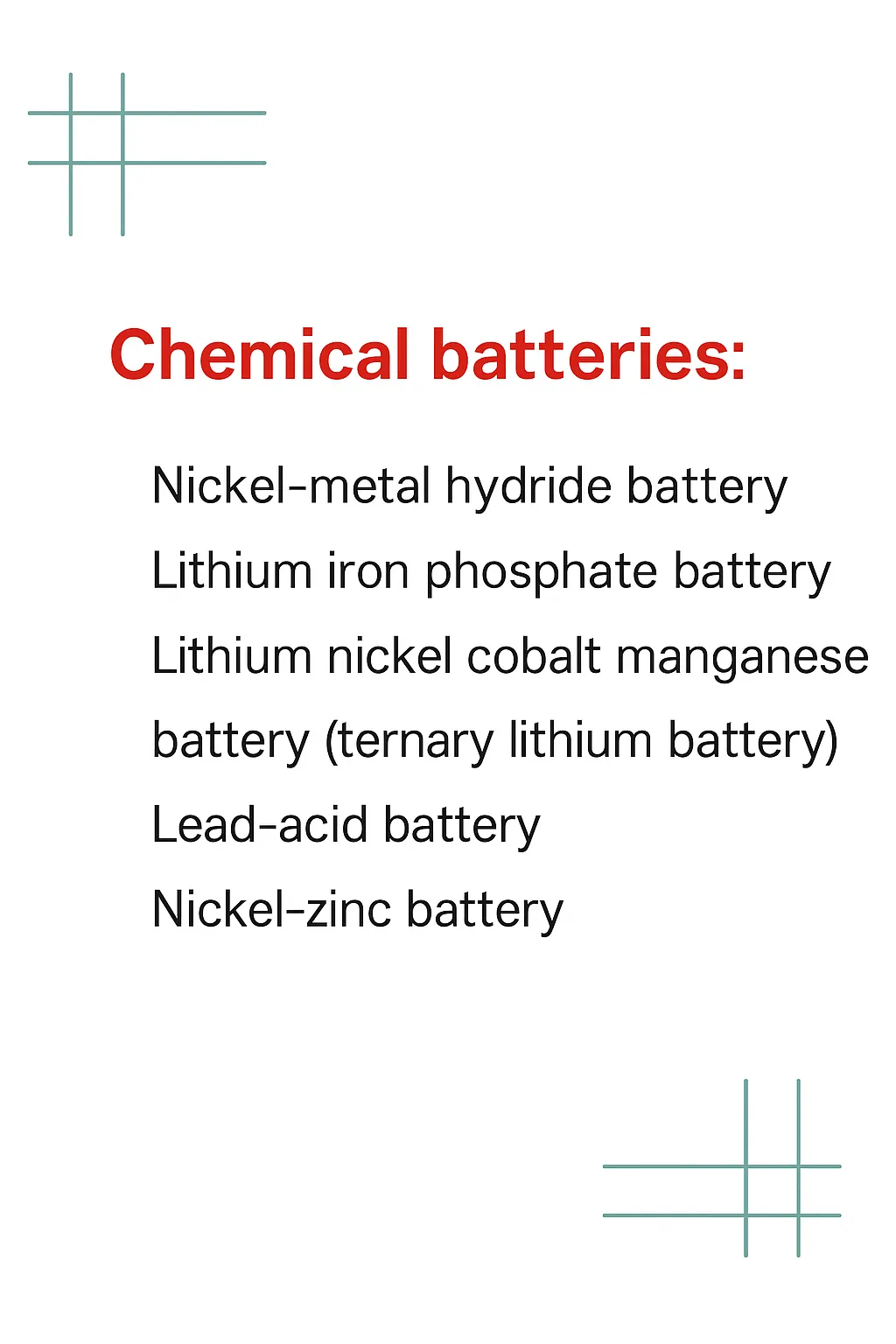
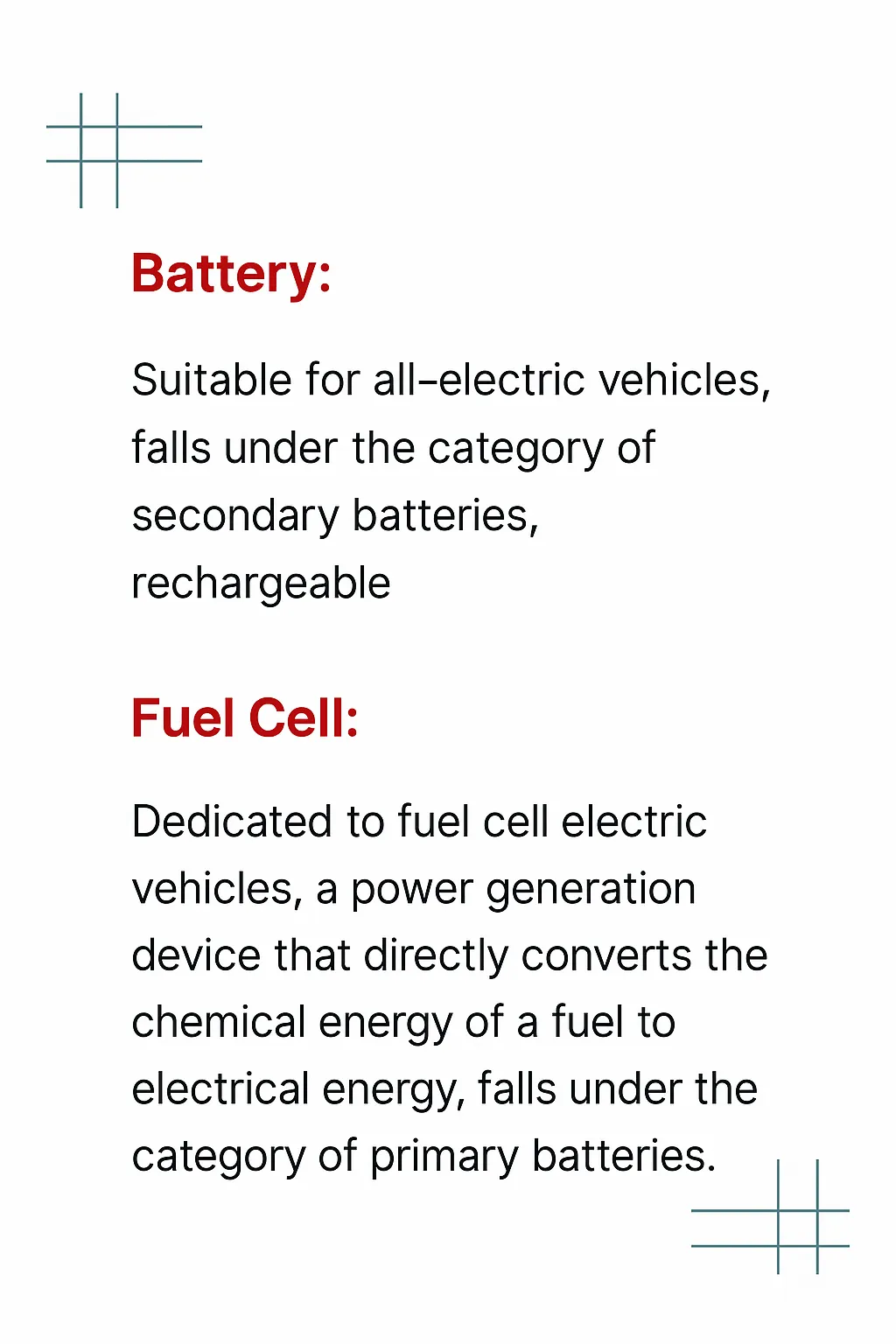
Narrowly, vehicle power systems are divided into rechargeable batteries (secondary batteries) and fuel cells.
Common chemistries
Most consumer electric vehicles use rechargeable batteries, primarily lithium iron phosphate (LFP), ternary lithium (NMC/NCA), and nickel-metal hydride (NiMH).
For example, BYD's blade battery is an LFP design; different versions of the Tesla Model 3 have used ternary lithium and LFP chemistries; the Toyota Corolla Hybrid uses NiMH.
Battery lifespan
Battery life is affected by many factors, including internal factors such as quality control and manufacturing, and external factors such as operating environment and driving habits. Therefore, battery life cannot be stated as a single fixed value. The following discusses typical theoretical lifetimes for common EV battery chemistries, assuming full-depth discharge cycles.
Lithium iron phosphate (LFP)
Mainstream LFP cells typically achieve about 1,500 to 2,000 full charge-discharge cycles. For a vehicle with a 500 km range per full charge, that corresponds to 750,000–1,000,000 km of theoretical range before capacity falls to end-of-life thresholds.
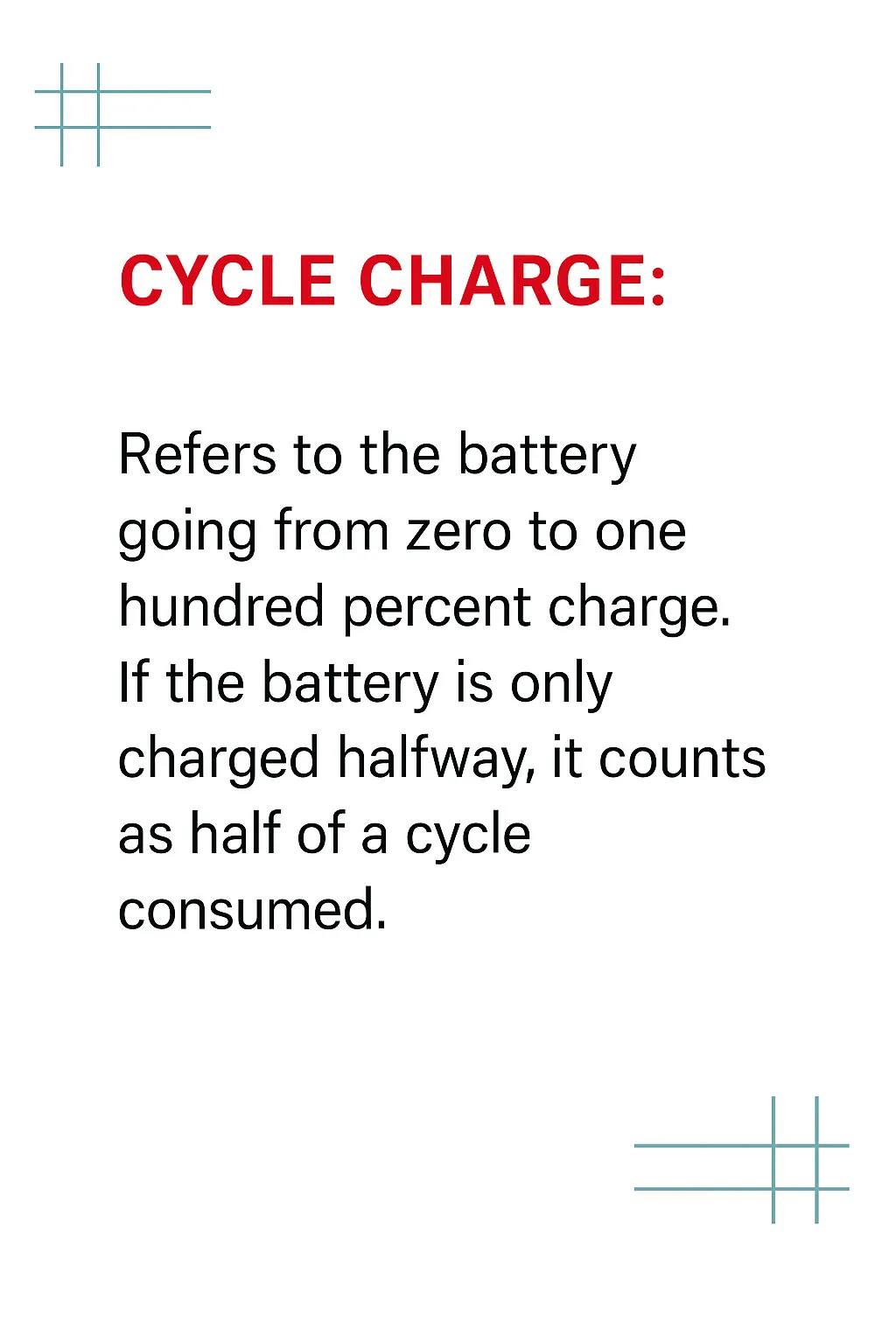
Accounting for capacity fade over time and real-world range being lower than official figures, applying conservative adjustment factors reduces that range. After adjustments, 1,500–2,000 full cycles equate to roughly 480,000–640,000 km of real-world driving.
At an annual mileage of 20,000 km, this corresponds to about 24–32 years of use.
Ternary lithium (NMC/NCA)
Ternary lithium cells typically have fewer full cycles than LFP, often around 1,000 cycles. Using the same calculation method, 1,000 full cycles translate to about 320,000 km of real-world driving, or around 16 years at 20,000 km per year.
Replacement cost and warranty
China requires that key EV components—battery, electronic control (BMS and power electronics), and motor—carry a warranty of at least 8 years or 120,000 km; repairs within that period are covered by warranty. Some manufacturers offer longer warranty terms; for example, BYD has offered extended warranty programs.
When a battery issue occurs, replacing a single faulty module or a few modules is usually sufficient rather than replacing the entire vehicle battery pack. Labor to replace a single module is commonly on the order of 1,000–2,000 (local currency), depending on the workshop and vehicle. As battery technology continues to improve and production scales, battery costs and replacement expenses are expected to decline.