Antenna overview
An antenna is a commonly used component that is widely applied in broadcasting, television, wireless communications, radar, navigation, electronic warfare, remote sensing, and radio astronomy. An antenna converts guided electromagnetic energy into free-space radiation in preferred directions, or conversely receives electromagnetic energy from specific directions. Any device that transmits information via electromagnetic waves requires an antenna to radiate or receive signals.
Key concepts and antenna types
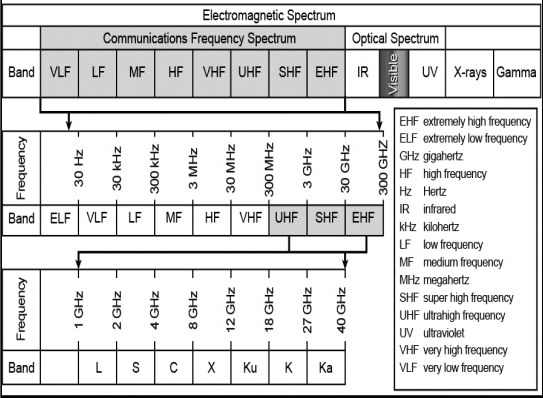
One concept to keep in mind: the higher the frequency, the shorter the wavelength, and the shorter the antenna. Typical mobile communication frequencies are in the 900-1800 MHz range, while some consumer walkie-talkies operate near 409-410 MHz; lower frequencies require longer antennas to achieve greater transmission range. Different applications use different frequency bands and communication systems, so various antenna types are required.
By radiation pattern, antennas are classified as omnidirectional or directional. Omnidirectional antennas radiate energy more evenly in all directions, so energy is dispersed and transmission distance is shorter. Directional antennas focus energy into specific directions, concentrating radiation and achieving longer ranges in those directions.
By material or structure, common types include PCB antenna (on-board antenna), ceramic antenna, and monopole (rod) antennas. PCB antennas are integrated inside products and can reduce product size constraints. Parabolic dish antennas seen on rooftops are highly directional high-gain antennas used for long-distance links. The well-known Yagi antenna consists of multiple elements and provides strong directionality. Drone antennas are typically small and lightweight to minimize payload. Antenna shapes can be diverse; for example, a 3D choke antenna used in a ground-based augmentation system for BeiDou provides improved positioning by combining specific mechanical and electromagnetic structures.
How to evaluate antenna performance
Several primary parameters are used to evaluate antenna performance:
1. Operating frequency and bandwidth
Operating frequency is the fundamental parameter indicating the frequency range an antenna can radiate or receive. This range is the antenna's bandwidth. For example, an antenna with a bandwidth of 2.3-2.5 GHz can operate effectively within that band but will perform poorly at 2.0 GHz. Different technologies require antennas that cover their specific bands, for example: Bluetooth 2.402-2.480 GHz; Wi-Fi 2.412-2.472 GHz; LoRa 470-510 MHz.
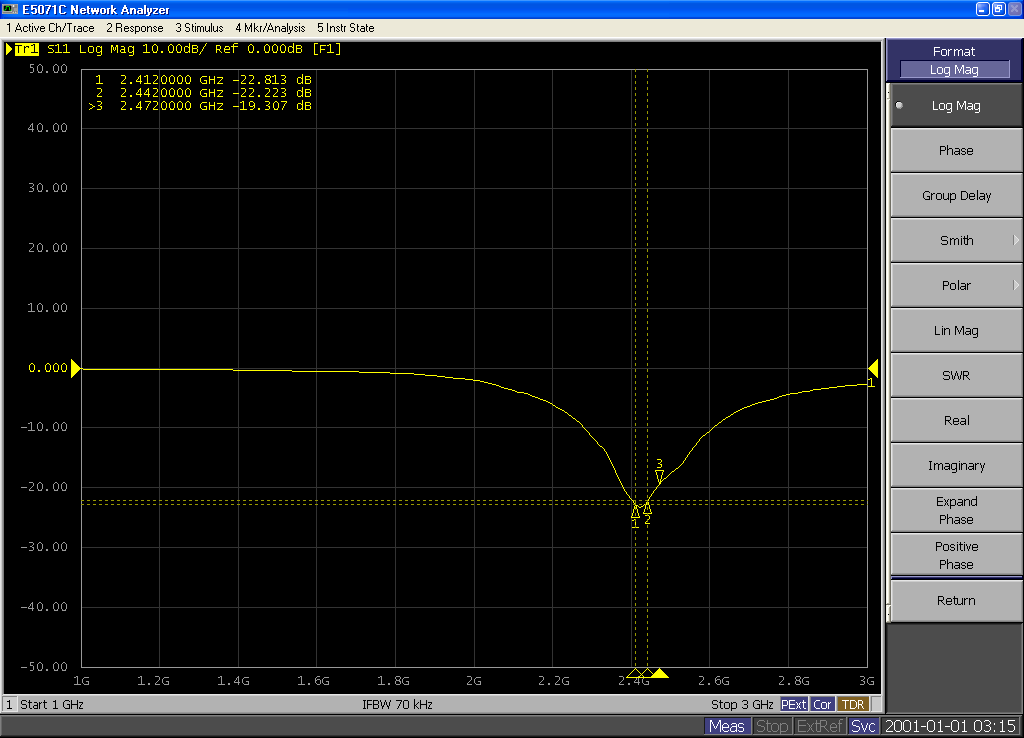
Example: testing the operating frequency of a Wi-Fi antenna.
2. Gain
Antenna gain does not amplify signal power like an active amplifier; instead, it describes the relative concentration of radiated power in a particular direction compared with an isotropic radiator. Higher gain means radiated energy is more focused in the main direction, improving link range in that direction. Choosing a higher-gain antenna can extend communication distance under otherwise equal conditions.
3. Voltage standing wave ratio (VSWR)
VSWR characterizes the impedance matching between the feedline and the antenna. It is the ratio of the maximum to minimum voltage in the standing wave pattern. A VSWR of 1 indicates perfect matching: all RF energy is radiated by the antenna with no reflection. An infinite VSWR indicates total reflection with no radiation. In wireless module design, VSWR should be less than or equal to 2.0. The antenna input impedance is the ratio of induced voltage to current at the feed point; the standard impedance in RF systems is 50 ohms.
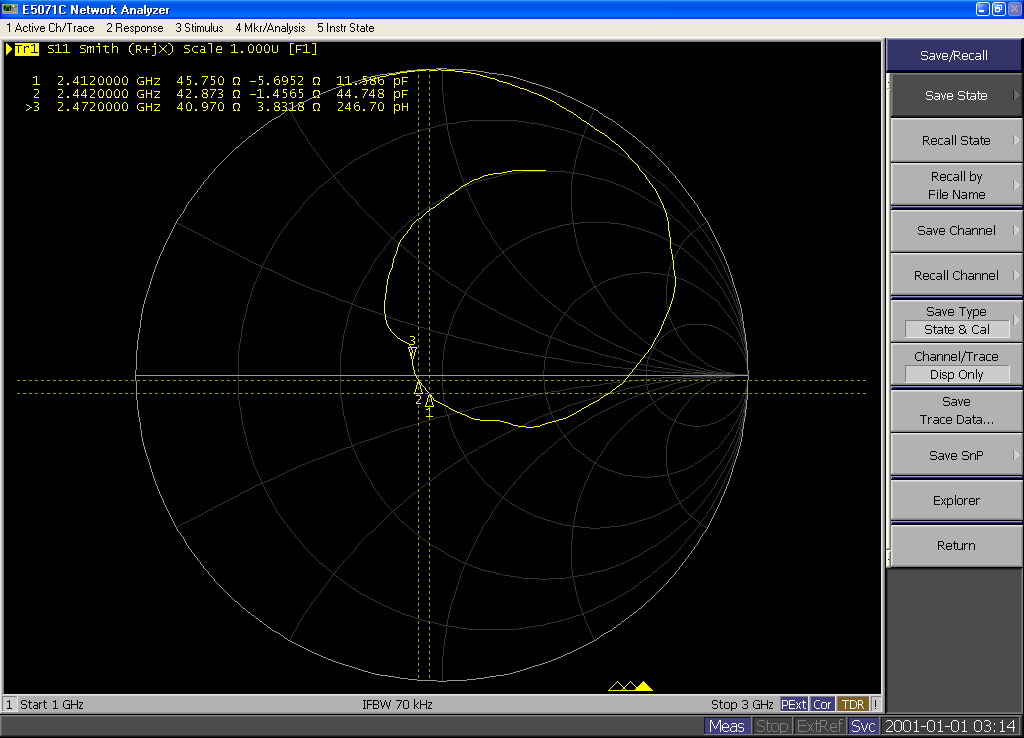
Example: measuring antenna input impedance.
How to choose an antenna
Common antennas include spring antennas, rod antennas, and magnetic-mount (suction) antennas. Match the antenna type to transmit power and frequency: lower-power modules can use spring or monopole antennas, while higher-power systems often use larger rod or magnetic-mount antennas. Each antenna supports specific frequency ranges; using an antenna outside its supported band will degrade performance, so operate devices within the antenna's supported band for optimal results. Generally, magnetic-mount antennas offer higher gain than rod or spring antennas.
LoRa antenna placement recommendations
- Place antennas as far above the ground as practical. During tests, do not touch the antenna; keep the antenna more than 2 m above ground and keep people more than 2 m away from the antenna.
- Keep antennas away from large metal objects and bodies of water; minimize obstructions between antennas.
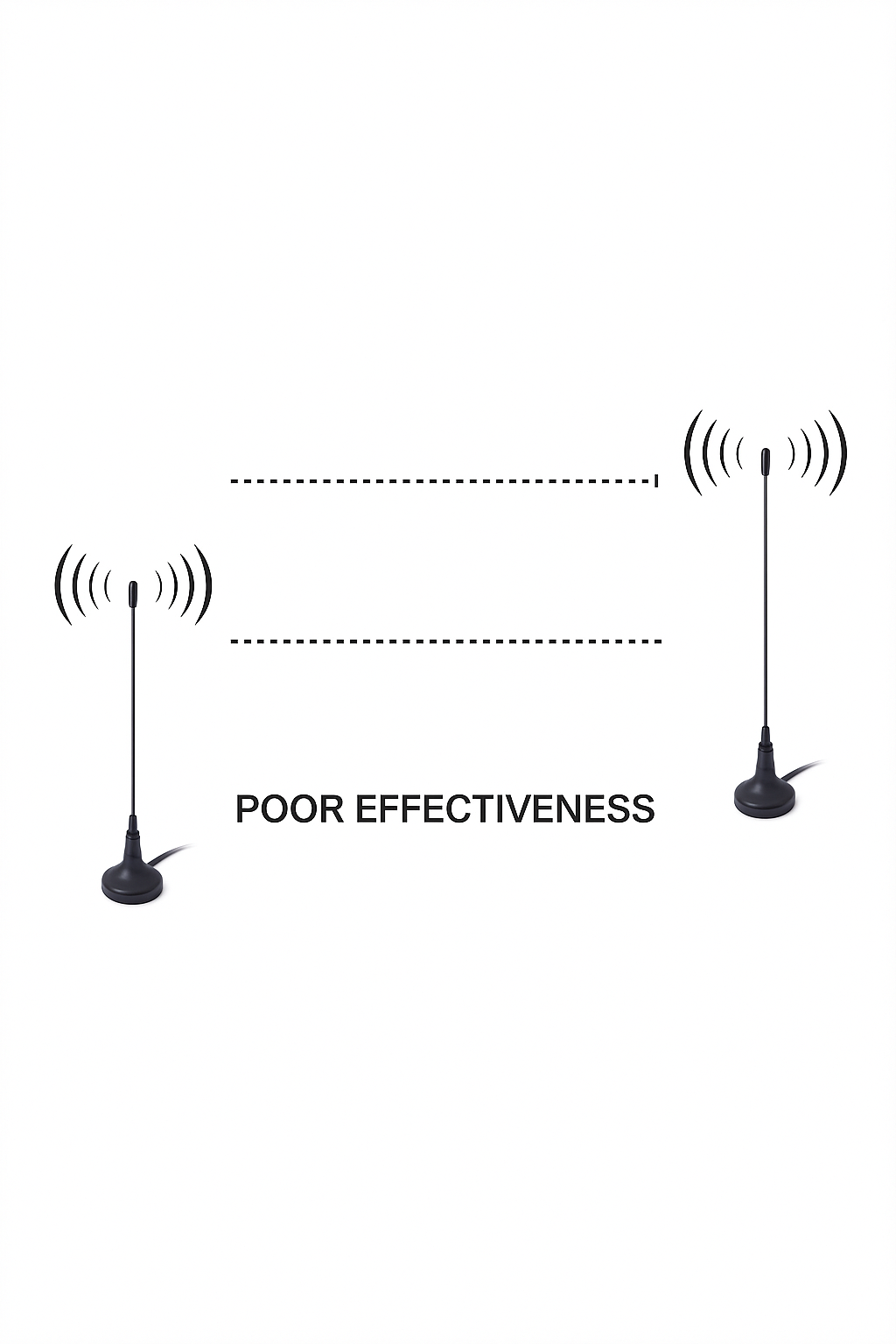
- Keep antennas upright rather than laying them flat; avoid tilting. Try to keep antennas on the same horizontal plane between communicating parties.
Industry perspectives
Q: What are the prospects for the antenna industry?
A: From experience in consumer and small-scale antennas, the industry has undergone significant changes. In the past, many small factories produced antennas for feature phones; over time some closed, some changed business, while others survived on limited capacity. With the explosion of smart terminals, some antenna manufacturers grew and engineers' compensation improved. The industry has also fragmented: mobile-phone antenna design became a specialized branch, and certain legacy sectors like large base-station antennas declined as construction priorities shifted. Upgrades from 4G to 5G have created some renewed demand, but it is different from earlier peaks. For individual career development, joining a major manufacturer can offer stable advancement and compensation. Working at smaller antenna companies can be more stressful with long hours and customer-driven deadlines. While the market has matured and growth is steadier, technical barriers remain, and solid expertise can still command good compensation.
Q: How technically demanding is the antenna field?
A: It depends on the product area and company. For phased-array radar, the requirements are high: proficiency in simulation tools such as HFSS, CST, FEKO, ADS, and TR component design and RF-link debugging are typically required. For mobile and consumer-terminal antennas, tuning S-parameters, matching networks, and familiarity with common antenna forms are often sufficient. More advanced roles may involve designing gateway panels, fiberglass omnidirectional high-gain antennas, or GNSS ceramic antennas, which add active components and circuits like filters, amplifiers, and couplers. Overall, the field is highly segmented, and the required knowledge depth depends on your chosen specialization.
Q: How should a beginner start in this field?
A: Start with fundamental theory: antenna types, basic radiation principles, common antenna operation modes, and test instrument operation. Ideally, learn under an experienced mentor. Many antenna forms are standardized and tuning often involves incremental circuit or mechanical adjustments based on theory. Later, learn simulation tools to accelerate development. High-quality learning resources are widely available online in both text and video formats.