Overview
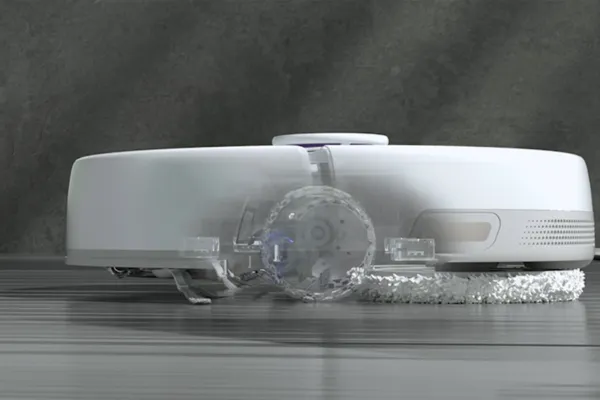
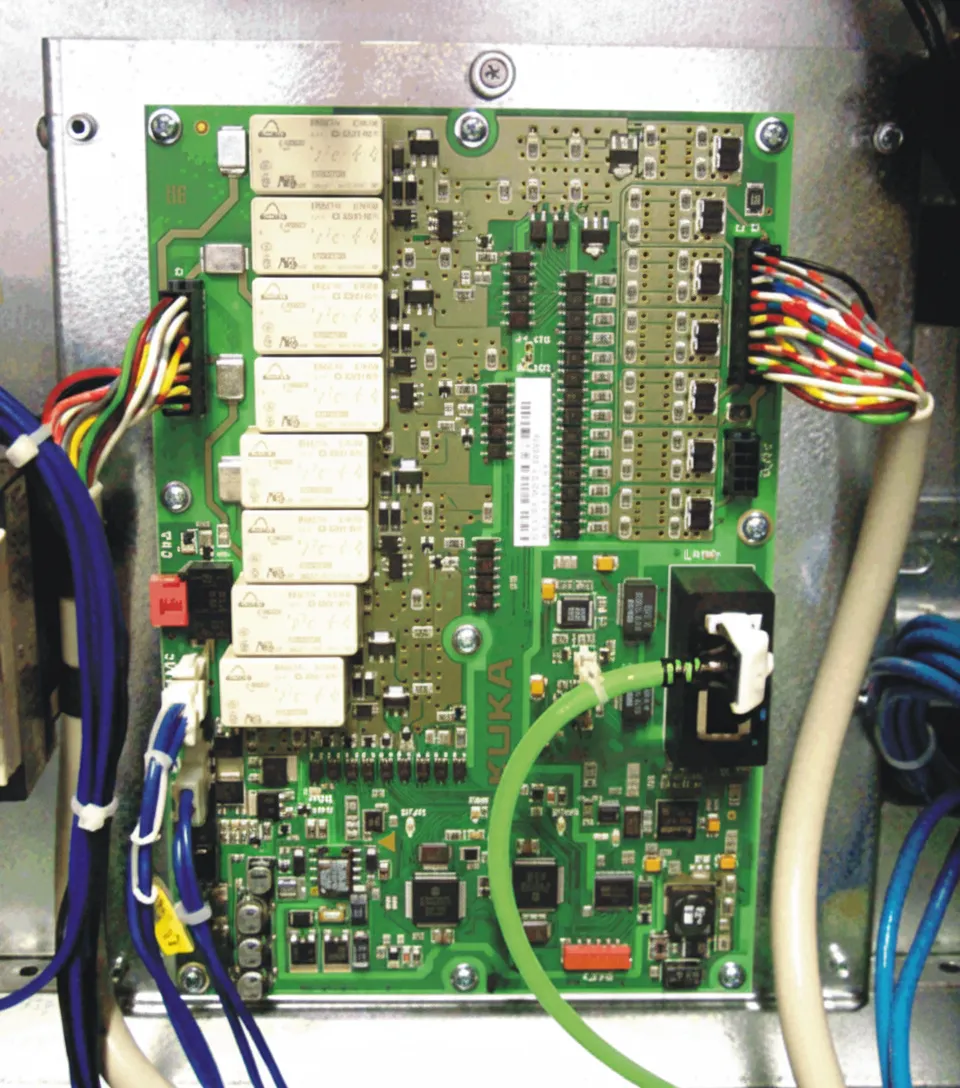
The home robot market is expanding, and performance details determine market success. In recent years, improvements in electronic components for performance, size, cost, and power consumption have driven rapid development of devices such as vacuum cleaners, robot mops, lawn mowers, service robots, drones, and electric bicycles. These devices are collectively referred to here as home robots. According to Statista market data, global shipments of home robots are expected to grow from 18.3 million units in 2022 to 29.6 million units in 2025, a compound annual growth rate of 18%.
Trends and Design Challenges
Traditional home appliances typically rely on mains power and have single functions. With advances in artificial intelligence (AI), machine learning, and sensor technologies, modern home robots are becoming more complex. They can navigate in cluttered environments, recognize objects, and respond to voice commands, which requires multiple sensors, processing, and memory components. Increasingly, home robots also support networking. More functionality increases power demands while systems trend toward smaller form factors, raising concerns about overheating, overcurrent, surge, overvoltage, and other electrical issues.
Another clear trend is battery power replacing mains supply to provide mobility and convenience. Managing battery charge and discharge for higher safety and energy efficiency is critical to achieve longer runtime and battery life.
Typical Architecture
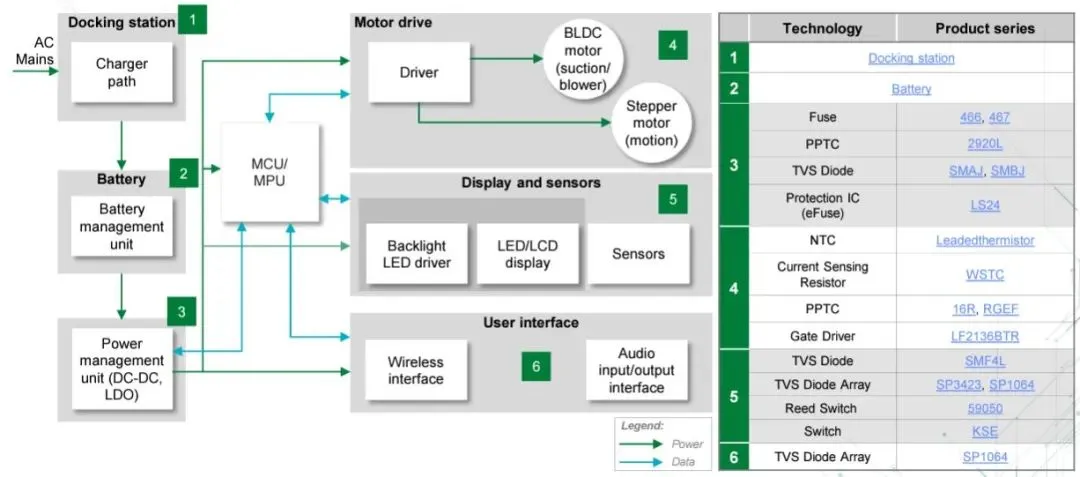
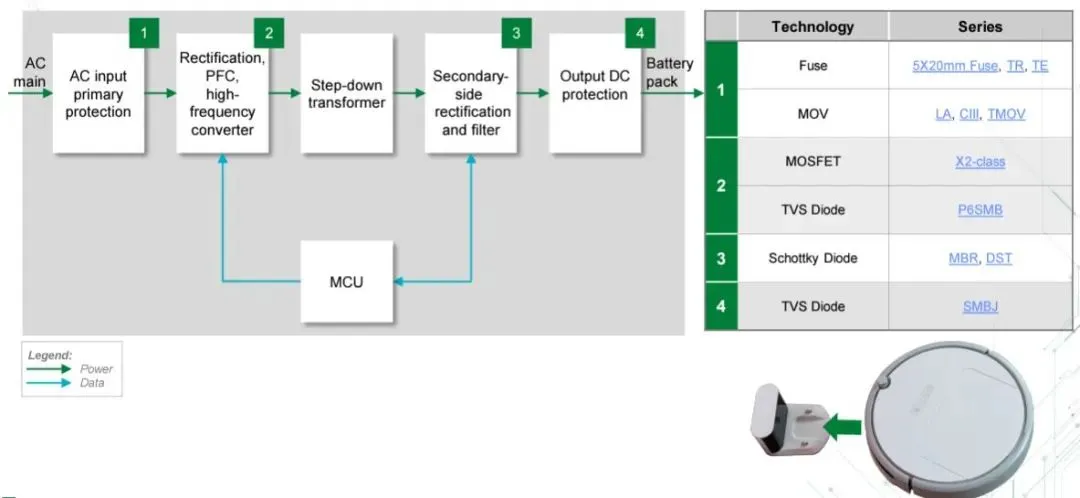
A typical home robot includes three main functional areas: the main unit, charging and protection circuitry, and the battery pack.
Main Unit
Charging and Protection
Battery Pack
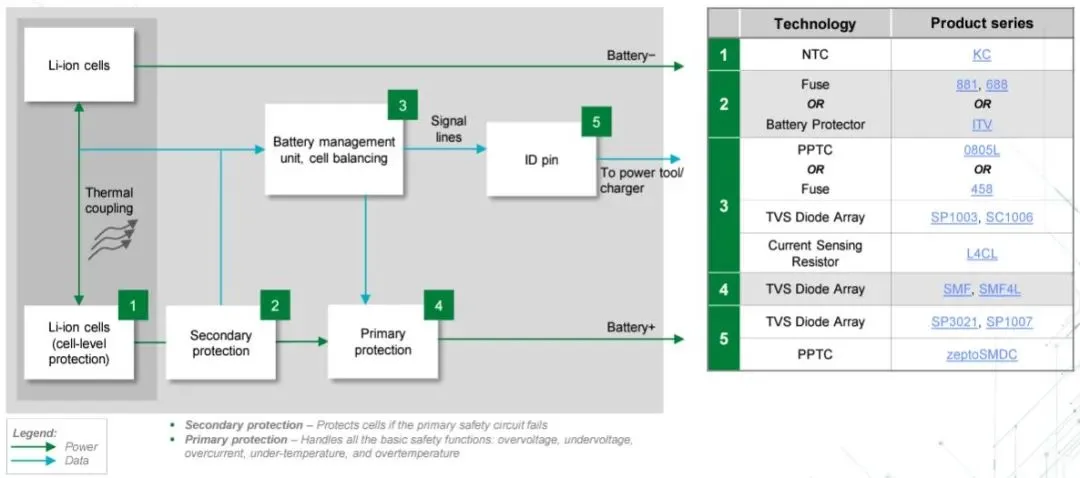
Recommended Components
467 Series Fast-Acting Surface-Mount Fuse
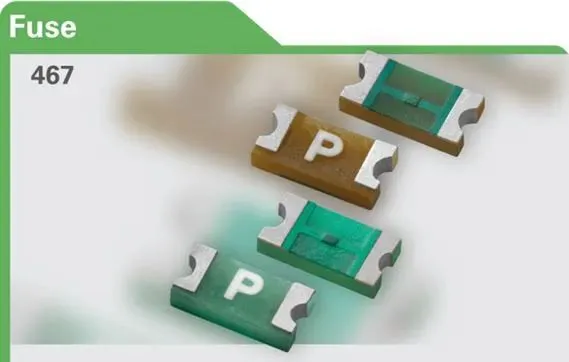
The 467 series is an ultra-small (0603) thin-film surface-mount fast-acting fuse suitable for secondary circuit protection where space is limited, such as battery packs in home robots. The series is fully lead-free and RoHS compliant. A halogen-free option is also available.
Main features:
- Compatible with lead-free soldering and higher temperature profiles
- High-performance materials for superior behavior at elevated ambient temperatures
- Top-marked code enables identification of rated current without testing
- Small footprint for highly sensitive equipment
- Flat top surface suitable for automated pick-and-place handling
- Surface materials compatible with industry-standard cleaning processes
- Mounting pad and electrical performance comparable to Littelfuse 431 and 434 series
- Alloy element construction offers better surge current (I2t) tolerance than ceramic or glass 0603 fuses
SMF4L Series TVS Diode
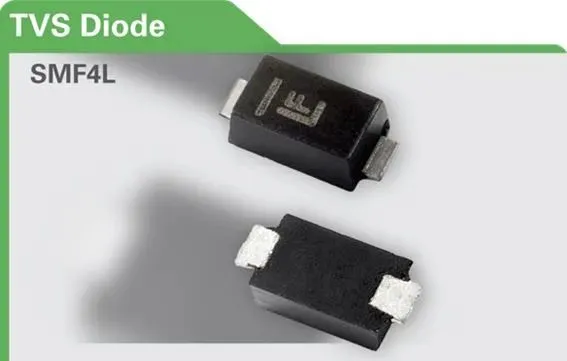
The SMF4L transient voltage suppression (TVS) diode series uses a low-profile plastic package with flat leads, designed to protect sensitive electronics from lightning and other transient voltage events.
Main features:
- 400 W peak pulse power at a 10x1000 μs waveform, duty cycle 0.01%
- Compatible with industry-standard SOD-123FL footprint
- Low inductance and excellent clamping capability
- Space-saving surface-mount design suitable for PCB optimization
- Typical failure mode is short circuit when voltage or current exceeds specifications
- Whisker test based on JEDEC JESD201A 4a and 4c
- IEC 61000-4-2 ESD immunity: 30 kV air, 30 kV contact
- Data-line ESD protection compliant with IEC 61000-4-2
- Data-line EFT protection compliant with IEC 61000-4-4
- Fast response time: typically under 1.0 ns from 0 to VBR minimum
LS2405IDD23 eFuse
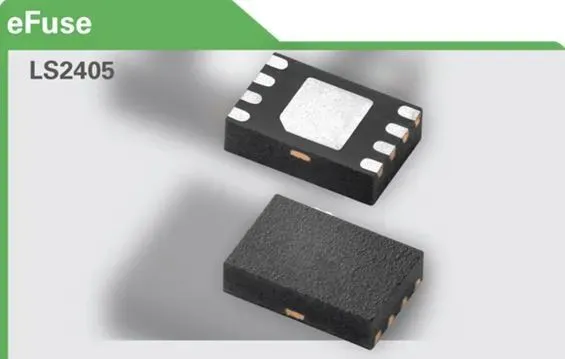
The LS2405IDD23 eFuse can emulate a low forward-voltage diode up to 5 A. It integrates a 35 mΩ N-channel MOSFET for higher efficiency and smaller PCB area, replacing a power Schottky diode. The device detects forward voltage drop across the MOSFET to ensure smooth current transfer between power paths, making it suitable for multi-power ORing applications in home robots and improving system reliability.
Main features:
- Wide input range: 2.7 to 24 V
- Surge withstand up to 28 V
- Replaces power Schottky diodes with integrated 35 mΩ N-channel MOSFET
- Fast turn-off limits reverse current
- Smooth current transfer between power sources
- Input power-rail discharge function
WSTC Series Low-Ohm Current Sense Resistors
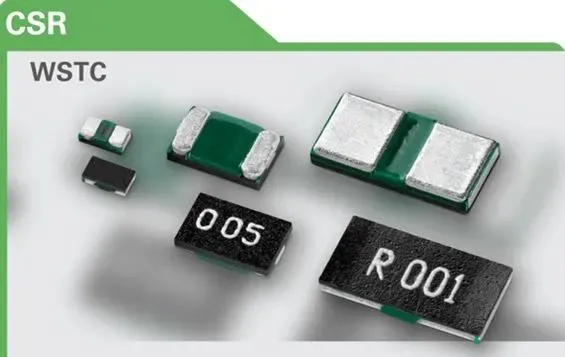
The WSTC series low-ohm current sense resistors are designed for long-term stability, durability, and excellent thermal performance. Their compact packages make them suitable for a variety of applications, including home robots.
Main features:
- Low TCR
- Optimal linear I-V conversion
- Epoxy substrate
- Compact size
- High voltage rating
Regulatory and Regional Considerations
Home robots have a large market in China and are also export products for many manufacturers. Energy efficiency, safety, EMC, and circuit protection requirements vary across regions, so designers must ensure products meet the standards applicable to each target market.