Five areas of cybersecurity
Cybersecurity encompasses the following five areas:
Confidentiality: Ensure that data and information are visible only to authorized persons or entities, preventing unauthorized access, theft, or disclosure. This is achieved through encryption, access controls, and authentication mechanisms.
Integrity: Ensure that data and information are not altered or corrupted during transmission, and that their accuracy and completeness are maintained. Common measures include data integrity checks, digital signatures, and secure transport protocols.
Availability: Ensure that networks and systems operate normally and that users can access and use resources as needed. This requires protection against service interruptions, network attacks, and malware, as well as appropriate backup and disaster recovery measures.
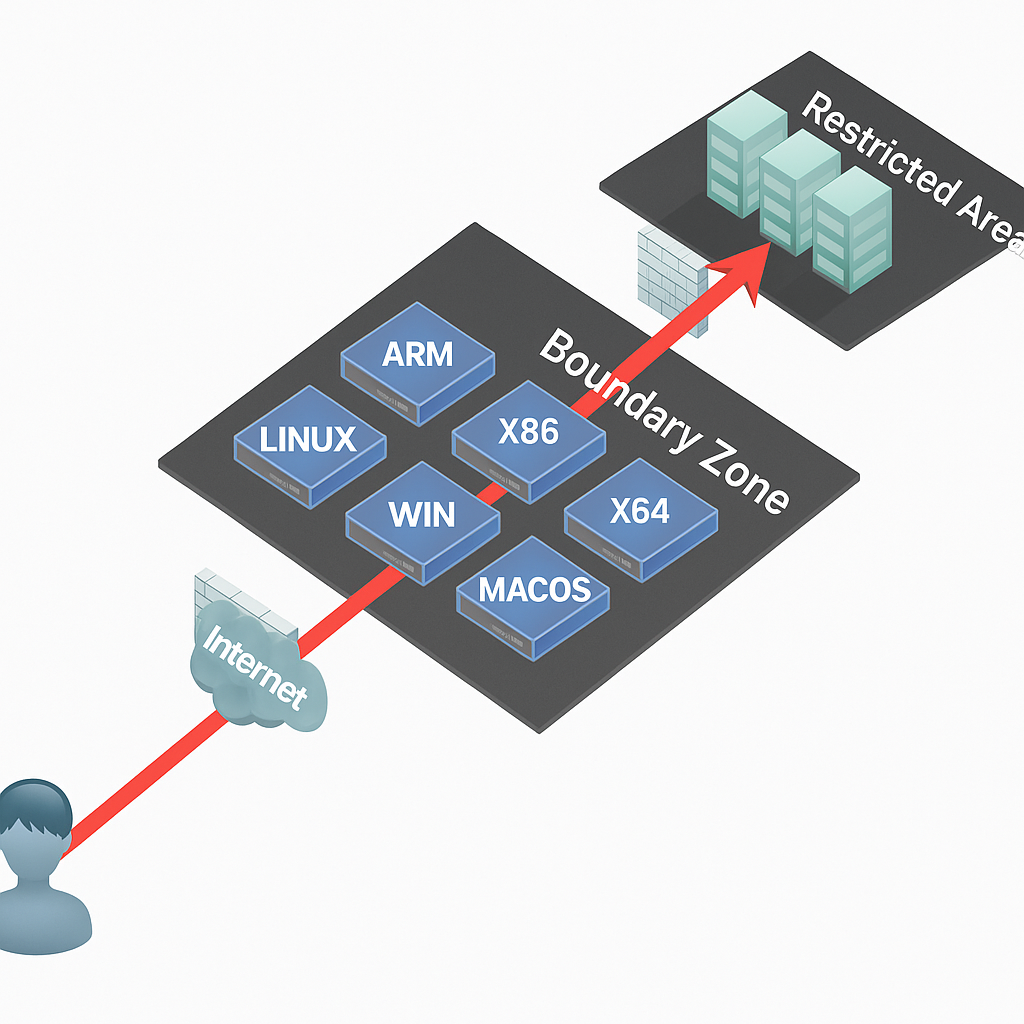
Trust establishment: Build a trusted network environment to prevent unauthorized access and activity. Practices include using strong passwords, regularly updating and maintaining software and systems, and performing security audits and monitoring.
Risk management: Assess and manage various security risks and develop corresponding policies and measures. This includes regular vulnerability scanning and penetration testing, establishing security policies and procedures, and providing staff training to address potential threats and issues.
These areas are interrelated and together form a comprehensive cybersecurity framework to protect networks and information systems from a range of threats and attacks.
Why cybersecurity matters
The importance of cybersecurity cannot be overstated. As the internet and digital technologies permeate every aspect of life, work, and society, several key impacts stand out:
Protecting personal privacy: Cybersecurity helps ensure that users' personal information and privacy are not violated online. Personal data such as identity details, financial information, and health records, if leaked or misused, can lead to identity theft, financial fraud, and reputational damage.
Economic security: Cybersecurity is critical for protecting sensitive government information, corporate secrets, and financial data. Cyberattacks and data breaches can cause substantial economic losses to organizations, damage competitiveness, and threaten economic stability.
Social stability and public safety: Cybersecurity is an important component of social stability and public safety. Cyberattacks can disrupt critical infrastructure, affecting transportation, energy supply, and communications, and in extreme cases may endanger lives.
Protecting intellectual property and innovation: Cybersecurity helps protect intellectual property, support innovation, and advance technological development. Appropriate measures can prevent theft and infringement of intellectual property, safeguarding the rights of innovators and promoting economic and technological progress.
National security: Cybersecurity is an essential element of national security. As cyber threats increase, effective measures are required to protect government agencies, military systems, and critical information infrastructure from attacks and intrusions to ensure national stability and security.
Therefore, cybersecurity is vital not only for individuals but also for organizations, society, and states. Coordinated attention and effective measures are needed to address cybersecurity threats and to establish robust security systems.