Key Components
Security systems typically include the following main components:
Surveillance cameras: Surveillance cameras are the core component of a security system. They are used to monitor and record video of target areas in real time. Cameras can be fixed, pan-tilt-zoom, or network cameras, among other types.
Video recording devices (DVR/NVR): Video recorders receive, store, and manage the video signals captured by surveillance cameras. DVRs (digital video recorders) are used with analog cameras, while NVRs (network video recorders) are used with network cameras. These devices provide recording, playback, storage, and remote access functions.
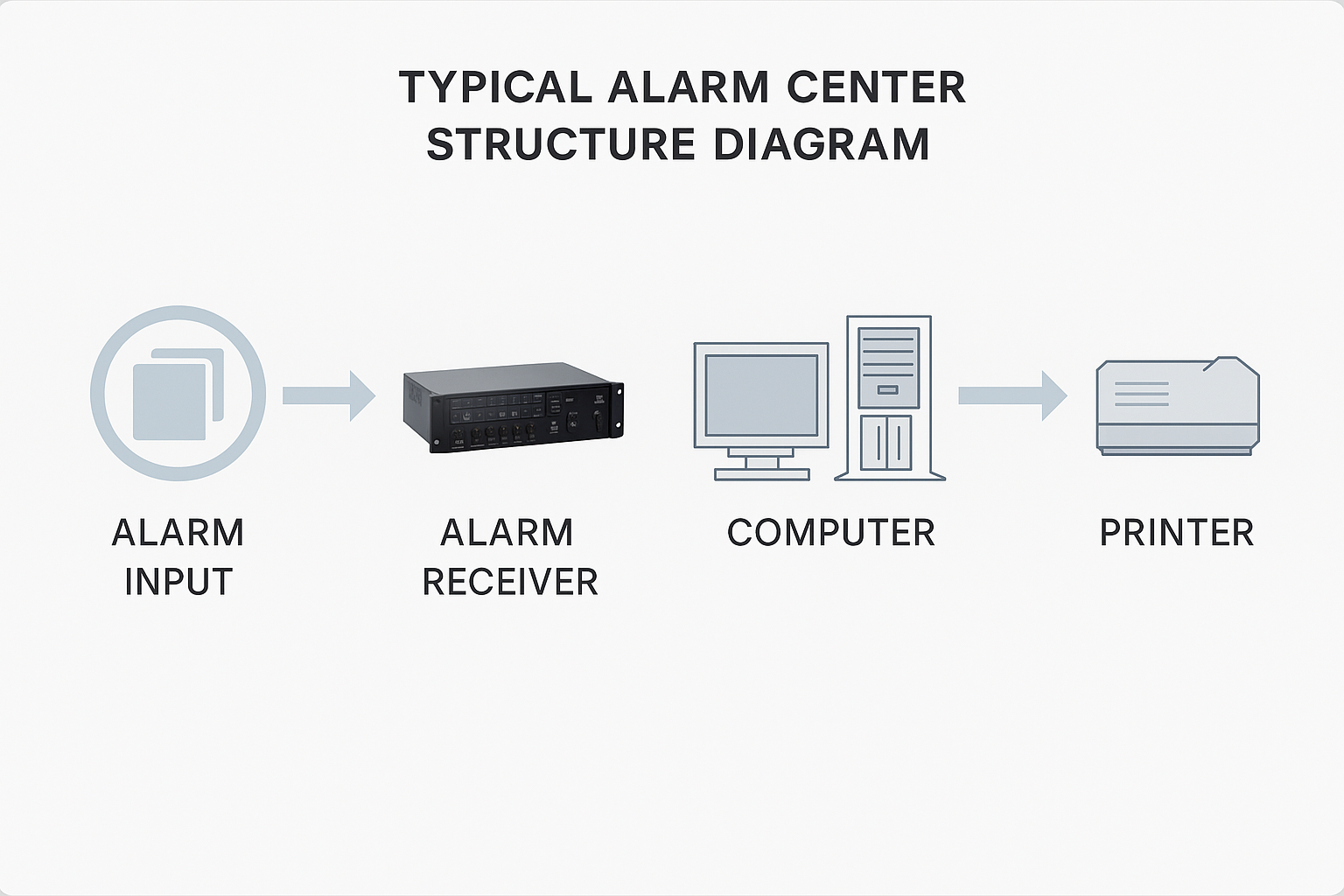
Alarm systems: Alarm systems use sensors, detectors, and alarm units to detect and notify of potential security issues such as intrusion, fire, or gas leaks. Alarm systems can be integrated with surveillance systems to enable coordinated responses to alarm events.
Entry and exit access control: Access control for entrances and exits manages personnel movement into and out of specific areas or buildings. Authentication methods include access cards, PINs, and biometric verification such as fingerprints, ensuring only authorized personnel can enter restricted zones. Access control systems are often integrated with surveillance and alarm systems.
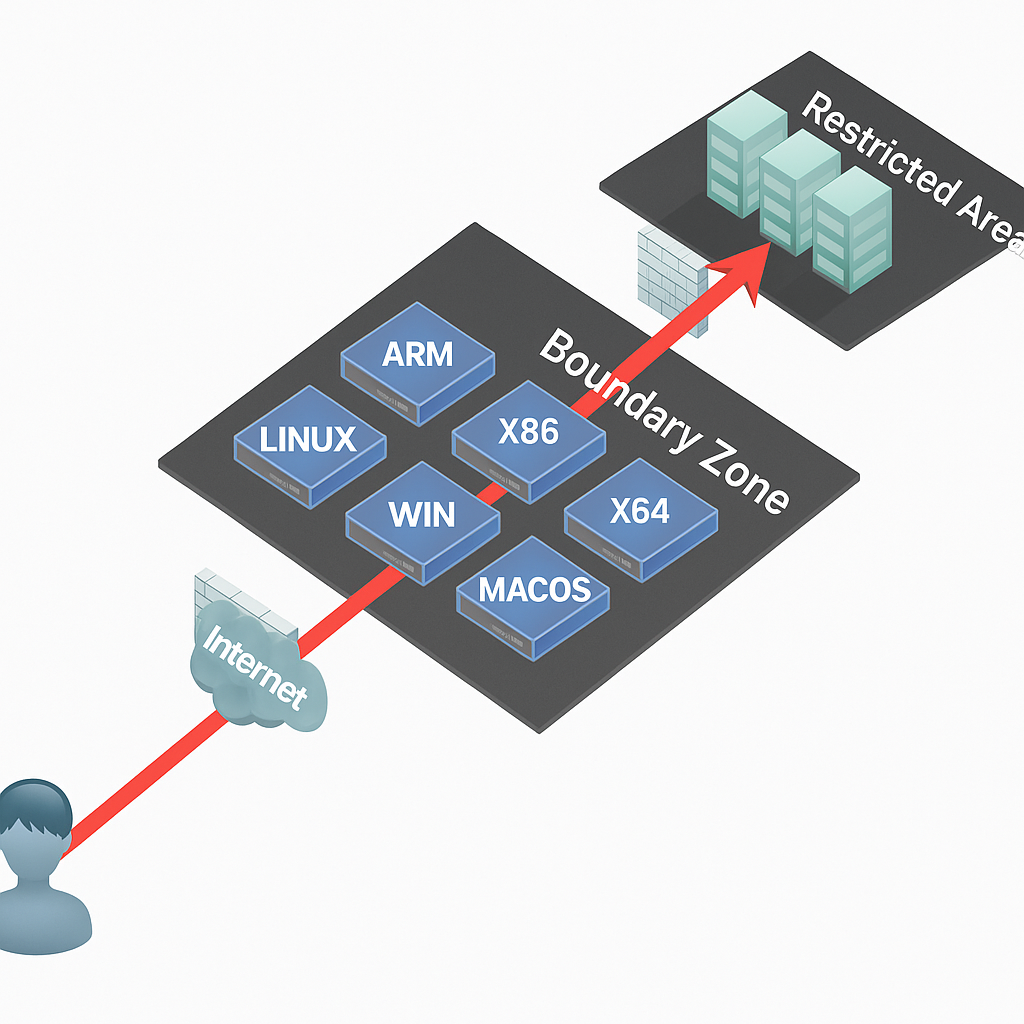
Security access control: This includes network security, data encryption, and authentication mechanisms that protect the security system itself from unauthorized access and data breaches.
Remote monitoring and management: Security systems commonly support remote monitoring and management. Through the Internet or private networks, users can view video streams, play back recordings, configure settings, and receive alarm notifications remotely.
These components together form a complete security system for monitoring, alarming, and controlling access to a site, facility, or area. Exact system composition may vary by requirements and scenario.
Functions and Importance
Security systems play several important roles in modern environments:
Crime prevention and reduction: Security systems deter potential criminals by providing real-time monitoring and alarms when suspicious activities occur, reducing the incidence of crime.
Evidence and investigation: Recorded video provides valuable evidence for criminal investigations and legal proceedings. This assists in solving cases, tracking suspects, and supporting public safety efforts.
Early warning and incident response: Integrated alarm devices such as fire and smoke detectors enable timely detection and notification of emergencies like fires or gas leaks, helping to minimize casualties and property damage.
Protection of people and property: Security systems monitor and protect premises such as residences, offices, malls, and factories. They help staff detect hazards and respond to incidents, safeguarding occupants and assets.
Operational control and management: Integration of access control, visitor management, and vehicle management provides effective operational control. These functions ensure only authorized individuals access restricted areas and improve management efficiency.