Main Components
Security systems typically include the following main parts:
- Surveillance equipment: surveillance cameras and monitoring sensors used to observe and record images or video of protected areas in real time.
- Video management system (VMS): responsible for receiving, storing, managing, and searching video data produced by surveillance devices; provides remote monitoring and playback functions.
- Access control system: includes card readers, electronic locks, and access controllers used to manage personnel access rights to designated areas.
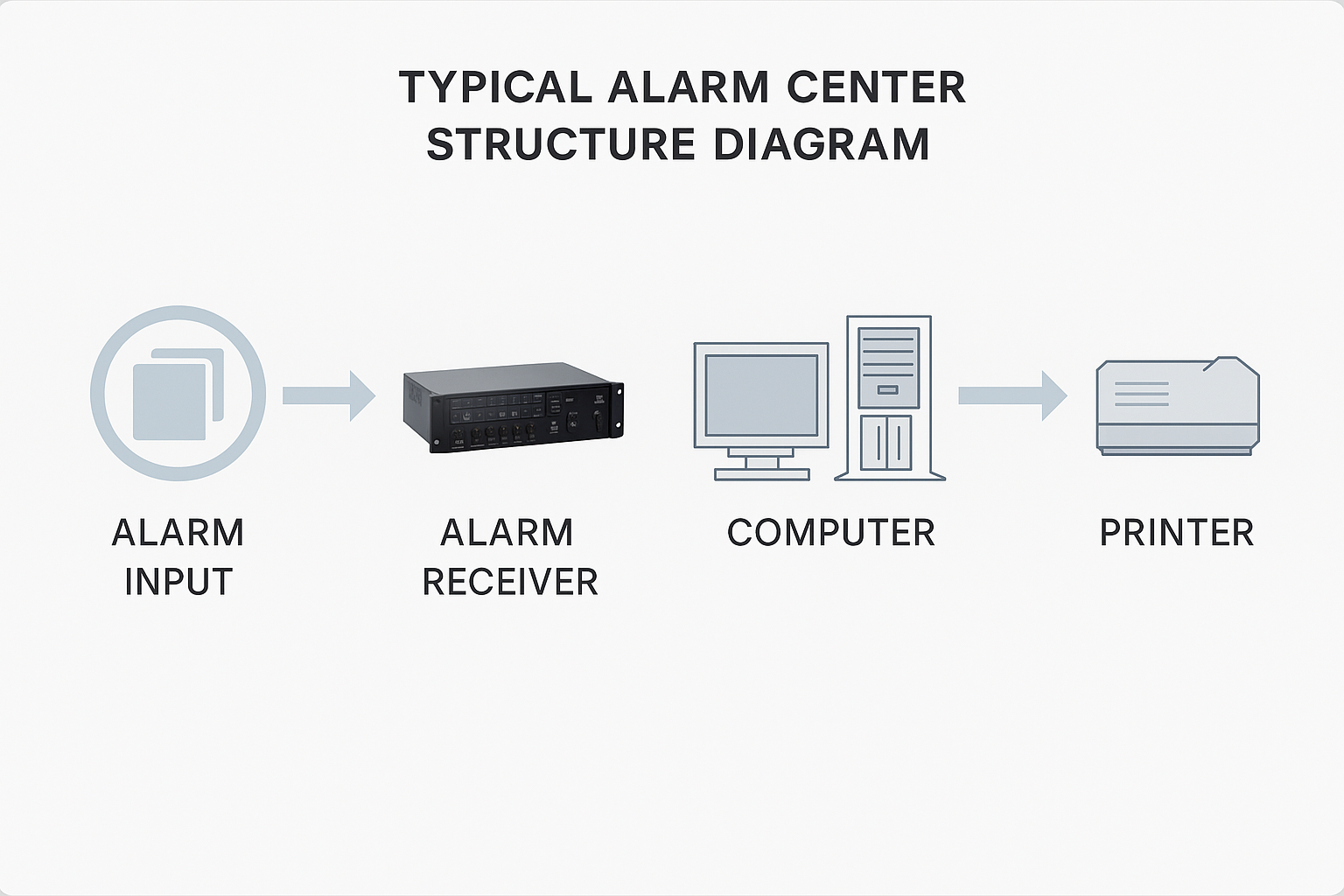
- Intrusion alarm system: includes detectors, alarm control panels, and alarm devices for detecting and reporting illegal intrusion, vandalism, or other security events.
- Security protection systems: such as security doors, firewalls, smoke detectors, and gas leak detectors, providing physical and environmental protection.
- Intelligent analysis system: uses computer vision and image processing to analyze video content, including face recognition, behavior analysis, and anomaly detection.
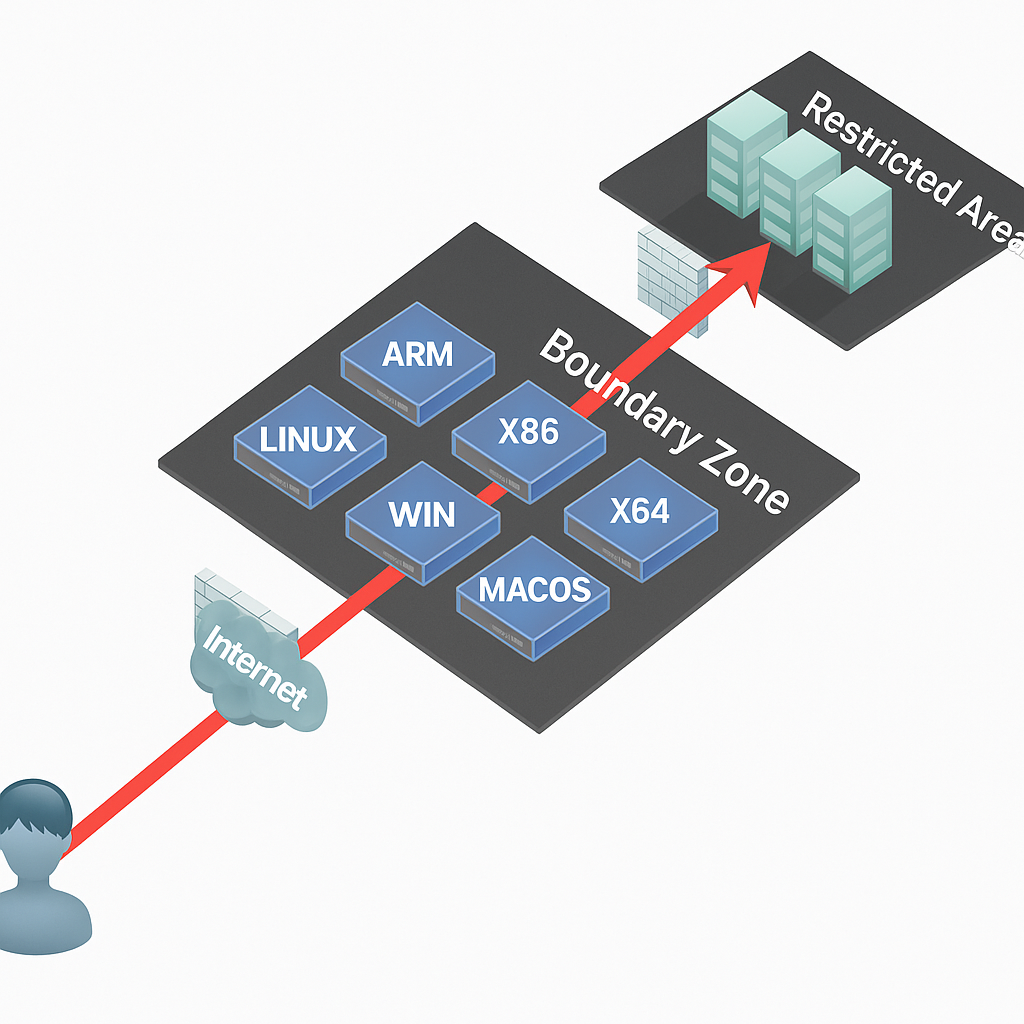
- Alarm linkage and management platform: integrates the various security subsystems to provide unified alarm presentation, operational management, and response mechanisms.
These components combine to form a comprehensive security system that provides wide-ranging monitoring and protection. Specific systems can be customized and configured to meet different requirements and scenarios.
Functions and Significance
The functions and significance of security systems include:
- Crime prevention: Cameras and intrusion alarms enable real-time monitoring and identification of potential threats, such as theft or robbery, serving as a deterrent and preventative measure.
- Real-time monitoring: Systems provide real-time surveillance of key areas, allowing managers to quickly understand on-site conditions, detect issues, and take appropriate actions.
- Protection of people and property: Access control and video monitoring enforce strict management of personnel entry and exit, protecting occupants and assets in commercial premises, residential complexes, and organizations.
- Evidence and investigation support: Security systems record and store large volumes of images, video, and event information that can serve as important evidence for criminal investigations and dispute resolution.
- Rapid response and linked handling: Intelligent analysis and alarm linkage platforms enable fast alerts and coordinated responses, notifying relevant personnel and triggering appropriate measures to improve emergency response capability.
- Increased security awareness: The presence and operation of security systems raise public awareness of safety and encourage people to pay greater attention to personal and collective security issues.
Overall, security systems play an important role in maintaining public safety and order. They effectively help prevent criminal activity, detect and respond to security threats in a timely manner, provide safeguards for people and property, and offer practical tools for security management and investigation.