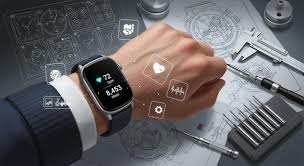
In early September, Apple announced watchOS 2 for the Apple Watch at an event, and shortly after, HTC announced the upcoming Android-based Halfbeak smartwatch. These new product announcements and technical updates have drawn consumer attention to wearable devices. According to an IDC report, the global wearable device market grew 223.2% in the first two quarters of 2015. For established brands, the current market presents a timely opportunity to attract and convert wearable device users.
Study and consumer insights
With a growing variety of wearable devices on the market, brands must understand how to differentiate and meet consumer needs. Key questions include: What price points do consumers accept? What factors determine a purchase decision? To answer these questions, SDL analyzed nearly 50 billion consumer opinions gathered from 500,000 social media sites to study perceptions of devices such as the Samsung Gear S, Microsoft Band, and Apple Watch. The analysis identified five main factors that influence consumer interest and purchase decisions for wearable devices.
1. App availability
App availability is the top concern for wearable device buyers. Social media data shows 27% of respondents pay close attention to whether a device has usable apps. Apps are pervasive in daily life, providing navigation, live sports scores, and real-time multilingual chat. Apple has addressed third-party app demand by offering thousands of watch-specific apps on the App Store. To stand out, a large and useful app ecosystem must demonstrate that the wearable improves daily life, rather than serving merely as a decorative item.
2. Demand for the latest version
Consumers often look for the smallest, fastest, and latest devices, and wearable devices are no exception. Even though wearables have made significant progress in the Internet of Things market, many consumers are still learning to adopt these high-technology products. As more vendors enter the wearable market, choices increase and purchase decisions become harder. The study found 27% of consumers are waiting for the next-generation version of a wearable device before buying.
3. Appearance and fashion
Because wearables are visible, they sit at the intersection of fashion and technology. Consumers expect devices to match personal style, and 22% of social media mentions highlighted appearance and design as important. Examples include users wearing the Garmin Vivofit and public figures seen with the Nike FuelBand. Collaborations between brands and fashion designers, such as Apple Watch with Hermès or Fitbit with Tory Burch, can help overcome design barriers and broaden consumer appeal.
4. Acceptable price
While some new wearables command high prices, early adopters and brand-loyal customers often continue purchasing regardless of cost. For example, Apple Watch sales in the first nine weeks reportedly exceeded the initial sales of earlier iPhone and iPad models. However, consumers prioritize value and expect their investment to yield useful, everyday benefits. If a company sets a high price, the product must deliver commensurate value to meet user expectations.
5. Battery life
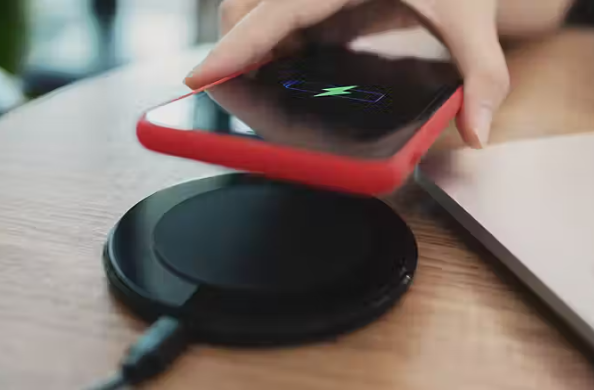
Battery life is a critical usability factor. A survey by Endeavour Partners found that about one third of U.S. purchasers stopped wearing their wearable within six months. Limited battery life is a common reason: consumers want to wear devices continuously, and a nonfunctional device due to a drained battery removes the incentive to keep wearing it. Ensuring adequate battery life is essential to maintain continuous use and avoid user abandonment.
Conclusion
Aside from early adopters and brand loyalists, wearables are gaining popularity among the general public and will influence future mobile ecosystems and brand partnerships. Although the wearable share is still small compared with smartphones, companies that listen to customer needs can identify significant growth opportunities. In summary, consumers focus on continuous connectivity, flexibility and usability, and fashionable design when evaluating wearable devices. These factors should be central considerations when developing the next generation of wearable products.