Overview
Smartwatch and fitness band advertisements and products are now ubiquitous. The wearable device market is expanding rapidly. According to Canalys, global shipments of smart bands reached 7 million units in Q1 2016, up 150% year on year. IDC previously estimated that shipments would reach 45.7 million units by the end of 2016 and could rise to 126.1 million units by 2019.
Despite the growing number of brands, choosing a suitable wearable remains challenging. Before the Apple Watch launch many prospective buyers delayed purchases to see how the market would evolve. Today, major companies and new entrants all offer products: Apple Watch, Pebble Time, Jawbone, Fitbit, Garmin, and others. The variety makes selection difficult for many buyers.
Wearables are not yet as universally essential as phones. For many buyers their role is ambiguous: part gadget, part tool. Functionality varies widely across devices: some emphasize fashion, others target specific applications. Buyers should be aware that rapid product iteration means any device will likely be outdated within a year.
Questions to Consider Before Buying
- Do you need to receive every phone notification on your wrist?
- Do you want to track health data and make lifestyle changes based on that data?
- Do you run frequently or engage in specific sports?
- Are you looking to express personal style through a technology product?
If you answered yes to one or more of these, a smartwatch or fitness tracker may be worth considering.
Key Factors to Evaluate
- Design: Is the product's appearance appealing to you?
- Phone compatibility: The device will typically require Bluetooth 4.0 and a recent phone OS version for full functionality.
- Water resistance: Can it be worn while swimming or showering?
- Battery life: A common user expectation is about 3 days between charges for smartwatches and about 7 days for fitness bands, though many products do not meet this.
- App support: Which apps can the device run? Platforms differ between Pebble, Android Wear, Samsung Gear, etc.
- Display: Do you prefer a color screen, monochrome, or no screen at all? Some screens remain always on.
- Voice features: Does it support voice recognition, and does it include a microphone for input?
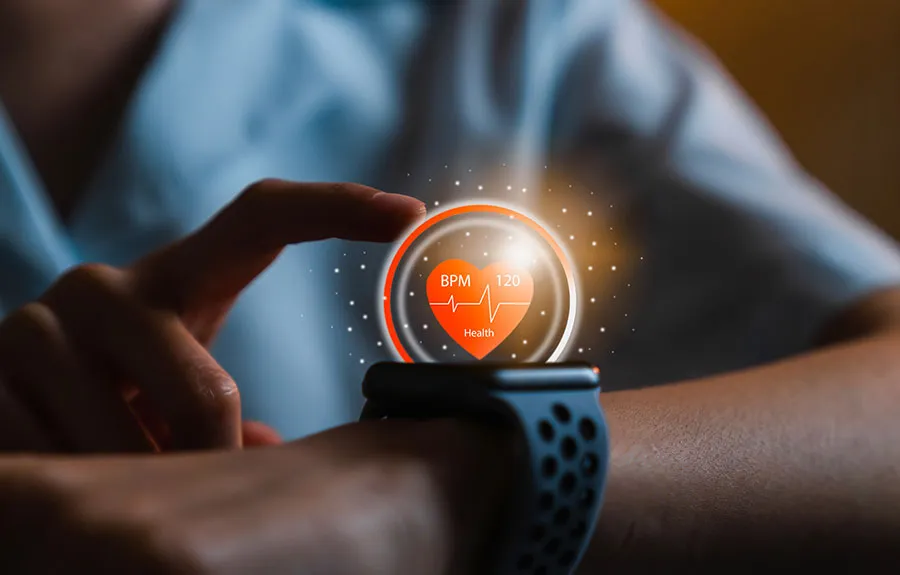
- Health tracking: Does it include a heart rate sensor, and how accurate is it?
- Platform compatibility: Can the device's apps and health data integrate with other platforms and services?
Summary
Buyers should evaluate design, phone compatibility, water resistance, battery life, app support, display preference, voice features, and accuracy of health sensors. The fast pace of the wearable market means functionality and compatibility will continue to evolve, so choose a device that matches your primary use cases and expectations.