Black Friday and the rise of wearables
At this year’s Black Friday, in addition to the usual deep discounts on TVs and low-end laptops, a new category appeared among products discounted 50% or more: wearable devices.
Examples of discounts
Wearable makers offered steep discounts: Jawbone’s activity tracker Up3 was available at 40% off; the Pebble smartwatch with phone notifications was half price at about £50; and Garmin introduced a fitness-focused GPS smartwatch with a £100 markdown.
Market response and oversupply
These moves are not an encouraging sign for wearable technology. With smartphone sales stabilizing and tablet, TV, and PC sales declining, manufacturers have invested heavily in wearables hoping to ignite a new product category. The result so far is an oversupply of connected watches and wearable devices across many brands. Samsung released seven smartwatches in two years; Apple launched its own device earlier this year; even traditional watchmakers have entered the market, with Fossil acquiring Misfit for $260 million this month.
Promises versus reality
Manufacturers have promoted wearables as becoming as ubiquitous as smartphones, claiming that continuous activity tracking—steps, calories, sleep patterns—would make daily life healthier and more efficient. Smartwatches are also positioned as a way to free users from smartphones, enabling quick access to emails, texts, and maps.
User behavior and motivation
Enthusiasts and fitness-focused users have driven expectations for wearables. Market research firm IDC projected wearable shipments to grow 163% year over year, from 28.9 million units in 2014 to 76.1 million in 2015. However, these numbers are still relatively small, and it remains unclear whether wearables will move beyond niche adoption. Research by Paul Lee at Deloitte on consumer behavior around wearables suggests many buyers purchase devices to demonstrate how healthy they are, as a motivational tool, or as a sign they are considering becoming healthier. For the latter two groups, activity trackers resemble gym memberships: initial enthusiasm often fades, especially when results do not meet expectations. While the "quantified self" concept is popular in Silicon Valley, it does not necessarily translate into mainstream adoption, particularly since many of the benefits require consistent self-discipline.
Market signals and caution
Despite improving sales for trackers, their outlook may be less optimistic. Leading wearable maker Fitbit saw its share price decline since this summer, even before it announced a cash raise earlier this month. Jawbone underwent a second round of layoffs this year. Gartner has described wearables as having passed an "inflated expectations peak" and entering a "trough of disillusionment."
Smartwatches face different challenges
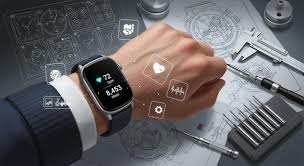
Smartwatches are a different proposition. An Apple Watch can receive messages, control music, and enable wireless payments. The product category is still evolving: Pebble launched in 2013, while Apple’s first watch has been on sale for only seven months. Early signs are mixed. Apple’s sales have outpaced smartwatch competitors, but Google search data shows more interest in the iPod - a product that has been selling for 14 years. TAG Heuer recently announced that its first smartwatch can be traded in for a mechanical watch after two years, which suggests limited confidence in the long-term value of current smartwatches.
Usability and unique value
The situation could change, but for now most smartwatch apps simply mirror smartphone functions. It is not yet clear whether there is a fundamentally different value proposition beyond the device being worn on the wrist rather than carried in a pocket or placed on a desk. Checking texts and emails on a wrist display does not appear much more convenient than using a smartphone, and frequent glances at a watch in meetings can seem impolite.
Adoption rates remain low
Despite clear sales growth, adoption rates are still low. According to Deloitte, as of June this year, ownership of fitness bands was about 4% and smartwatches about 2%. Activity trackers and smartwatches may improve their penetration over time, but for most people wearable devices remain a new and niche product.