 00:58
00:58
RF PCB Materials
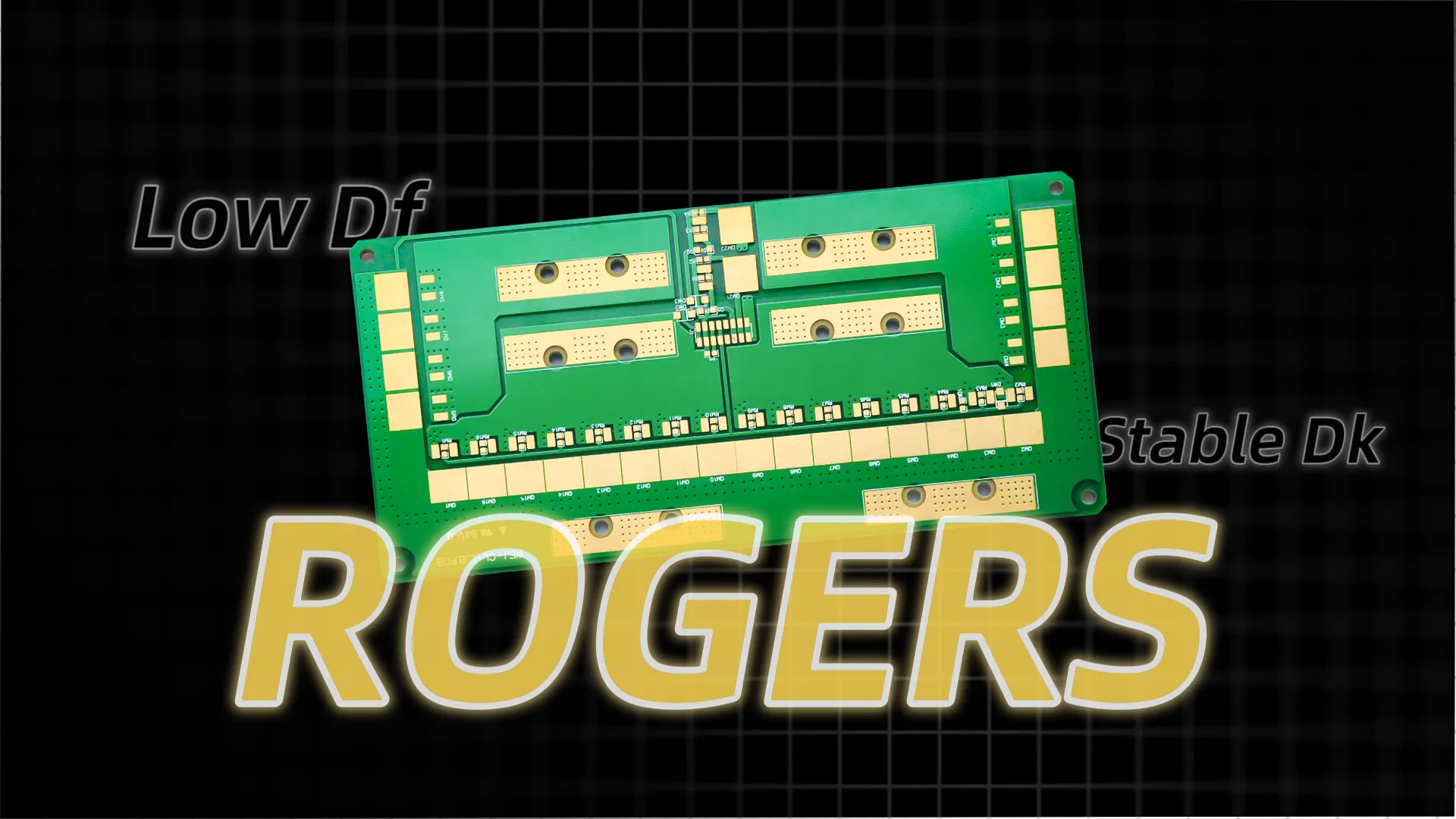
RF PCB materials play a crucial role in the design and performance of high-frequency circuits, where signal integrity, low loss, and thermal stability are paramount. This tag encompasses a comprehensive collection of articles focused on the selection, properties, and applications of materials specifically engineered for radio frequency (RF) printed circuit boards. Whether you are an engineer developing wireless communication systems, radar equipment, or microwave devices, understanding these materials helps optimize your designs for efficiency and reliability. Key topics under RF PCB Materials include dielectric constants, dissipation factors, and thermal coefficients of common substrates like FR-4 variants, Rogers laminates, and PTFE-based composites. For instance, selecting a low-loss material such as Rogers RO4000 series can significantly reduce signal attenuation in applications operating above 1 GHz, ensuring better performance in 5G antennas or satellite communications. Practical insights cover best practices for material stacking in multilayer boards, impedance control techniques, and mitigation of issues like crosstalk or electromagnetic interference. Engineers often face challenges in balancing cost with performance, and our articles provide data-driven comparisons to guide informed decisions, such as evaluating CTE mismatch to prevent delamination during thermal cycling. By delving into these resources, you can apply real-world strategies to enhance your RF projects, from prototyping to production. Related articles explore integration with components like RF connectors and amplifiers, offering step-by-step guidance on fabrication processes that align with industry standards. This knowledge equips you to tackle complex design requirements, ultimately leading to more robust and efficient electronic systems.
Video Guide
-
00:58
Technical Articles
6G Massive MIMO: Key Technical Trends
How many wireless systems can a smartphone RF PCB support?
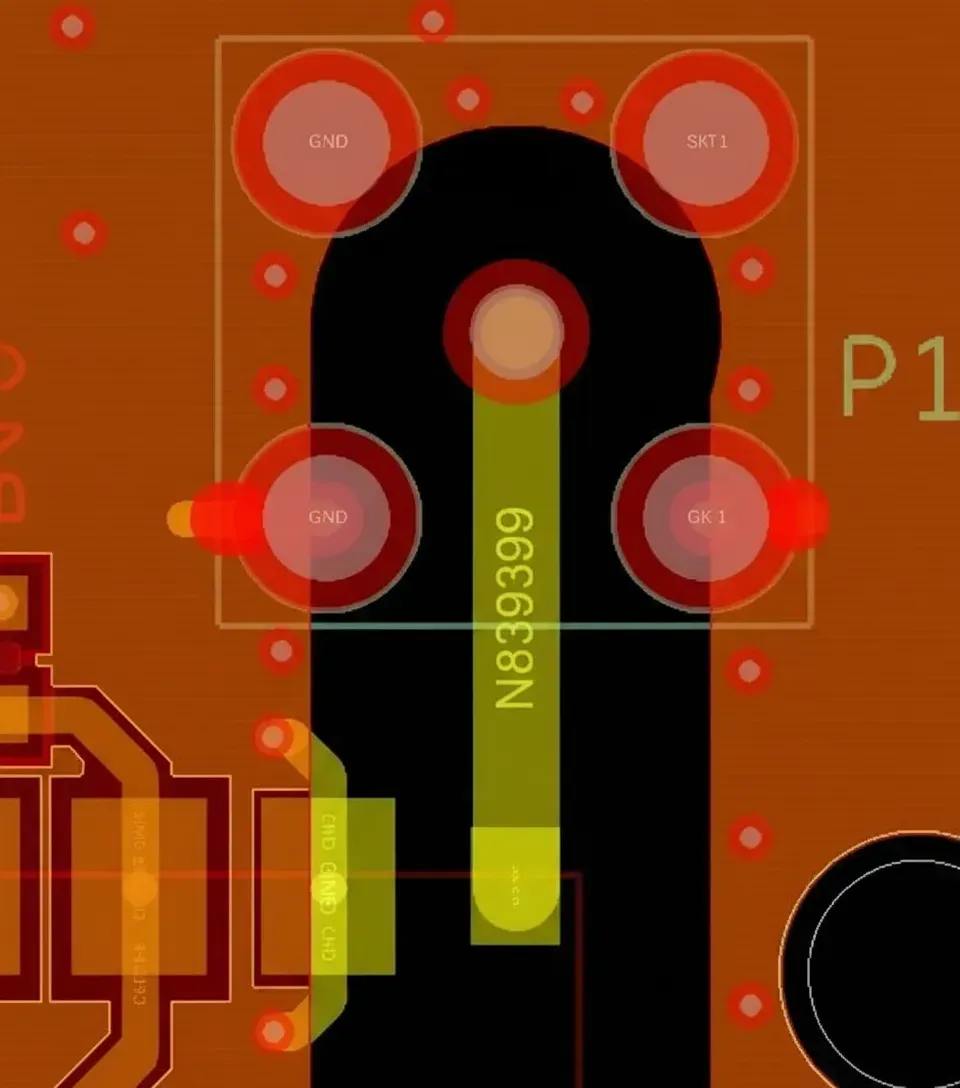
Antenna Design and Integration for RF PCBs: Fundamentals, Types, Radiation Patterns, and Manufacturing Considerations
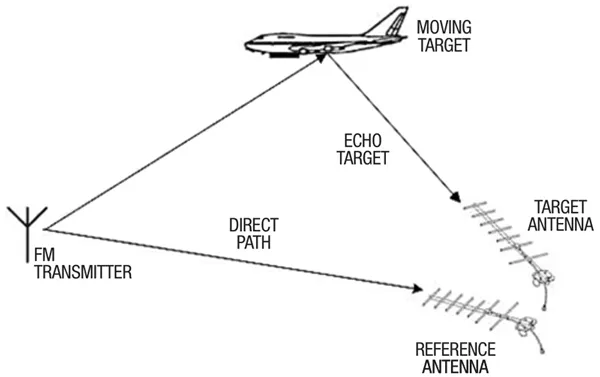
Types of Passive Radar Receivers
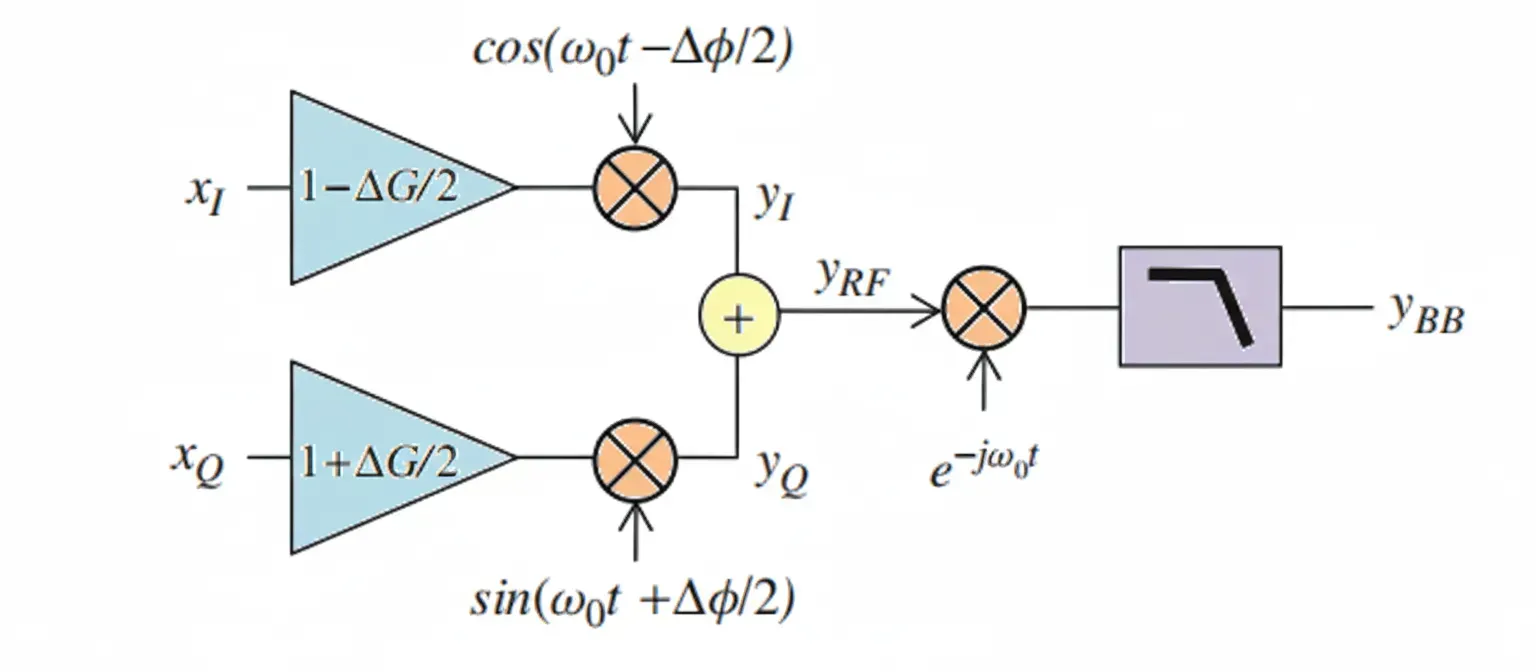
Key Factors Affecting RF System Performance
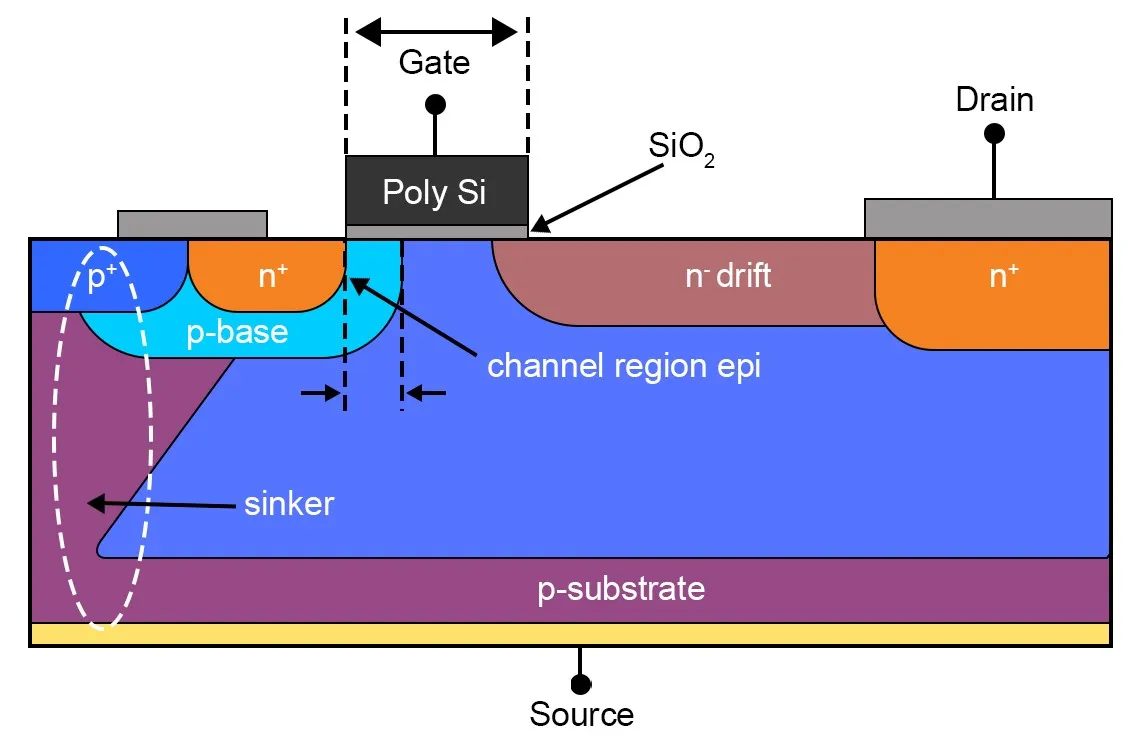
RF Circuit Components and the Role of MOS Devices
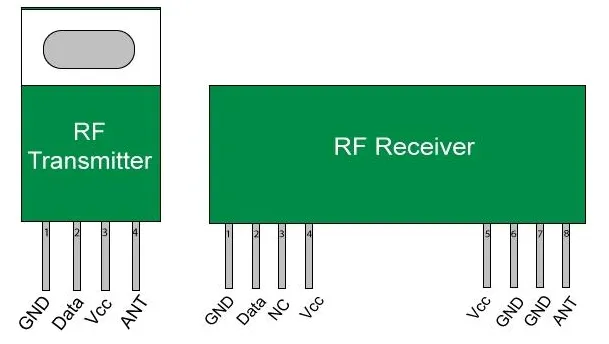
RF Receiver Circuit Structure and Operation
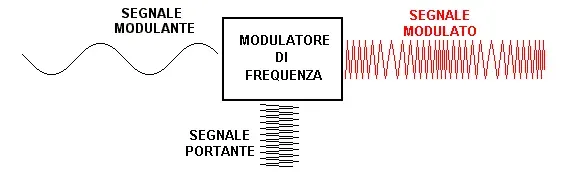
Basic Modulation Methods for Electromagnetic Signals
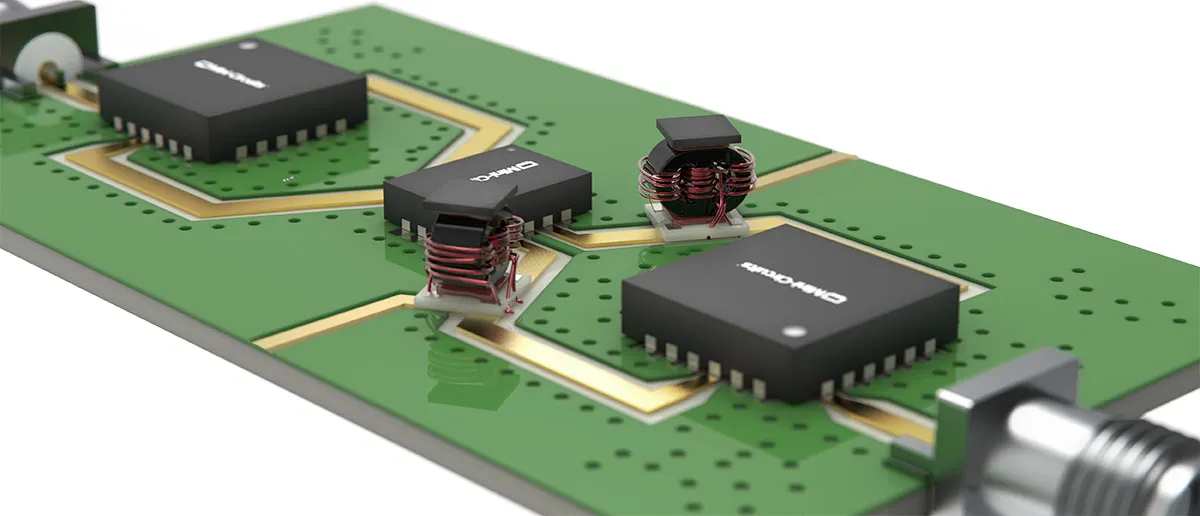
Basics of RF Amplifiers

NFC RF Signal Encoding and Modulation
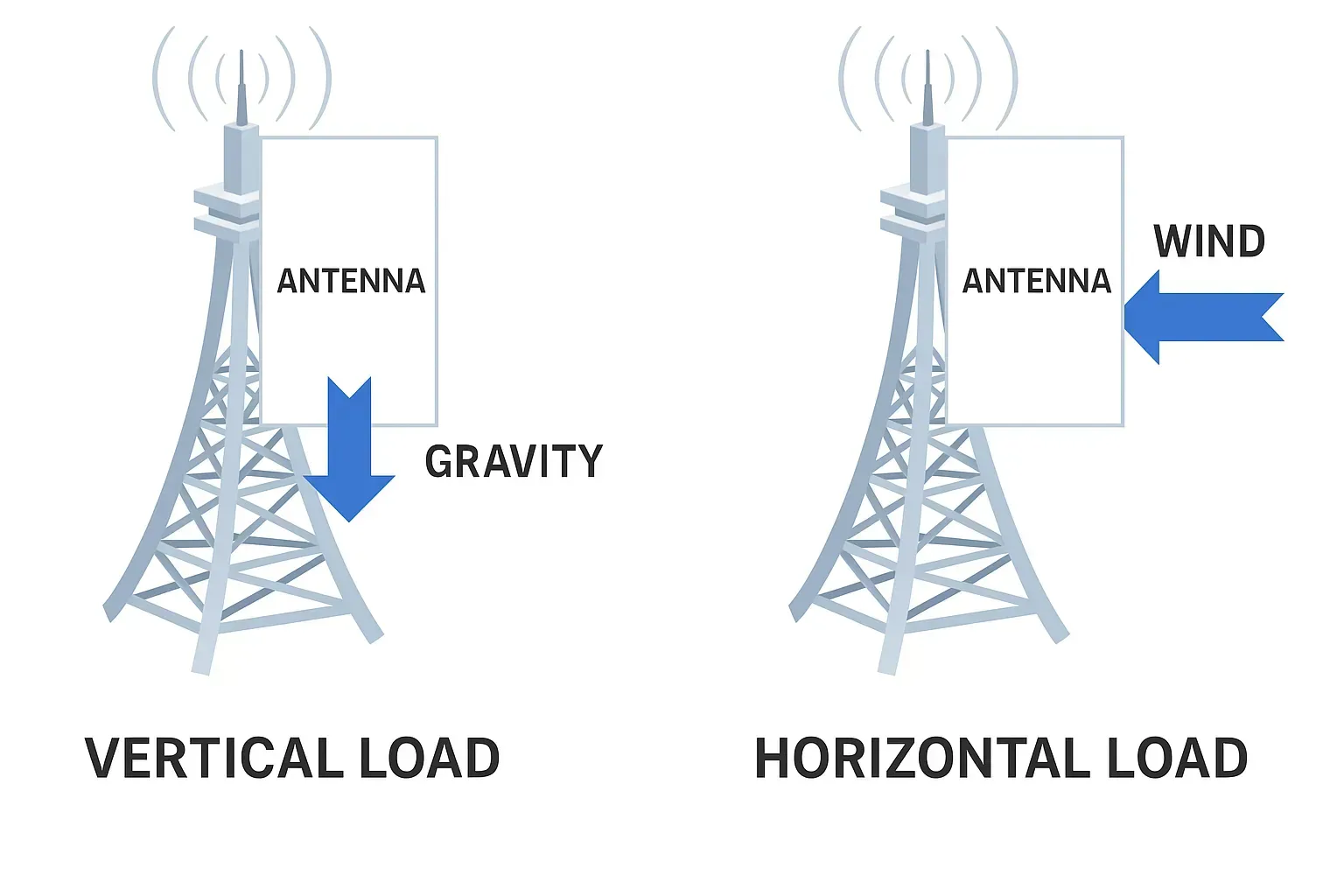
Communication Towers: Structural Engineering, Electronics Integration, and Manufacturing Considerations
Passive Components in RF Circuits
Overview of Multiple Radar System Architectures
Differences Between RFIC and MMIC
How Antennas Work and Why They Vary

RF Front-End Growth Drivers and Market Outlook
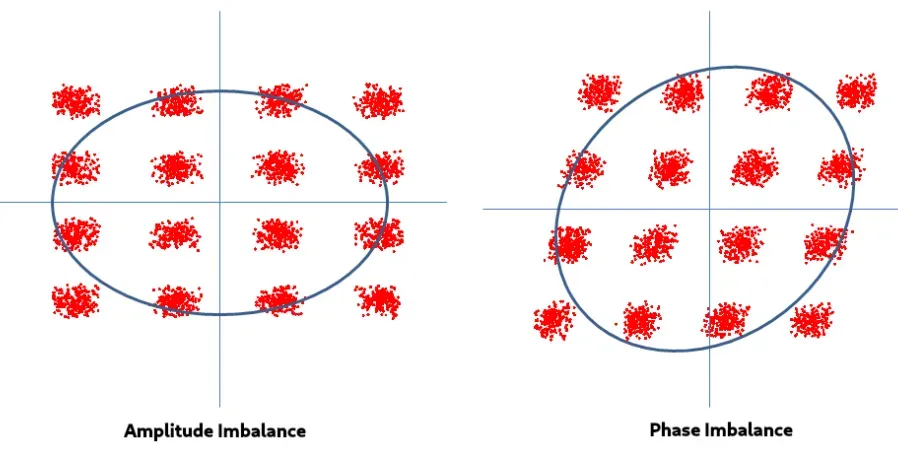
Real vs Ideal Signals in SDR-Based Simulations
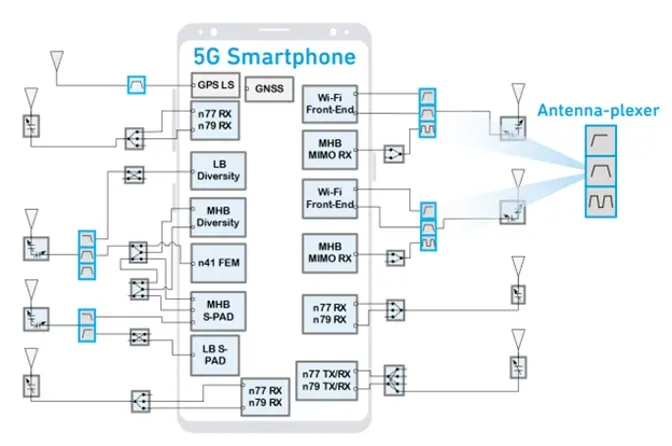
Why RF Filters Are Needed and Where They Are Used
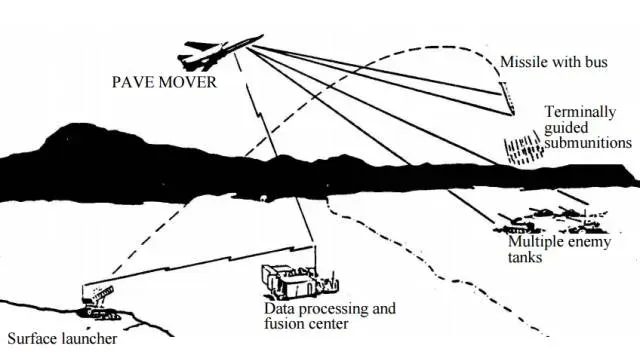
Demonstrations of LPI Radar Technologies