Definition
An IC amplifier is an integrated circuit designed to amplify electrical signals. It typically integrates multiple electronic components on a single chip to implement specific functions. IC amplifiers are compact, lightweight, reliable, and stable, and are used across a wide range of electronic devices and systems.
Applications
IC amplifiers are used in audio, video, communications, and measurement applications to amplify weak electrical signals for further processing and transmission. In audio systems, IC amplifiers are commonly used to amplify small signals to drive speakers. In measurement and communication systems, they improve transmission distance and signal stability.
Types of Amplifier ICs
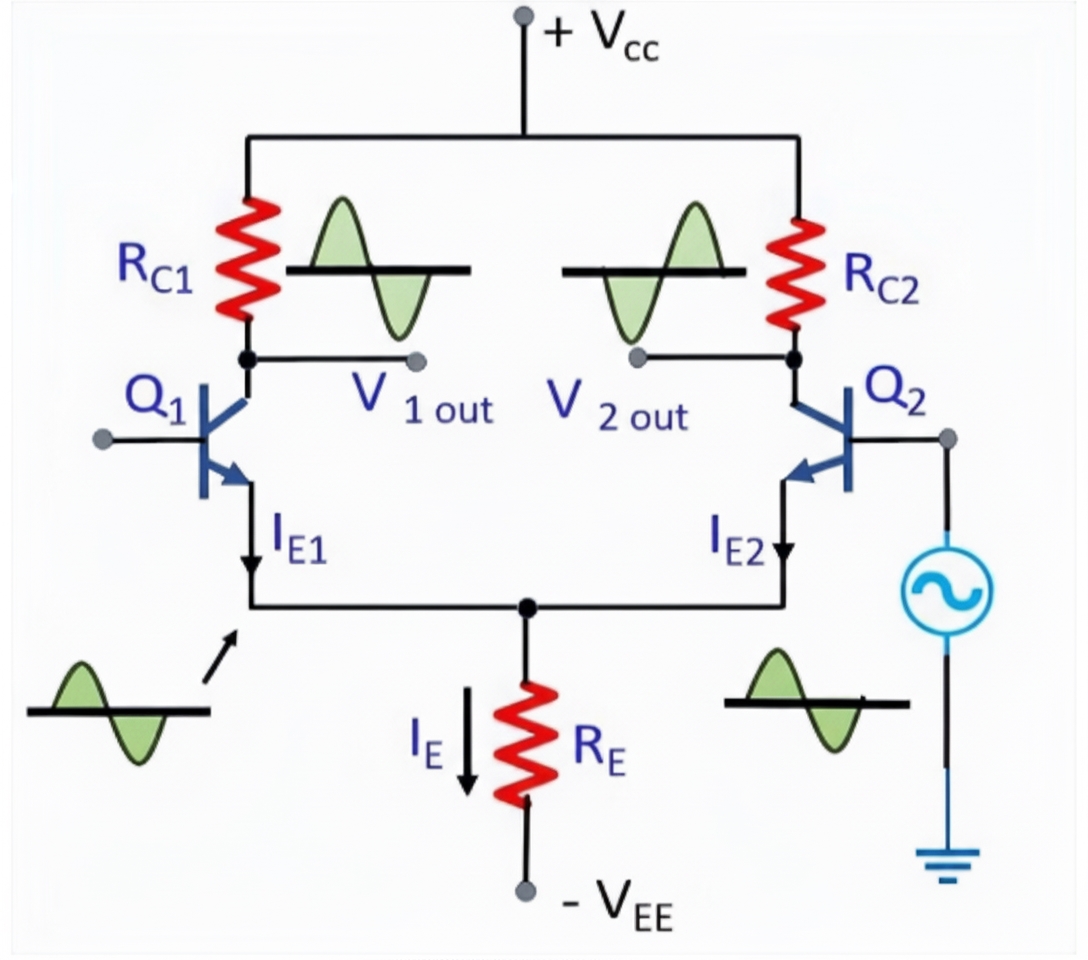
Amplifier ICs come in many varieties. By application they include linear amplifiers, power amplifiers, and operational amplifiers. By operating mode they include unidirectional amplifiers, bidirectional amplifiers, and differential amplifiers. By function they include general-purpose amplifiers, voltage comparators, and multiplexer/signal selectors. Examples include:
- Linear amplifier ICs: often used for audio and video signal amplification; may provide high-pass and low-pass filtering to reduce interference. Examples: TDA7294, LM386, LM1875.
- Power amplifier ICs: used where higher output power is required. Examples: TDA2050, TDA7293, TDA7294.
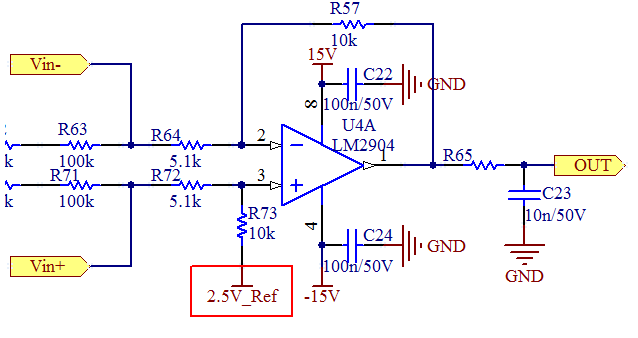
- Operational amplifier ICs: used for voltage amplification and inversion, featuring high input impedance, low output impedance, high gain, precision, and speed. Examples: LM741, LM358, LM393.
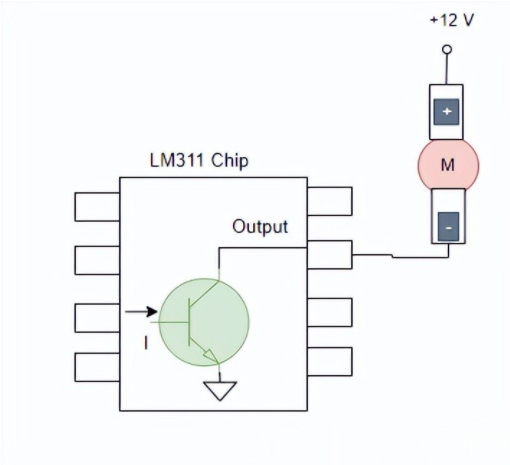
- Voltage comparator ICs: used to compare two voltage levels and output a high or low level based on the comparison. Examples: LM339, LM393, LM311.
- Multiplexer/signal selector ICs: used to select one signal from multiple inputs for output, enabling signal multiplexing and routing. Examples: CD4051, CD74HC4051.
Effect on Dynamic Range
The dynamic range of an amplifier refers to the range of input signals it can handle, from the smallest detectable signal to the largest usable signal. The amplifier affects dynamic range in several ways:
- Gain: The amplifier's gain determines how much the input signal is amplified. Higher gain can raise small signals into a usable range, expanding dynamic range. However, excessively high gain can cause distortion or saturation, reducing dynamic range.
- Input noise: Noise introduced by the amplifier adds to the input signal and limits the smallest detectable signal. Lower input noise improves dynamic range by allowing smaller signals to be distinguished from the noise floor.
- Saturation: Saturation occurs when the input signal exceeds a level such that the output cannot increase further and reaches its maximum amplitude. Signals beyond the saturation point are compressed, reducing dynamic range.
- Nonlinear distortion: Amplifiers may introduce nonlinear distortion, such as harmonic or intermodulation distortion, which alters the waveform and reduces dynamic range.
- Operating point offset: Offset in the amplifier operating point causes an offset between input and output signals, reducing the effective input signal range.
Design and selection of an appropriate amplifier require balancing these factors. Choose the amplifier type, gain, noise performance, and linearity based on application requirements to achieve the desired dynamic range.