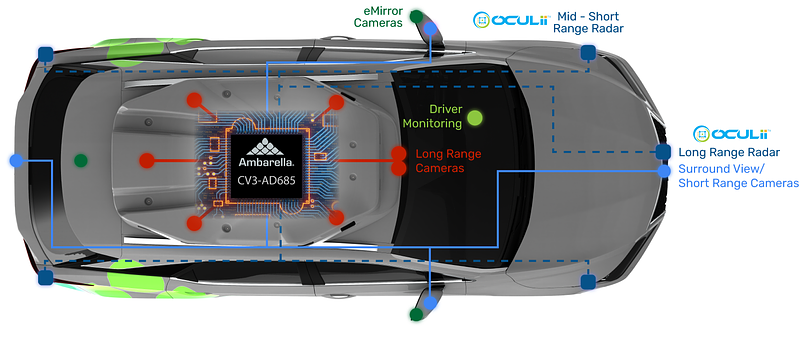
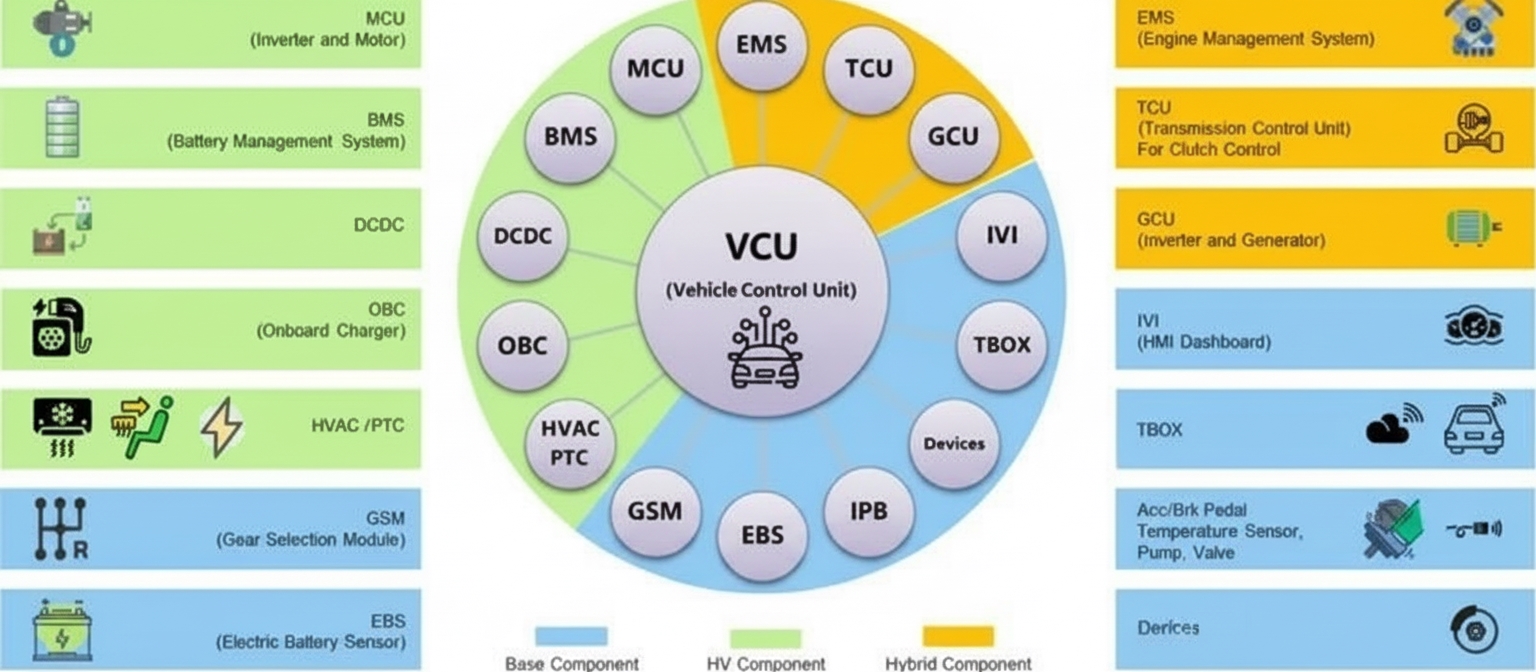
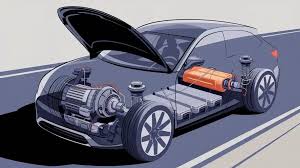
Automotive electronic circuits are circuits that combine electronic components such as semiconductor discrete devices, integrated circuits, and microprocessors with a vehicle to perform specific control functions.
Although automotive electronic circuits are also composed of electronic components and share characteristics with general electronic circuits, they have specific features. The main aspects are summarized below.
1. Close electromechanical integration
In practical applications, automotive electronics are often integrated with related mechanical systems to accomplish a function. The electronic circuit typically processes detected signals and then issues control commands. These commands are executed by switching devices such as relays, and the executing systems or mechanisms are usually mechanical.
For example, an electronic ignition control circuit receives signals from ignition sensors, processes them, and issues commands that interrupt current in the ignition coil primary. The secondary coil then generates high voltage that the distributor directs to each cylinder’s spark plug in firing order, producing sparks that ignite the fuel-air mixture. In this case, the electronic ignition control circuit provides control signals while the distributor is the mechanical executing system.
2. Applied as sealed modules on vehicles
Because vehicles operate under harsh conditions, including significant vibration and shock on different road surfaces and high temperatures when the engine is running (T > 60°C), electronic circuits used in these environments require protective measures to avoid early failure or instability. Exposure to water can also cause short circuits. Therefore, automotive electronic circuits are commonly packaged as sealed modules and installed in well-ventilated locations. Examples include electronic voltage regulators in charging systems, electronic ignition modules, ECU modules in electronic fuel injection control systems, and ABS modules.
3. Designed to perform specific control functions
Except for a few modules built around large-scale integrated microprocessors that provide multiple functions, most automotive electronic circuits are designed to perform a single control function, making their circuitry relatively specialized and focused.
4. Wide variety of components used
Automotive electronic circuits use a broad range of components, from common discrete devices such as bipolar transistors, diodes, resistors, and capacitors to dedicated or general-purpose integrated circuits. Examples include 555 timer circuits, ignition ICs like the L497, and large-scale microprocessor ICs used in ECUs. Typical microprocessor-based control units include the engine control unit (ECU), ABS ECU, cruise control ECU, SRS ECU for airbags, and ETCU for electronically controlled automatic transmissions.
Circuits may be fully discrete, entirely based on integrated circuits, or hybrid combinations of discrete components and ICs. To reduce size, many components in automotive electronics are implemented as surface-mount devices, such as SMD integrated circuits, SMD resistors, SMD capacitors, and SMD transistors.