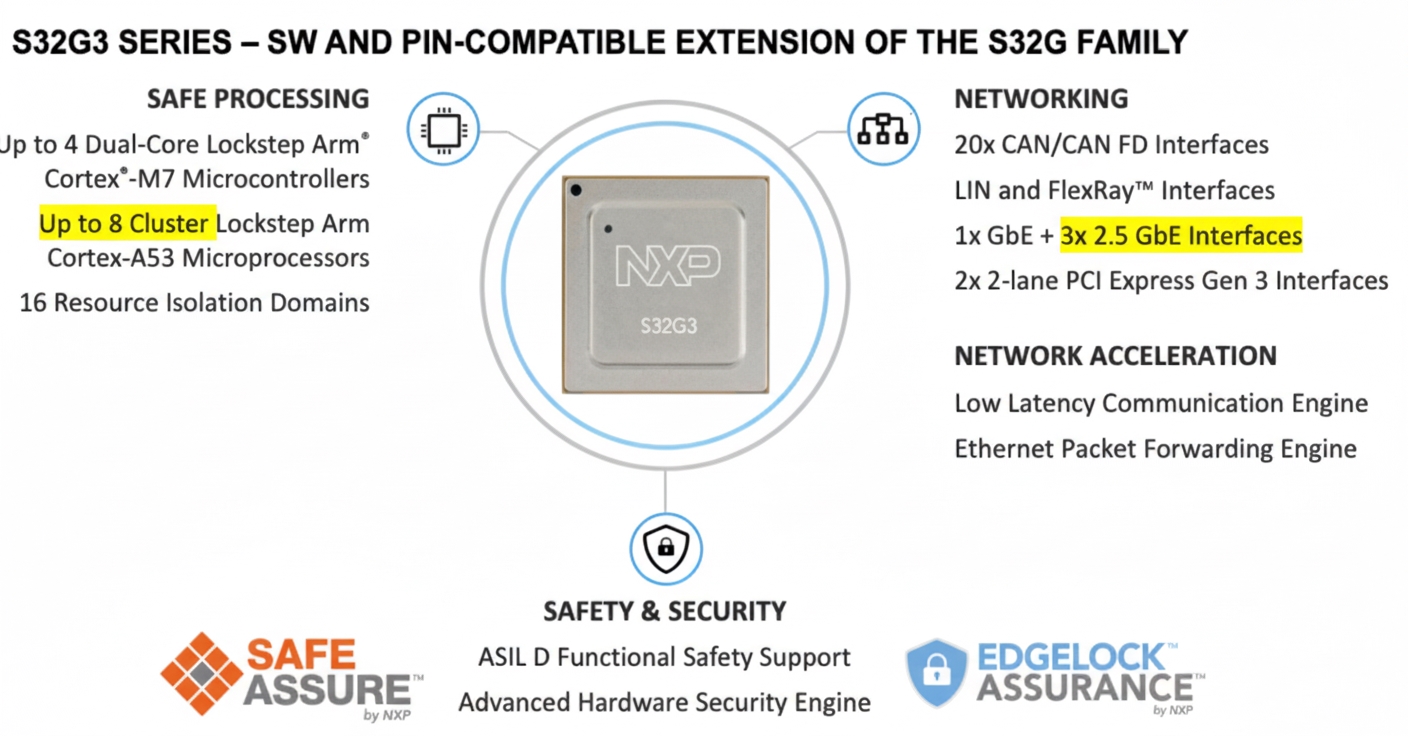
NXP has developed a chip that addresses the needs of in-vehicle high-performance computing (HPC) and domain controllers. With the introduction of the S32G3, NXP is advancing the shift toward software-defined vehicles (SDV). This article reviews NXP's presentation materials to examine key aspects of the NXP S32G3, the benefits of software-defined vehicles, the role of S32G3, and its impact on the automotive industry.
1. Vehicle Updatability in Connected Cars
Over-the-air (OTA) update cycles are accelerating, in some cases requiring weekly improvements. The S32G3 enables seamless deployment, verification, and activation of new features. For automotive companies, this shortens time to market, enables fast issue fixes without recalls, and improves user access to updates. Drivers can receive new capabilities without buying a new vehicle. This approach also supports environmental sustainability by delivering features via software updates rather than manufacturing new vehicles.
Vehicle health
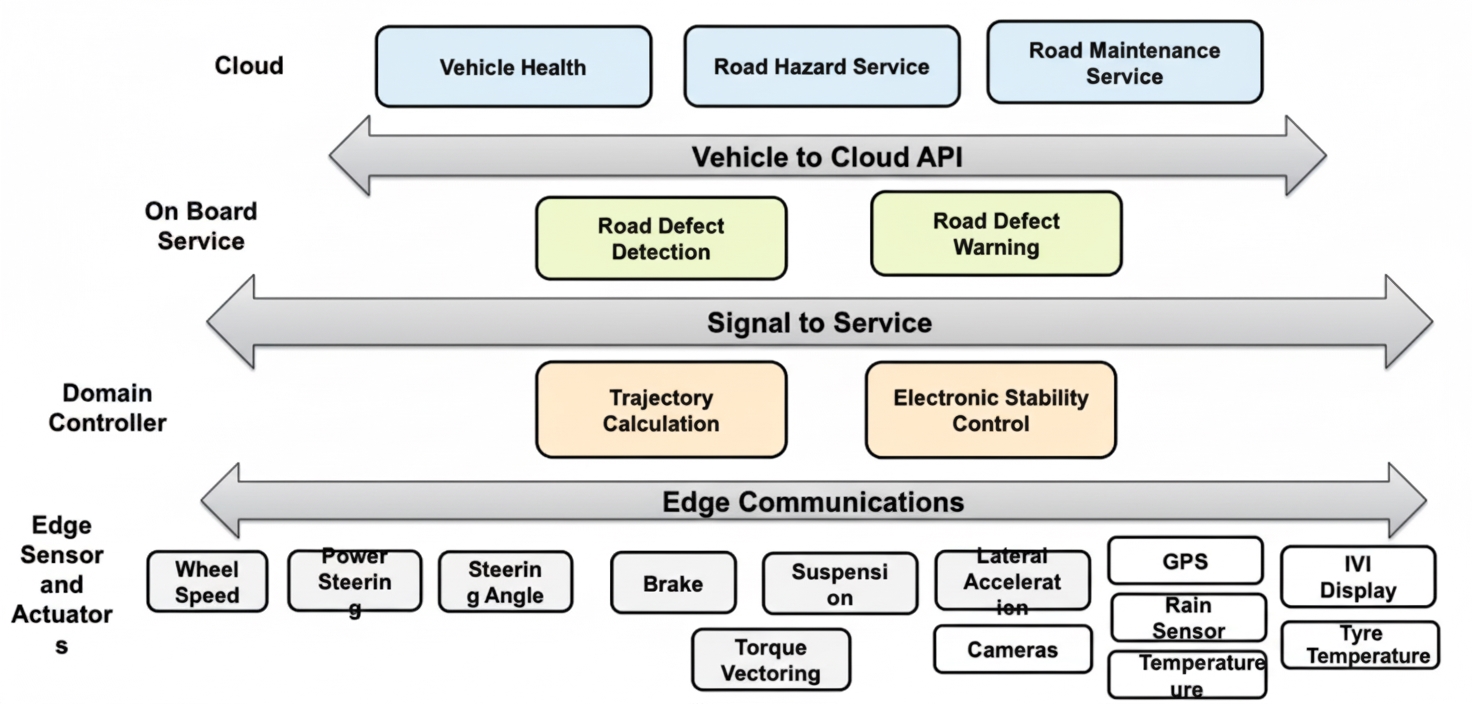
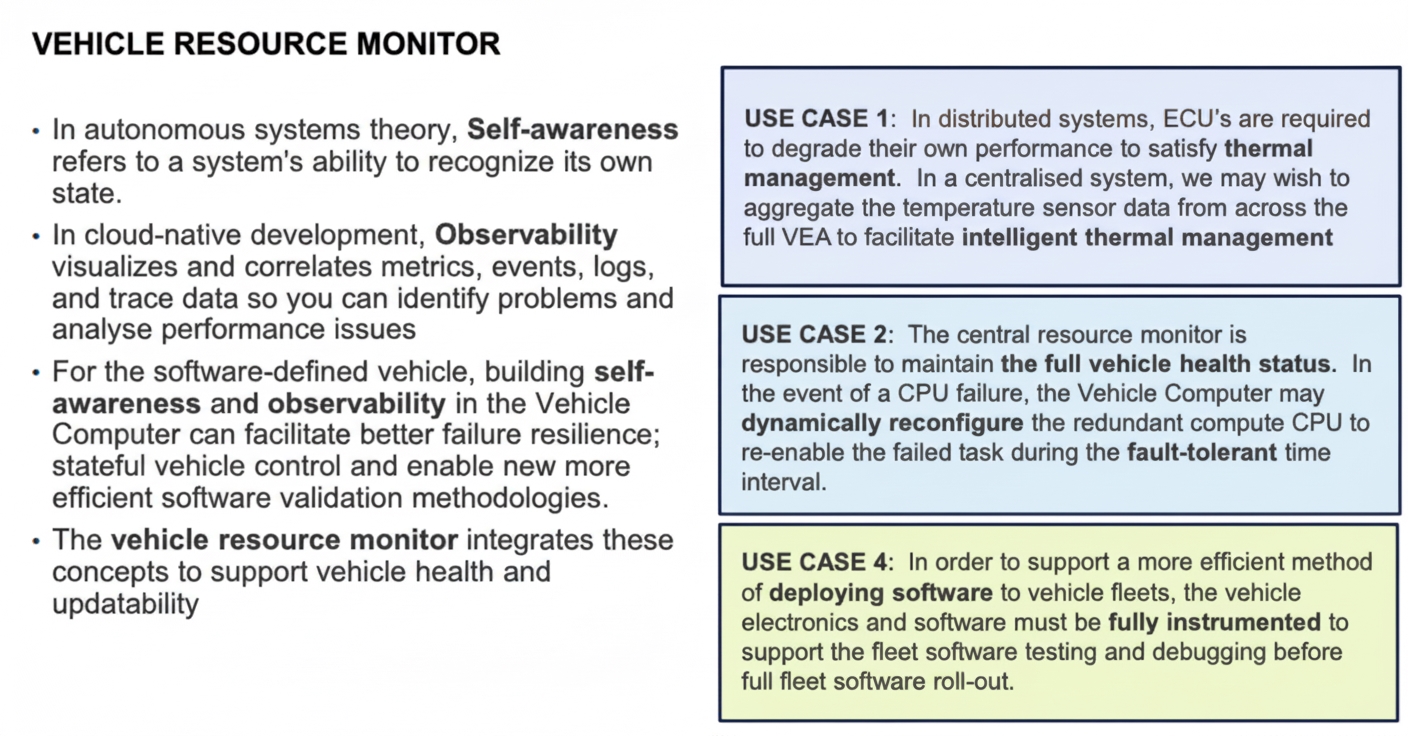
Continuous monitoring is transforming vehicle health management. S32G3 facilitates data collection, cloud connectivity, value extraction, and predictive analytics, helping vehicles achieve longer lifetimes, extended range, and reduced environmental impact.
Vehicle communication and security
In the era of smart vehicles, robust communication and security are essential. S32G3 supports advanced protocols including TLS, MQTT, and HTTP to secure external communications. It addresses emerging cybersecurity challenges, aligns with ISO/SAE 21434, and includes post-quantum secure boot options.
2. In-vehicle Computing and the S32G3
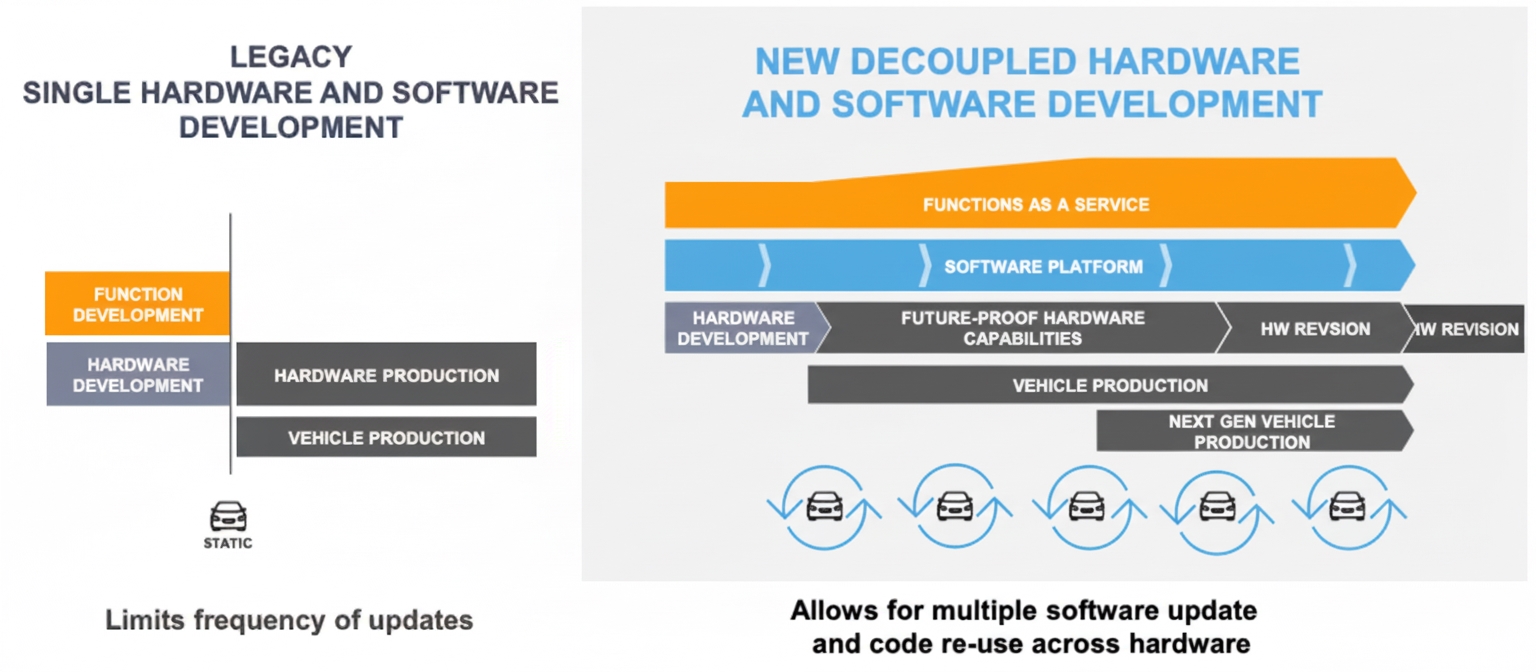
The S32G3 marks a shift from traditional tightly coupled hardware and software development to a decoupled approach that supports multiple software updates. Focusing on function-as-a-service, this dynamic architecture supports future hardware capabilities and enables direct delivery of functions to vehicles.
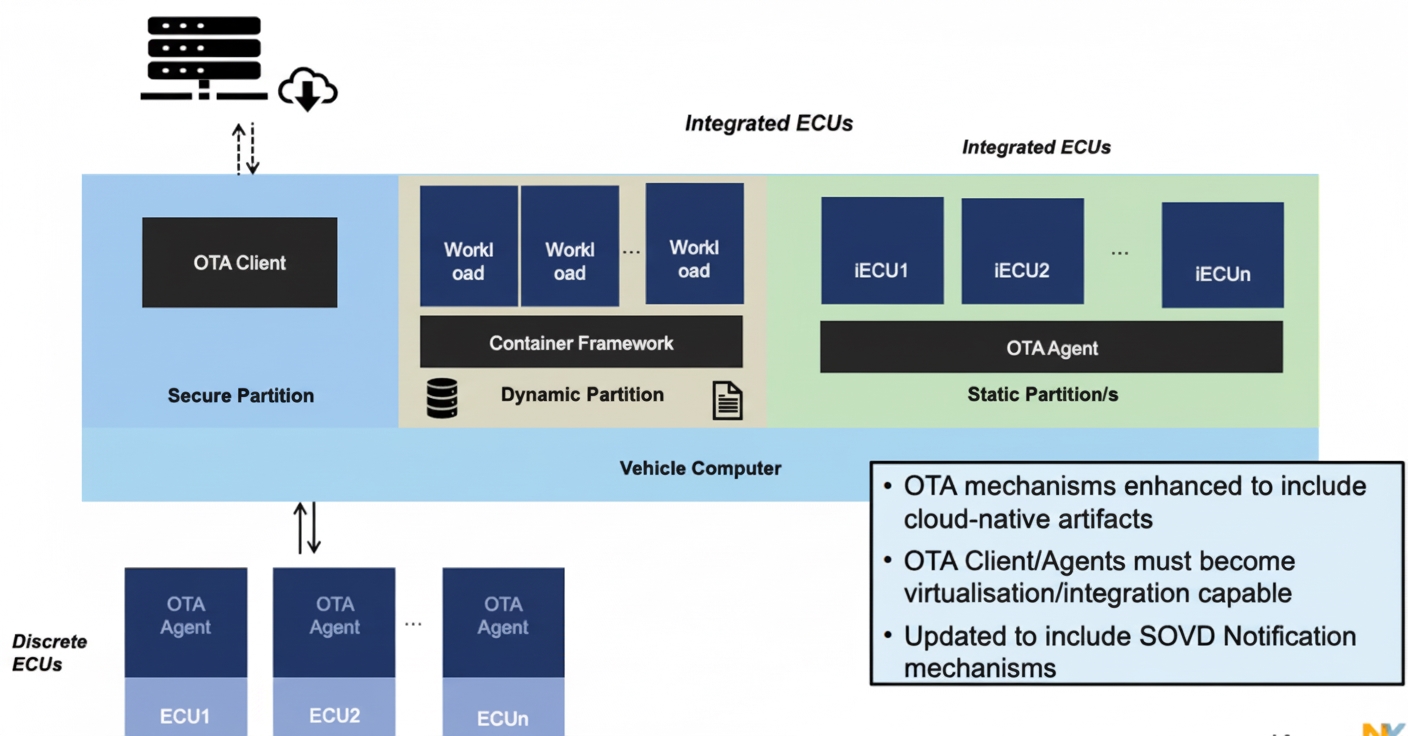
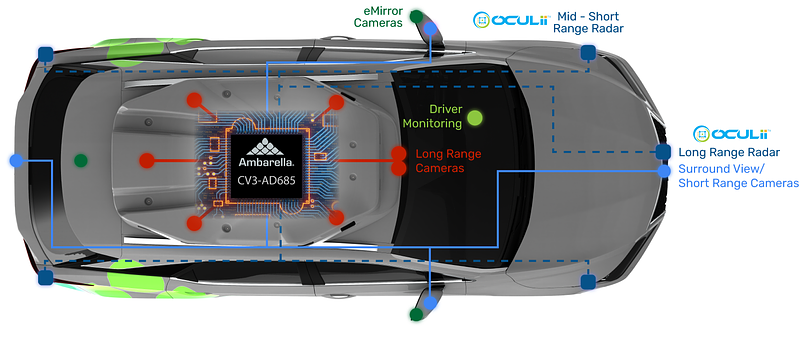
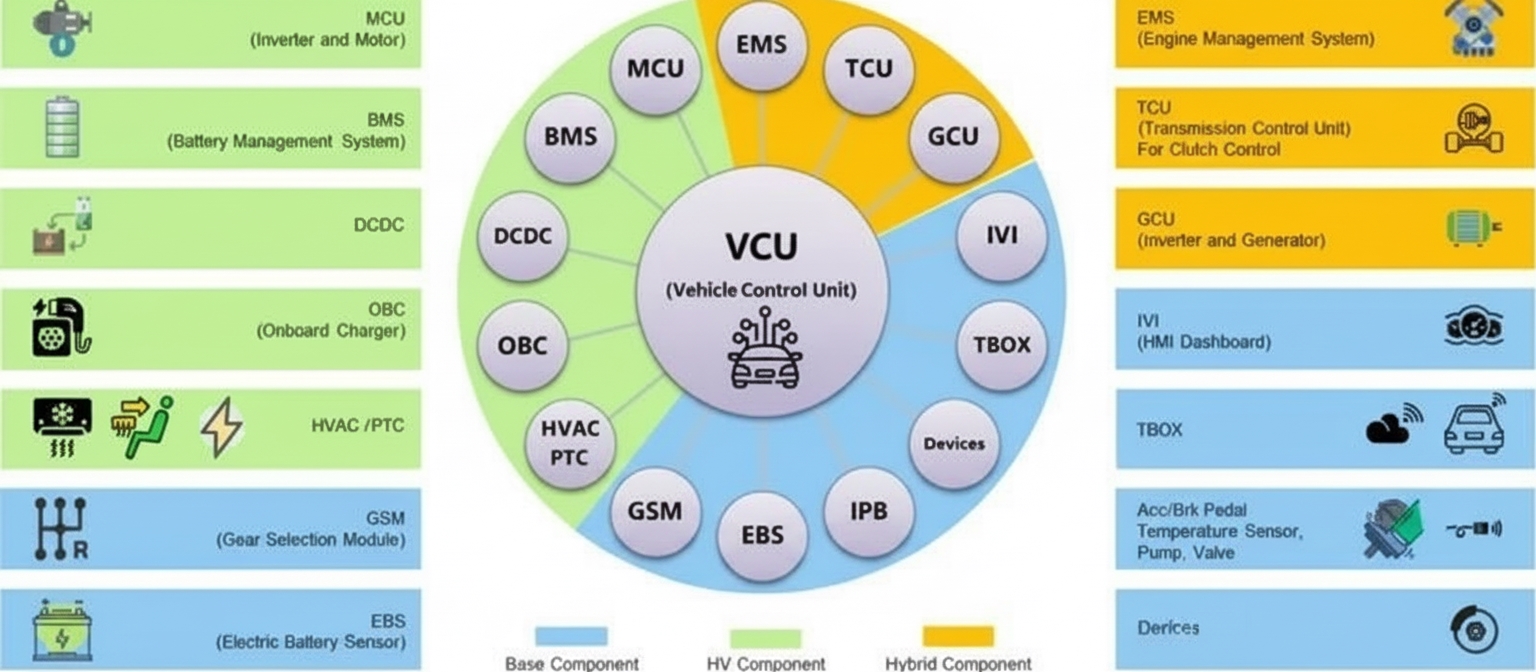
S32G3 adopts a modular high-performance computing (HPC) approach to ensure fast boot times, coordinated management of vehicle infrastructure, and redundancy for advanced driver assistance systems (ADAS). Its architecture supports various processing modules, offering flexibility, scalability, and compatibility with a range of automotive applications.
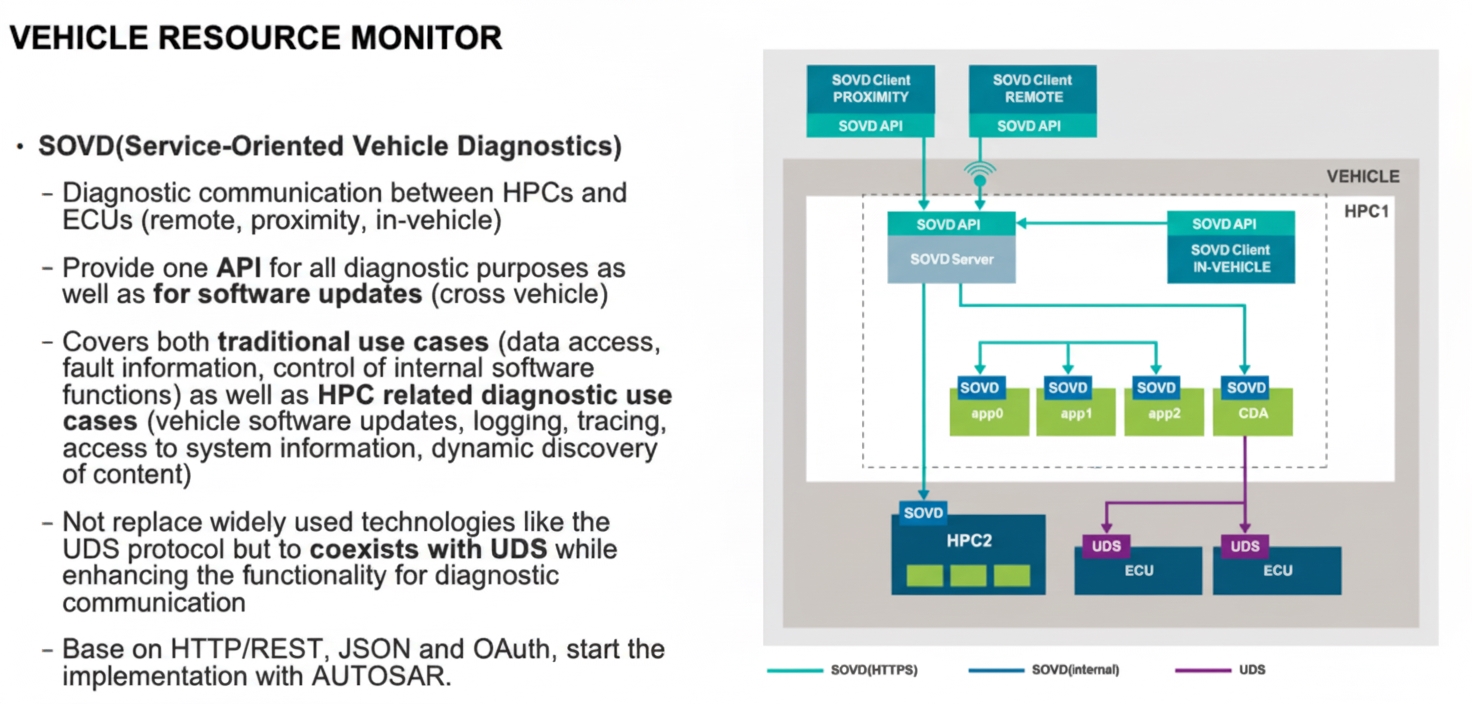
3. Networking and Security
To ensure traffic separation over the same physical medium, S32G3 enables secure in-vehicle network communication. It leverages SecOC, TLS, IPsec, and MACsec, combined with firewalls and intrusion detection systems, to enforce confidentiality, integrity, and availability across all network layers.
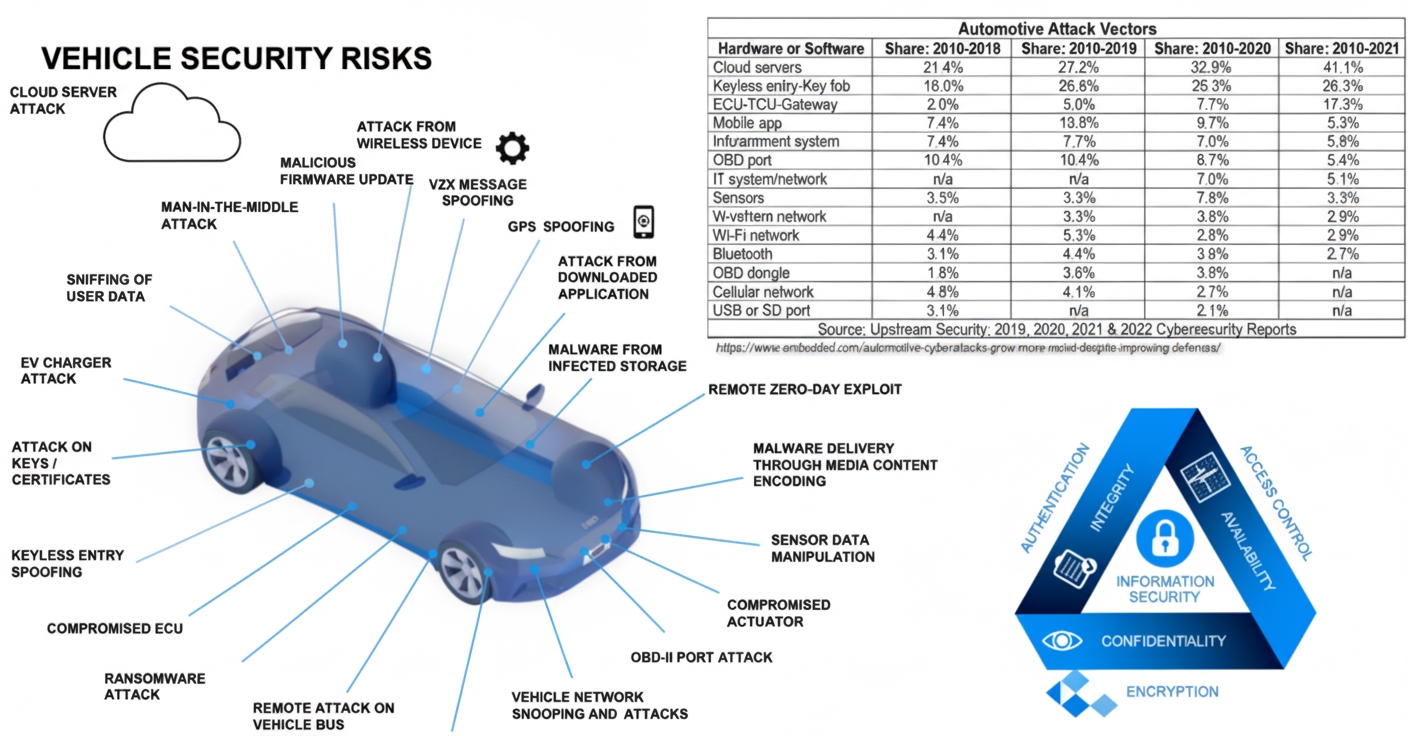
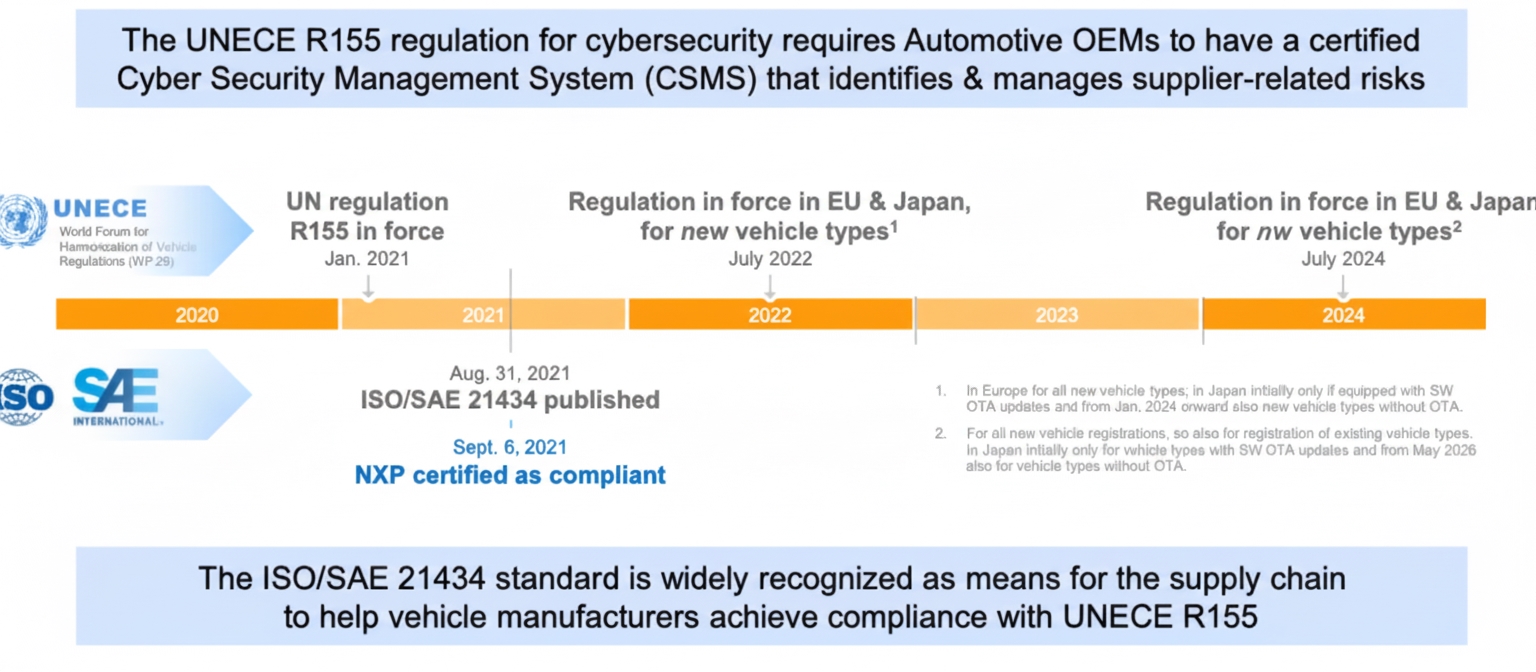
The S32G3 represents an important step toward connected, intelligent vehicles. By addressing updatability, health monitoring, communication, and security, the S32G3 contributes to a safer, more efficient, and more sustainable mobility ecosystem.