Why test smart cockpits
Testing smart cockpits ensures that their functionality, performance, and safety meet required standards to satisfy users and protect the overall experience. Key objectives include:
- Improve product quality: identify and fix defects to increase stability and reliability.
- Optimize user experience: evaluate UI, ease of operation, and comfort, and refine design based on feedback.
- Enhance safety: verify safety features such as driver attention alerts and intelligent braking aids.
- Reduce development cost: detect issues early to avoid extensive late-stage rework.
- Meet regulatory requirements: ensure compliance with relevant laws and standards for market release.
- Increase competitiveness: validate and optimize features to better position the product in the market.
Types of tests for smart cockpits
- Functional testing: verify all cockpit functions, including intelligent control systems and human-machine interaction components.
- Fault diagnosis testing: confirm the system can detect and report faults accurately and provide appropriate guidance.
- Performance testing: evaluate in-vehicle performance and response times, covering hardware, software, and connected components such as audio systems, Bluetooth, and wireless networks.
- Safety testing: assess safety features like driver attention alerts and intelligent braking assistance.
- Compatibility testing: verify compatibility between instrument clusters and the vehicle's hardware and software.
- User interface testing: check interface responsiveness and interaction quality to ensure smooth operation and good feedback.
- Automated testing: use automated tools such as AutoTest-X for high-precision image comparison, pure software touch stimulation, voice recognition, and bus signal testing.
- Regression testing: verify that updates or fixes do not introduce new issues.
- Endurance testing: simulate long-term use and high-load conditions to ensure stability over extended periods.
- Security measures testing: validate data encryption, permission management, and resistance to malicious attacks; verify warning and alert mechanisms.
- Hardware-software integration testing: ensure coordinated operation without conflicts or incompatibilities.
- RF communication testing: validate RF functions such as FM/RDS, Bluetooth, WLAN, and GNSS for stable signal reception and transmission.
- Data uplink and downlink testing: verify reliable data upload to cloud platforms and remote vehicle control.
- System integration testing: test the entire cockpit as an integrated system to ensure all components work together and meet performance requirements.
- Customization and configuration testing: verify personalized settings such as display language and units.
- Internationalization and localization testing: ensure correct operation across different regions and cultural contexts.
- Audio testing: validate audio quality, volume control, and noise suppression.
- Video testing: verify in-vehicle video playback, including high-definition playback and format compatibility.
- Environmental adaptability testing: simulate extreme conditions (high/low temperature, humidity, etc.) to assess stability and reliability.
- Ergonomics testing: evaluate comfort, ease of operation, and safety to optimize human-machine interaction.
- User experience testing: collect real-user feedback across driving scenarios to guide improvements.
- Acceptance testing: perform comprehensive checks against predefined standards and specifications before release.
- Maintainability testing: assess fault diagnosis, software update processes, and overall maintainability.
- Reliability testing: validate long-term reliability and durability through extended operation and repeated use.
- Security vulnerability testing: identify and verify potential security vulnerabilities.
- Regulatory compliance testing: ensure compliance with relevant regional and international regulations, particularly for autonomous driving functions.
- Data protection and privacy testing: verify compliance with data protection and privacy requirements.
- CI/CD testing: integrate automated code review, build, integration, and deployment processes to reduce errors and improve development efficiency.
- Staged rollout testing: deploy new versions or features gradually to reduce risk and collect feedback.
- A/B testing: present two design variants to subsets of users to compare effectiveness and preference.
Core functions included in a smart cockpit
- Infotainment: audio systems, video playback, Wi-Fi, and other entertainment functions.
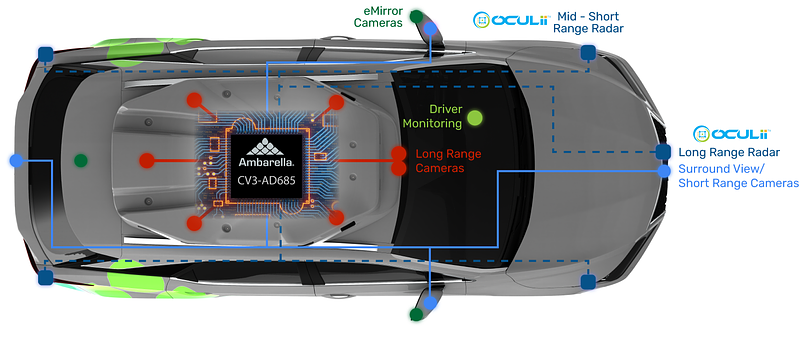
- Driver assistance: features such as automated parking, adaptive cruise control, blind-spot monitoring, and rearview cameras.
- Safety systems: airbags, brake assist, and automatic emergency braking.
- Comfort features: climate control, seat heating and ventilation.
- Voice interaction: voice assistants that handle tasks such as opening windows or changing navigation destinations.
- Human-machine interfaces: touchscreens and physical controls for vehicle function adjustments.
- In-cabin environment monitoring: temperature sensors and humidity sensors to adjust comfort settings.
- Connectivity and navigation: GPS navigation and smartphone integration.
- Safety monitoring: track vehicle parameters such as speed, steering angle, and braking, as well as driver fatigue and attention levels to provide warnings.
- Communication: in-vehicle voice and video communication and external network connectivity.
- Intelligent control: support for voice, gesture, and touch control.
- Environmental sensing: monitor interior and exterior conditions like temperature, humidity, and pressure to optimize settings.
Advantages and disadvantages of smart cockpits
Advantages
- Better comfort and convenience: adaptive seat adjustment, advanced entertainment, and connectivity features improve comfort and convenience for drivers and passengers.
- Improved safety: monitoring of driver and vehicle data can detect fatigue or distraction and provide timely alerts; integrated driver-assistance functions enhance driving safety.
- Personalization: automatic adjustments based on driver habits and passenger preferences deliver a tailored experience.
- Energy efficiency: intelligent control of vehicle energy use can reduce fuel consumption and emissions.
Disadvantages
- Higher cost: advanced displays, sensors, and chips increase system cost, which can raise vehicle prices.
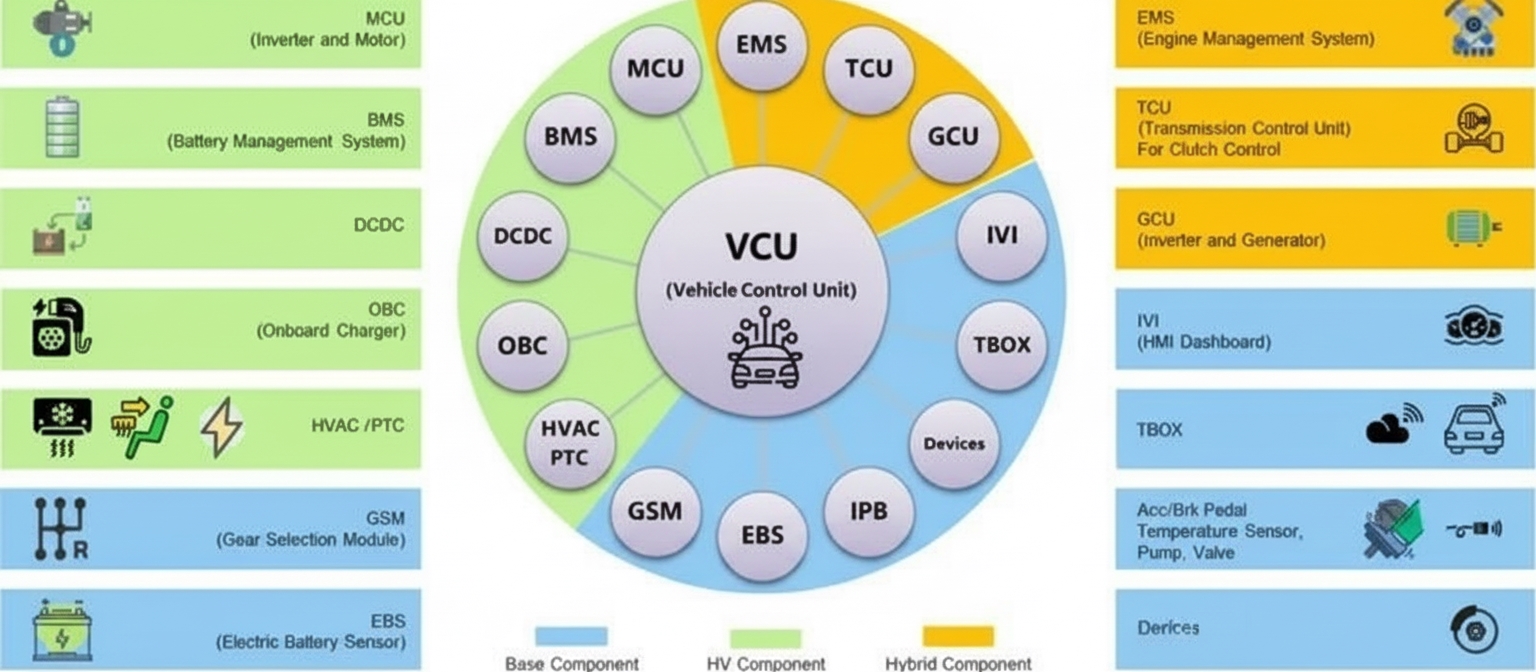
- Technical complexity: multidisciplinary integration increases complexity, potentially raising maintenance costs and requiring specialized technicians.
- Data security concerns: extensive personal and vehicle data require robust protection to prevent leaks and misuse.
- Potential driver distraction: excessive or poorly designed features can distract drivers and compromise safety, so feature design must limit distraction.
Smart cockpit technology offers significant benefits for comfort, safety, and convenience, but also introduces cost, complexity, and security challenges. Careful design and testing are necessary to balance these trade-offs and ensure practical, safe deployment.