Introduction
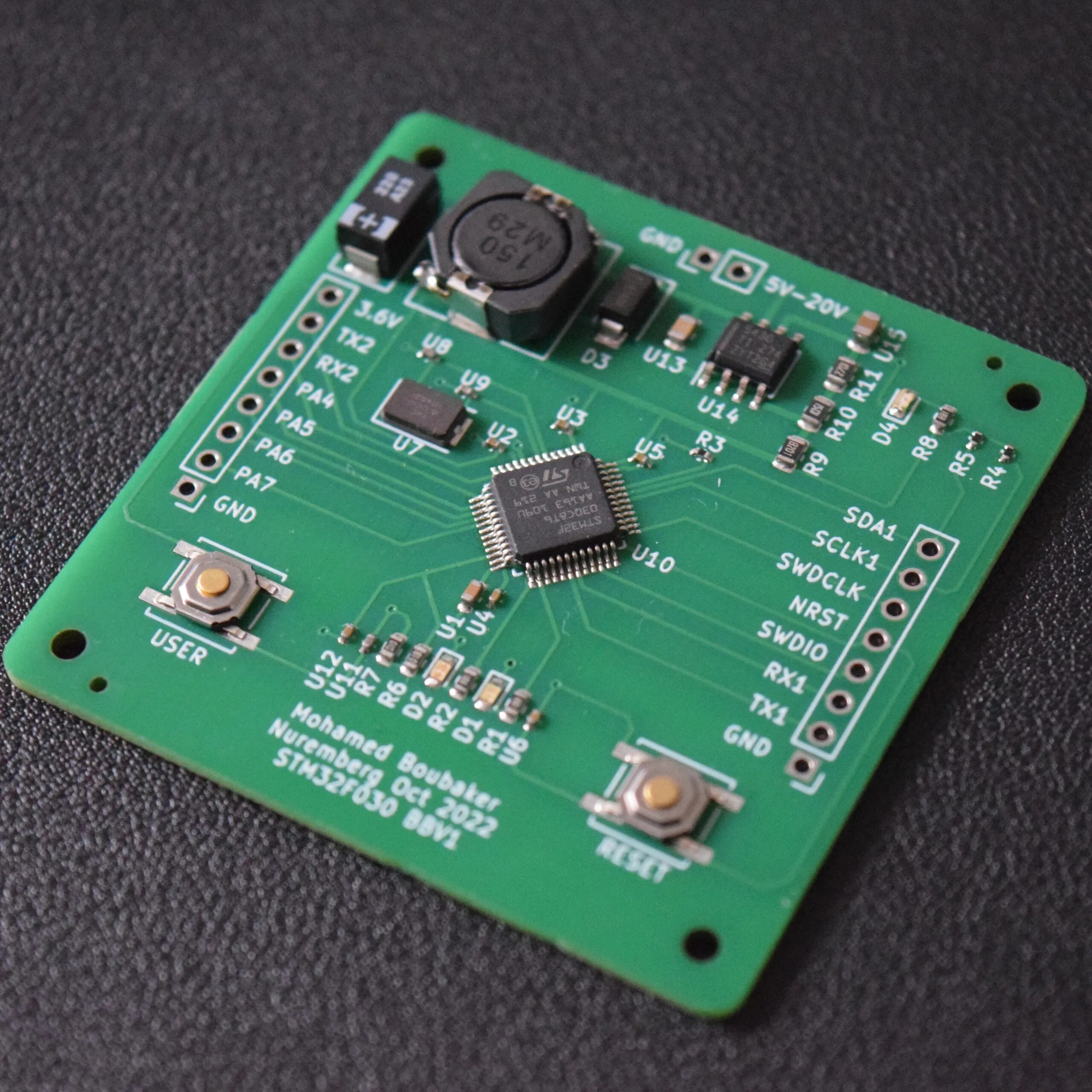
Soldering SMD components at home has become accessible to hobbyists thanks to affordable tools and reliable techniques. Modern surface-mount devices offer smaller size, better performance, and lower cost than through-hole parts. Successful beginner SMD soldering requires the right temperature-controlled station, proper flux and paste, and practiced methods. This guide focuses on practical, field-proven approaches used daily on real SMT PCB assembly lines, adapted for home workstations. Every recommendation follows standard industry practices without unnecessary expense.
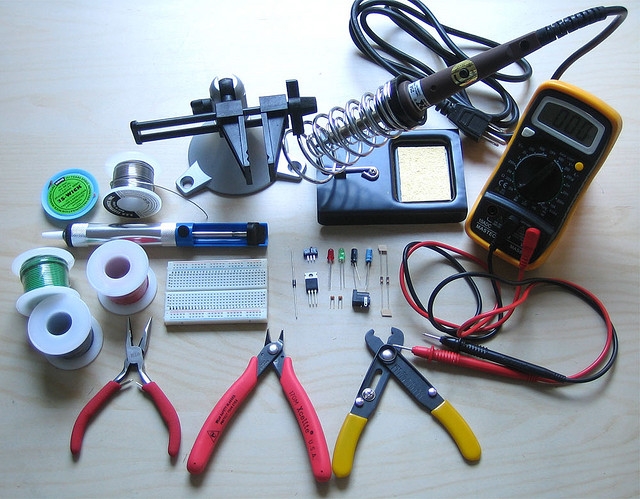
Essential Tools for Beginner SMD Soldering
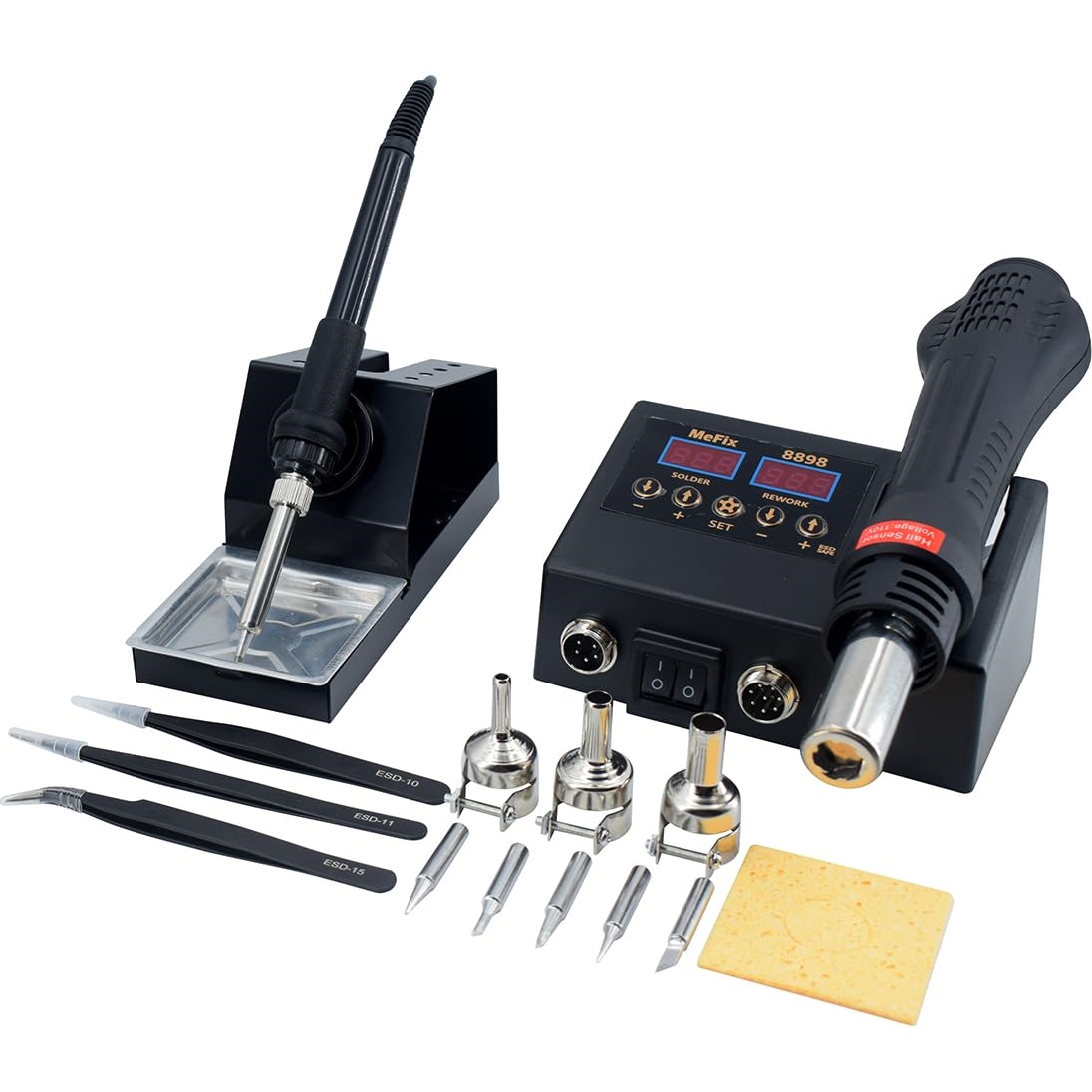
1. Temperature-Controlled Soldering Station
A reliable SMD soldering station with digital temperature display is mandatory. Look for stations that maintain stable tip temperature between 300°C and 370°C. Fast thermal recovery prevents cold joints when working on ground planes.
2. Fine Soldering Tips
Use chisel tips 0.8 mm to 1.6 mm wide for 0603 and larger components. Conical tips work for drag soldering SOIC and QFN packages.
3. Quality Tweezers
Anti-static, reverse-action tweezers with sharp points allow precise component placement. Curved tips help with 0402 and smaller parts.
4. Solder Paste and Flux
Low-residue no-clean solder paste (Type 3 or Type 4) suits stencil or syringe application. Tacky flux in pen form improves wetting on oxidized pads.
5. Hot Air Rework Station
A compact hot air tool with adjustable airflow and temperature (200°C to 450°C) removes and installs multi-pin packages safely.
6. Magnification and Lighting
A 5x–10x visor or stereo microscope reveals solder bridges and proper fillet formation on fine-pitch parts.
Solder Paste Selection and Storage
Choose Sn63/Pb37 or SAC305 no-clean paste in small syringes for hobby use. Store paste refrigerated and allow it to reach room temperature before opening. Stir thoroughly before each session. Discard paste older than six months or showing separation.
Hand Soldering Techniques for Different SMD Components
0402 and 0603 Resistors and Capacitors
- Pre-tin one pad with a small amount of solder.
- Apply liquid flux to both pads.
- Hold component with tweezers and tack it to the pre-tinned pad.
- Solder the opposite end first, then reflow the tacked side.
- Add flux and clean excess solder if needed.
SOIC, SOT, and QFN Packages
Drag soldering technique:
- Apply generous tacky flux across all pins.
- Add a bead of fresh solder to the tip.
- Drag slowly across the row at 320°C while maintaining slight downward pressure.
- Clean tip frequently and remove bridges with solder wick.
Fine-Pitch QFP and TQFP
Hot air method works best:
- Align component precisely under magnification.
- Apply gel flux around perimeter.
- Use 350°C and medium airflow with a 6–8 mm nozzle.
- Move nozzle in small circles until all pins reflow simultaneously.
- Let cool completely before moving.
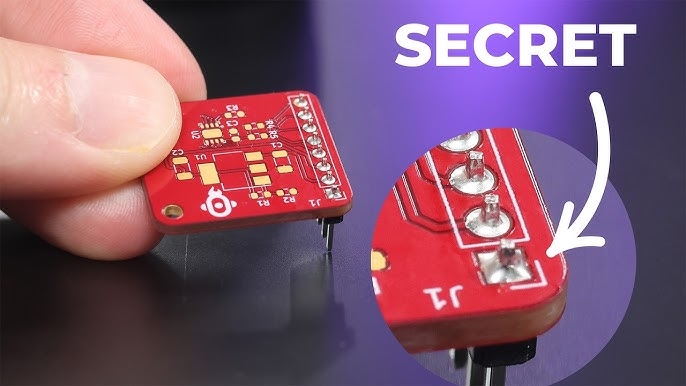
Hot Air Rework Technique for Beginners
- Set temperature 50°C above alloy liquidus (around 370°C for SAC305).
- Start with low airflow to prevent component movement.
- Preheat board from bottom if possible.
- Keep nozzle 5–8 mm above component.
- Watch for uniform gloss across all joints indicating full reflow.
- Lift component straight up when solder turns liquid.
Common Beginner Mistakes and Solutions
- Too much solder paste creates bridges. Use less than you think necessary.
- Insufficient flux causes poor wetting. Always add fresh flux before soldering.
- Excessive temperature damages pads. Stay below 380°C for hand soldering.
- Moving component before solder solidifies creates tombstoning. Hold until fully cooled.
- Poor tip maintenance leads to oxidized joints. Tin and wipe tip regularly.
Cleaning and Inspection
Clean no-clean flux residue only if required for appearance or conformal coating. Use 99% isopropyl alcohol and a soft brush. Inspect every joint under 10x magnification for bridges, insufficient solder, or non-wetting. Good joints show smooth, concave fillets with visible pad overlap.
Conclusion
Beginner SMD soldering can deliver professional results with basic temperature-controlled tools and practiced techniques—the same core principles used by a large PCB manufacturer in high-volume assembly. Start with 0603 and larger components using the tack-and-solder method, then progress to drag soldering and hot air rework as confidence grows. Consistent temperature control, proper flux usage, and patient inspection are what ultimately separate reliable solder joints from frustrating failures.
FAQs
Q1: What temperature should I use for soldering SMD components by hand?
A1: Most hobbyists achieve excellent results between 320°C and 350°C for Sn63/Pb37 and SAC305 alloys. Higher temperatures risk pad damage while lower temperatures produce dull, grainy joints.
Q2: Is hot air or soldering iron better for beginner SMD soldering?
A2: Start with a good soldering iron for discrete components and SOIC packages. Add a hot air station once comfortable with placement and flux management. Hot air excels at QFP and QFN packages.
Q3: Do I need a stencil for solder paste with hobby projects?
A3: Small runs work fine with syringe-dispensed paste or the tack-and-solder method. Stencils become valuable above ten identical boards or when using fine-pitch parts below 0.5 mm.
Q4: How can I prevent bridges when soldering SMD components?
A4: Apply tacky flux generously, use the correct amount of solder on the tip, and drag slowly at the proper angle. Remove bridges immediately with flux and solder wick while joints remain hot.
References
IPC J-STD-001H — Requirements for Soldered Electrical and Electronic Assemblies. IPC, 2020.
IPC-7095D — Design and Assembly Process Implementation for BGAs. IPC, 2017.
IPC-A-610H — Acceptability of Electronic Assemblies. IPC, 2020.
JEDEC J-STD-020E — Moisture/Reflow Sensitivity Classification for Nonhermetic Surface Mount Devices. JEDEC, 2014.