Overview
In 2016 the smartphone market saw contrasting trends across major vendors. Samsung's Galaxy S7 and S7 edge performed strongly earlier in the year. On August 2, Samsung announced the Galaxy Note7 in New York. The model brings a dual-edge display, the 12 MP Dual Pixel rear camera used in the S7 series, and iris recognition among other features. Note: the unit used for this review is the international version.
Hardware specifications
The international Galaxy Note7 reviewed here ships with Samsung's Exynos 8890 (4x2.3 GHz + 4x1.6 GHz). The China version uses Qualcomm Snapdragon 820 (2x2.2 GHz + 2x2.0 GHz). Memory and storage are 4 GB RAM + 64 GB internal storage, with microSD expansion up to 256 GB. Network support varies by region and can include LTE Cat.12. According to regulatory filings, the China version supports dual-SIM dual-standby with full 4G compatibility.
The display is a 5.7-inch 2K dual-edge Super AMOLED panel. Camera specs include a 5 MP front camera and a 12 MP Dual Pixel rear camera, both with f/1.7 aperture. Other features include Samsung Pay (MST), NFC, iris recognition, S Pen, wireless charging, and IP68 dust/water resistance.
Design
The Note7 continues Samsung's dual-glass design and adds a dual-edge screen, producing a higher screen-to-body ratio compared with the Note5. The back uses 2.5D curved glass and the camera, flash, and heart-rate sensor are arranged similarly to previous Note models. The overall shape is noticeably more rounded than the Note5.
Available finishes include gold, black, blue, and silver. On the blue variant the display panel and the S Pen match the blue color, with the metal mid-frame in gold. Other color variants have mid-frames matching the body color. The dual-edge front and curved back produce symmetrical curved glass surfaces and a smoother frame profile.
Despite initial rumors, the front panel features three visible openings at the top. Iris unlock performs quickly in normal conditions. The international review unit retains the Samsung logo on the front; the China version may follow regional branding practices.
The phone adopts a USB Type-C port and uses an exposed-port waterproof design: internal seals protect the port while metal contacts remain exposed. Exposed metal contacts are treated with a hydrophobic nano coating. The Note7 is rated IP68 and can theoretically be submerged to 1.5 meters for up to 30 minutes. S Pen and the wireless charging accessory are also rated for water resistance.
Other details include a precision fit between the screen and metal mid-frame, and a hybrid single tray that accepts one Nano SIM plus a microSD card. Compared with the Note5, the Note7 is slightly longer and thicker but noticeably narrower, likely due to the dual-edge display. Battery capacity increases to 3500 mAh.
The S Pen has been significantly improved: the tip is finer and it supports up to 4096 levels of pressure sensitivity. System-level features have been extended to take advantage of the S Pen, such as instant note-taking from the standby screen.
System experience: Iris recognition and S Pen
The system uses Samsung's TouchWiz UI on Android 6.0.1. The device includes Flipboard as a reading app. Unlock options include passcode, fingerprint, and iris recognition. Iris recognition is a major feature: the iris pattern forms early in fetal development and remains stable throughout life, so iris-based authentication is presented as a strong security method. During setup the system guides the user through iris enrollment and advises removing glasses for the process. Enrolled iris data is stored on the device. If recognition fails, the system suggests cleaning the top sensor area.
S Pen functionality continues to mature. The Note7 retains the screen-off memo feature: when the device is asleep, removing the S Pen opens a handwriting interface on a black background, leveraging AMOLED's power characteristics. The 4096 pressure sensitivity offers more natural and subtle handwriting and drawing. The S Note app provides configurable options for pen color, stroke type, and backgrounds to support creative workflows.
Camera: 12 MP Dual Pixel sensor
The Note7 uses a 12 MP Dual Pixel rear sensor with 1.4 μm pixel size and an f/1.7 aperture; the front camera is 5 MP with f/1.7. The rear camera also supports optical image stabilization. Dual Pixel—originally used in Canon DSLR sensors—divides each pixel into two photodiodes. Each half-pixel can form an independent signal, enabling phase-detection across the entire sensor. By comparing the two sub-pixel images the system computes subject distance for faster autofocus and improved tracking.
In typical shooting interfaces the Note7's camera app is similar to recent Samsung high-end models, with swipe gestures to change modes. Official sample images show fast autofocus and good tracking of moving subjects. Low-light samples retain high cleanliness and low noise, inheriting strengths seen in the S7 series. Overall, the camera delivers fast, accurate focus and generally pleasing daytime and low-light results.
Performance: Exynos 8890 and Snapdragon 820 variants
The international Note7 uses Samsung's Exynos 8890 octa-core SoC with 4 Mongoose cores plus 4 Cortex-A53 cores, built on 14 nm FinFET LPP, and a Mali-T880 MP12 GPU. Mongoose is Samsung's custom CPU microarchitecture; the A53 cores are optimized for power efficiency.
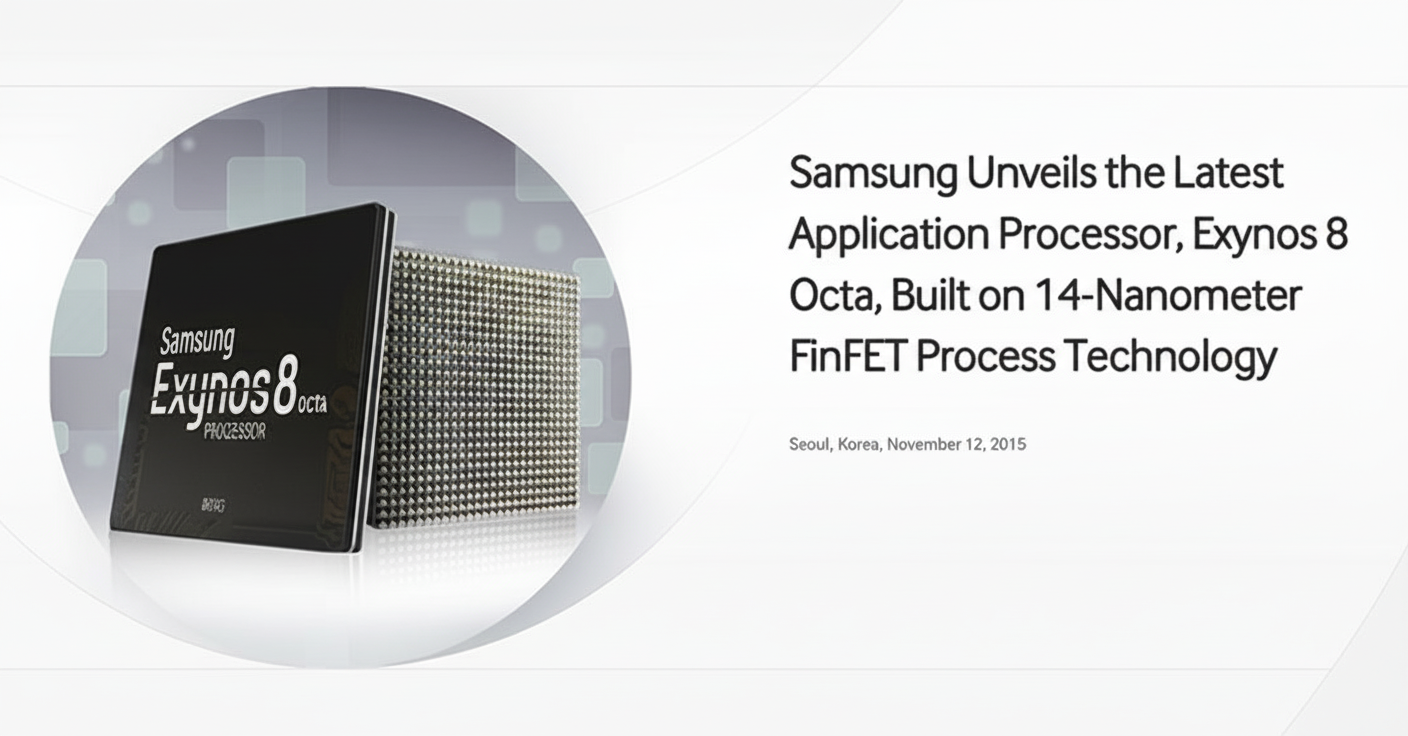
The China version uses Qualcomm's Snapdragon 820, also produced on a 14 nm FinFET LPP process, with a quad-core Kryo CPU (2 cores at 2.2 GHz and 2 cores at 2.0 GHz), and an Adreno 530 GPU supporting OpenGL ES 3.1+. Snapdragon 820 includes a low-power Hexagon 680 DSP coprocessor for efficiency.
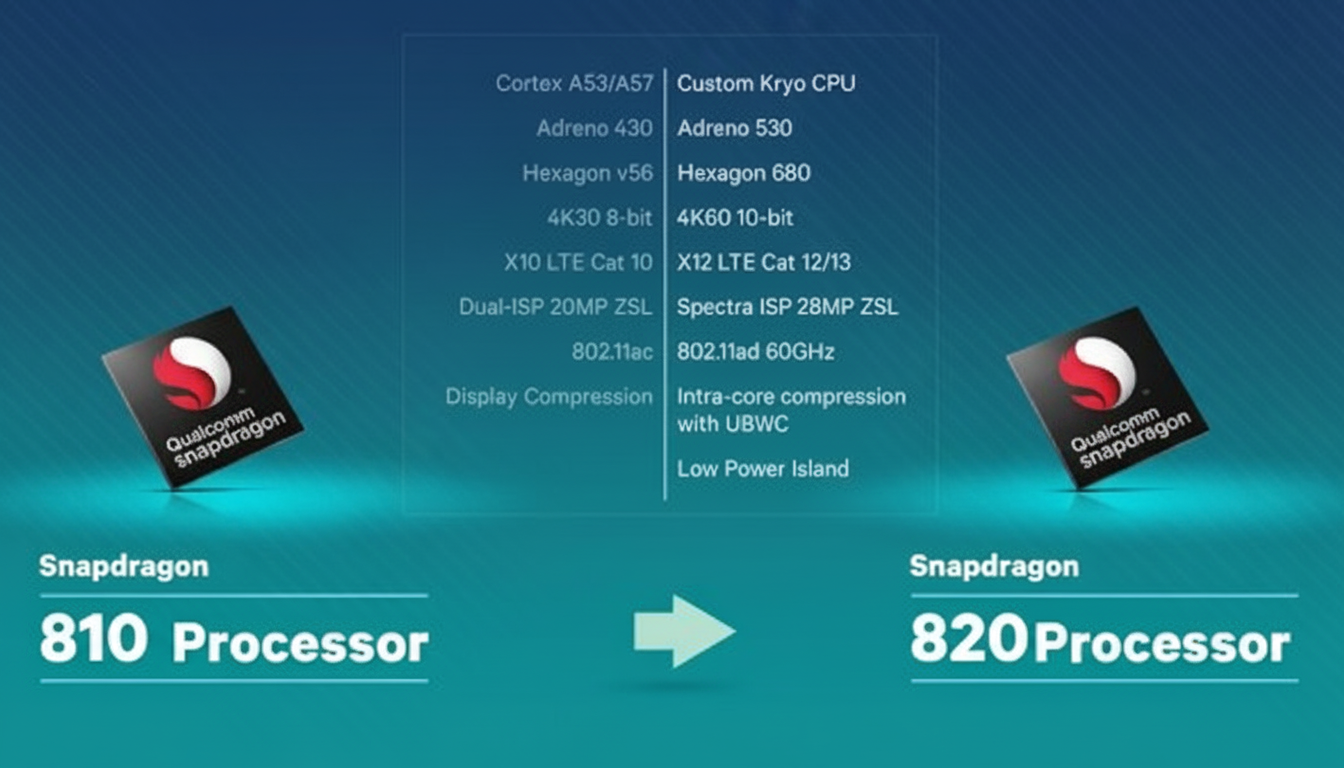
The device ships with 4 GB LPDDR4 RAM and 64 GB UFS 2.0 storage. Some observers noted the absence of a 6 GB RAM option, but 4 GB remains adequate for most users, and Samsung's app auto-start controls improve memory utilization.
In AnTuTu benchmarking the unit scored 141,105 points overall, with a 3D test result of 56,108, placing it among top-performing Android devices at the time. This performance level supports current large-scale mobile games and typical heavy workloads for an extended period.
Conclusion
The Galaxy Note7 brings several notable changes compared with its predecessor: a dual-edge 2K display, improved S Pen with higher pressure sensitivity, IP68 water resistance, iris recognition, and a camera system with Dual Pixel autofocus. These features address many of the priorities users expected for this generation. A comprehensive, full review with additional tests will follow.