Wearable health sensors are already on the market, and a biodegradable Proteus-type sensor that has passed FDA review also exists. Sensors are commonly used in medical electronics applications.
Ingestible Proteus-type Sensors
When a Proteus-type sensor is in the stomach, it can fully contact gastric fluid and, depending on the time of ingestion, transmit distinctive signals. These signals travel through body tissues to a battery-powered patch on the skin, enabling detection of various signals and physiological and behavioral metrics such as heart rate, posture, and activity. The sensor ultimately passes out of the body like high-fiber food, with a typical lifespan of seven days.
Pressure Sensors
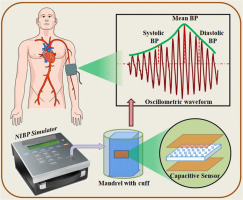
Pressure sensors are transducers that convert force or weight into electrical signals. In medical contexts they are referred to as medical pressure sensors and must be highly accurate and compact for portability, especially when devices connect directly to patients. If a sensor is integrated into a medical instrument, standard packaging materials such as stainless steel and anodized aluminum are used. If the device contacts the body or fluids directly, special stainless steel that tolerates high-pressure steam sterilization or disposable sensors may be used. The following content discusses medical applications of pressure sensors.
Early medical pressure sensors were used for bed load monitoring. Today, small pressure sensors are applied in areas prone to human error, such as infusion pumps for drug delivery. To precisely regulate flow rates and allow nurses to monitor continuously, pressure sensors measure the weight of infusion bags. When the fluid weight differs from a preset value, the sensor immediately sends an alert to the connected device and communicates with the controller.
Non-contact Temperature Sensors
Non-contact thermometers measure heat emitted as infrared radiation from a distant source. When optical fiber temperature sensors or a combined infrared fiber and infrared sensor are not available, non-contact surface line-of-sight measurements are useful. They can help determine the surface temperature of fast-moving objects, and measure temperature in narrow spaces and electromagnetic environments. AgClxBr1-x (silver halide) fibers are considered a good choice for low-temperature measurements. These fibers are flexible, water-insoluble, and non-toxic. For this reason, silver halide infrared optical fibers are used in infrared spectroscopy, radiation measurement, and thermal imaging for industrial and medical applications.
Biosensors
Biosensors detect biological substances and convert their concentrations into electrical signals. They consist of an immobilized biologically sensitive material as the recognition element—such as enzymes, antibodies, antigens, microorganisms, cells, tissues, or nucleic acids—combined with an appropriate physicochemical transducer (for example, oxygen electrodes, photodetectors, field-effect transistors, piezoelectric crystals) and signal amplification devices.
In clinical medicine, enzyme electrodes were among the first and most widely used sensors. Microbial sensors, made by substituting microorganisms with different biological properties for enzymes, are also possible. Biosensors have been used to monitor various bacteria, viruses, and their toxins. A typical biosensor used in pharmaceutical analysis is the SPR biosensor, which employs surface plasmon resonance for real-time measurement of biomolecular binding.
Implantable Sensors
Implantable sensors are small, lightweight, and biocompatible, and they must have very low power consumption. Importantly, they must not degrade over time.
Power requirements are a major challenge for implantable sensors. Sensors that operate without power would be ideal, but such devices are not yet commercially available. Piezoelectric polymer sensors are small, reliable, require no external power, and can function for long periods. These sensors can be used in implanted cardiac pacemakers to monitor patient activity and heart rate in real time. For example, if a large abdominal aneurysm requires resection and replacement with a synthetic graft, a sensor can be implanted during surgery to monitor pressure leakage at the surgical site.
Other Medical Uses of Sensors
Sensors are now widely used in various patient monitors. Monitors are used in clinical environments such as operating rooms, emergency departments, intensive care units, and increasingly in patient homes, to monitor and display major physiological parameters including electrocardiogram, pulse oximetry, blood pressure, respiration, and temperature. Monitors may be standalone instruments or multi-parameter devices.
An oxygen concentrator reduces the amount of nitrogen delivered to a patient while increasing the oxygen fraction. It is used by patients who cannot effectively absorb oxygen into the bloodstream, such as some pulmonary disease patients. Because the flow sensors used in oxygen concentrators must measure ultra-low flow rates, for example detecting 0.1 cubic centimeters, a flow sensor can indicate when a patient begins exhalation so that airflow can be reduced, making exhalation easier and more comfortable for the patient.
Low-pressure and ultra-low-pressure silicon-sealed pressure sensors can detect the start of patient inhalation to deliver oxygen effectively and efficiently. This shortens system response time and avoids wasting oxygen when the patient is not inhaling. As a result, smaller oxygen concentrators with lower power consumption can achieve higher operational efficiency. A compact media-isolated stainless steel pressure sensor can also monitor the pressure of a buffer tank and provide feedback to the compressor to maintain appropriate pressure.