Volatility of DRAM
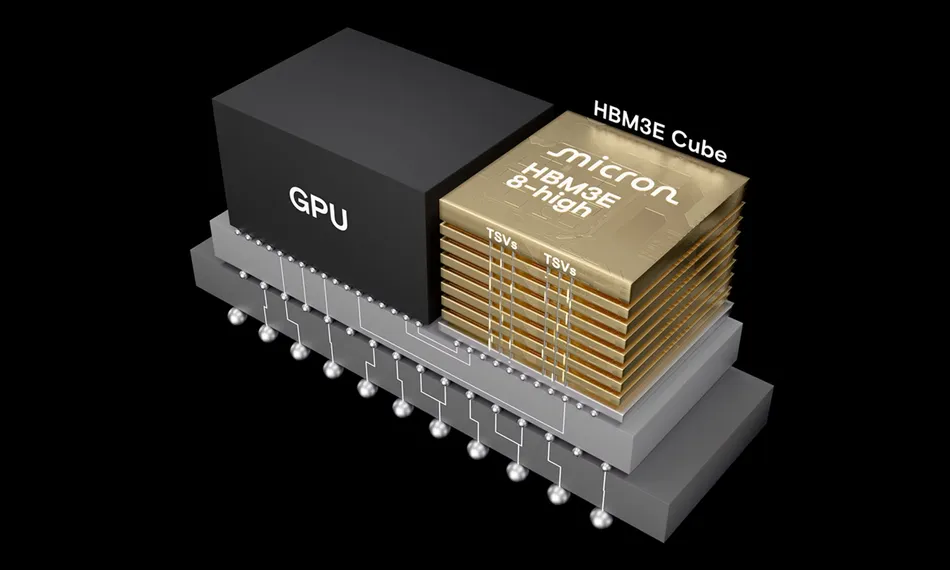
DRAM (Dynamic Random Access Memory) is a volatile memory, which means data stored in it is lost when power is removed. DRAM stores data in capacitors, and maintaining valid data requires continuously charging those capacitors. Once power is removed, the capacitors quickly lose charge, causing the stored data to be lost.
Data Persistence and Non-volatile Storage
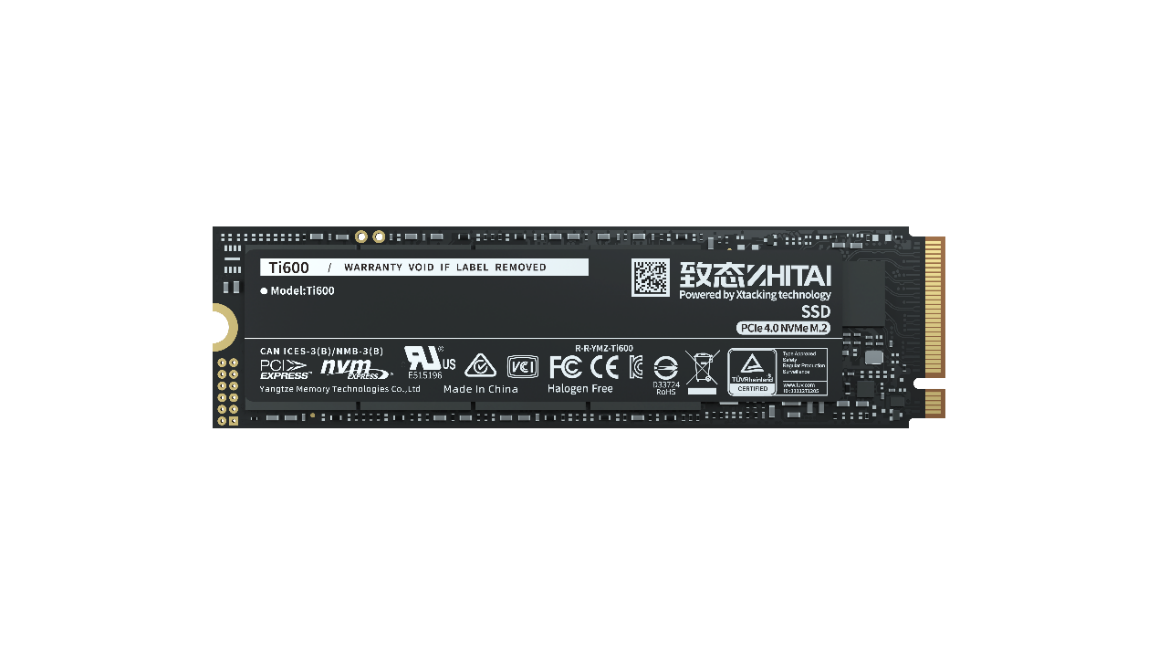
To retain data long term, data must be transferred from DRAM to non-volatile storage such as a hard disk drive or a solid-state drive (SSD). By storing data in non-volatile media, the information remains available after power loss. Therefore, if persistent storage is required, copy data from DRAM to non-volatile storage.
DRAM vs SRAM Access Speed
DRAM access is slower than SRAM. Although DRAM offers larger capacity and lower cost, its access speed is reduced because DRAM uses capacitors that require periodic refresh to preserve data, which introduces additional access latency.
SRAM (Static Random Access Memory) is faster. SRAM stores data in flip-flops, does not require refresh operations, and provides quicker access. Because SRAM cell design is more complex and costly, it is commonly used where low-latency access is needed, such as cache memory.
SRAM Integration Density Compared to DRAM
Integration density refers to how many storage cells or circuit elements can be integrated on a chip. The article states that SRAM integration density is generally higher than DRAM. It explains this by noting that DRAM cells require a bitline and a capacitor, while SRAM cells require multiple transistors and flip-flops, and therefore SRAM can implement more storage cells per given chip area. The article concludes that, with the same chip size, SRAM can provide larger storage capacity. Conversely, it also notes that because DRAM cell structure is relatively simple, each DRAM cell occupies less area, so DRAM provides smaller storage capacity on the same chip area.