Research on environmental gas monitoring has a history of more than a century. At the same time, the field of self-powered gas sensors has been developing rapidly. Self-powered gas sensors convert ambient energy into electrical power to operate autonomously. They have shown potential applications in human health monitoring, hazardous gas leak detection, prevention of drunk driving, food and pharmaceutical preservation, agricultural production, and industrial equipment condition monitoring. Despite these prospects, several key technical challenges must be addressed before wider commercial adoption.
Recent Review and Scope
Researchers from East China University of Science and Technology and the 16th Research Institute of China Electronics Technology Group Corporation recently published a review in Next Materials titled "Progress and perspectives of self-powered gas sensors." The review systematically describes energy harvesters used for self-powered gas sensors, classes of self-powered gas sensors, and related research advances, and it outlines future opportunities and challenges in the field.
Advantages and Core Components
Self-powered gas sensors offer several advantages, including energy independence, environmental benefits, cost savings, portability and flexibility, real-time monitoring and early warning capability, improved data accuracy and reliability, and suitability for emergency response and crisis management.
In a self-powered gas sensing system, the energy module and the gas sensing module are the core components. The energy module must provide sufficient and continuous power for sensor operation, while the gas sensing module must deliver high sensitivity and selectivity to target gases to satisfy various environmental monitoring requirements.
Energy Harvesters
The most commonly used energy harvesters for self-powered gas sensors include triboelectric nanogenerators (TENG), piezoelectric nanogenerators (PENG), thermoelectric generators (TEG), and solar cells. In addition, biofuel cells, semiconductor heterostructures exploiting photoelectric properties, lithium-ion batteries, and various hybrid architectures are also frequently applied in self-powered gas sensors.
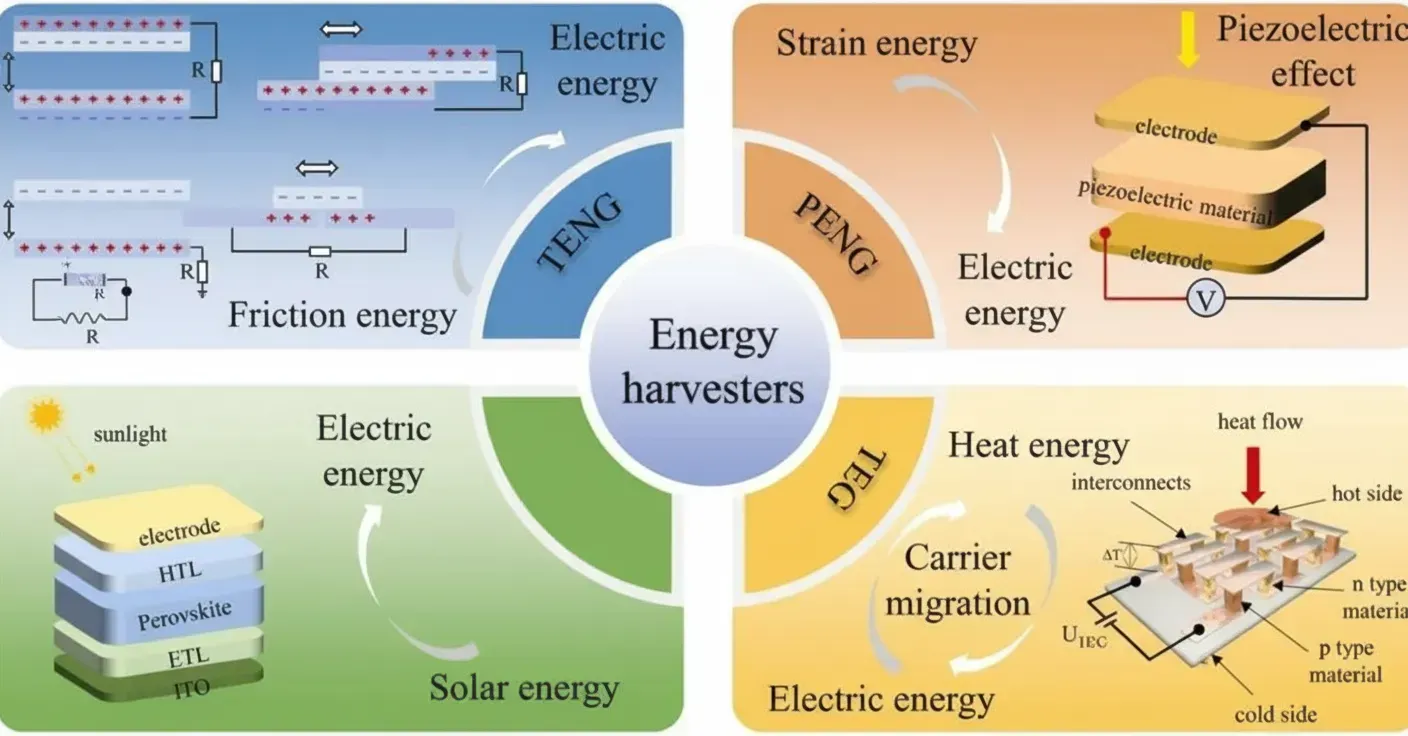
Figure 1. Four common energy harvesters for self-powered gas sensors.
Types of Self-Powered Gas Sensors
By supplying the captured electrical energy from the harvester to the gas sensing element, a sensor can operate continuously and independently. This approach enables real-time monitoring of toxic and explosive gases. Currently, self-powered gas sensors are mainly categorized into two types. Integrated sensor systems use a shared drive and sensing module; they are structurally simple and suitable for miniaturized integration but often require stricter operating conditions. Separated systems decouple the drive and sensing modules and typically include an energy storage module to enable continuous, self-driven sensor operation.
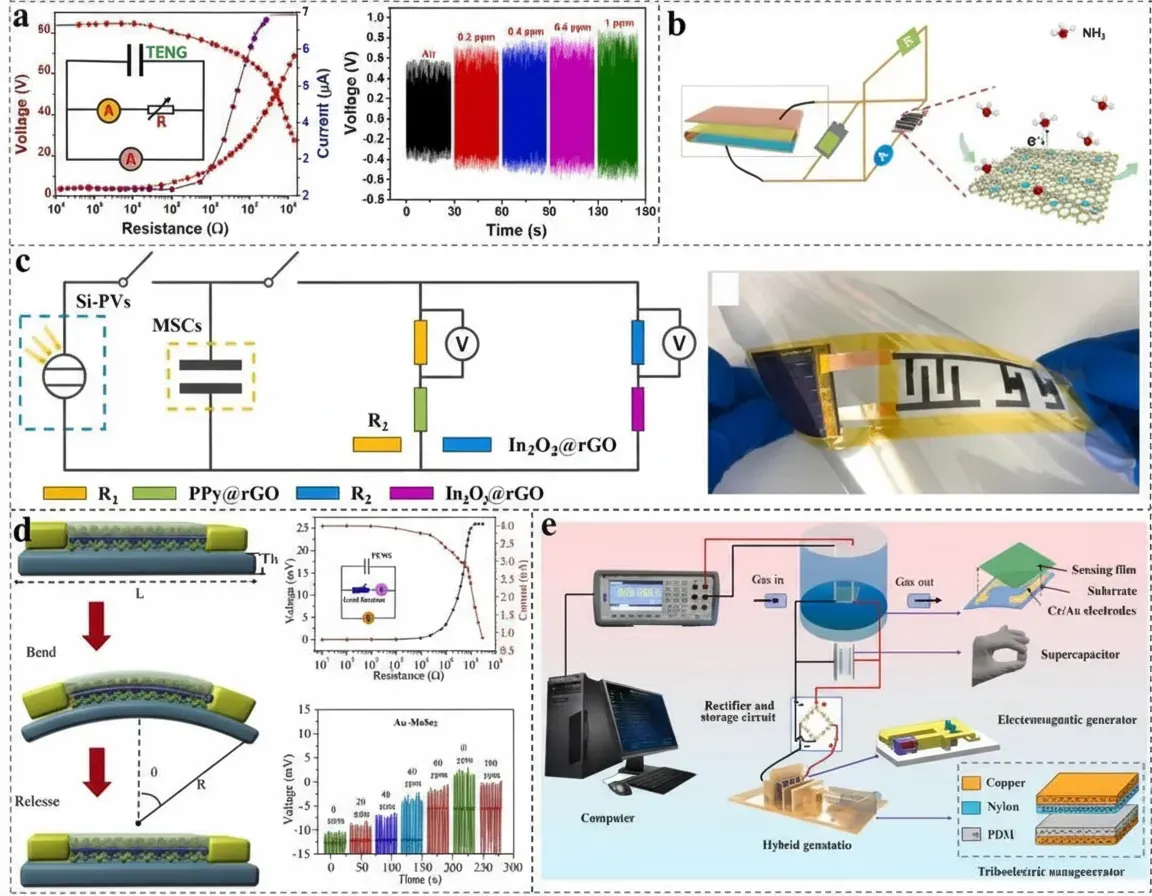
Figure 2. Self-powered NH4 gas sensors driven by different energy sources.
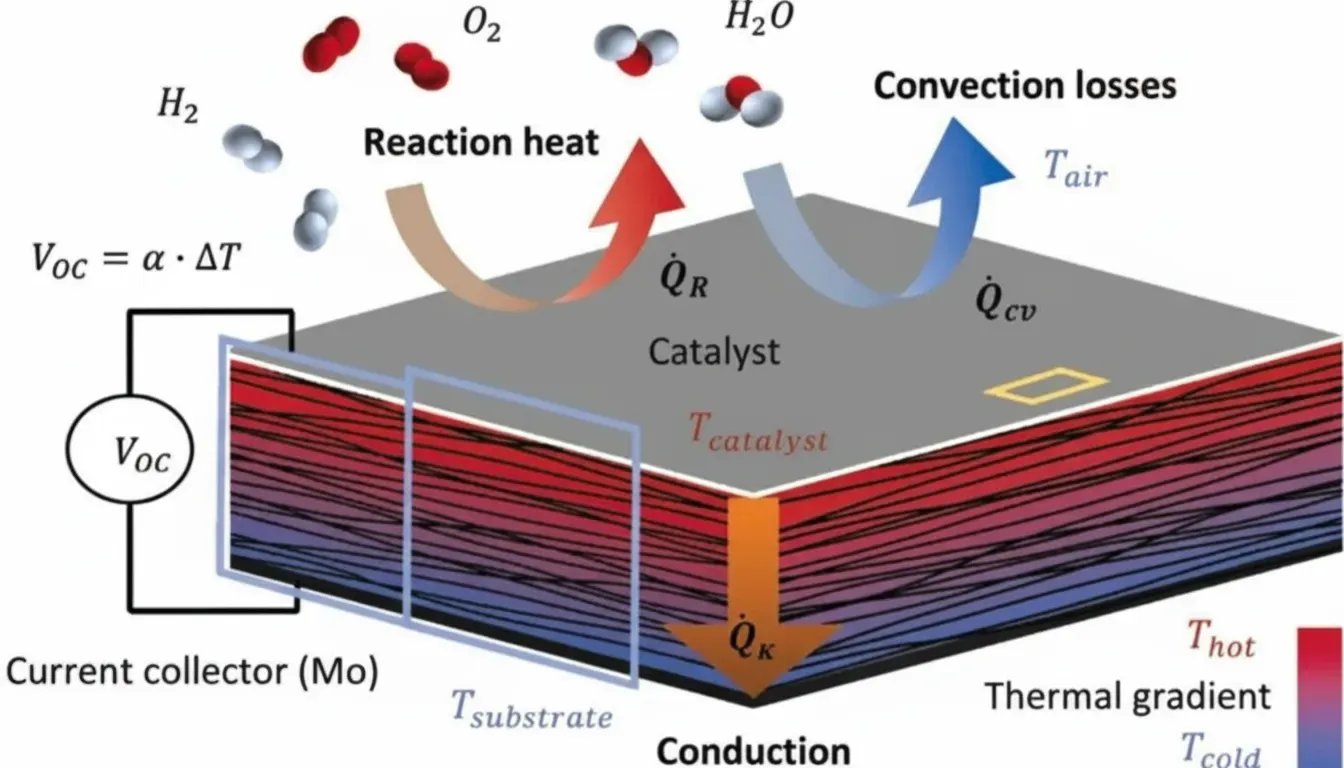
Figure 3. A TEG-driven self-powered H2 gas sensor.
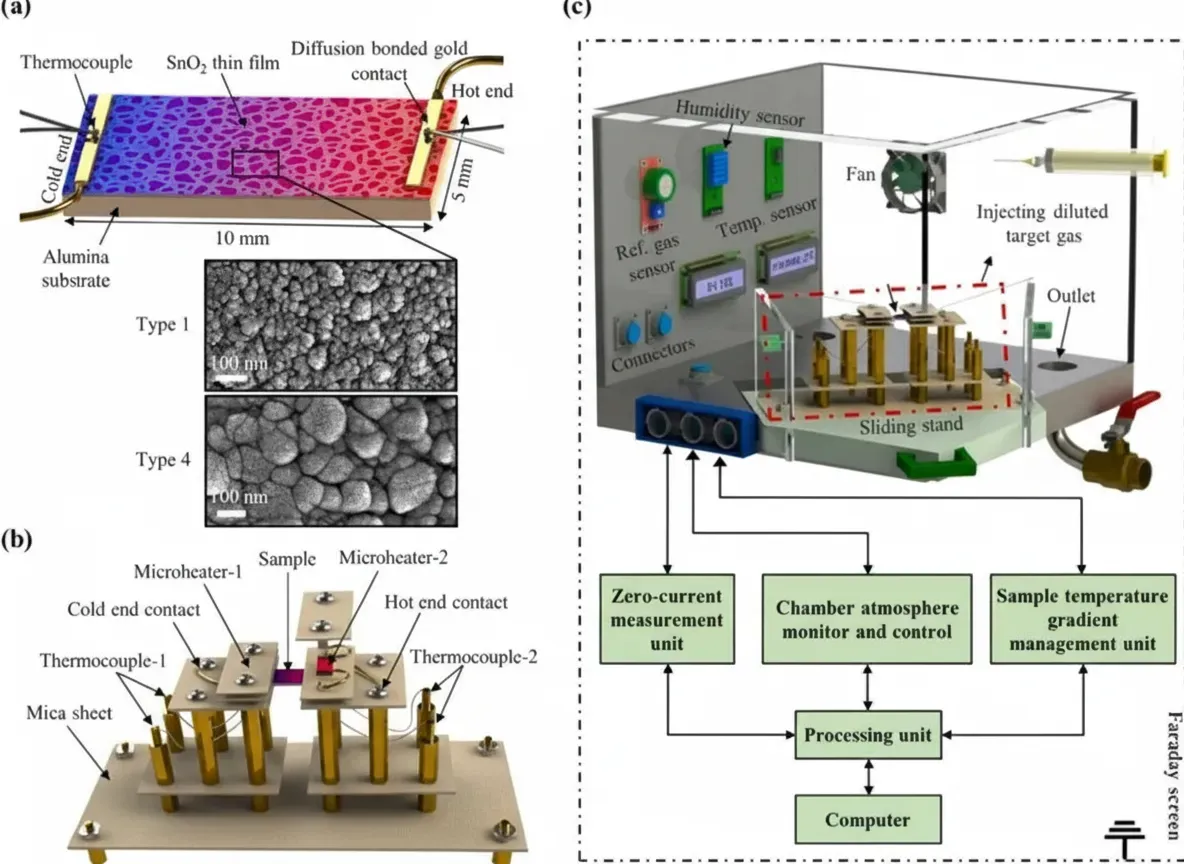
Figure 4. A thermoelectrically driven self-powered H2S gas sensor.
Research Outlook
Current research on self-powered gas sensors focuses on increasing the energy density of energy harvesters and optimizing sensor sensitivity, response speed, and selectivity. Exploring diverse energy sources is also critical. These factors are essential to advance commercialization of self-powered gas sensors. However, practical challenges remain for deployments across different application domains. Key challenges include energy harvesting efficiency, energy stability, sensor performance and accuracy, energy management and optimization, and environmental adaptability.
Research should prioritize these key issues. Addressing them will open new pathways for the development of self-powered gas sensors. Additionally, improvements in reliability, stability, cost-effectiveness, and miniaturization are required. With continued integration across materials science, physics, chemistry, energy science, automation, and information technology, further interdisciplinary research opportunities are expected to emerge.