How 5G Mobility Handovers Affect Applications
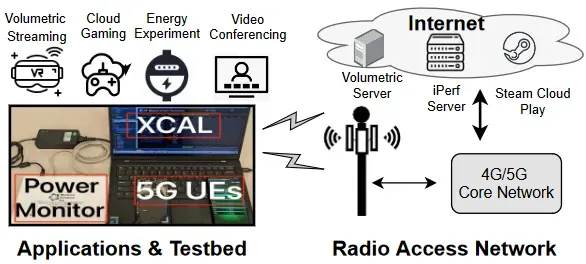
Overview of 5G research: measurements of mobility and handover effects, Prognos handover prediction, SA/NSA and bandwidth studies, SEED SIM diagnostics, and L25GC NFV core.
Mobile Communications represents a dynamic field within electronics and PCB design, encompassing the technologies that enable wireless connectivity in devices ranging from smartphones to IoT sensors. This category delves into the foundational principles and advanced innovations driving seamless data transmission, voice calls, and network integration. Whether you are an engineer optimizing circuit boards for high-frequency signals or a developer integrating modules into embedded systems, the content here addresses the core challenges and opportunities in this rapidly evolving domain. Our articles offer comprehensive guides on essential topics such as antenna design, RF module selection, and PCB layout strategies tailored for mobile applications. Tutorials provide step-by-step instructions for implementing protocols like Bluetooth, Wi-Fi, and cellular standards, while insights explore emerging trends including 5G deployment and edge computing. Best practices focus on ensuring signal integrity, power efficiency, and electromagnetic compatibility, helping you avoid common pitfalls in real-world projects. The practical value of Mobile Communications extends to diverse industries, from consumer electronics to automotive and healthcare. By understanding these concepts, professionals can enhance device performance, reduce interference, and comply with regulatory standards. Articles in this category equip readers with actionable knowledge to tackle design complexities, foster innovation, and adapt to technological shifts. As you navigate through the posts, you will gain a deeper appreciation for how mobile technologies underpin modern connectivity, empowering you to apply these principles in your own work.
Overview of 5G research: measurements of mobility and handover effects, Prognos handover prediction, SA/NSA and bandwidth studies, SEED SIM diagnostics, and L25GC NFV core.
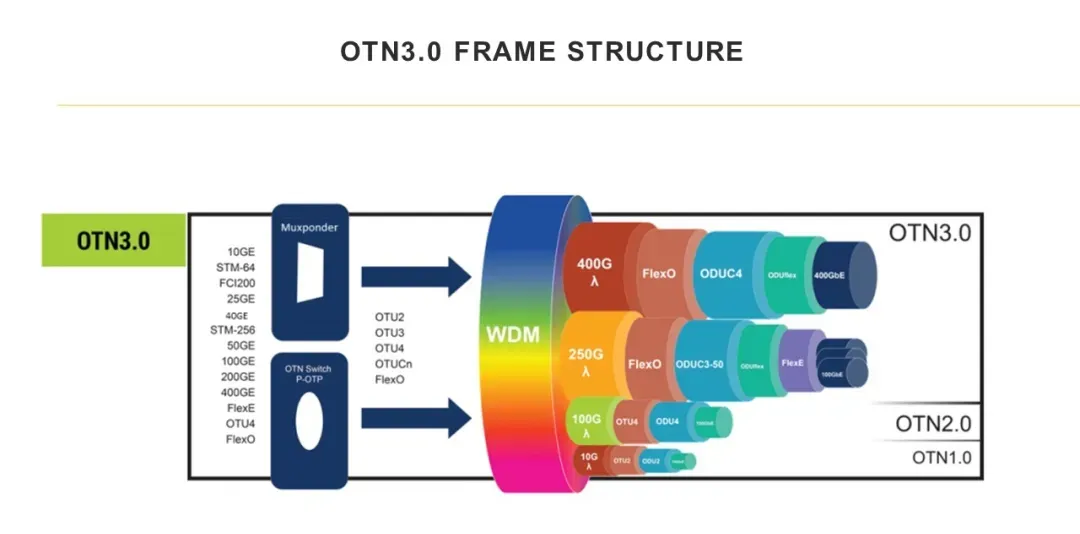
Technical overview of end-to-end 5G network slicing and transport options, comparing OTN and FlexE for hard vs. soft slicing and SLA-aware transport design.
Operational guide to increase 5G offload through acquisition, activation, retention and stimulation, aligning marketing and RAN teams with network optimization.
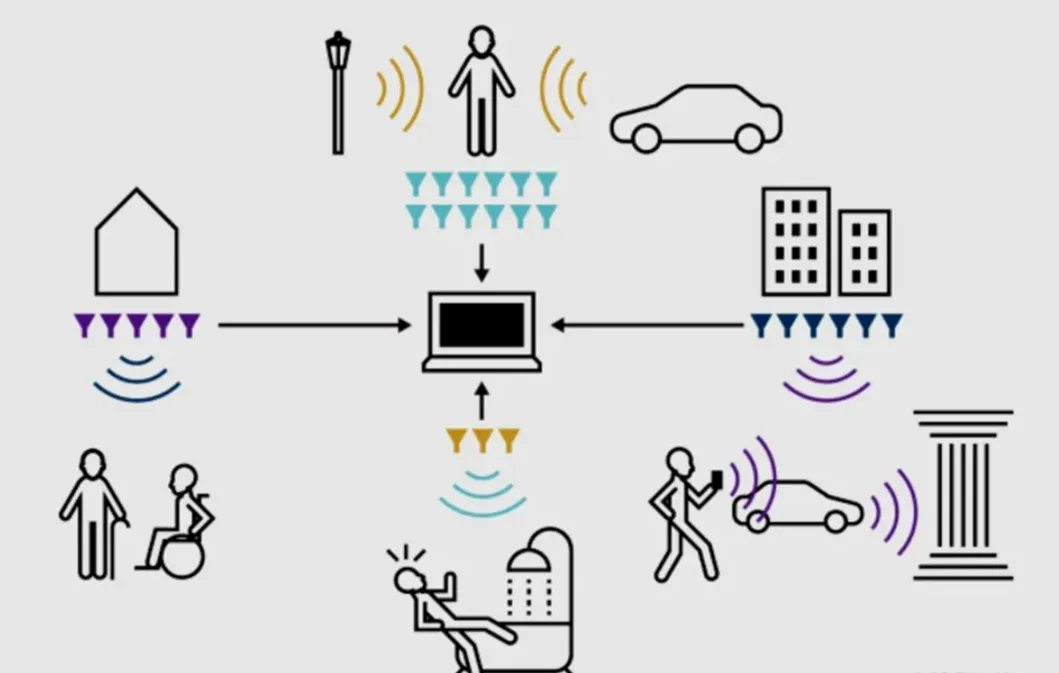
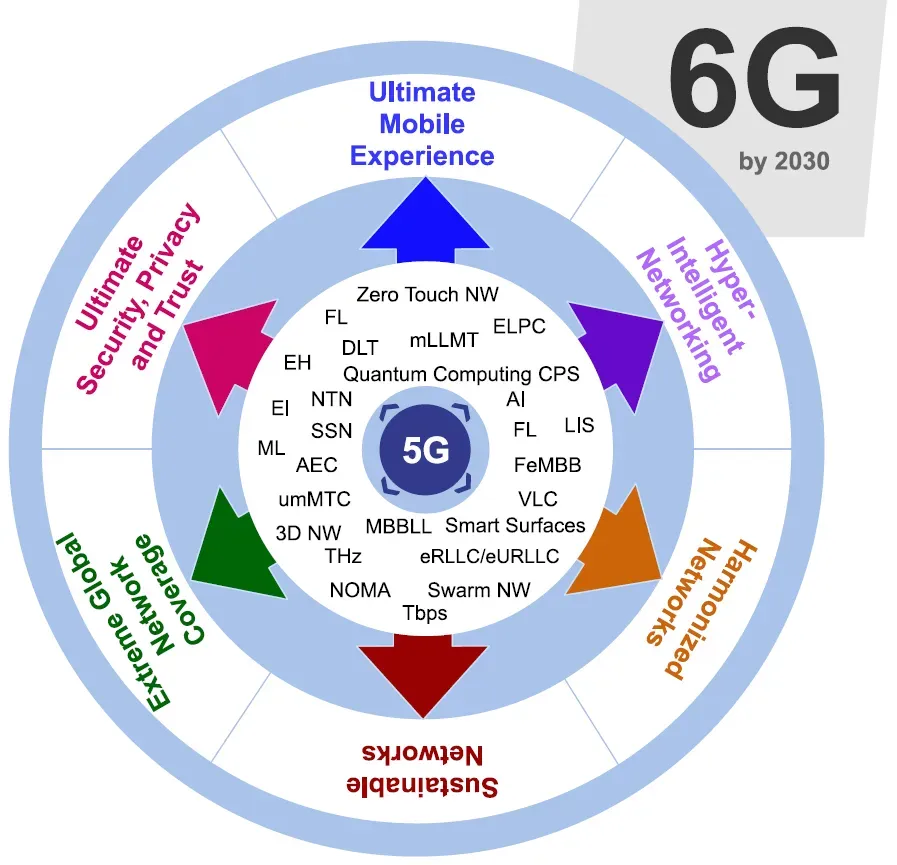
Technical overview of 6G development and NEW-6G, deployment timeline to 2030, and enabling technologies: THz bands, IRS, beamspace and AI for localization and sensing.
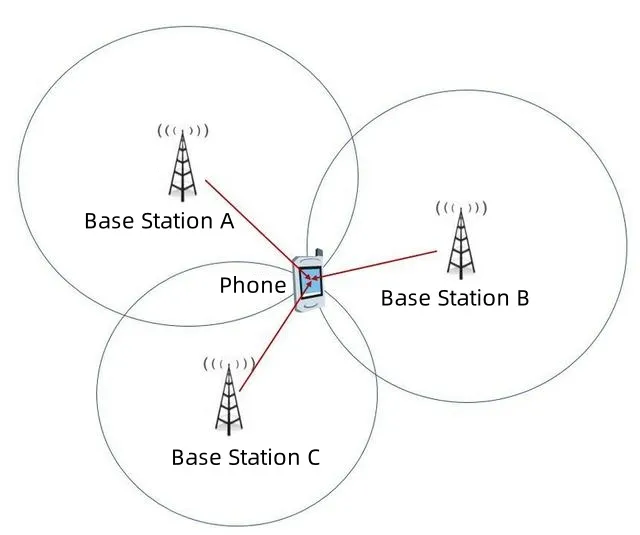
Explains cellular site architecture: base station, cell, sector, radio carrier (TRX), and channel element roles, configurations, and relationships for wireless networks.
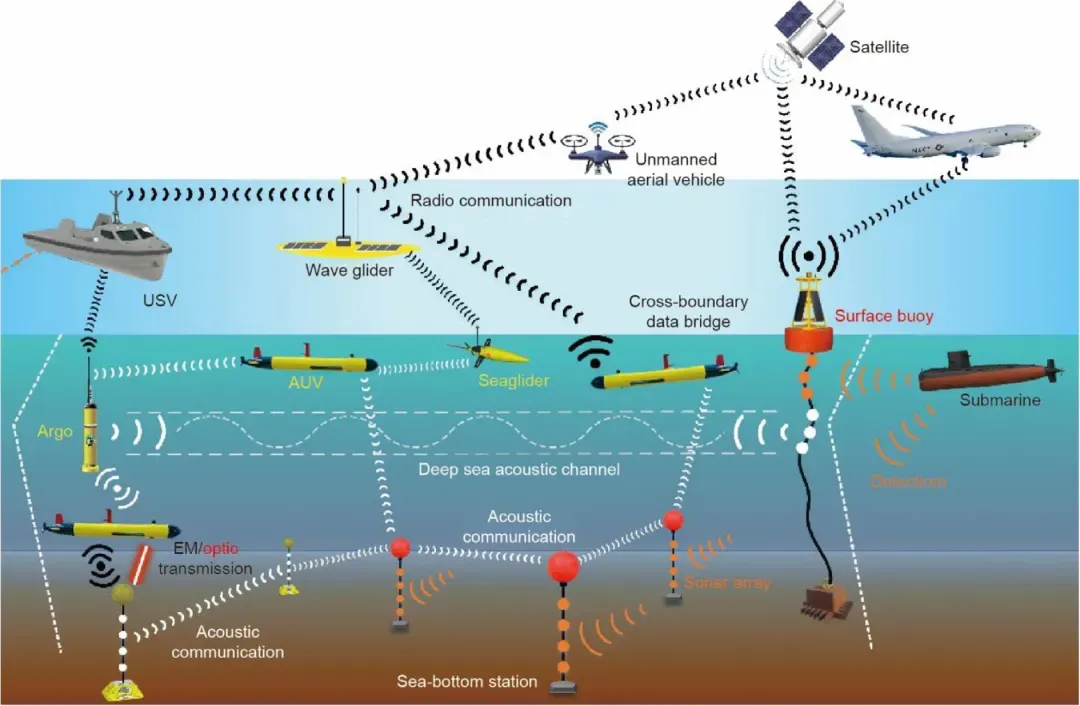
Review of sea-based networks proposing integrated air-surface-undersea architecture using underwater acoustic channels and cross-medium data bridges for future 6G
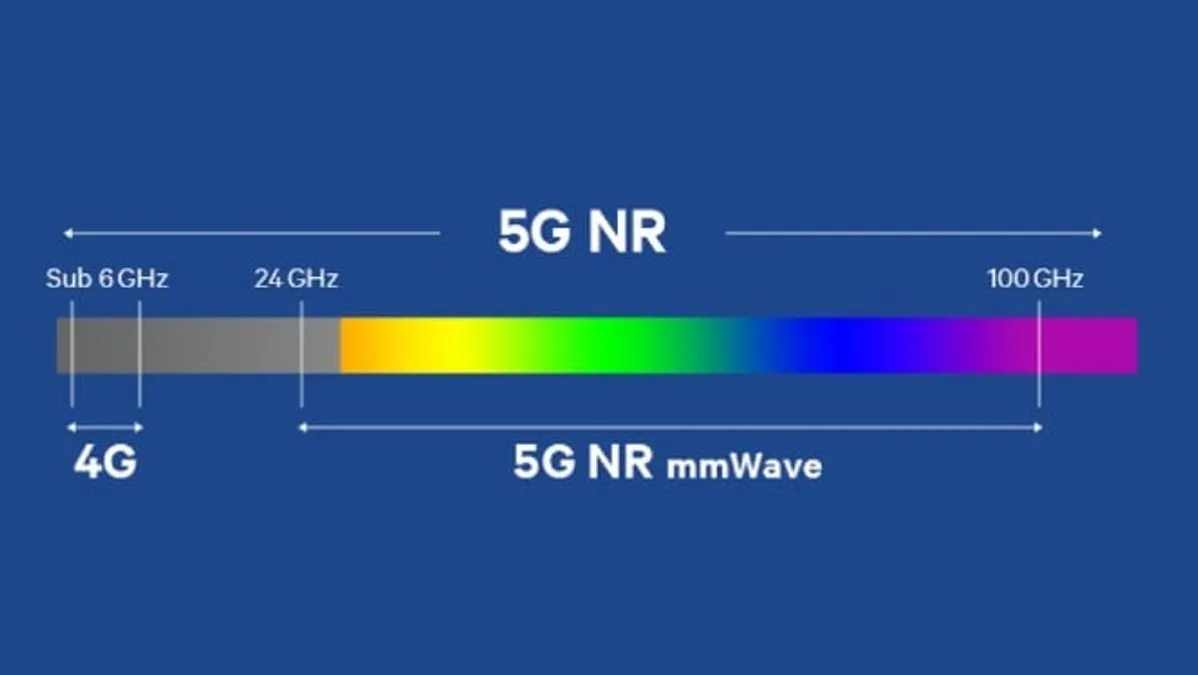
Overview of 5G mmWave (FR2) vs Sub-6GHz: spectrum ranges, propagation limits, throughput benefits, deployment trade-offs and typical use cases.
Comprehensive survey of 6G vision, requirements, applications, enabling technologies (THz communications), research projects and standardization challenges.
Review of 5G millimeter-wave standardization, spectrum allocations, industry chain status, necessity and application scenarios such as smart venue deployments.
QuSecure demonstrated end-to-end post-quantum cryptography over a Starlink satellite link, testing PQC-resistant satellite encryption for space-to-ground communications.
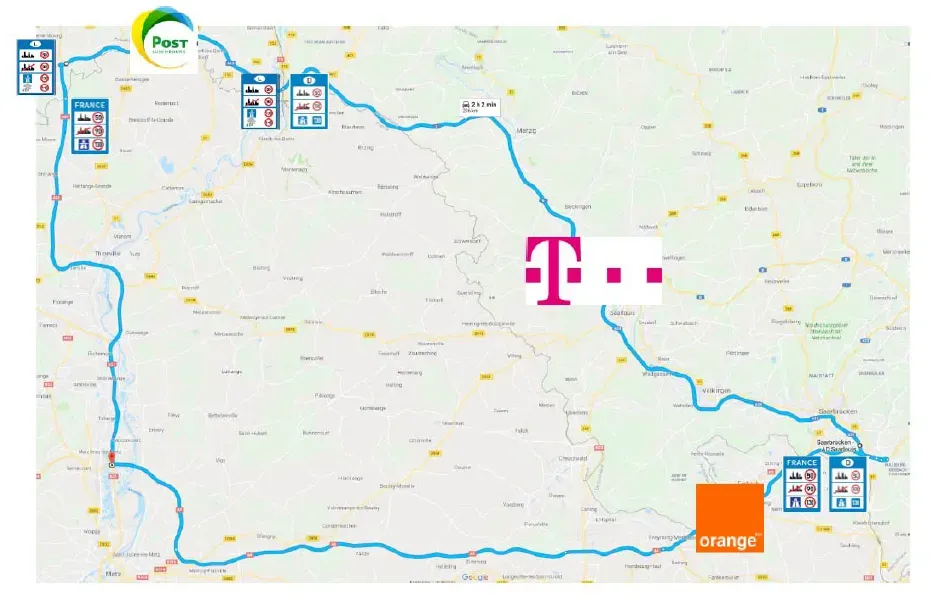
Overview of 5GCroCo validating 5G technologies for cross-border CCAM: teleoperated driving, HD map distribution, ACCA, MEC, predictive QoS, network slicing and KPIs.
Analysis of 5G small base stations, examining indoor coverage challenges, Open RAN designs, private network use cases, and compute-edge integration for industry deployments.