Overview of technologies used in cellular systems
Cellular communication systems use multiple technologies to implement wireless communication. Common technologies include:
- FDMA — Frequency Division Multiple Access: FDMA divides the radio spectrum into multiple non-overlapping frequency bands and assigns each band to a different user, so each user has exclusive use of a frequency band during transmission.
- TDMA — Time Division Multiple Access: TDMA divides time into multiple non-overlapping time slots and assigns each slot to a different user, so users transmit in different time intervals.
- CDMA — Code Division Multiple Access: CDMA uses different spreading codes for different users to achieve multiplexing. All users transmit over the same frequency band simultaneously, but different codes allow their signals to be separated at the receiver.
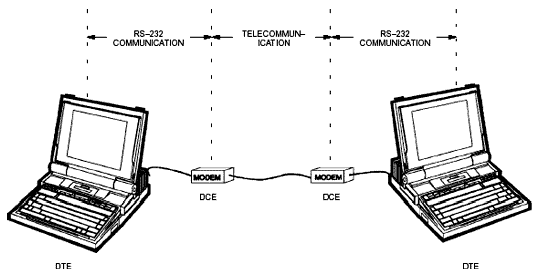
- Modems: Modems are key devices in cellular systems for modulation and demodulation of digital signals. The modulator converts digital signals to analog waveforms for transmission, and the demodulator converts received analog signals back into digital form.
- Multiple-antenna techniques: Techniques such as multiple-input multiple-output (MIMO) employ multiple antennas to improve signal quality, capacity, and coverage.
- Packet switching: Packet switching is used to transmit data by dividing it into small packets that travel through the network and are reassembled at the receiver.
The combined application of these technologies enables efficient wireless data transmission and supports a large number of simultaneous users. Different cellular standards, such as 2G, 3G, 4G, and 5G, adopt various technologies and protocols to meet specific performance and service requirements.
Basic characteristics of mobile cellular technology
Mobile cellular technology is a wireless communication approach that provides mobile service across geographic areas. The basic characteristics include:
- Cellular coverage: The service area is divided into cells, each served by a base station. Multiple adjacent cells together cover a wide geographic region.
- Increased capacity and coverage: Dividing the service area into small cells increases overall system capacity and coverage. Each base station has a relatively small coverage area, allowing frequency resources to be reused more densely and supporting more users.
- Frequency reuse: Frequency reuse separates users by assigning different frequency sets to different cells. This enables efficient use of the available spectrum while controlling interference between cells.
- Dynamic resource allocation: Mobile systems support dynamic management and allocation of resources, assigning frequency, bandwidth, and channel resources based on user demand and network conditions.
- Support for mobility: The technology is designed to support handheld devices and user mobility with seamless roaming. Users can move between cells while maintaining connections without interruption.
- Multiple access methods: Cellular systems use multiple access techniques such as FDMA, TDMA, and CDMA to enable parallel transmissions and multiplexing among users.
Basic principles of cellular communication
Cellular communication is based on the following core principles:
- Subdivision of the service area: The coverage area is partitioned into multiple cells, each served by a base station that provides radio coverage.
- Frequency reuse: The available spectrum is divided into frequency bands and assigned to cells so that frequencies can be reused in non-adjacent cells, reducing interference and increasing capacity.
- Dynamic resource allocation: Base stations allocate frequency, bandwidth, and channel resources dynamically according to user demand and current network status to optimize performance.
- Mobility management: Mobile devices can move freely between cells. Handover procedures allow devices to switch between base stations to maintain ongoing communications.
- Multiple access technologies: Cellular systems employ multiple access methods to support concurrent transmissions by multiple users, for example FDMA, TDMA, and CDMA.
- Data transfer and control signaling: Base stations and mobile devices exchange bidirectional radio signals for both user data and control signaling required to establish connections, adjust parameters, and manage mobility.
These principles allow cellular systems to support large numbers of concurrent users and provide efficient wireless communication. As cellular technology has evolved through successive generations such as 4G and 5G, network performance and capabilities have continued to improve.