Introduction
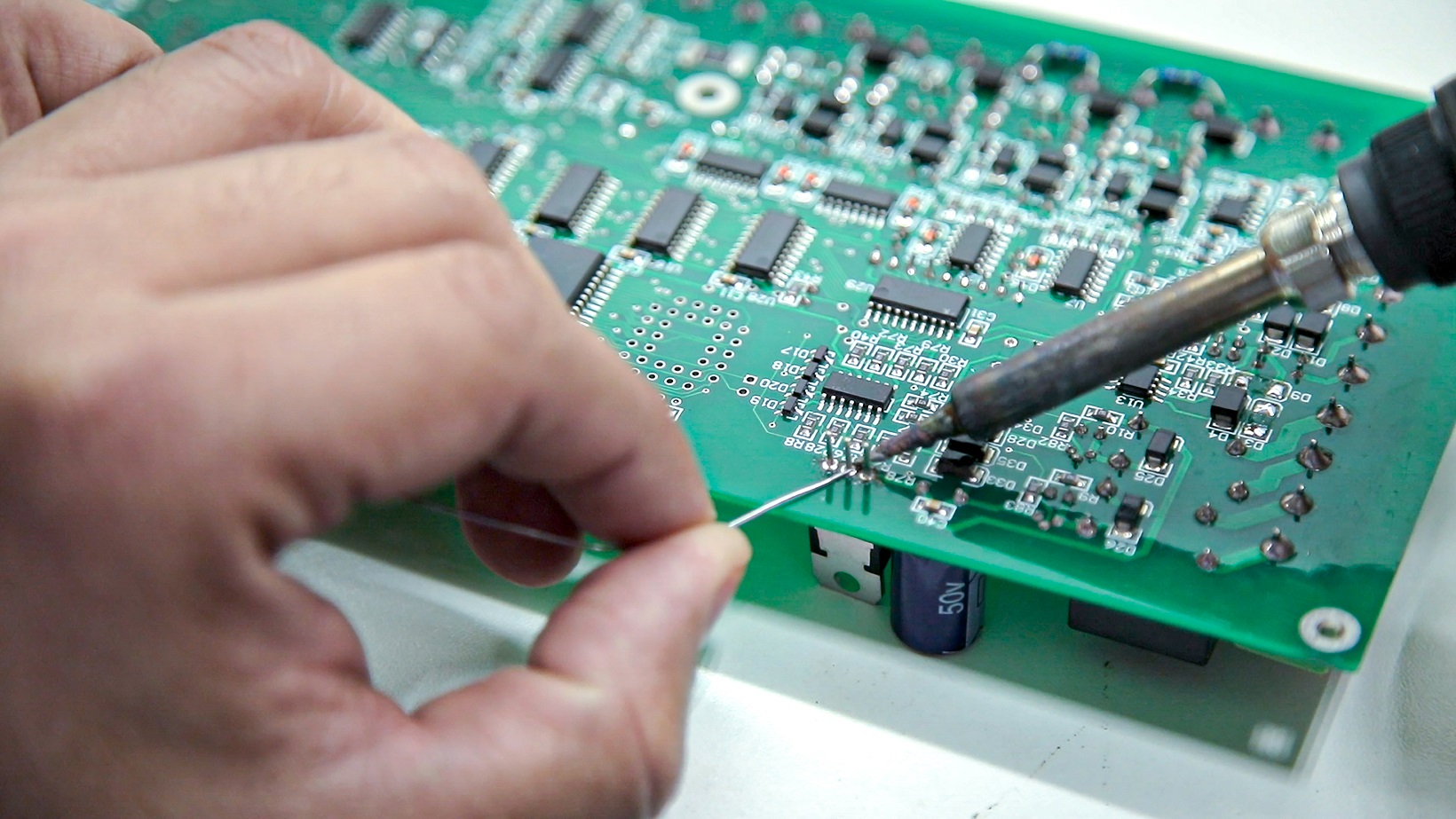
Surface Mount Technology (SMT) has become the backbone of modern electronics manufacturing due to its efficiency in assembling compact and complex printed circuit boards (PCBs). However, even with advanced automation, SMT assembly processes can encounter defects that compromise product reliability. Among the most frequent issues are Empty Solder or Missing Solder, Cold Solder, and poor Wetting. These defects can lead to electrical failures, reduced lifespan, or complete malfunction of electronic devices. For electrical engineers, understanding these problems is critical to designing robust assemblies and ensuring high yield rates. This article explores the causes behind these common SMT PCB assembly defects and offers practical solutions to mitigate them. By addressing these challenges, engineers can enhance quality and performance in high-stakes applications.
What Is SMT Assembly and Why Defects Matter
SMT assembly involves mounting electronic components directly onto the surface of a PCB using automated equipment. This method allows for smaller components, higher-density layouts, and faster production compared to traditional through-hole technology. However, the precision required in SMT makes it susceptible to defects that can disrupt functionality. Issues like Empty Solder or Missing Solder, Cold Solder, and inadequate Wetting often arise from process variations or design oversights. These defects matter because they can cause intermittent connections, signal loss, or complete circuit failure. For electrical engineers, identifying and resolving these problems is essential to meet stringent industry standards and maintain reliability in critical systems such as medical devices, automotive electronics, and telecommunications equipment.
Causes of Common SMT PCB Assembly Defects
Empty Solder or Missing Solder
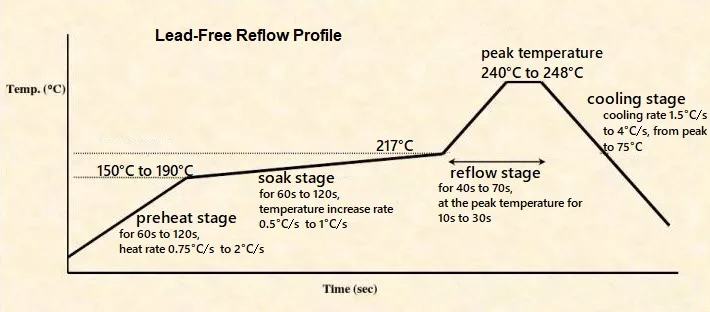
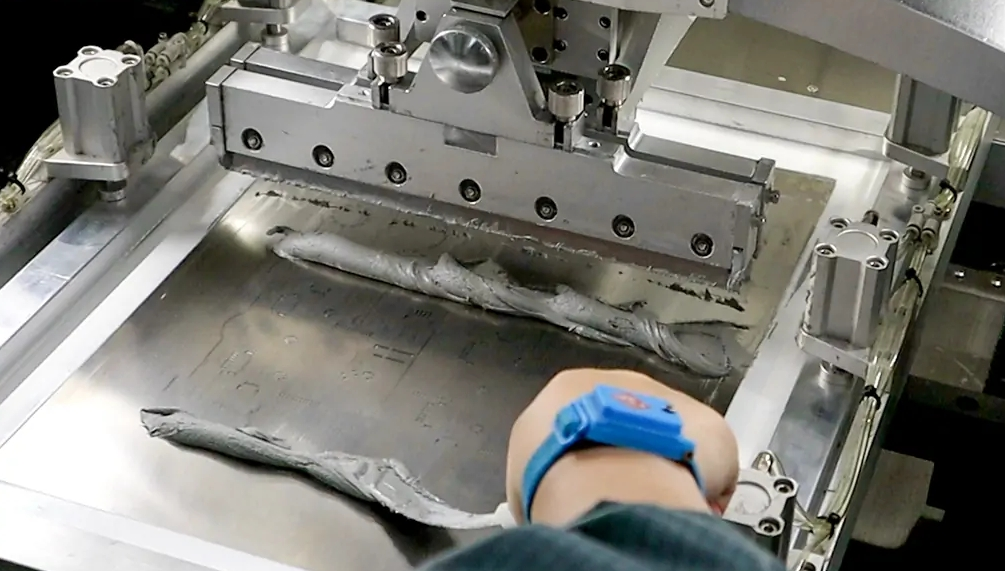
Empty Solder or Missing Solder occurs when there is no solder material present between the component lead and the PCB pad. This defect results in an open circuit, preventing electrical connectivity. Several factors contribute to this issue. Insufficient solder paste deposition during stencil printing often stems from clogged stencil apertures or uneven pressure. Misalignment of components during placement can also prevent proper contact with solder paste. Additionally, improper reflow profiles may cause the solder to fail to melt and bond correctly. Contamination on pads, such as oxidation or residue, further hinders solder adhesion. According to industry guidelines like IPC-A-610H, Acceptability of Electronic Assemblies, this defect is a critical failure requiring immediate correction to ensure functionality.
Cold Solder
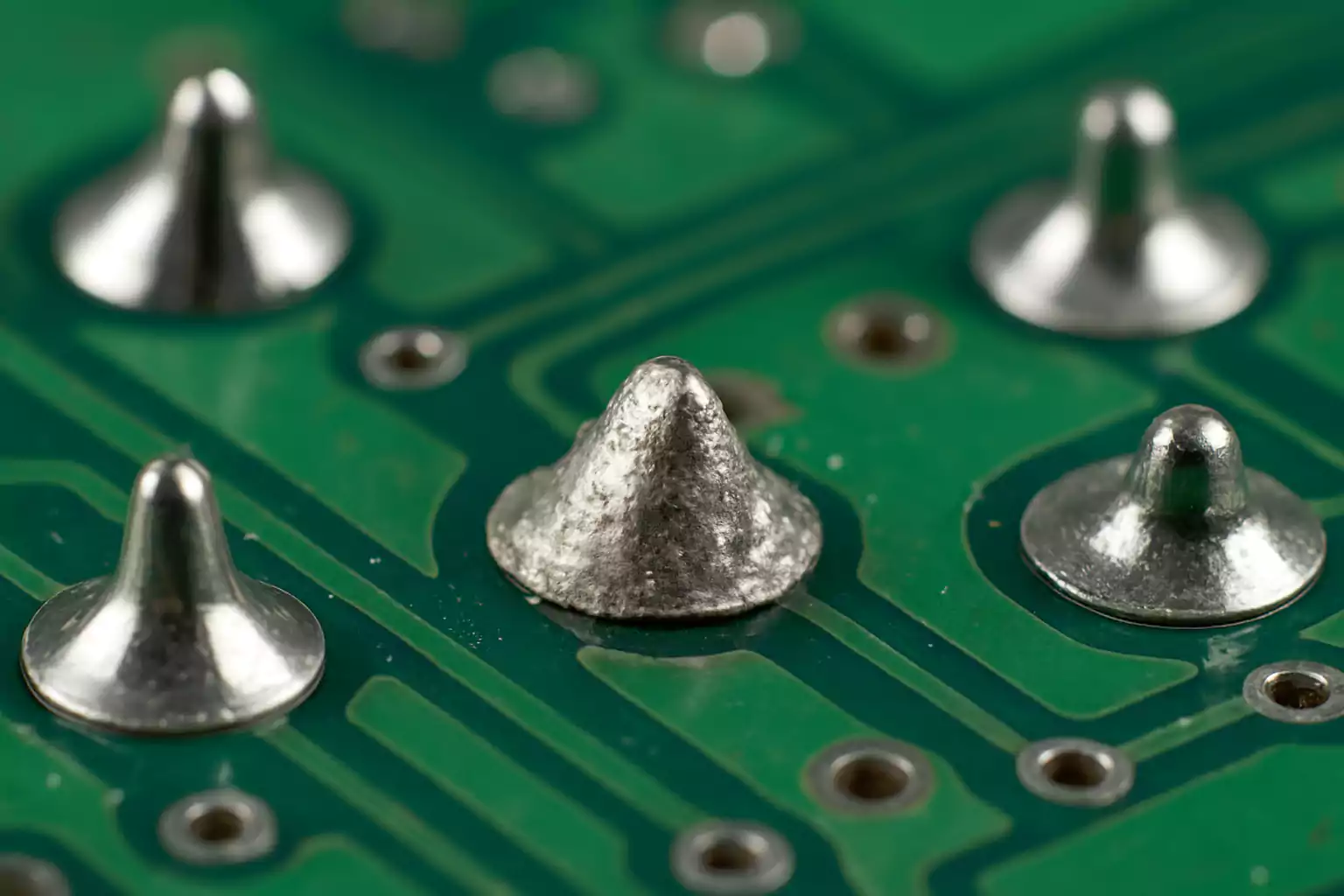
Cold Solder refers to a joint where the solder has not fully melted or bonded with the component lead and pad. This results in a weak mechanical and electrical connection, often appearing dull or grainy. The primary cause is inadequate heat during the reflow process, which prevents the solder from reaching its liquidus temperature. Vibrations or movement during soldering can also disrupt proper bonding. Another factor is the use of mismatched solder alloys with incompatible melting points. As per IPC J-STD-001H, Requirements for Soldered Electrical and Electronic Assemblies, Cold Solder joints fail to meet reliability criteria and can lead to intermittent failures under thermal or mechanical stress.
Related Reading: Troubleshooting Cold Solder Joints: Hot Air Rework to the Rescue!
Poor Wetting
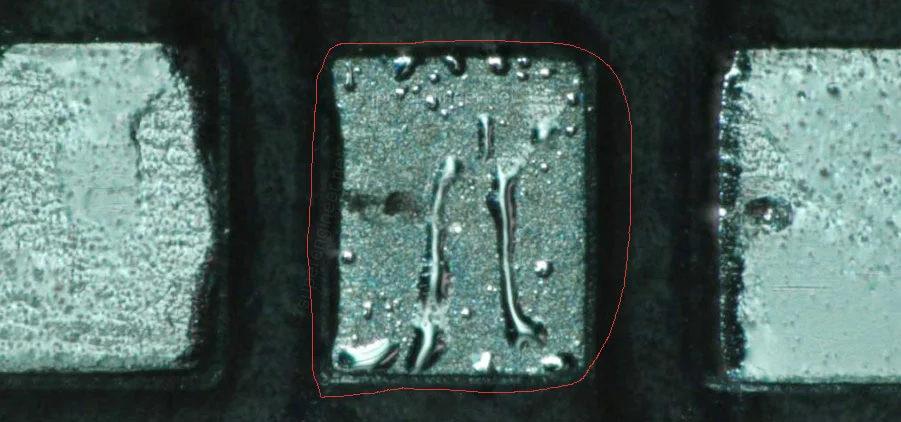
Wetting describes the ability of molten solder to spread and adhere to the surfaces of the component lead and PCB pad. Poor Wetting manifests as incomplete coverage, leaving exposed areas on the pad or lead. This defect often arises from contamination, such as oxide layers or organic residues on surfaces, which repel solder. Inadequate flux activity fails to clean these surfaces during reflow. Additionally, incorrect pad design or excessive thermal mass can lead to uneven heating, hindering solder flow. Industry standards, such as IPC-A-600K, Acceptability of Printed Boards, emphasize that poor Wetting compromises joint strength and electrical performance, making it a significant concern in high-reliability applications.
Related Reading: Common Soldering Defects and Their Impact on PCB Reliability
Practical Solutions to Prevent Defects in Electronics Assembly
Addressing Empty Solder or Missing Solder
Preventing Empty Solder or Missing Solder starts with optimizing the stencil printing process. Regular inspection and cleaning of stencils ensure consistent solder paste deposition. Using precision placement equipment minimizes component misalignment. Engineers should also develop reflow profiles tailored to the specific solder paste and board design, adhering to guidelines in IPC J-STD-020E, Moisture/Reflow Sensitivity Classification. Pre-baking components and boards can remove moisture that interferes with soldering. Finally, implementing automated optical inspection systems post-reflow helps detect missing solder early in the production cycle, allowing for timely rework.
Mitigating Cold Solder Issues
To avoid Cold Solder, engineers must ensure the reflow oven reaches the correct temperature for the solder alloy in use. Monitoring thermal profiles with thermocouples ensures uniform heating across the board. Reducing vibrations during soldering by stabilizing equipment is equally important. Selecting solder pastes and components with compatible thermal characteristics prevents mismatches. Post-assembly inspection, aligned with IPC J-STD-001H, can identify cold joints through visual or X-ray analysis. If detected, reflowing the joint with adequate heat often resolves the issue without damaging surrounding areas.
Improving Wetting in SMT Assembly
Enhancing Wetting begins with maintaining clean surfaces on both components and PCB pads. Using effective flux in solder paste helps remove oxides and contaminants during reflow. Proper storage of boards and components prevents oxidation before assembly. Pad design should facilitate even heat distribution, avoiding large thermal masses that cause uneven soldering. Adjusting reflow profiles to match the specific materials, as recommended by IPC-A-610H, ensures optimal solder flow. Regular testing for surface cleanliness using methods outlined in industry standards can preempt Wetting issues before they occur.
Related Reading: Prevent SMT Soldering Defects: Tips
Troubleshooting Insights for Electrical Engineers
For electrical engineers, troubleshooting SMT assembly defects requires a systematic approach. Start by analyzing the process data, such as stencil printing parameters and reflow profiles, to pinpoint deviations. Visual inspection under magnification often reveals Empty Solder or Missing Solder and Cold Solder defects. For Wetting issues, cross-sectional analysis or dye penetrant testing can confirm incomplete bonding. Implementing statistical process control helps track defect trends over time, identifying root causes like equipment drift or material inconsistencies. Collaboration between design and assembly teams ensures that pad layouts and component selections minimize risks. Regular training on standards like IPC-A-610H keeps the team updated on acceptable criteria and rework techniques.
Conclusion
SMT PCB assembly defects like Empty Solder or Missing Solder, Cold Solder, and poor Wetting pose significant challenges to achieving reliable electronic products. Understanding the root causes, from inadequate heating to surface contamination, allows electrical engineers to implement targeted solutions. By optimizing processes such as stencil printing, reflow profiling, and surface preparation, these issues can be minimized. Adherence to established industry standards ensures consistent quality and performance. With proactive troubleshooting and continuous improvement, engineers can reduce defect rates, enhance product reliability, and meet the demanding requirements of modern electronics applications.
FAQs
Q1: What causes Empty Solder or Missing Solder in SMT assembly?
A1: Empty Solder or Missing Solder often results from insufficient solder paste deposition due to stencil issues or misalignment during component placement. Contamination on pads and incorrect reflow profiles also contribute. Regular stencil maintenance, precise placement equipment, and tailored thermal profiles can prevent this defect. Early detection through automated inspection ensures timely correction.
Q2: How can Cold Solder joints be identified and fixed?
A2: Cold Solder joints appear dull or grainy and indicate incomplete bonding due to insufficient heat. They can be identified through visual inspection or X-ray analysis. Fixing involves reheating the joint with a controlled reflow process. Ensuring proper thermal profiles and minimizing vibrations during soldering prevents recurrence of this issue.
Q3: Why does poor Wetting occur in SMT PCB assembly?
A3: Poor Wetting happens when solder fails to spread properly due to contamination like oxides on pads or leads. Inadequate flux activity and uneven heating also play a role. Cleaning surfaces, using effective flux, and optimizing reflow profiles improve Wetting. Proper storage of materials further reduces contamination risks.
Q4: How do industry standards help prevent SMT assembly defects?
A4: Industry standards such as IPC-A-610H provide clear guidelines on acceptable soldering quality and defect criteria. They outline best practices for processes like reflow and inspection. By following these, engineers ensure consistent results, minimize defects like Cold Solder, and maintain reliability in high-stakes electronic applications.
References
IPC-A-610H — Acceptability of Electronic Assemblies. IPC, 2021.
IPC J-STD-001H — Requirements for Soldered Electrical and Electronic Assemblies. IPC, 2021.
IPC-A-600K — Acceptability of Printed Boards. IPC, 2020.
IPC J-STD-020E — Moisture/Reflow Sensitivity Classification. JEDEC, 2014.