Introduction
Automotive electronics operate in some of the harshest environments, facing relentless vibration, temperature swings, and exposure to moisture or contaminants. Under-hood electronics, in particular, must endure these challenges to ensure vehicle reliability and safety. Conformal coating for automotive electronics provides a protective barrier for printed circuit boards (PCBs), safeguarding them against such extreme conditions. This coating enhances vibration resistance and temperature resistance, critical for maintaining functionality in automotive PCBs. As vehicles integrate more advanced systems like autonomous driving and electric powertrains, the demand for robust protection grows. This article explores how conformal coatings address these challenges, their technical principles, and best practices for application in automotive settings. Engineers and designers will find actionable insights to optimize durability and performance in their designs.
What Is Conformal Coating and Why It Matters in Automotive Electronics
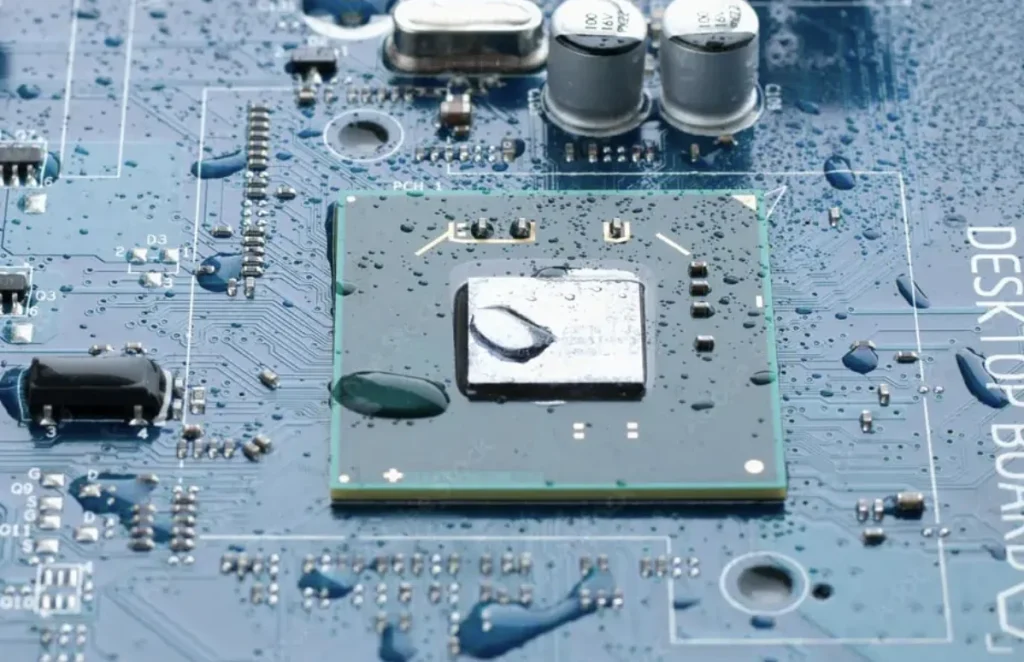
Conformal coating is a thin polymeric layer applied to PCBs to protect them from environmental stressors. In automotive electronics, it serves as a shield against moisture, dust, chemicals, and mechanical stress. This protection is vital for under-hood electronics, where components face temperature extremes ranging from cold starts in freezing conditions to intense heat near engines. Vibration resistance is equally crucial, as constant road vibrations can lead to mechanical failure or solder joint fatigue without proper safeguards.
The significance of conformal coating in automotive PCBs cannot be overstated. Modern vehicles rely on electronics for engine control, safety systems, and infotainment. A single failure due to environmental damage can compromise vehicle operation or passenger safety. By enhancing durability, conformal coatings ensure consistent performance, extend component lifespan, and reduce warranty claims. For engineers, selecting the right coating is a key step in meeting stringent automotive reliability standards.
Technical Principles of Conformal Coating for Vibration and Temperature Resistance
Conformal coatings work by forming a protective barrier that adheres to the irregular surfaces of a PCB. This barrier mitigates the impact of environmental factors through several mechanisms. For vibration resistance, the coating acts as a damping layer, absorbing mechanical energy and reducing stress on solder joints and components. It minimizes the risk of cracks or disconnections caused by continuous shaking or impact, common in automotive applications.
For temperature resistance, conformal coatings are designed to withstand thermal expansion and contraction. Automotive PCBs under the hood often experience rapid temperature changes, which can cause materials to expand or shrink at different rates, leading to stress. Coatings with high thermal stability maintain integrity across a wide temperature range, preventing delamination or cracking. They also provide dielectric insulation, protecting circuits from shorting during thermal stress or humidity exposure.
Different types of coatings offer varying levels of protection. Acrylic coatings provide basic moisture resistance and are easy to apply, but they may lack robustness under extreme heat. Silicone coatings excel in temperature resistance, remaining flexible at both high and low extremes. Polyurethane coatings offer a balance of chemical and mechanical protection, ideal for vibration-heavy environments. Parylene, applied via vapor deposition, provides uniform coverage and exceptional barrier properties, though it requires specialized equipment. Engineers must evaluate these properties against application needs and environmental challenges.
Standards like IPC-CC-830C guide the qualification and performance of conformal coatings. This standard outlines testing for thermal shock, humidity resistance, and dielectric properties, ensuring coatings meet reliability benchmarks. Compliance with such standards is critical for automotive applications, where failure is not an option.
Challenges in Automotive Environments for Under-Hood Electronics
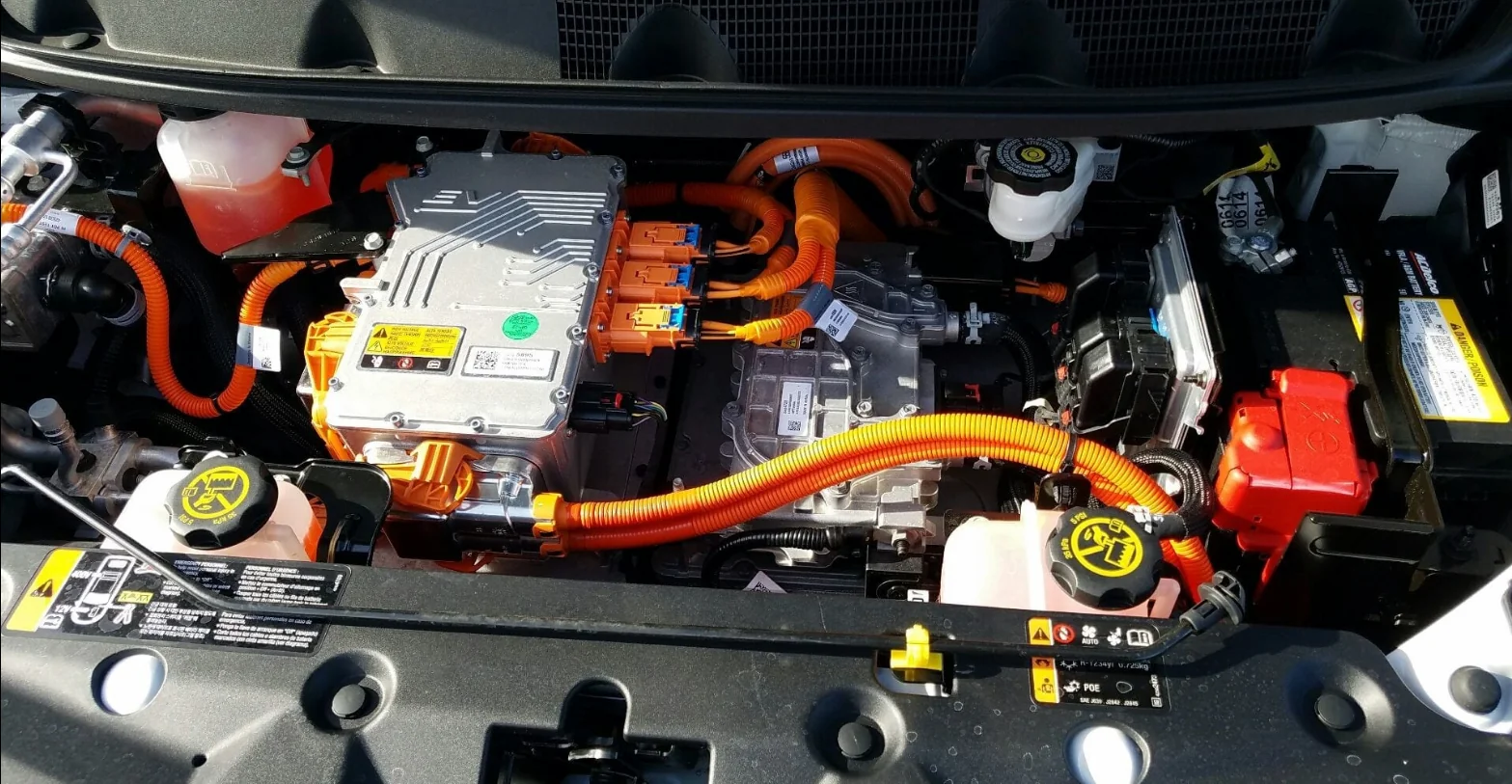
Under-hood electronics face unique challenges that test the limits of conformal coating performance. Temperature fluctuations are a primary concern, with components exposed to heat from engines and exhaust systems, often exceeding 125 degrees Celsius, alongside cold starts in sub-zero conditions. These extremes can degrade unprotected PCBs, causing material fatigue or loss of electrical performance.
Vibration is another persistent issue. Vehicles encounter constant motion from road conditions, engine operation, and mechanical systems. This can lead to micro-cracks in solder joints or component displacement if not addressed. Conformal coating for vibration resistance must absorb and distribute mechanical stress evenly to prevent such failures.
Moisture and chemical exposure add further complexity. Under-hood environments are prone to condensation, road salt, and oil leaks, all of which can corrode unprotected circuits. A robust conformal coating must resist penetration by these substances while maintaining adhesion to the PCB surface. Standards like ISO 26262, which focuses on functional safety in automotive systems, emphasize the importance of protecting electronics to ensure reliable operation under such conditions.
Practical Solutions for Applying Conformal Coating in Automotive PCBs
Selecting and applying conformal coating for automotive electronics requires careful consideration of material properties, application methods, and environmental demands. Engineers can follow these best practices to ensure optimal protection for automotive PCBs.
First, choose a coating material suited to the specific challenges. Silicone coatings are often preferred for under-hood electronics due to their flexibility and temperature resistance. They remain effective across a broad thermal range and provide good vibration damping. Polyurethane coatings are another option for environments with high mechanical stress, offering durability against abrasion and impact.
Application methods impact coating effectiveness. Brush coating is suitable for small-scale or repair work, providing manual control over thickness. Spray coating, often used in larger production runs, ensures even coverage but requires precise equipment settings to avoid overspray. Dip coating immerses the PCB for full coverage, ideal for complex geometries, though it may lead to excess material buildup. Vapor deposition, used for parylene, offers unparalleled uniformity but demands specialized facilities. Each method must be aligned with production capabilities and coating type.
Related Reading: Dip vs. Spray: Selecting the Best Conformal Coating Machine for Your Application
Thickness control is critical. Too thin a layer may fail to protect against vibration or temperature extremes, while excessive thickness can add unnecessary weight or stress during thermal expansion. Standards like IPC-A-610, which covers acceptability of electronic assemblies, provide guidelines on acceptable coating thickness and coverage for reliability.
Testing and validation are essential steps. Coated PCBs should undergo environmental testing for thermal cycling, humidity exposure, and vibration stress to confirm performance. IPC-CC-830C specifies test methods for evaluating coating durability under such conditions. Adhering to these standards ensures the coating withstands real-world automotive challenges.
Finally, consider reworkability. Automotive electronics may require repairs or updates during their lifecycle. Acrylic coatings, while less robust, are easier to remove for rework. Silicone and parylene coatings, though more durable, pose challenges for removal without damaging the PCB. Balancing protection with maintenance needs is a key design decision.
Insights on Optimizing Conformal Coating for Long-Term Reliability
Achieving long-term reliability in automotive electronics demands more than just applying a conformal coating. Engineers must integrate coating selection into the broader design and manufacturing process. Early collaboration between design and production teams can identify potential stress points on the PCB, allowing for targeted coating application to vulnerable areas like high-density component zones or solder joints.
Environmental simulation during the design phase offers valuable data. By replicating under-hood conditions, including vibration and temperature extremes, engineers can assess coating performance before mass production. This approach reduces the risk of field failures and aligns with safety requirements outlined in ISO 26262.
Regular inspection post-application ensures quality. Visual checks, combined with UV light inspection for certain coatings, can detect uneven coverage or defects like bubbles or cracks. IPC-A-610 provides criteria for acceptable coating appearance and adhesion, serving as a benchmark for quality control.
Related Reading: The Engineer's Guide to Conformal Coating Failure Analysis: Identifying Root Causes and Prevention
Material compatibility is another consideration. Some coatings may react with PCB substrates or components, leading to degradation over time. Testing for chemical compatibility and long-term stability under thermal stress prevents unexpected failures. Standards like IPC-CC-830C include protocols for assessing material interactions, guiding engineers in material selection.
Conclusion
Conformal coating for automotive electronics plays a vital role in ensuring reliability under the punishing conditions of vibration and temperature extremes. By providing a protective barrier, these coatings safeguard under-hood electronics and automotive PCBs from mechanical stress, thermal shocks, and environmental contaminants. Understanding the technical principles behind vibration resistance and temperature resistance allows engineers to select the most suitable materials and application methods. Adhering to industry standards like IPC-CC-830C and IPC-A-610 ensures consistent performance and durability. With careful design, testing, and quality control, conformal coatings enable automotive systems to meet the demands of modern vehicles, supporting safety and innovation in the industry.
FAQs
Q1: How does conformal coating improve vibration resistance in automotive PCBs?
A1: Conformal coating enhances vibration resistance by acting as a damping layer on automotive PCBs. It absorbs mechanical energy from road and engine vibrations, reducing stress on solder joints and components. This prevents cracks or failures in high-stress environments like under-hood electronics. Standards like IPC-CC-830C provide testing methods to validate a coating's effectiveness against such mechanical challenges.
Q2: What type of conformal coating offers the best temperature resistance for under-hood electronics?
A2: Silicone-based conformal coatings are often ideal for temperature resistance in under-hood electronics. They remain flexible and stable across extreme heat and cold, protecting automotive electronics from thermal expansion stress. Their performance can be validated using tests outlined in IPC-CC-830C, ensuring reliability in harsh automotive conditions.
Q3: Why is conformal coating critical for automotive electronics in harsh environments?
A3: Conformal coating is essential for automotive electronics as it shields PCBs from moisture, chemicals, and temperature extremes in harsh environments. Under-hood electronics face constant exposure to heat, vibration, and contaminants. A proper coating, meeting standards like IPC-A-610, ensures operational integrity and prevents failures that could impact vehicle safety.
Q4: How can engineers ensure proper application of conformal coating on automotive PCBs?
A4: Engineers can ensure proper application of conformal coating on automotive PCBs by selecting the right method, such as spray or dip coating, and controlling thickness as per IPC-A-610 guidelines. Environmental testing for vibration and temperature resistance, along with visual inspections, confirms coverage quality. Compatibility with PCB materials must also be verified to avoid long-term issues.
References
IPC-CC-830C — Qualification and Performance Specification for Conformal Coatings. IPC, 2018.
IPC-A-610H — Acceptability of Electronic Assemblies. IPC, 2020.
ISO 26262:2018 — Road Vehicles – Functional Safety. ISO, 2018.