Introduction
Wireless pressure sensors have become essential components in modern IoT ecosystems, enabling real-time data collection from remote locations without the constraints of wired connections. These sensors, when integrated onto printed circuit boards (PCBs), facilitate remote monitoring systems across industries such as industrial automation, environmental control, and healthcare. The combination of compact sensor technology with PCB design allows for efficient IoT integration, where pressure data is transmitted wirelessly to central systems for analysis and decision-making. Engineers must consider factors like power efficiency, signal integrity, and reliability to ensure seamless operation in harsh environments. This article explores the engineering principles, design strategies, and best practices for incorporating wireless pressure sensors into PCBs, optimizing for remote monitoring applications. By addressing key challenges, designers can build robust systems that support scalable IoT deployments.
The Fundamentals of Wireless Pressure Sensors and Their IoT Relevance
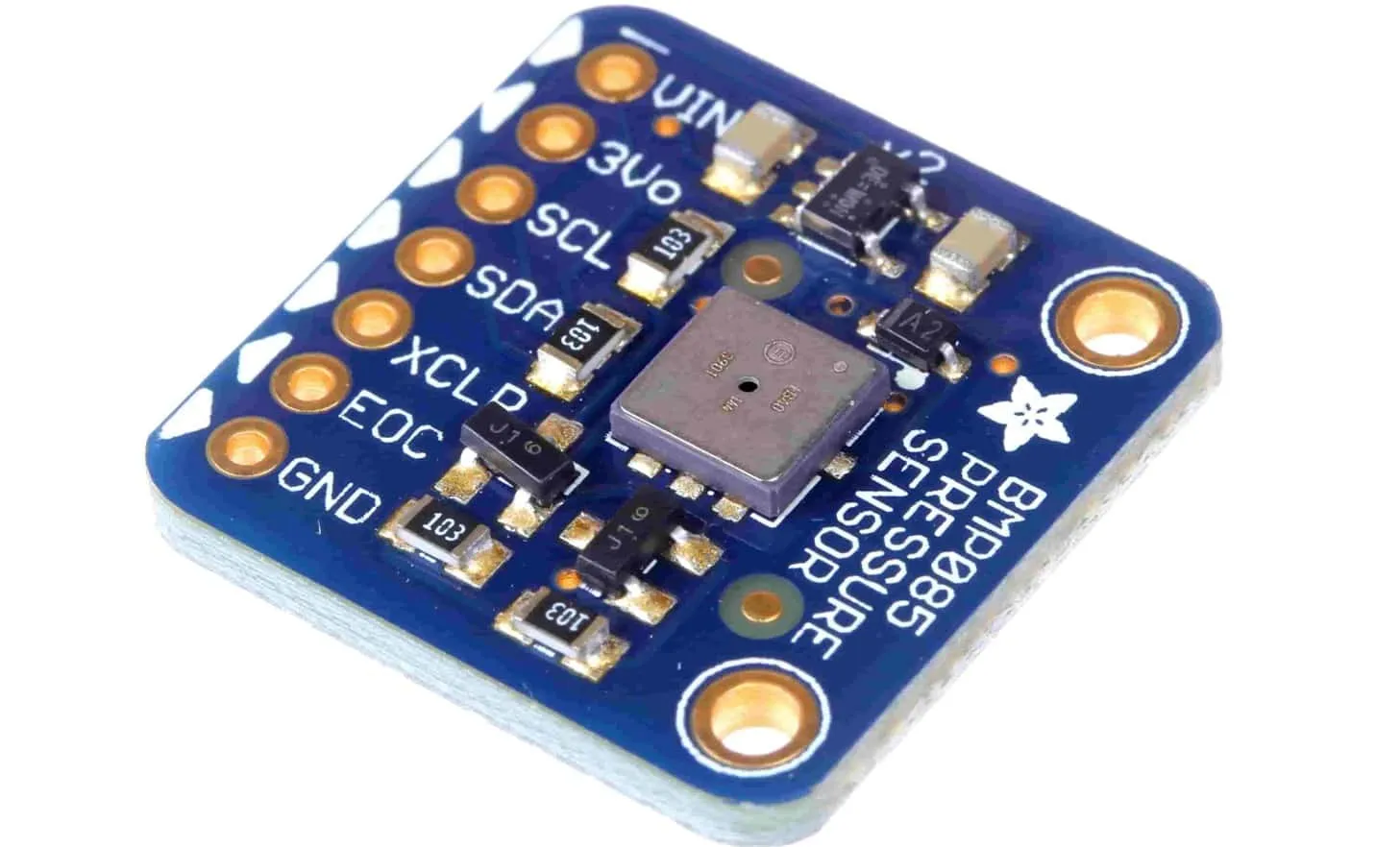
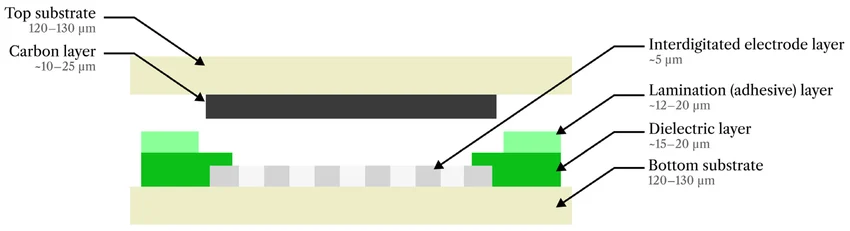
Wireless pressure sensors measure changes in pressure using mechanisms like piezoresistive, capacitive, or optical principles, converting physical force into electrical signals for processing. In IoT contexts, these sensors eliminate cabling, reducing installation costs and enabling deployment in inaccessible areas like pipelines or high-altitude equipment. Gauge sensors detect pressure relative to atmospheric levels, absolute sensors reference a vacuum, and differential types compare two pressures, each suited to specific remote monitoring needs. Their integration with PCBs involves mounting the sensor die or package alongside microcontrollers and RF modules, forming a complete node. This setup supports remote monitoring systems by providing continuous data streams for predictive maintenance and process optimization. As IoT networks expand, the demand for reliable wireless pressure sensors grows, driven by applications requiring low-latency feedback.
The relevance stems from the ability to scale deployments; a single PCB can host multiple sensors for comprehensive monitoring. Engineers benefit from reduced downtime in systems like HVAC or hydraulic setups, where pressure anomalies signal failures early. PCB-based designs also allow customization for form factors, fitting constraints in wearables or machinery. Overall, wireless pressure sensors enhance IoT integration by bridging physical sensing with digital analytics.
Technical Principles of Wireless Pressure Sensor PCB Integration
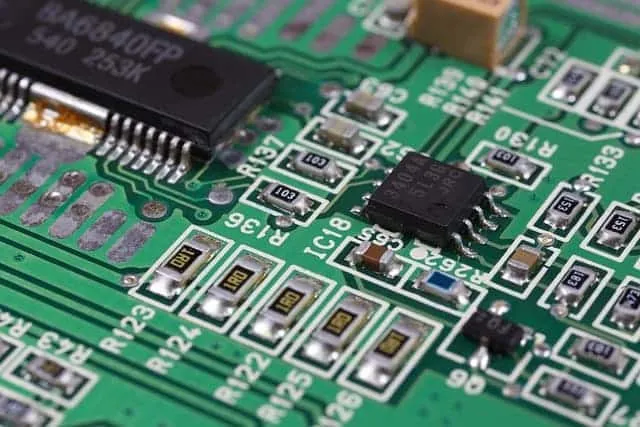
Integrating wireless pressure sensors onto PCBs begins with selecting compatible components that align with the application's pressure range and environmental conditions. The sensor outputs analog or digital signals, which a microcontroller conditions before wireless transmission. PCBs must accommodate surface-mount sensors with precise thermal management to avoid drift from heat generated by RF components. Signal paths require shielding to minimize noise, ensuring accurate data in remote monitoring systems. Adherence to IPC-2221 standards for printed board design guides trace widths, vias, and layer stacking for optimal performance.
Key mechanisms include analog-to-digital conversion followed by protocol encapsulation for transmission. Low-noise amplifiers boost weak sensor signals, while filters reject interference common in industrial settings. Power rails on the PCB supply stable voltages to both sensor and transceiver, preventing measurement errors. Multi-layer PCBs enable ground planes that improve electromagnetic compatibility. These principles ensure the assembly withstands vibration and humidity, critical for long-term IoT deployments.
Data Transmission Protocols for IoT Integration
Selecting appropriate data transmission protocols is crucial for efficient IoT integration of wireless pressure sensors. Protocols like MQTT and CoAP operate over TCP or UDP, suiting internet-connected setups with publish-subscribe models for low-bandwidth pressure data. For low-power wide-area networks, LoRaWAN excels in long-range remote monitoring, transmitting small packets over kilometers with minimal energy. Bluetooth Low Energy (BLE) supports short-range, high-data-rate links ideal for mesh networks in confined spaces. Zigbee provides reliable mesh topology for industrial sensor clusters, balancing range and power.
Each protocol influences PCB layout; for example, LoRa requires specific crystal oscillators and matching networks. Engineers evaluate duty cycles and payload sizes to match sensor sampling rates, avoiding network congestion. Security layers, such as AES encryption, integrate at the protocol level to protect transmitted data. Hybrid approaches combine protocols, like BLE for local collection and cellular for cloud upload. Proper protocol selection optimizes remote monitoring systems for latency and throughput.
Power Management for Wireless Sensors
Power management for wireless sensors demands strategies that extend battery life in battery-powered IoT nodes. Low-power microcontrollers enter sleep modes between sensor reads, waking only for transmissions to conserve energy. Voltage regulators with low quiescent current supply clean power to pressure sensors, minimizing leakage. Energy harvesting from vibrations or solar complements batteries in remote setups, feeding supercapacitors for peak loads.
PCB design plays a pivotal role; dedicated power planes reduce resistive drops, and decoupling capacitors stabilize rails near sensitive components. Dynamic power scaling adjusts clock speeds based on activity, cutting consumption during idle periods. Firmware implements duty-cycled sampling, transmitting aggregated data to reduce overhead. These techniques ensure years of operation without replacement, vital for inaccessible remote monitoring systems.
PCB Antenna Design Considerations
PCB antenna design is a cornerstone for reliable wireless performance in pressure sensor nodes. Inverted-F antennas (IFAs) or meander lines fit compact footprints, tuned for frequencies like 2.4 GHz BLE or 868 MHz LoRa. Clearance areas free of metal prevent detuning, while ground plane size affects radiation patterns and efficiency. Simulation tools verify return loss and gain before fabrication.
Impedance matching networks, using pi or L-configurations, maximize power transfer from transceiver to antenna. Multi-band designs support protocol versatility, with vias connecting feed lines across layers. Edge placement avoids sensor interference, and baluns isolate differential signals. Compliance with IPC-6012E qualification specs ensures mechanical integrity under flexure. Optimized antennas boost link budgets for robust remote monitoring.
Security Considerations in Remote Monitoring Systems
Security considerations protect IoT integration from threats like eavesdropping or spoofing in wireless pressure sensors. Encryption at the application layer, such as TLS for MQTT, secures data in transit. Device authentication via certificates or keys prevents unauthorized access to networks. Firmware over-the-air (OTA) updates patch vulnerabilities without physical intervention.
PCB-level protections include secure elements for key storage and tamper detection circuits. Segregated power domains isolate critical functions. Risk assessments identify attack vectors, like jamming, countered by frequency hopping. Compliance with established practices mitigates man-in-the-middle risks. Robust security upholds data integrity in remote monitoring systems.
Edge Computing with Pressure Sensors
Edge computing with pressure sensors processes raw data locally on the PCB-mounted microcontroller, reducing cloud dependency. Algorithms detect anomalies, like pressure spikes, triggering alerts without full transmission. This lowers latency for time-sensitive applications and cuts bandwidth costs. Microcontrollers with DSP cores handle filtering and fusion with other sensors.
Firmware implements threshold-based decisions, compressing data before upload. Integration with accelerators speeds machine learning for predictive trends. Power savings arise from fewer transmissions, aligning with management goals. Edge strategies enhance scalability in dense IoT networks.
Best Practices for Design and Implementation
Best practices start with schematic capture emphasizing modularity for sensor-transceiver pairing. Layout prioritizes RF isolation, routing antennas away from digital noise. Thermal vias under sensors dissipate heat effectively. Prototyping validates signal integrity via vector network analyzers.
Assembly follows J-STD-020E for moisture sensitivity, preventing reflow defects. Testing includes environmental chambers simulating deployment conditions. Documentation details stackups and BOM for scalability. Iterative simulations refine designs pre-production.
Conclusion
Integrating wireless pressure sensors with PCBs unlocks powerful remote monitoring systems through thoughtful IoT design. From protocol selection and power optimization to antenna precision and security, each element contributes to reliability. Edge computing adds intelligence, minimizing data overhead. Engineers applying these principles create durable, efficient solutions aligned with industry needs. Future advancements will further enhance autonomy and range.
FAQs
Q1: What are the main data transmission protocols for wireless pressure sensors in IoT integration?
A1: Common protocols include MQTT for cloud connectivity, LoRaWAN for long-range low-power needs, and BLE for short-range efficiency. Selection depends on range, power budget, and payload size. These ensure reliable data flow in remote monitoring systems, with encryption for security. Engineers balance throughput and energy for optimal performance.
Q2: How does power management impact wireless pressure sensors on PCBs?
A2: Effective power management uses sleep modes, efficient regulators, and harvesting to extend battery life. PCB layouts with dedicated planes minimize losses. This sustains operation in remote areas, reducing maintenance. Low-duty cycles match sensor sampling to transmission intervals.
Q3: Why is PCB antenna design critical for wireless pressure sensors?
A3: Antenna design affects range, efficiency, and interference rejection. Proper clearance and matching optimize signal strength. Ground planes enhance patterns for IoT integration. Simulations ensure compliance before fabrication, supporting robust remote monitoring.
Q4: What role does edge computing play with pressure sensors in IoT?
A4: Edge computing processes data locally, enabling fast anomaly detection and data compression. It reduces latency and bandwidth use. MCUs handle fusion for comprehensive insights. This enhances remote monitoring systems' responsiveness.
References
IPC-2221G — Generic Standard on Printed Board Design. IPC, 2017
IPC-6012E — Qualification and Performance Specification for Rigid Printed Boards. IPC, 2017
J-STD-020E — Moisture/Reflow Sensitivity Classification for Nonhermetic Surface Mount Devices. JEDEC, 2014