Introduction
Selective soldering has emerged as a critical technique in modern electronics manufacturing, particularly for complex printed circuit board (PCB) assemblies. This method allows precise soldering of specific components without exposing the entire board to high temperatures, protecting sensitive parts from thermal damage. For electric engineers, understanding specialized soldering applications using selective solder is essential for optimizing designs and ensuring reliability in high-performance products. This article explores the intricacies of selective soldering with a focus on applications like LED array assembly, aluminum bond connections, coil-lead attachment, and SMT attachment processes. By delving into technical principles, practical solutions, and adherence to industry standards, engineers can address challenges in mixed-technology assemblies and achieve consistent, high-quality results.
What Is Selective Soldering and Why It Matters
Selective soldering is a targeted soldering process used to attach specific components to PCBs, especially in assemblies where traditional wave or reflow soldering could damage sensitive parts. Unlike wave soldering, which immerses the entire board in molten solder, or reflow soldering, which heats the whole assembly, selective soldering applies solder only to designated areas. This precision is vital for mixed-technology boards that combine surface-mount technology (SMT) components with through-hole parts.
The importance of selective soldering lies in its ability to minimize thermal stress on delicate components, such as those in LED arrays or fine-pitch SMT attachments. It also reduces the risk of defects like bridging or insufficient wetting in densely populated boards. For electric engineers, this technique ensures reliability in applications requiring aluminum bonds or coil-lead attachments, where precision and material compatibility are critical. As electronics continue to shrink in size and increase in complexity, mastering selective soldering becomes a cornerstone of efficient PCB assembly.
Technical Principles of Selective Soldering
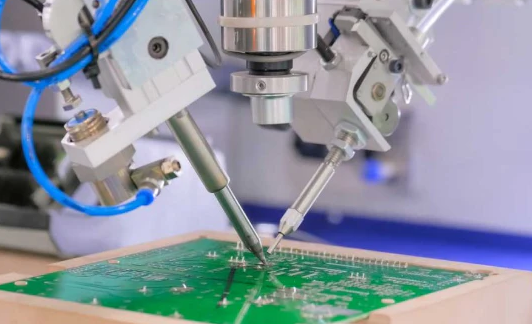
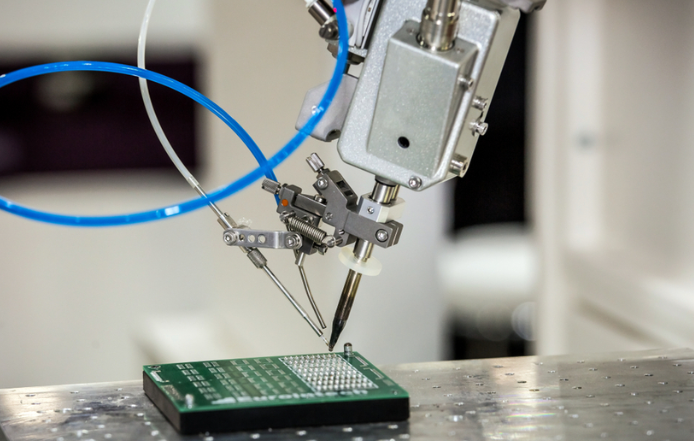
Selective soldering operates on the principle of localized solder application, typically using a programmable soldering nozzle or laser to target specific pads or pins. The process begins with flux application to clean and prepare the soldering site, followed by preheating to activate the flux and reduce thermal shock. Solder is then applied through a nozzle that moves precisely over the target area, ensuring minimal heat transfer to adjacent components.
Key mechanisms include controlling solder flow, temperature, and dwell time to achieve optimal wetting and joint formation. For instance, in LED array assembly, maintaining consistent solder joints across multiple points is crucial to prevent uneven current distribution. Similarly, aluminum bond connections require careful temperature management due to aluminum's high thermal conductivity and susceptibility to oxidation. Standards such as IPC J-STD-001H provide guidelines on acceptable solder joint criteria, ensuring reliability across applications.
The equipment used often features advanced software for programming soldering paths, which is essential for complex tasks like coil-lead attachment. This process demands precision to avoid damaging delicate wire insulation while forming strong electrical connections. Engineers must also consider material compatibility, especially in SMT attachment, where differing thermal expansion rates can lead to stress on solder joints. Adhering to standards like JEDEC J-STD-020E helps classify components for moisture and reflow sensitivity, guiding selective soldering parameters.
Related Reading: Achieving Precision in PCB Assembly: A Guide to Selective Soldering
Specialized Soldering Applications
LED Array Assembly
LED arrays are widely used in lighting, automotive, and display technologies, requiring uniform soldering for consistent performance. Selective soldering excels in this application by targeting individual LED pins without overheating the surrounding board. This is critical since LEDs are highly sensitive to thermal stress, which can degrade their lifespan or alter light output. Engineers must ensure precise solder volume and alignment to avoid shorts or open circuits in densely packed arrays. Following guidelines from IPC-A-600K for acceptable solder joint appearance helps maintain quality in production.
Aluminum Bond Connections
Soldering to aluminum presents unique challenges due to its oxide layer and high thermal conductivity. Selective soldering addresses this by using specialized fluxes to remove oxidation and by controlling heat input to prevent warping. This application is common in power electronics where aluminum substrates or wires are used for heat dissipation. Careful process control, aligned with IPC J-STD-001H requirements, ensures robust bonds without compromising the material's integrity. Engineers often preheat the area to reduce thermal gradients during soldering.
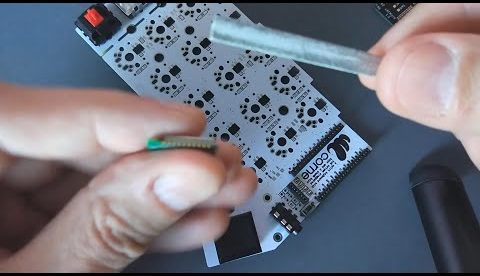
Coil-Lead Attachment
Coil-lead attachment is prevalent in transformers, inductors, and motor control circuits, where fine wires must be soldered to PCB pads or terminals. Selective soldering provides the precision needed to avoid melting wire insulation or creating weak joints. The process involves applying minimal solder to prevent excess weight on the coil, which could affect its electrical properties. Adherence to IPC-6012E standards for rigid board performance ensures that these attachments withstand mechanical and thermal stresses in operation.
SMT Attachment in Mixed Assemblies
Surface-mount technology (SMT) attachment often occurs alongside through-hole components in mixed assemblies, making selective soldering indispensable. After reflow soldering SMT parts, selective soldering targets through-hole or specific SMT components requiring additional reinforcement. This method prevents re-melting of previously soldered joints, preserving board integrity. Engineers must design layouts with adequate spacing to allow nozzle access, following IPC-A-600K for board acceptability criteria. This application is critical in high-density designs where thermal management is a priority.
Practical Solutions and Best Practices
Achieving success with selective soldering in specialized applications requires a combination of design foresight and process optimization. Engineers should start by designing PCB layouts that facilitate nozzle access, ensuring sufficient clearance around target areas. This is particularly important for LED arrays and SMT attachments, where dense component placement can hinder precision.
Temperature control is another critical factor. Preheating the board to a temperature aligned with component specifications minimizes thermal shock, especially for aluminum bond applications. Referencing JEDEC J-STD-020E for moisture sensitivity levels helps determine safe preheating limits for sensitive parts. Additionally, selecting the right flux type enhances solderability, particularly for challenging materials like aluminum.
Process monitoring is essential to detect defects early. Visual inspection, guided by IPC-A-600K standards, can identify issues like insufficient wetting or solder bridging in coil-lead attachments. Automated systems with real-time feedback on solder flow and temperature improve consistency across production runs. Regular maintenance of soldering equipment prevents nozzle clogging, which can disrupt precision in applications like LED array soldering.
Finally, documentation of process parameters ensures repeatability. Engineers should record settings for flux application, preheat temperature, and solder dwell time, aligning with IPC J-STD-001H for soldered assembly requirements. This practice supports troubleshooting and continuous improvement in specialized soldering tasks.
Troubleshooting Common Challenges
In selective soldering, defects such as cold joints, insufficient solder, or thermal damage can compromise assembly quality. For LED arrays, uneven solder joints often result from inconsistent nozzle positioning or inadequate flux activation. Adjusting the soldering path and verifying flux coverage can resolve this issue. Aluminum bond failures typically stem from oxide buildup, necessitating aggressive flux and precise heat control to ensure proper wetting.
Coil-lead attachment issues, like wire damage, arise from excessive heat or prolonged dwell time. Reducing temperature and optimizing solder application duration mitigates this risk. For SMT attachment, solder bridging in tight spaces can occur if nozzle accuracy is off. Fine-tuning equipment calibration and adhering to design spacing per IPC-6012E standards prevents such defects. Consistent reference to industry guidelines ensures that troubleshooting efforts yield reliable outcomes.
Related Reading: Common PCB Soldering Defects: Causes, Impacts, and Prevention for Reliable Assemblies
Conclusion
Selective soldering stands as a pivotal technique for electric engineers tackling specialized soldering applications in PCB assembly. Whether working on LED array setups, aluminum bond connections, coil-lead attachments, or SMT attachments, this method offers unmatched precision and thermal protection. By understanding the technical principles, implementing best practices, and addressing common challenges, engineers can achieve robust and reliable solder joints. Adherence to established industry standards ensures quality and consistency across diverse projects. As electronics evolve, selective soldering will remain a key tool for meeting the demands of complex, high-performance designs.
FAQs
Q1: How does selective soldering benefit LED array assembly?
A1: Selective soldering targets individual pins in LED arrays without exposing the entire board to high heat, preventing thermal damage to sensitive LEDs. This precision ensures uniform joints, avoiding issues like shorts or uneven current flow. It aligns with industry standards for joint quality, making it ideal for lighting and display applications where reliability is critical.
Q2: What challenges arise in aluminum bond soldering, and how can they be addressed?
A2: Aluminum bond soldering faces challenges like oxide layers and high thermal conductivity, risking poor wetting or warping. Using specialized fluxes to remove oxidation and controlling heat input through preheating are effective solutions. Following strict process guidelines ensures strong, durable connections in power electronics applications.
Q3: Why is selective soldering preferred for coil-lead attachment?
A3: Selective soldering offers precision for coil-lead attachment, preventing damage to fine wire insulation while forming strong joints. It applies minimal solder to avoid excess weight on coils, preserving electrical performance. This method is crucial for inductors and transformers, ensuring reliability under mechanical and thermal stress.
Q4: How does selective soldering integrate with SMT attachment in mixed assemblies?
A4: In mixed assemblies, selective soldering targets specific through-hole or SMT components after reflow, avoiding re-melting of existing joints. It requires careful board design for nozzle access and adherence to spacing standards. This approach minimizes thermal stress, ensuring integrity in high-density PCB designs with diverse component types.
References
IPC J-STD-001H - Requirements for Soldered Electrical and Electronic Assemblies. IPC, 2021.
IPC-A-600K - Acceptability of Printed Boards. IPC, 2020.
IPC-6012E - Qualification and Performance Specification for Rigid Printed Boards. IPC, 2020.
JEDEC J-STD-020E - Moisture/Reflow Sensitivity Classification for Nonhermetic Surface Mount Devices. JEDEC, 2014.