Introduction
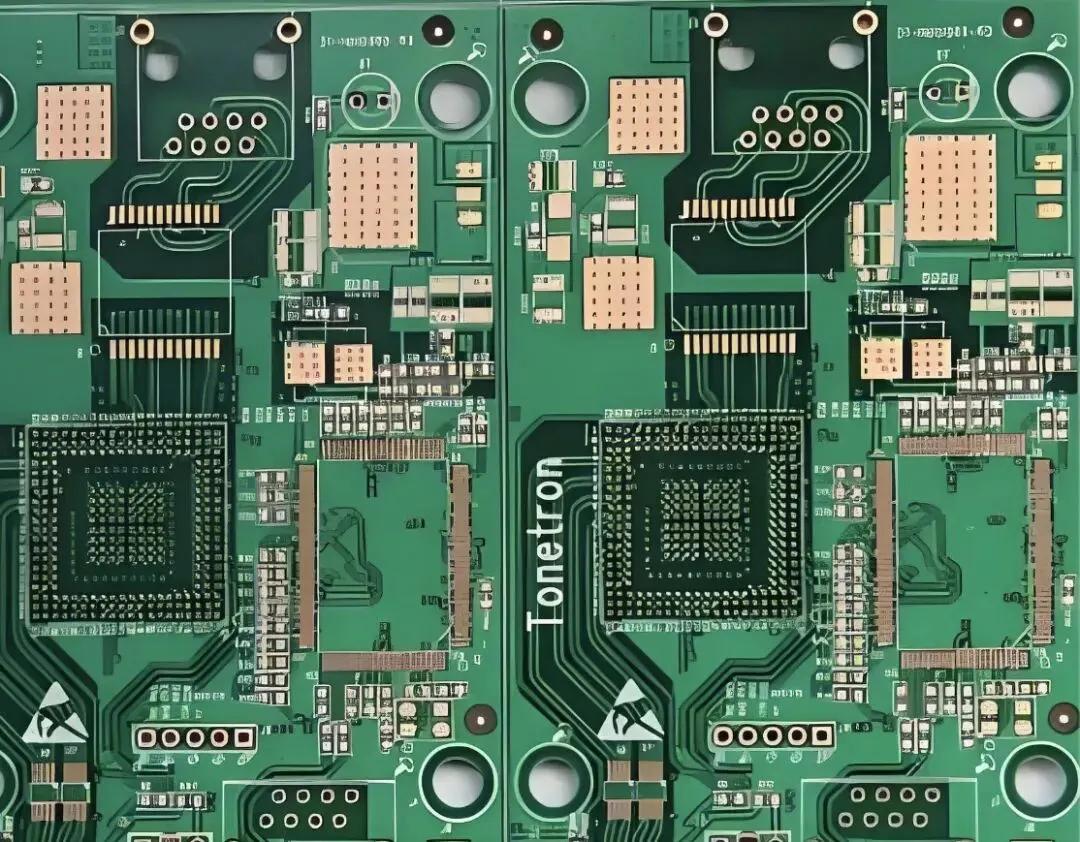
In today’s high-mix electronics manufacturing, selective soldering has become the go-to solution for reliably assembling boards that combine surface-mount (SMT) and through-hole (THT) components. Unlike traditional wave soldering, which floods the entire board underside and risks damaging heat-sensitive SMT parts, selective soldering targets only the exact through-hole pins that need soldering. This precision dramatically reduces thermal stress, minimizes defects, and supports the complex, miniaturized designs demanded by automotive, medical, industrial, and consumer electronics.
Whether you run high-volume lines or low-volume prototypes, mastering selective soldering directly impacts first-pass yield, rework costs, and long-term product reliability.
What is Selective Soldering and Why is it Essential?
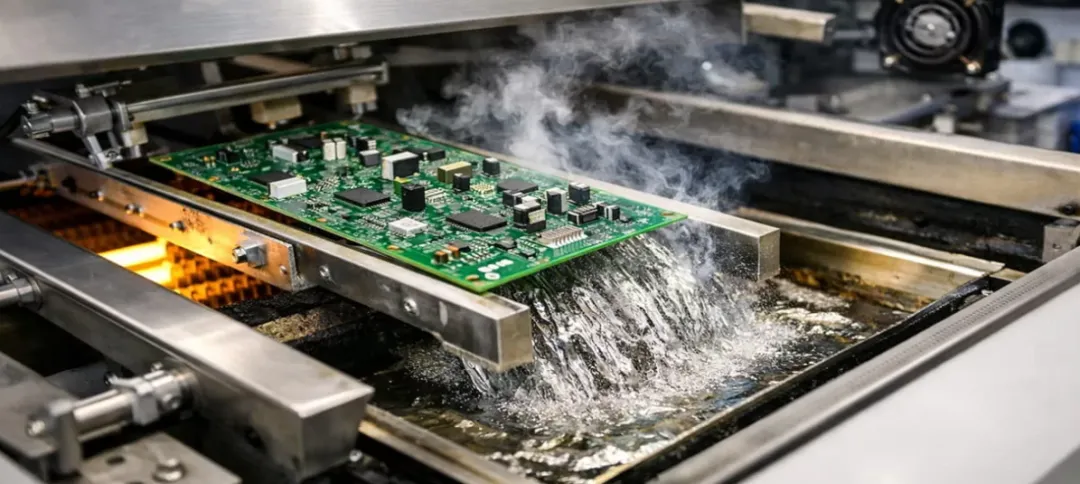
Selective soldering is a highly automated, programmable process that applies molten solder only to designated through-hole locations on a PCB while leaving surrounding SMT components untouched. It bridges the gap between full-wave soldering and labor-intensive hand soldering, making it ideal for mixed-technology boards that dominate modern designs.
Its essential role stems from three key advantages:
- Thermal control: Localized heating protects temperature-sensitive SMT packages (e.g., BGAs, QFNs, 0201 passives) that would be damaged by wave soldering’s broad heat exposure.
- Flexibility: It handles high-mix, low-to-medium volume production where wave soldering fixtures would be cost-prohibitive.
- Defect reduction: Precise nozzle movement and programmable parameters cut bridging, insufficient solder, and thermal damage by up to 70% compared with wave methods.
Industry data shows that selective soldering improves overall PCB assembly yield by 8–15% on mixed boards while lowering rework costs by 30–50%. For manufacturers balancing miniaturization with through-hole connectors, power jacks, and relays, selective soldering is no longer optional—it is a competitive necessity.
Deconstructing the Selective Soldering Process
The selective soldering process consists of four tightly controlled stages, each optimized for repeatability and quality.
Step-by-Step Operation
- Preheating
The PCB is gradually brought to 80–120°C (typically 100°C for lead-free alloys). This step activates flux, drives off moisture, and reduces thermal shock when the solder contacts the board. Preheat duration and ramp rate are programmed to match board thickness and component thermal mass. - Flux Application
Precision spray or jet fluxers apply no-clean or water-soluble flux only to the target through-hole areas. Flux types range from low-solids VOC-free (for high-reliability) to rosin-activated (for difficult-to-wet surfaces). Accurate flux volume prevents both insufficient wetting and excess residue. - Soldering
A programmable mini-wave or laser-assisted nozzle (260–300°C) moves under the board, forming perfect fillets around each pin. Nozzle speed, dwell time, and wave height are adjusted in real time by the machine’s software. Modern systems achieve ±0.1 mm positional accuracy. - Cooling
Controlled cooling (typically forced-air or nitrogen) solidifies the joints without inducing thermal stress or cracking. Gradual cooling also minimizes intermetallic compound growth for maximum joint reliability.
The entire cycle is fully automated, with recipe-driven parameters ensuring consistent results across thousands of boards.
Flux Types & Preheat Temperature Reference Table
| Flux Type | Solids Content | Recommended Preheat | Best For |
|---|---|---|---|
| VOC-free, no-clean | <2% | 80–100°C | High-reliability, RoHS |
| Rosin mildly activated | 3–5% | 100–110°C | Difficult-to-wet leads |
| Water-soluble | 5–10% | 110–120°C | High-volume consumer boards |
Selective Soldering vs. Wave Soldering: Key Differences
Choosing between selective soldering and wave soldering depends on board design and production volume. Here is a direct comparison:
| Aspect | Selective Soldering | Wave Soldering |
|---|---|---|
| Heat Exposure | Localized (only THT areas) | Entire bottom side |
| Thermal Stress on SMT | Minimal | High (risk of damage) |
| Typical Board Type | Mixed SMT/THT, high-mix | Pure THT or simple boards |
| Setup Cost | Medium (programmable nozzles) | Low (fixtures required) |
| Cycle Time | 5–30 seconds per board | 3–8 seconds (full wave) |
| Defect Rate (mixed boards) | 0.5–2% | 5–12% |
| Ideal Volume | Low-to-medium (1–5,000 boards/run) | High-volume (>10,000 identical boards) |
Selective soldering wins for complex, mixed-technology boards; wave soldering remains economical for high-volume, simple THT designs.
For a complete overview of all soldering methods, see our guide: The Definitive Guide to PCB Soldering: Standards, Techniques, and Strategic Implementation
Selecting the Appropriate Selective Soldering Equipment
Choosing the right machine determines long-term process capability and ROI.
Essential Equipment Considerations
- Nozzle Varieties: Mini-wave nozzles excel for fine-pitch connectors; larger wave nozzles suit power terminals. Interchangeable heads provide maximum flexibility.
- Automation Degree: Fully automated systems with CAD import and offline programming deliver the highest repeatability for production. Semi-automated stations are cost-effective for prototypes.
- Temperature Control: Look for ±1°C stability and multi-zone preheat to match any alloy (SnPb or lead-free SAC305/ SAC387).
- Compatibility: Confirm board size range, maximum component height clearance, and support for nitrogen inerting (reduces oxidation on lead-free joints).
- Maintenance & Support: Prioritize vendors offering quick spare-part delivery and remote diagnostics to minimize downtime.
Laser vs. Mini-Wave Comparison
| Feature | Laser Selective Soldering | Mini-Wave Selective Soldering |
|---|---|---|
| Heat Source | Focused laser beam | Molten solder wave |
| Speed | Very high (point-to-point) | High (continuous wave) |
| Heat-Affected Zone | Extremely small | Small |
| Best For | Ultra-fine pitch, flex | Standard connectors, relays |
| Initial Cost | Higher | Moderate |
Related Reading: Mastering High Mix PCB Assembly: A Deep Dive into Selective Soldering Equipment
Optimizing PCB Design for Selective Soldering
Good selective soldering results begin at the design stage.
Key Design Recommendations & DFSS Checklist
- Component Separation: Maintain 2–3 mm clearance between THT pins and adjacent SMT parts.
- Pad & Hole Sizing: Hole diameter = lead diameter × 1.2; pad diameter = hole + 0.8–1.2 mm.
- Thermal Relief: Use spokes on ground-plane pads to balance heat flow.
- Nozzle Access: Keep tall components (connectors, inductors) offset from soldering paths.
- Flux Compatibility: Specify board finish (ENIG, HASL, OSP) matched to chosen flux.
DFSS (Design for Selective Soldering) Checklist
□ All THT pins reachable by nozzle without collision
□ Thermal relief on every ground-connected pad
□ Minimum 2 mm keep-out around THT areas
□ Test points placed away from soldering zones
□ CAD model includes nozzle path simulation
IPC Standards & Compliance for Selective Soldering
Compliance with IPC standards ensures repeatable, auditable results. IPC-A-610H defines visual acceptance criteria for selective solder joints (Class 2/3). IPC J-STD-001H governs process and material requirements, including flux classification and solder alloy performance. IPC-7711/7721C provides rework guidelines when defects occur. Manufacturers targeting aerospace or medical markets often add AS9100 or ISO 13485 compliance to their selective soldering process documentation.
Identifying and Understanding Common Selective Soldering Defects
Even optimized processes can produce defects. Early detection is critical.
Frequent Soldering Imperfections
- Insufficient Solder: Weak or open joints caused by low temperature or insufficient flux.
- Solder Bridging: Unwanted connections from excess paste or nozzle misalignment.
- Poor Wetting: Dull, non-adherent joints due to contamination or inactive flux.
- Thermal Damage: Delamination or burned laminate from excessive dwell time.
- Solder Balls: Tiny spheres from spattering or rapid cooling.
AOI systems now integrate 3D measurement and AI to flag these defects in real time, often catching >98% of anomalies before final testing.
Troubleshooting Tips for Flawless Selective Soldering Results
Practical Solutions for Common Issues
Insufficient Solder
- Increase temperature to 265–290°C
- Verify flux volume and preheat (100°C minimum)
- Clean nozzle daily
Solder Bridging
- Reduce flow rate or nozzle speed
- Increase pin-to-pin spacing in design
- Adjust flux type to lower solids
Poor Wetting
- Fresh flux + surface plasma clean
- Extend preheat by 10–15 seconds
- Check pad finish (ENIG preferred)
Thermal Damage
- Shorten dwell time (<4 seconds per joint)
- Add thermal relief spokes
- Use nitrogen atmosphere
Solder Balls
- Optimize cooling ramp (4–6°C/s)
- Reduce flux volume
- Regular machine cleaning
Parameter Troubleshooting Table
| Defect | Temperature | Flux Volume | Nozzle Speed | Fix Priority |
|---|---|---|---|---|
| Insufficient Solder | ↑ | ↑ | ↓ | High |
| Bridging | – | ↓ | ↓ | High |
| Poor Wetting | ↑ | ↑ | – | Medium |
| Thermal Damage | ↓ | – | ↑ | Critical |
Cost, Volume & ROI of Selective Soldering in Modern PCB Assembly
Selective soldering delivers strong ROI in mixed-technology production:
- Low-volume/high-mix (<5,000 boards/run): 40–60% lower total cost than wave + hand soldering.
- Medium-volume: Payback on equipment within 6–12 months through reduced rework (average rework cost per board drops from $8–15 to <$2).
- High-volume: When paired with AOI/SPI, overall defect rate falls below 500 ppm, saving thousands in scrap and warranty claims.
Nitrogen consumption and maintenance add ~15% to operating cost but improve joint quality by 25–30%, making the investment worthwhile for most manufacturers.
Conclusion
Selective soldering is a transformative technique in PCB assembly, offering unmatched precision, efficiency, and reliability for intricate mixed-technology boards. By thoroughly understanding the selective soldering process, investing in the right equipment, optimizing PCB layouts, and developing expertise in troubleshooting, manufacturers can significantly enhance their outcomes. Whether addressing common defects or fine-tuning operational parameters, the strategies in this guide provide a robust foundation for success. Begin implementing these practices today to elevate the quality of your PCB assemblies and stay competitive in the evolving electronics landscape.
FAQs
Q1: When should I choose selective soldering over wave soldering?
A1: Choose selective soldering whenever your board mixes SMT and THT components or when thermal sensitivity of nearby parts is a concern. It is ideal for high-mix, low-to-medium volume runs.
Q2: What is the typical cycle time for selective soldering?
A2: Cycle time ranges from 5–30 seconds per board depending on the number of joints and complexity. Modern multi-nozzle systems can reach 500+ joints per hour.
Q3: How do I reduce bridging in selective soldering?
A3: Reduce solder flow rate, slow nozzle speed, increase pin spacing in the design, and use lower-solids flux. AOI after soldering catches any remaining bridges immediately.
Q4: Does selective soldering work with lead-free alloys?
A4: Yes—most modern selective soldering systems are fully compatible with SAC305 and other lead-free alloys. Nitrogen atmosphere is recommended to improve wetting and reduce oxidation.
References
- IPC-A-610H — Acceptability of Electronic Assemblies. IPC, 2021.
- IPC J-STD-001H — Requirements for Soldered Electrical and Electronic Assemblies. IPC, 2021.
- IPC-7711/7721C — Rework, Modification and Repair of Electronic Assemblies. IPC, 2021.
- JEDEC J-STD-020E — Moisture/Reflow Sensitivity Classification. JEDEC, 2014.