Introduction
High-volume PCB assembly involves producing thousands to millions of units, where even minor defects can lead to massive recalls or safety issues. Regulatory compliance ensures these assemblies meet safety, environmental, and performance standards across global markets. For electric engineers overseeing production, PCB regulatory compliance is not just a checkbox but a core element of design validation and process control. Certifications such as UL certification, CE marking, RoHS compliance, and REACH compliance directly impact material choices, soldering processes, and final testing. Failing to address these early can result in production halts, increased costs, and legal liabilities. This article explores practical strategies to integrate compliance into high-volume workflows.
Understanding PCB Regulatory Compliance in High-Volume Assembly
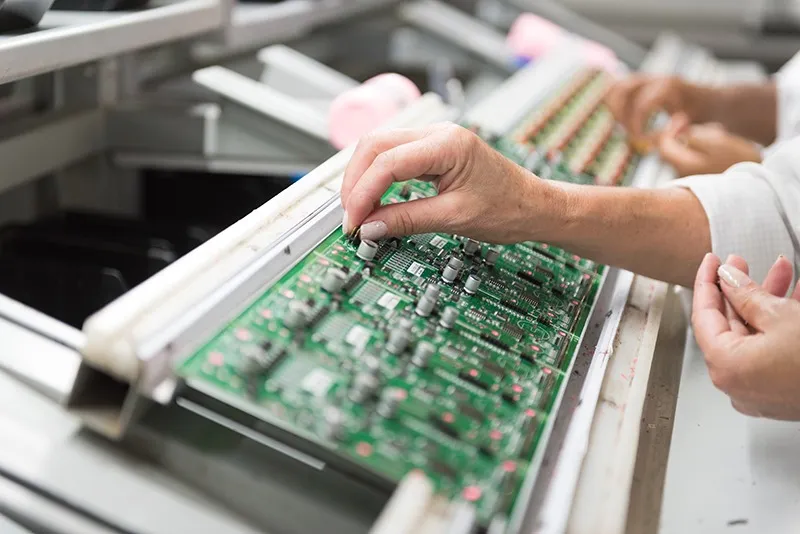
PCB regulatory compliance refers to adherence to legal and industry standards governing the safety, reliability, and environmental impact of assembled boards. In high-volume scenarios, compliance scales challenges because variability in components or processes amplifies risks. Engineers must verify that every batch maintains uniformity to avoid non-conformances that trigger audits or rejections. Key drivers include protecting end-users from hazards like electrical shock or fire, while meeting import requirements for regions like North America and Europe. Without proactive measures, high-volume runs face bottlenecks from supplier delays or rework. Ultimately, robust compliance frameworks support faster time-to-market and sustained quality.
Why Regulatory Compliance Matters for Electric Engineers
Electric engineers prioritize compliance because it bridges design intent with manufacturing reality in high-volume environments. Non-compliant assemblies risk field failures, eroding trust in automotive, medical, or consumer electronics applications. UL certification validates fire resistance and electrical safety, preventing catastrophic events in dense assemblies. CE marking confirms electromagnetic compatibility and low-voltage directive adherence, essential for EU deployments. RoHS compliance and REACH compliance curb hazardous materials, aligning with sustainability goals and avoiding supply chain disruptions. Troubleshooting compliance gaps early minimizes yield losses, which can exceed 10% in uncontrolled high-volume lines.
Key Certifications for High-Volume PCB Assembly
UL Certification Essentials
UL certification focuses on safety through rigorous testing of materials and construction. For PCB assembly, it requires UL-recognized components and processes that prevent ignition or short-circuit propagation. High-volume assemblers must maintain UL-listed facilities with periodic audits to ensure consistent flame retardancy per established flammability tests. Engineers troubleshoot by tracking critical safety items like spacing and insulation during reflow. Documentation of UL file numbers on assemblies facilitates customer verification. Integrating UL requirements from prototyping scales seamlessly to production volumes.
CE Marking Requirements
CE marking declares conformity to EU directives, including those for electrical safety and EMC. In PCB assembly, it demands verified low-voltage compliance and emission controls, often through in-house or third-party testing. High-volume processes benefit from automated optical inspection to confirm shielding and grounding integrity. Engineers address common issues like radiated interference by refining layout and component placement pre-assembly. Self-certification relies on technical files proving directive adherence, making traceability vital. Proper CE implementation avoids market barriers in Europe.
RoHS Compliance Strategies
RoHS compliance restricts hazardous substances such as lead, mercury, and certain flame retardants to below 0.1% in homogeneous materials. High-volume assembly shifts to lead-free solders, which demand precise reflow profiles to avoid defects like head-in-pillow. Engineers select RoHS-compliant components via supplier declarations and verify through material analysis. Process controls ensure homogeneity across batches, preventing hotspots of restricted substances. Regular audits of incoming parts mitigate risks from global supply chains. Achieving RoHS compliance enhances recyclability and broadens market access.
REACH Compliance Considerations
REACH compliance manages chemicals through registration and restriction of substances of very high concern (SVHCs). For PCBs, it scrutinizes resins, platings, and adhesives exceeding 0.1% weight thresholds. In high-volume settings, full material disclosure from suppliers is crucial to update SVHC lists promptly. Engineers troubleshoot by implementing X-ray fluorescence screening for hidden contaminants. Compliance documentation supports downstream manufacturers, reducing liability. Proactive REACH adherence future-proofs assemblies against evolving regulations.
Technical Mechanisms for Compliance in Assembly Processes
Compliance hinges on material selection, where base laminates and solders must align with certification specs. Lead-free alloys require higher reflow temperatures, influencing oven zoning and nitrogen atmospheres to minimize oxidation. Solder joint integrity follows criteria that support safety certifications, with voiding levels controlled below thresholds for thermal reliability. Inspection mechanisms detect anomalies like bridging or insufficient fillet, ensuring class-appropriate acceptability. Traceability systems log every component lot, enabling root-cause analysis in high-volume yields. These mechanisms collectively uphold PCB regulatory compliance.
Adherence to IPC J-STD-001 for soldered assemblies provides detailed workmanship requirements, from flux application to cleanliness post-reflow. This standard guides high-volume lines in maintaining joint reliability under thermal cycling.

Best Practices for Ensuring Compliance in High-Volume Production
Start with supplier qualification, demanding compliance certificates for all components and materials. Implement automated programs for pick-and-place to reduce human error in handling restricted substances. Validate reflow profiles through thermal profiling, adjusting for board warpage and component tolerances. Deploy AOI and X-ray for 100% inspection in critical areas, correlating defects to process parameters. Maintain cleanroom protocols to prevent contamination affecting REACH thresholds. Document everything in a compliance dossier, including test reports and declarations.
Incorporate statistical process control to monitor key metrics like solder volume and alignment across runs. Periodic functional testing verifies UL safety under load conditions. For CE marking, conduct EMC pre-compliance scans on sample assemblies.
IPC-A-610 acceptability criteria streamline visual inspections, classifying defects by severity for class 2 or 3 products typical in high-volume electronics.
Troubleshooting Common Compliance Challenges
High-volume engineers often encounter non-compliant legacy components slipping into bills of materials. Cross-check datasheets against RoHS and REACH lists, substituting alternatives early. Solder defects from lead-free transitions manifest as cold joints; mitigate with optimized preheat ramps. Labeling omissions for UL or CE marks lead to shipment rejections; automate silkscreen verification. Supply chain SVHC updates require quarterly reviews to avoid batch contaminations. Root-cause tools like fishbone diagrams pinpoint process drifts, restoring compliance swiftly.
Conclusion
High-volume PCB assembly demands integrated PCB regulatory compliance to deliver safe, marketable products. UL certification safeguards against hazards, CE marking opens EU doors, while RoHS compliance and REACH compliance promote sustainability. Electric engineers achieve this through standards-aligned processes, rigorous testing, and traceability. Best practices like supplier vetting and automated inspections minimize risks and costs. Prioritizing these ensures reliable scaling from prototype to production. Stay vigilant with evolving directives to maintain competitive edge.
FAQs
Q1: What does UL certification entail for high-volume PCB assembly?
A1: UL certification verifies safety through standards like flammability and spacing requirements. High-volume assemblers need listed facilities with surveillance audits. Engineers ensure component recognition and process controls to prevent fire risks. Documentation tracks UL file numbers for traceability. This certification is crucial for North American markets.
Q2: How can electric engineers achieve RoHS compliance in PCB assembly?
A2: RoHS compliance limits hazardous substances via material declarations and testing. Select lead-free solders and verify components below 0.1% thresholds. Implement incoming inspections and process controls for homogeneity. High-volume lines use XRF screening for confirmation. Supplier partnerships ensure ongoing adherence.
Q3: Why is CE marking important for PCB regulatory compliance?
A3: CE marking confirms EU directive conformity, including EMC and safety. For assemblies, it requires technical files and testing evidence. Engineers address emissions through design and shielding. High-volume production benefits from pre-compliance scans. Non-compliance blocks European sales.
Q4: What role does REACH compliance play in high-volume PCB production?
A4: REACH compliance restricts SVHCs over 0.1% in assemblies. Engineers demand full disclosures from suppliers and screen materials. It complements RoHS for chemical safety. Regular updates prevent supply disruptions. Documentation supports the supply chain.
References
IPC J-STD-001H — Requirements for Soldered Electrical and Electronic Assemblies. IPC, 2020
IPC-A-610H — Acceptability of Electronic Assemblies. IPC, 2019
ISO 9001:2015 — Quality Management Systems. ISO, 2015