Designing Wearable PCBs with KiCad: A Step-by-Step Guide
Learn to design compact and efficient printed circuit boards for wearable electronics using KiCad, the powerful open-source PCB design software.
Printed Circuit Board (PCB) design forms the backbone of modern electronics, enabling the creation of compact, efficient, and reliable devices that power everything from smartphones to industrial machinery. In this category, readers gain access to a comprehensive collection of resources dedicated to mastering PCB design principles and techniques. Whether you are a seasoned engineer refining complex layouts or a newcomer learning the fundamentals, these articles provide the knowledge needed to tackle real-world challenges in electronics development. The scope of PCB design covered here extends from initial schematic capture to final board fabrication and testing. Articles delve into essential topics such as layer stacking, signal integrity, thermal management, and component placement strategies. Guides and tutorials offer step-by-step instructions for using popular software tools like Altium Designer and KiCad, while insights explore emerging trends like flexible PCBs and high-speed designs. Best practices emphasize error reduction, cost optimization, and compliance with industry standards, ensuring designs are not only functional but also manufacturable at scale. Real-world applications highlight the category's practical value, demonstrating how effective PCB design contributes to innovations in automotive systems, medical equipment, renewable energy solutions, and consumer gadgets. By addressing common pitfalls and sharing expert tips, these pieces equip professionals to enhance product performance and reliability. Readers benefit from building a deeper understanding through interconnected articles that cover foundational concepts alongside advanced methodologies, fostering continuous improvement in electronics projects. For those involved in prototyping or production, the technical relevance of this content lies in its focus on efficiency and innovation. Detailed discussions on impedance control, EMI shielding, and design for manufacturability prepare you to meet the demands of today's fast-paced tech landscape. Engaging with multiple articles in this category allows for a progressive learning path, where foundational knowledge supports exploration of specialized topics, ultimately leading to more robust and innovative PCB designs.
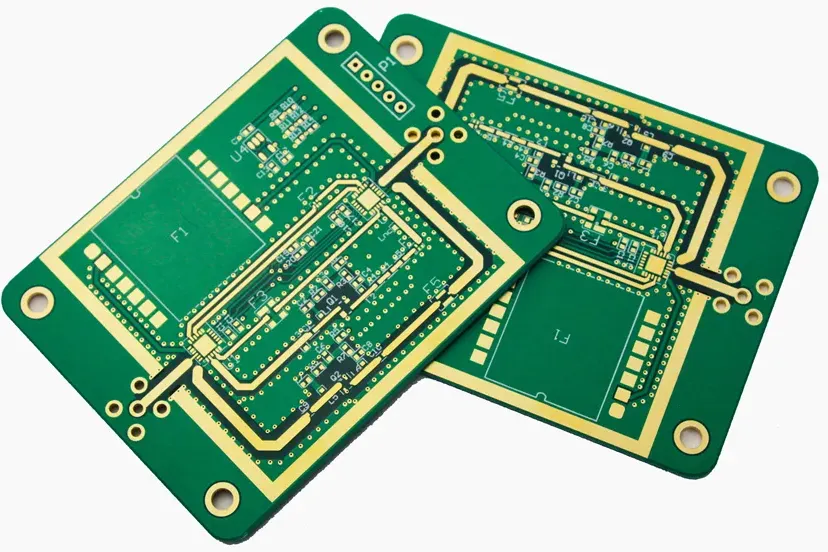
Learn to design compact and efficient printed circuit boards for wearable electronics using KiCad, the powerful open-source PCB design software.
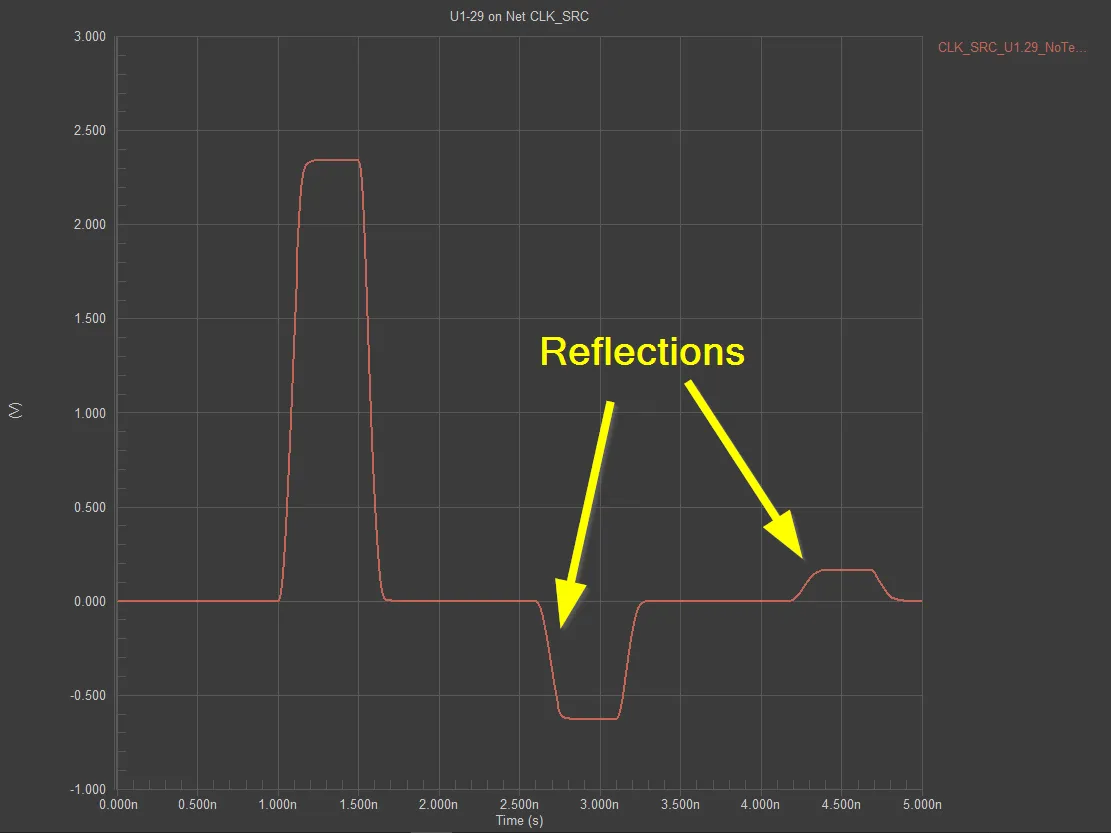
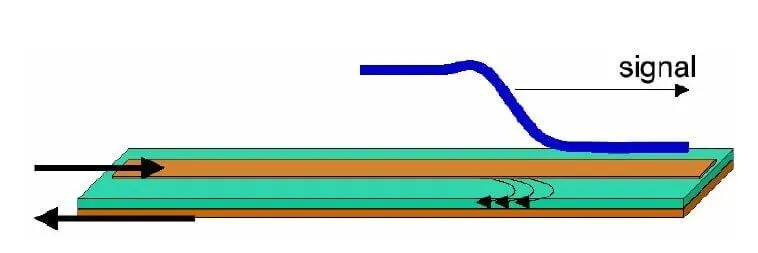
Minimize signal reflection in high-speed PCB designs. This guide details controlled impedance, continuous planes, and proper termination for optimal signal integrity and reduced bit errors.
Master 6-layer PCB RF amplifier design with expert tips on impedance matching, RF grounding, isolation techniques, and stability analysis. Optimize high-frequency performance for wireless and radar apps. AIVON shares practical assembly insights for reliable builds.
ENIG surface finish delivers flat, reliable plating for high-frequency PCBs, but the nickel layer and 2 microinches gold thickness can increase insertion loss above 5 GHz. Explore its impact on signal integrity, impedance control, and proven mitigation strategies for RF and 5G designs. Get expert PCB manufacturing insights today.
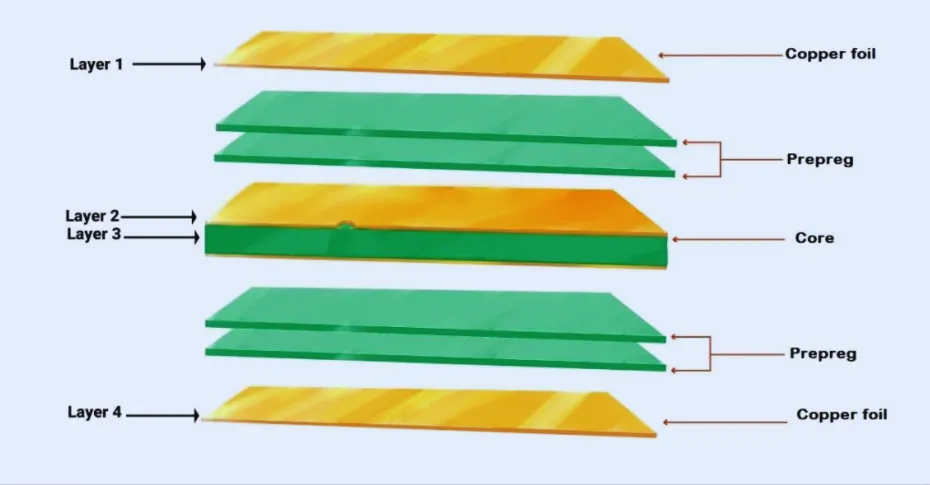
Explore how to design an effective 4-layer PCB stackup for optimal signal integrity, noise reduction, and performance in modern electronic applications.
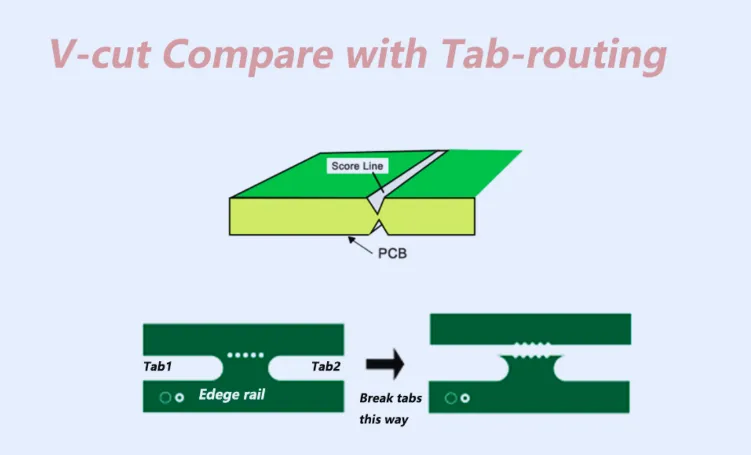
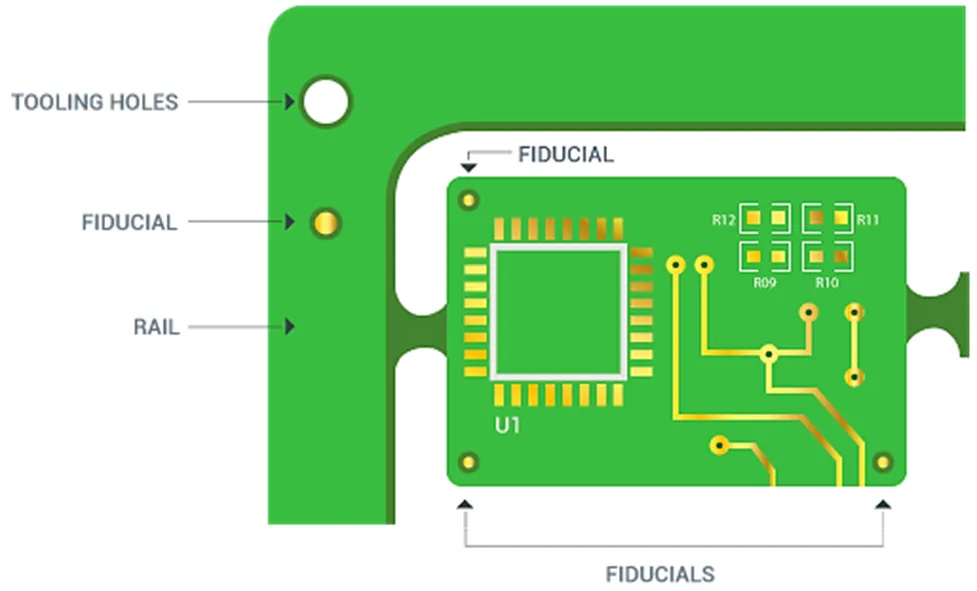
Explore the differences between V-Cut (V-Scoring) and Tab-Routing for PCB panelization, understanding their advantages, limitations, and best use cases for optimal production.
What is the mounting holes meaning in electronics? This guide explores everything about mounting holes PCB design, including how to choose the correct PCB mounting hole size for M3 screws, PTH vs. NPTH types, and placement strategies for EMI shielding.
Learn how to measure PCB impedance at home using affordable tools like oscilloscopes and VNAs. This guide covers setup, techniques, and design tips for signal integrity.
Explore advanced DSP algorithms for noise cancellation, including real-time techniques, adaptive filtering, and low-noise PCB design, to optimize audio systems.
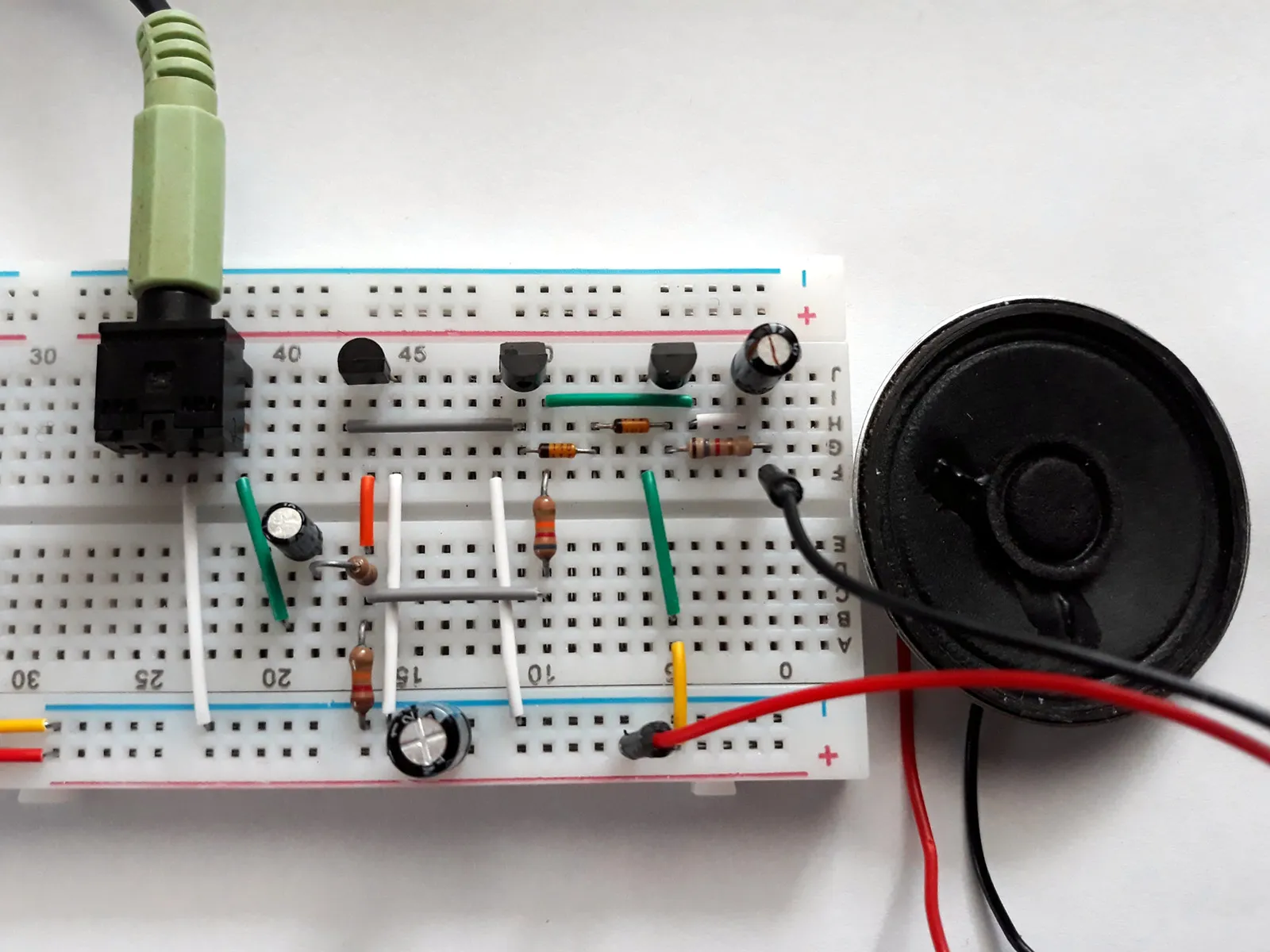
Discover quick and efficient methods for audio amplifier PCB prototyping, including optimized design, quick-turn fabrication, and streamlined assembly to accelerate your projects.
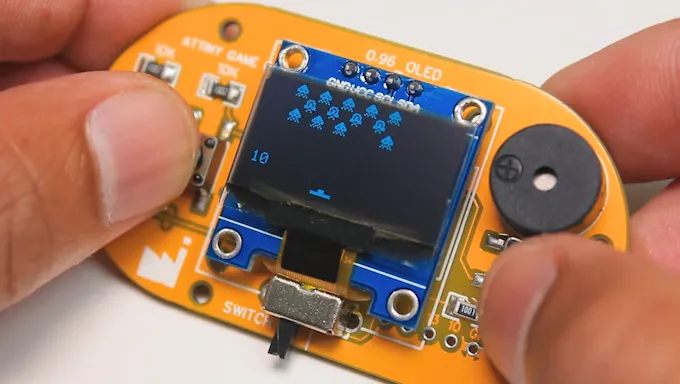
Learn the step-by-step process of designing a gaming console PCB, covering schematic creation, layout optimization, routing techniques, and software choices for high-performance devices.
Learn essential design tips and best practices for using non-plated through-holes (NPTH) for secure, robust mechanical mounting of PCBs, including screw placement and vibration dampening.