


PCB Design
Printed Circuit Board (PCB) design forms the backbone of modern electronics, enabling the creation of compact, efficient, and reliable devices that power everything from smartphones to industrial machinery. In this category, readers gain access to a comprehensive collection of resources dedicated to mastering PCB design principles and techniques. Whether you are a seasoned engineer refining complex layouts or a newcomer learning the fundamentals, these articles provide the knowledge needed to tackle real-world challenges in electronics development. The scope of PCB design covered here extends from initial schematic capture to final board fabrication and testing. Articles delve into essential topics such as layer stacking, signal integrity, thermal management, and component placement strategies. Guides and tutorials offer step-by-step instructions for using popular software tools like Altium Designer and KiCad, while insights explore emerging trends like flexible PCBs and high-speed designs. Best practices emphasize error reduction, cost optimization, and compliance with industry standards, ensuring designs are not only functional but also manufacturable at scale. Real-world applications highlight the category's practical value, demonstrating how effective PCB design contributes to innovations in automotive systems, medical equipment, renewable energy solutions, and consumer gadgets. By addressing common pitfalls and sharing expert tips, these pieces equip professionals to enhance product performance and reliability. Readers benefit from building a deeper understanding through interconnected articles that cover foundational concepts alongside advanced methodologies, fostering continuous improvement in electronics projects. For those involved in prototyping or production, the technical relevance of this content lies in its focus on efficiency and innovation. Detailed discussions on impedance control, EMI shielding, and design for manufacturability prepare you to meet the demands of today's fast-paced tech landscape. Engaging with multiple articles in this category allows for a progressive learning path, where foundational knowledge supports exploration of specialized topics, ultimately leading to more robust and innovative PCB designs.
Featured Blog
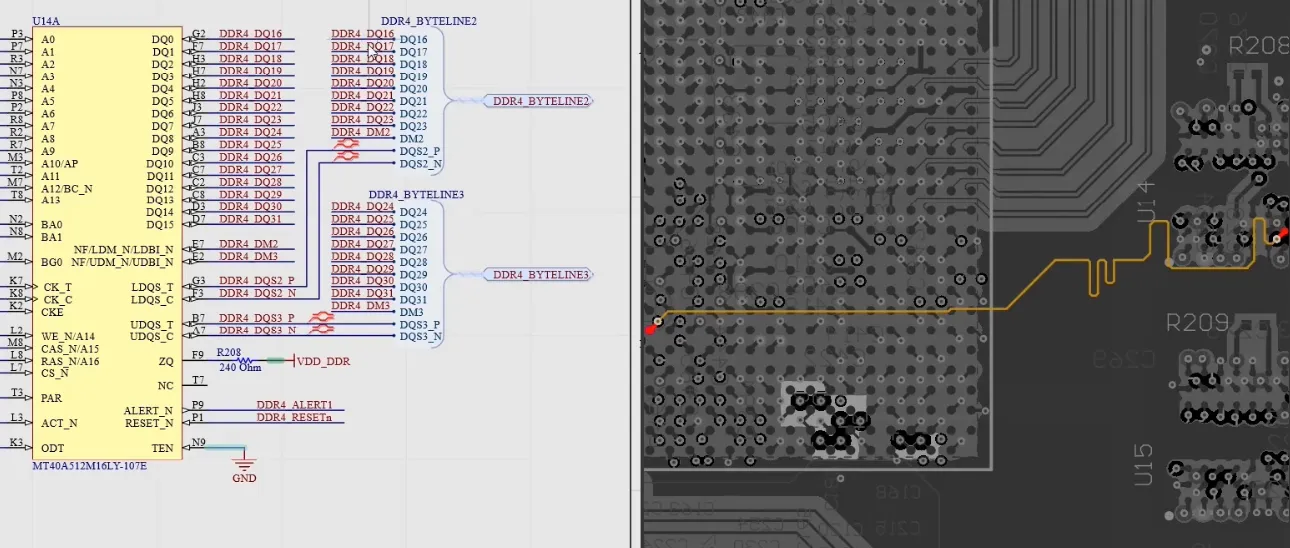
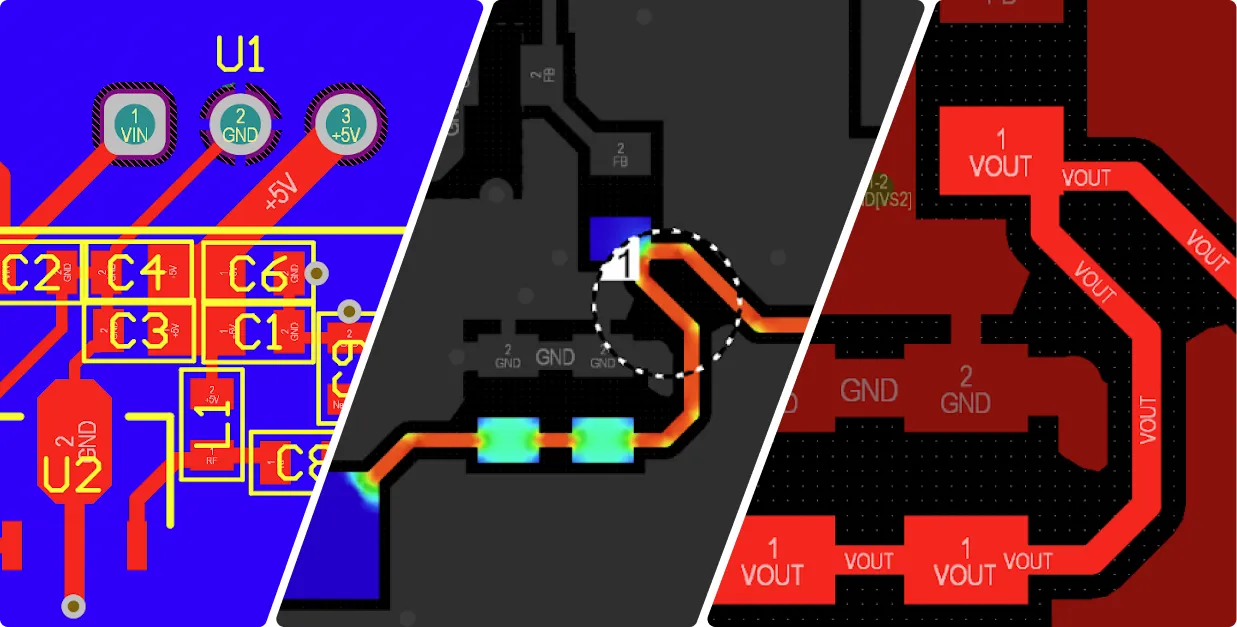
PCB Design Review for Beginners: A Step by Step Guide
Learn how to perform a PCB design review with a practical checklist covering schematics, layout, DRC, manufacturability, and pre-production checks.
Latest Blogs
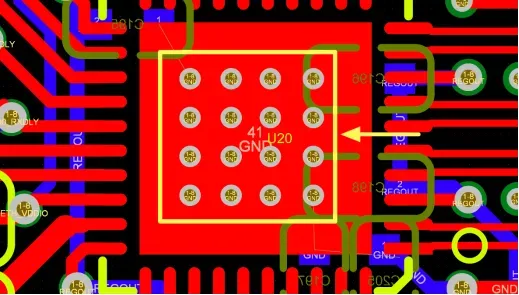
Can You Place a Via on a Pad?
Why via-in-pad often fails in PCB assembly: solder wicking, tombstoning, pad lift, and where it's acceptable: fine-pitch BGA fanout with filled, capped vias and thermal pad arrays.
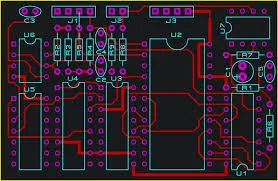
PCB Layout Design Essentials and Practical Techniques
Practical PCB layout guidance for signal integrity: stackup and constraints, decoupling, high-speed routing, return paths, crosstalk/EMI, DFM/DFT, and verification.
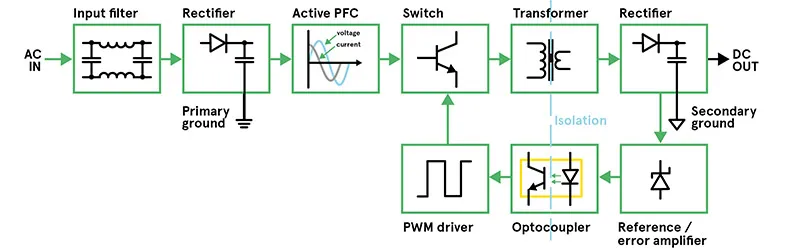
Twelve Switching Power Supply Topologies and How to Calculate Them
Overview of 12 switch-mode power supply topologies with ideal CCM conversion ratios and first-order sizing for inductors, capacitors, and transformers.
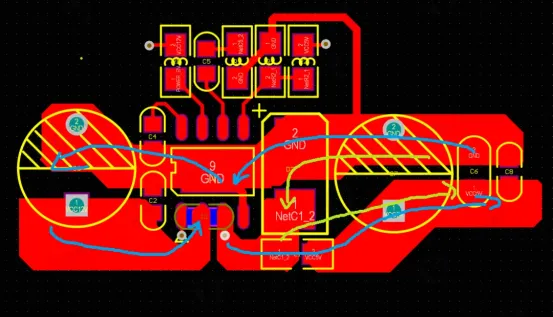
Ground in Electronic Circuits: Signal Ground, Power Ground, Ground Partitioning, Guard Ground, and Single-Point Grounding
Guide to ground in PCB design: return path control, power vs signal ground, analog/digital partitioning, via fences, and single-point grounding.
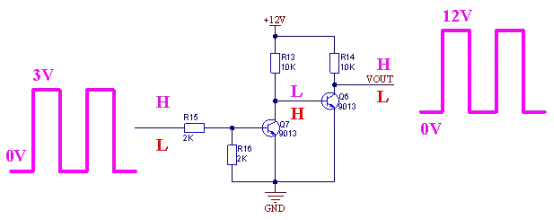
Classic BJT Switching Circuits: Inverting, Non-Inverting, and Filtering Behavior (Illustrated)
Technical guide to BJT switching circuits for inverting and non-inverting level translation, complementary stages, design sizing, and inherent glitch filtering.
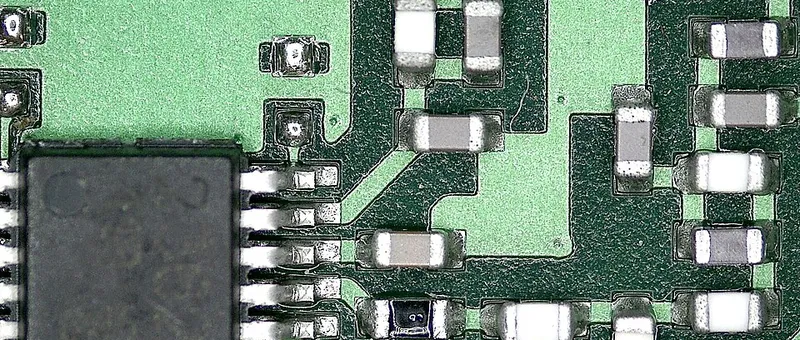
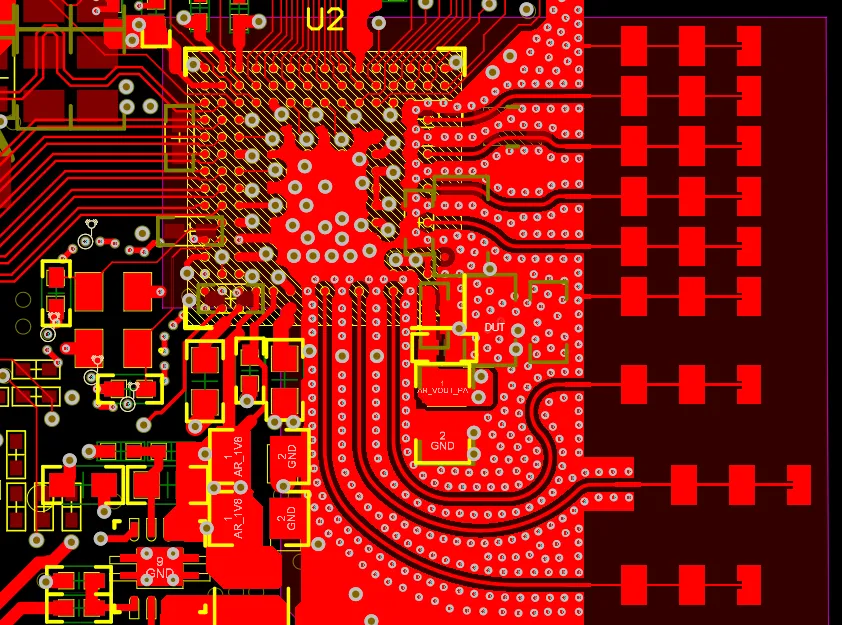
Handing a PCB to the Fabricator Is More Than a Gerber File
Checklist for PCB handover: preparing manufacturing data, drill files, stackup, scope, surface finish, and version control to ensure files match fabrication requirements.
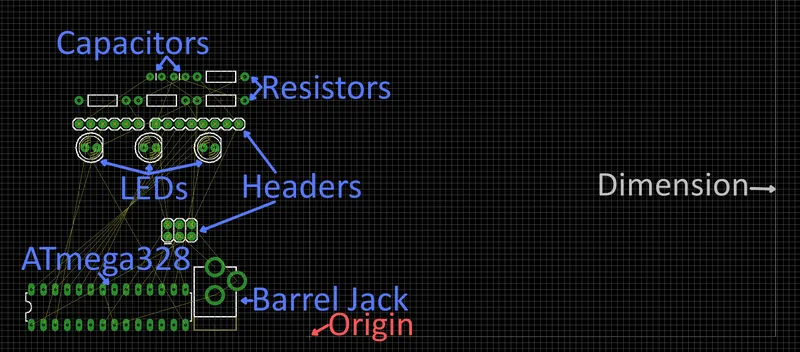
Stuck on PCB Placement? First Arrange These Four Types of Positions
PCB placement guide for low-voltage boards: lock fixed mechanical positions, arrange functional blocks and local component partners, and reserve space for routing and debugging.
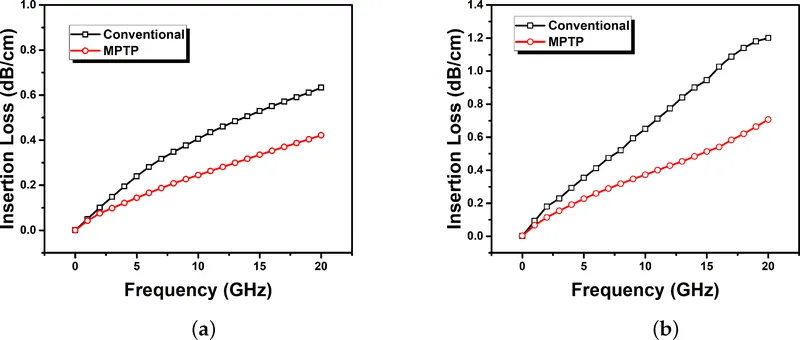
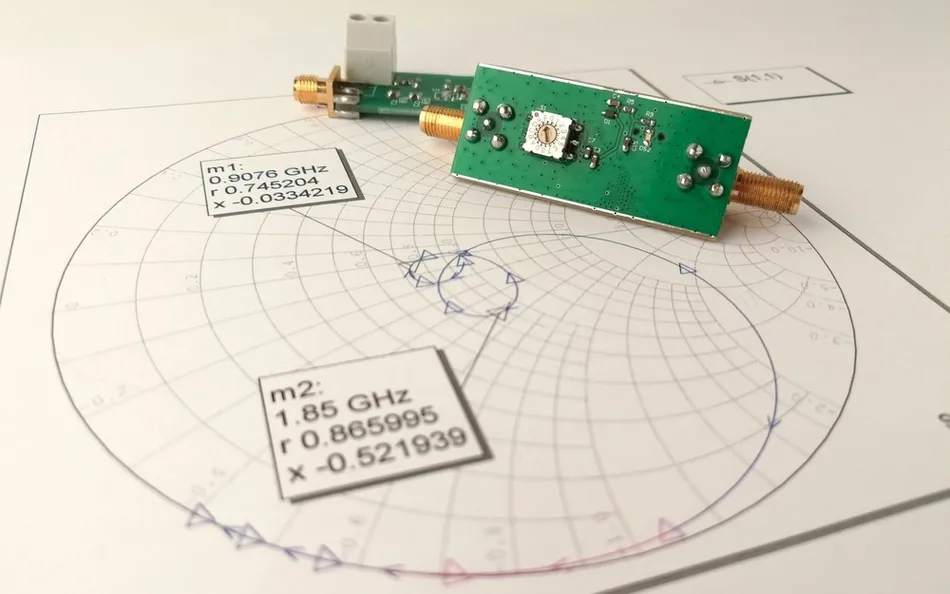
Understanding PCB Loss Curves: Separate the Two Variables First
Guide to reading PCB insertion loss reports: distinguish impact of surface roughness from trace shape and dielectric stackup using cross-section scans, simulation, measurements.
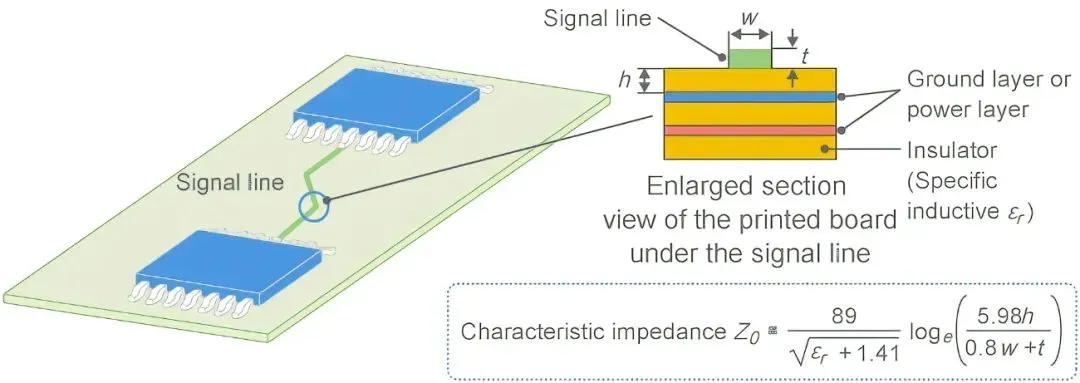
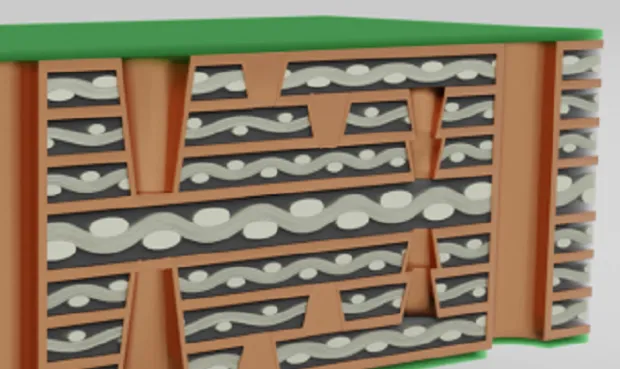
Revealing the "Pseudo Eight-Layer" Stackup: Can a Six-Layer PCB Deliver Eight-Layer Performance?
Pseudo eight-layer PCB stackup that thins prepreg/cores to increase routing density: reduces trace widths, lowers crosstalk, and preserves impedance for high-speed designs.
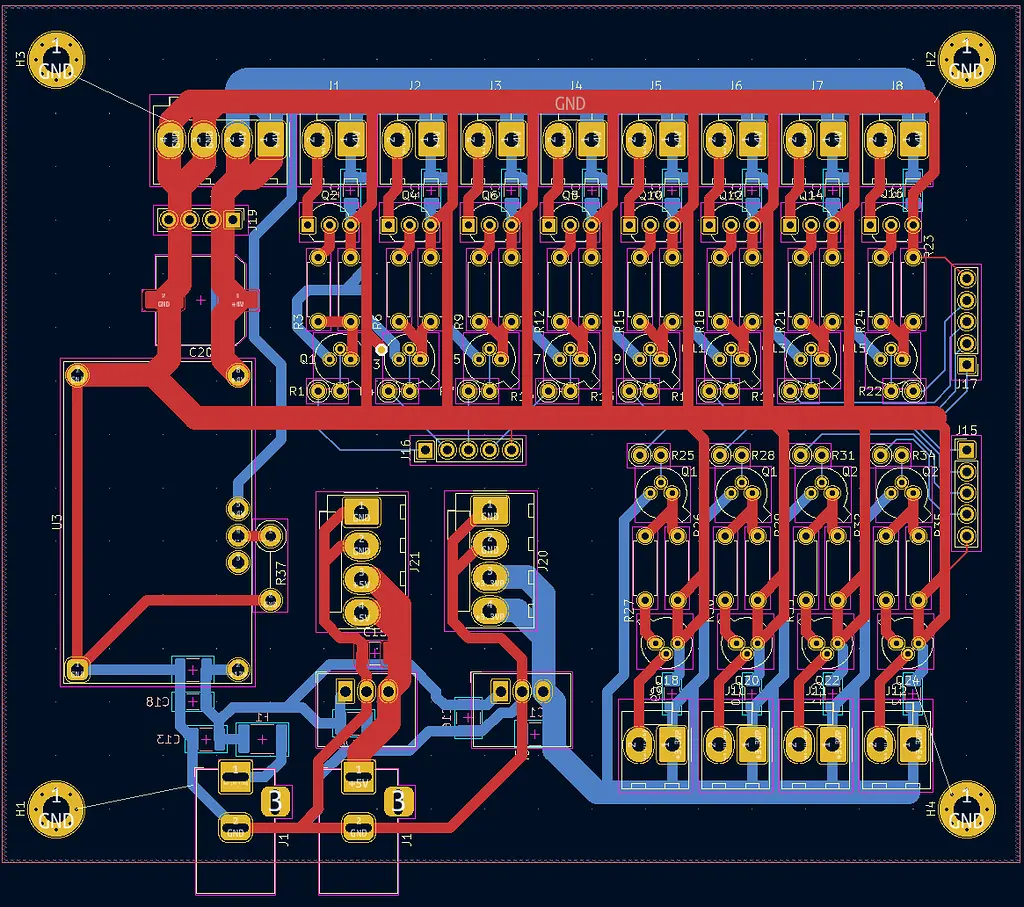
Five Most Common PCB Design Pitfalls—and How to Prevent Them
Five common PCB design pitfalls and prevention steps, covering stackup and impedance control, return paths, power integrity, crosstalk, and DFM.

Why Power Planes Are Set Back in Multilayer PCB Design: The 20H Rule Explained
Why power planes are set back from ground in multilayer PCBs: how the 20H rule reduces edge radiation and EMI, when it applies, and PDN/routing trade-offs.
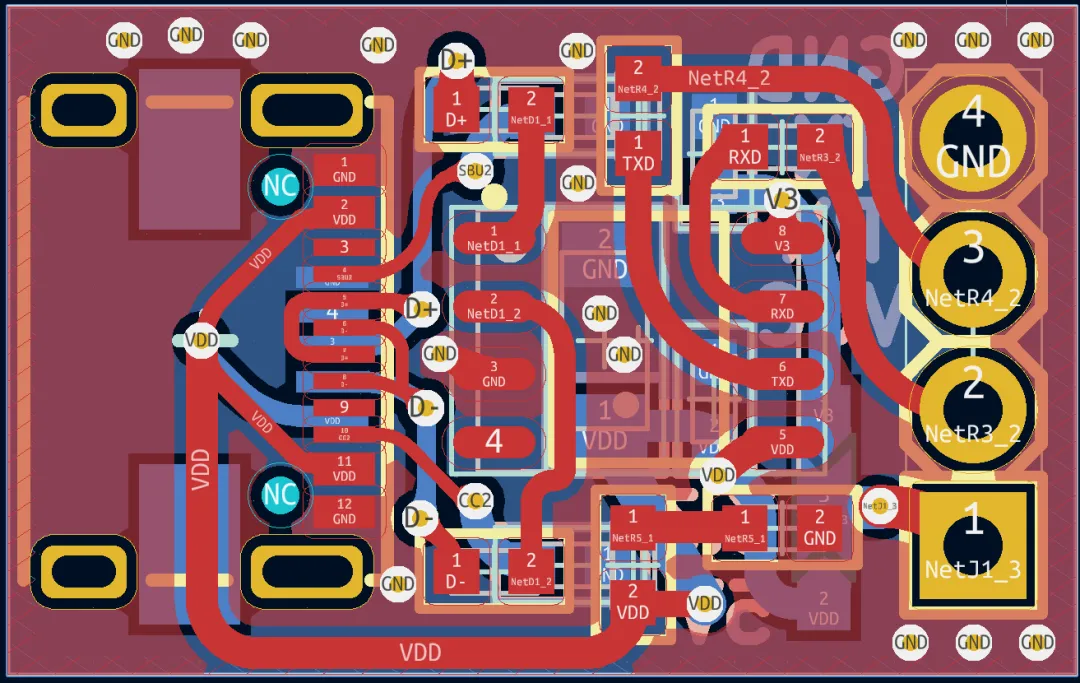
Why Do PCBs Warp and What Are the Consequences?
Technical guide on PCB warpage: causes, IPC measurement, assembly risks, and design/process controls—symmetry, lamination, prebake, cooling to reduce deformation.


