Introduction
In the rapidly evolving landscape of modern electronics, power density is increasing while form factors continue to shrink. This inverse relationship creates a significant challenge for design engineers: heat generation. As components become faster and more powerful, traditional circuit board materials often fail to dissipate thermal energy efficiently, leading to performance degradation or catastrophic component failure.
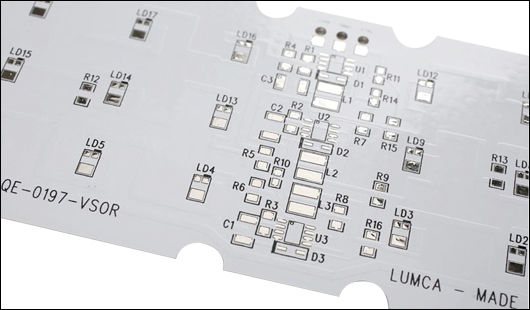
This challenge has elevated the importance of Aluminum Printed Circuit Boards, also known as Metal Core PCBs (MCPCBs) or Insulated Metal Substrates (IMS). Unlike standard fiberglass options, these boards utilize a metal base to act as a thermal bridge, effectively moving heat away from critical components. This guide provides a systematic framework for understanding Aluminum PCBs, covering everything from the fundamental physics of thermal management to the practical nuances of manufacturing and assembly. By understanding how materials, cost, and processing interact, engineers can deploy reliable solutions for high-power applications such as LED lighting, automotive power systems, and industrial converters.
Core Concepts and Architecture
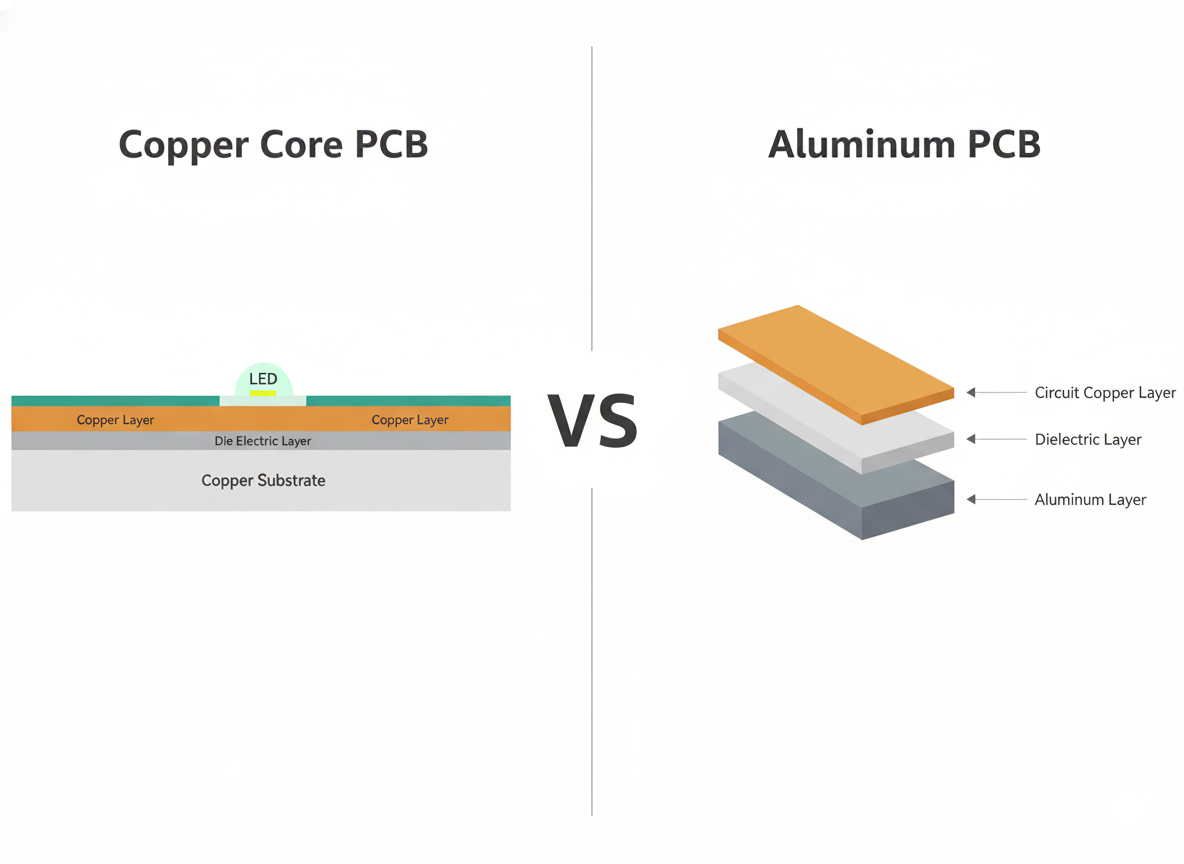
To navigate the complexities of Metal Core PCBs, it is essential to understand their structural composition. A standard Aluminum PCB differs fundamentally from a traditional board in its stack-up. It typically consists of three critical layers:
- The Circuit Layer: A standard copper foil ranging in thickness, tailored to the current carrying requirements of the device.
- The Dielectric Layer: This is the most critical component. It is a thermally conductive but electrically insulating layer that bonds the copper to the metal base. The efficiency of heat transfer relies heavily on the thermal impedance of this material.
- The Base Layer: A metal substrate, usually aluminum (though copper is used in extreme cases), which provides mechanical support and acts as a heat spreader.
Understanding this architecture helps clarify why these boards differ so drastically from standard options in terms of design rules, manufacturing processes, and cost structures.
Material Selection: The Foundation of Thermal Performance
Before diving into thermal specifics, we must understand how these boards compare to standard industry defaults to justify their selection. The choice of substrate material is the primary decision point in the design process, dictating both the mechanical and thermal capabilities of the final product.
While FR4 remains the standard for logic and low-power circuits, it functions thermally as an insulator. In contrast, an aluminum vs FR4 comparison highlights the dramatic difference in thermal conductivity. Aluminum boards offer dimensional stability and a significantly lower coefficient of thermal expansion (CTE), making them superior for environments subject to vibration or high temperatures. However, this switch requires a trade-off in fabrication complexity. Engineers must weigh the benefits of rapid heat dissipation against the versatility of multi-layer FR4 designs, often reserving aluminum substrates for the specific sections of a system where power management is the limiting factor.
The Physics of Heat Dissipation
Once the material advantages are clear, the focus shifts to the primary mechanism driving their adoption: the efficient management of thermal energy. The ability of an MCPCB to protect components relies not just on the metal backing but on the complex interaction between layers.
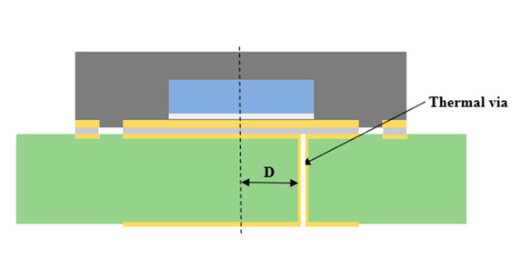
The core objective is minimizing thermal resistance from the component junction to the ambient environment. Successful aluminum pcb thermal management depends heavily on the dielectric layer's thermal conductivity, typically measured in Watts per meter-Kelvin (W/mK). A higher W/mK value allows heat to flow more freely from the copper circuitry into the aluminum base. If the dielectric layer is too thick or has poor conductivity, it acts as a bottleneck, negating the benefits of the metal core. Engineers must calculate the required thermal path based on the power dissipation of the components to ensure the junction temperature remains within safe operating limits.
Advanced Applications and Material Compositions
While standard aluminum serves many purposes, specific high-power applications require specialized material compositions to meet rigorous performance standards. As industries push for brighter lighting and denser power electronics, the definition of a standard metal core board continues to evolve.
The LED industry is a primary driver here, particularly when selecting materials for high power led pcbs. In these applications, a standard aluminum alloy might not suffice if the dielectric cannot handle the heat flux of high-lumen density arrays. In extreme cases, designers may opt for copper-based MCPCBs or hybrid materials that offer even lower thermal resistance. Understanding the spectrum of available materials allows engineers to tailor the substrate to the specific luminous efficacy and lifespan requirements of the lighting fixture or power module, ensuring that the physical board does not become the weak link in the system.
Manufacturing and Assembly Challenges
Selecting the right material is only half the battle; ensuring a reliable connection during assembly presents unique manufacturing challenges. The very trait that makes Aluminum PCBs desirable—their ability to dissipate heat—makes them difficult to assemble using standard processes.
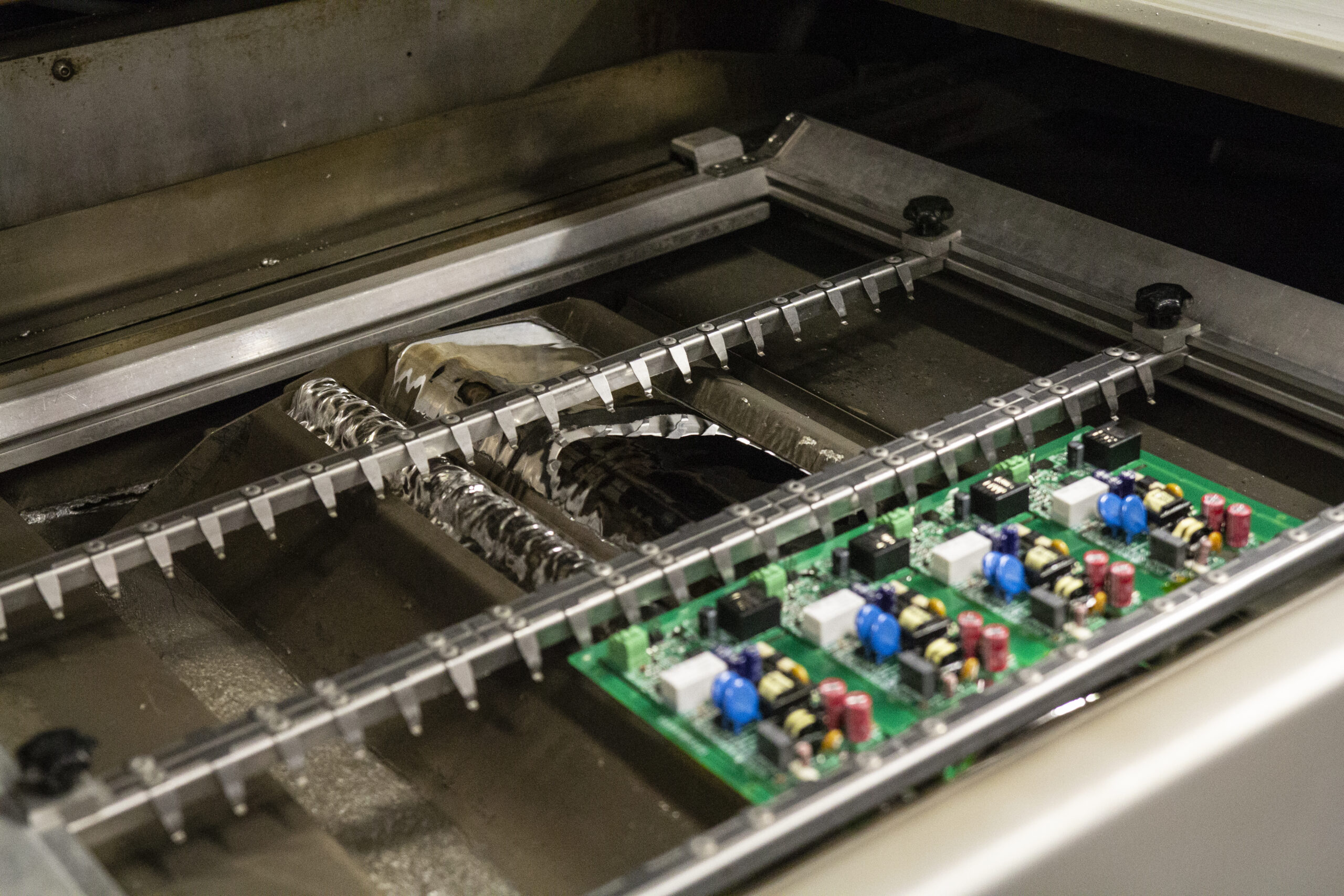
During the soldering process, the metal core rapidly draws heat away from the soldering iron or reflow oven. This can prevent the solder from reaching its liquidus temperature, resulting in cold solder joints or incomplete wetting. Manufacturers must employ specific soldering techniques for aluminum pcbs to counteract this effect. This often involves specialized pre-heating stages, higher energy reflow profiles, or distinct manual soldering tactics. Failing to adjust the assembly process to account for the thermal mass of the board can lead to connections that pass visual inspection but fail under mechanical stress or thermal cycling.
The Costs of Metal Core Boards
Technical feasibility must always be balanced against economic reality to ensure a viable product. While performance is paramount, understanding the cost drivers associated with IMS technology is vital for project budgeting and mass production planning.
The price of an MCPCB is not solely determined by the raw cost of aluminum. Rather, the cost breakdown of metal core pcbs is heavily influenced by the grade of the thermally conductive dielectric and the complexity of the manufacturing process. For example, moving from a standard 1W/mK dielectric to a high-performance 3W/mK material can significantly increase the unit price. Additionally, because aluminum boards are typically single-layer, creating complex routing often requires jumpers or separate controller boards, adding to the total system cost. Engineers must analyze whether the cost of a metal core board is justified by the elimination of external heat sinks and fans, often finding that the integrated solution offers better value at the system level.
Balancing Thermal Performance and Manufacturability
The relationship between thermal efficiency and manufacturing capability is one of compromise and optimization. A board designed with an extremely thin dielectric layer offers the best thermal performance but increases the risk of dielectric breakdown during high-voltage testing (Hi-Pot test). Similarly, using a thick copper layer helps spread heat laterally but complicates the etching process and increases the required spacing between traces.
Designers must view the subtopics of material selection, soldering, and cost not as isolated decisions but as interconnected variables. A decision to use a high-end material to solve a thermal problem will ripple through to the assembly line, requiring adjusted profiles, and ultimately impact the final bill of materials. Success comes from finding the "sweet spot" where thermal targets are met without rendering the board unmanufacturable or commercially unviable.
Strategic Considerations for High Reliability Electronics
From an industry perspective, the shift toward Aluminum PCBs is driven by the demand for reliability in harsh environments. In sectors like automotive and aerospace, failure is not an option. Here, the metal core provides more than just heat dissipation; it offers mechanical rigidity and electromagnetic shielding.
When implementing these boards, engineering teams must consider the long-term reliability of the stack-up. Issues such as the delamination of the copper foil from the dielectric under thermal cycling are real risks if the materials are not matched correctly. The coefficient of thermal expansion (CTE) of the aluminum base is different from that of the copper and the ceramic components mounted on top. Over thousands of heating and cooling cycles, this mismatch can fatigue solder joints. Therefore, the strategic selection of materials involves looking beyond the initial datasheets and considering the lifecycle stresses the product will endure.
Conclusion
Aluminum PCBs represent a critical intersection of thermal dynamics, material science, and manufacturing precision. By serving as an integrated heat sink, they solve one of the most pressing problems in modern electronics: thermal management. However, successfully implementing these boards requires a holistic understanding of the technology.
Engineers must move beyond simple material selection to consider how thermal conductivity impacts assembly processes, how dielectric choices affect cost, and how the entire system withstands environmental stress. Whether for high-power LED arrays, automotive converters, or industrial power supplies, the principles outlined in this guide provide the foundational knowledge necessary to design robust, efficient, and reliable electronic systems. As power demands continue to rise, the role of Metal Core PCBs will only become more central to the future of electronic innovation.