Introduction
Edge computing represents a transformative approach in data processing, bringing computation closer to the source of data generation. This paradigm is vital for time-critical applications where latency reduction is essential, such as in autonomous systems and industrial automation. However, the shift to edge environments introduces significant thermal management challenges, especially in compact devices like base stations, routers, and switches. High computational demands, often amplified by machine learning algorithms, generate substantial heat in confined spaces. Effective thermal solutions, including the use of thermal transfer plates, are crucial to ensure reliability and performance. This article explores the intersection of edge computing and thermal management, focusing on technical principles and practical strategies for electrical engineers working on time-sensitive systems. The goal is to provide clear insights into maintaining optimal operation under demanding conditions.
What Is Edge Computing and Why It Matters
Edge computing involves processing data near its origin rather than relying on centralized cloud servers. This approach minimizes latency, reduces bandwidth usage, and enhances data security by limiting transmission over long distances. For electrical engineers, edge computing is critical in applications requiring real-time responses, such as smart grids, telecommunications, and autonomous vehicles. Time-critical applications depend on immediate data analysis, making edge systems indispensable.
The relevance of edge computing extends to base stations, routers, and switches, which form the backbone of modern communication networks. These devices often operate in harsh environments with limited space for cooling infrastructure. As machine learning models are increasingly deployed at the edge for predictive analytics and decision-making, the heat generated by intensive computations poses a risk to hardware longevity and system stability. Addressing thermal challenges is not just a design consideration but a necessity to sustain performance and prevent failures in critical operations.
Technical Principles of Thermal Management in Edge Computing
Thermal management in edge computing focuses on dissipating heat generated by high-performance components in confined setups. The fundamental principle is to transfer heat away from critical areas to maintain operational temperatures within safe limits, as specified by standards like IPC-6012E for printed circuit boards. Heat generation in edge devices primarily arises from processors, power supplies, and communication modules, especially when running machine learning workloads for real-time data processing.
One key mechanism is conduction, where heat moves through materials from hotter to cooler regions. Thermal transfer plates, often made of high-conductivity materials, play a vital role in this process by providing a direct path for heat to escape from components to heat sinks or external environments. Convection, both natural and forced, further aids in heat removal by circulating air or other fluids around the device. In base stations and routers, where space is limited, engineers must balance airflow with enclosure design to prevent overheating.
Radiation, though less dominant, contributes to heat dissipation in exposed components. However, in edge environments, the challenge is compounded by external factors like ambient temperature and humidity, which can affect cooling efficiency. For time-critical applications, maintaining consistent thermal performance ensures that latency-sensitive tasks are not disrupted by thermal throttling or system shutdowns. Understanding these principles allows engineers to design systems that withstand the rigorous demands of edge computing setups.
Challenges in Thermal Management for Edge Computing
Edge computing devices, especially those in telecommunications such as base stations, routers, and switches, face unique thermal challenges. These systems are often deployed in outdoor or industrial settings with fluctuating environmental conditions. High ambient temperatures can exacerbate heat buildup, while dust and debris may obstruct cooling mechanisms. Additionally, the compact nature of these devices limits the space available for traditional cooling solutions like large heat sinks or fans.
Machine learning applications at the edge further intensify thermal issues. Training and inference tasks require significant computational power, leading to increased heat output from processors. In time-critical applications, any thermal-induced performance degradation can result in unacceptable delays or failures. Engineers must also consider power efficiency, as excessive cooling mechanisms can drain energy resources, countering the benefits of edge processing.
Another concern is the reliability of components under thermal stress. Prolonged exposure to high temperatures can degrade solder joints and other connections on printed circuit boards, as outlined in standards like IPC-A-600K for acceptability criteria. Addressing these challenges requires innovative approaches to thermal management that prioritize both performance and durability in edge computing environments.

Practical Solutions for Thermal Management in Edge Computing
Effective thermal management in edge computing demands a combination of design strategies and material choices tailored to specific applications. Below are actionable solutions for electrical engineers working on time-critical systems involving base stations, routers, and switches.
Material Selection and Thermal Transfer Plates
Choosing materials with high thermal conductivity is a primary step. Thermal transfer plates, often integrated into device enclosures, facilitate efficient heat conduction away from critical components. These plates act as intermediaries, spreading heat evenly to prevent hotspots. Engineers should ensure that the materials comply with industry standards like IPC-6012E for performance specifications, guaranteeing reliability in demanding conditions.
Optimized PCB Layouts
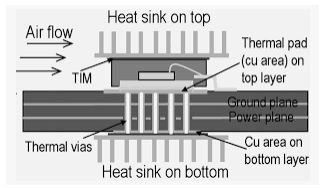
Printed circuit board design plays a significant role in thermal management. Placing high-heat-generating components strategically, away from sensitive areas, helps distribute thermal load. Incorporating thermal vias, as recommended by guidelines in IPC-A-600K, enhances heat dissipation through the board layers. This approach is particularly effective in compact edge devices where space constraints limit external cooling options.
Active and Passive Cooling Techniques
For edge computing hardware, a mix of active and passive cooling methods can be employed. Passive solutions, such as heat sinks and thermal pads, are ideal for low-power systems due to their simplicity and lack of moving parts. Active cooling, including small fans or liquid cooling loops, may be necessary for high-performance setups running machine learning algorithms. Engineers must balance cooling efficiency with power consumption to maintain system sustainability.
Environmental Adaptation
Devices like base stations often operate in varying climates. Designing enclosures with proper ventilation and insulation helps mitigate external temperature impacts. Sealed designs with internal heat dissipation pathways can protect against dust while managing heat buildup. Regular maintenance to clear obstructions ensures consistent cooling performance over time.
Software Optimization for Thermal Control
In edge computing, software can aid thermal management by optimizing workload distribution. Machine learning models can be programmed to run intensive tasks during cooler periods or to throttle performance when temperatures approach critical thresholds. Such strategies prevent overheating without compromising the responsiveness required for time-critical applications.
Suggested Reading: From Concept to Field: Overcoming Challenges in PCB Design for Edge Computing Device
Insights into Time-Critical Applications and Thermal Demands
Time-critical applications, such as real-time monitoring in smart grids or latency-sensitive communications in base stations, impose stringent demands on edge computing systems. Any delay caused by thermal throttling can disrupt operations, leading to data loss or safety risks. For instance, in telecommunications, routers and switches must process vast amounts of data with minimal latency, often under high computational loads driven by machine learning for traffic optimization.
Thermal management in these scenarios requires proactive monitoring. Embedding temperature sensors near critical components, as part of the design process outlined in IPC-A-600K, allows real-time tracking of thermal conditions. Feedback from these sensors can trigger cooling mechanisms or workload adjustments before issues arise. This approach ensures uninterrupted performance, which is paramount for applications where timing is everything.
Additionally, engineers must consider the lifecycle impact of thermal stress. Continuous operation at elevated temperatures accelerates wear on electronic components, reducing system reliability. Adhering to standards like JEDEC J-STD-020E for moisture and reflow sensitivity during PCBA assembly helps ensure that boards can withstand thermal cycling without failure. These insights underscore the need for robust thermal strategies tailored to the unique demands of edge computing in critical contexts.
Conclusion
Edge computing is reshaping how data is processed, offering unparalleled advantages for time-critical applications by reducing latency and enhancing efficiency. However, the thermal challenges it introduces, particularly in compact systems like base stations, routers, and switches, cannot be overlooked. High computational demands, driven by machine learning workloads, necessitate innovative thermal management solutions to maintain performance and reliability. From leveraging thermal transfer plates to optimizing PCB layouts and integrating software controls, electrical engineers have a range of tools to address these issues. By adhering to established industry standards and focusing on practical design strategies, it is possible to ensure that edge computing systems operate effectively under diverse and demanding conditions. The intersection of thermal management and edge technology remains a critical area for ongoing innovation and attention.
FAQs
Q1: How does edge computing impact thermal management in time-critical applications?
A1: Edge computing reduces latency in time-critical applications by processing data locally, but it increases heat generation due to intensive computations in compact devices. This heat can disrupt performance if not managed properly. Effective thermal strategies, such as using conductive materials and active cooling, are essential to prevent throttling and ensure reliability, especially in systems where timing is crucial for operational success.
Q2: What role do thermal transfer plates play in edge computing devices?
A2: Thermal transfer plates are vital in edge computing hardware as they conduct heat away from critical components to prevent overheating. Made from high-conductivity materials, these plates distribute heat evenly, reducing hotspots. For electrical engineers, integrating such plates into designs ensures that devices like routers maintain performance under high computational loads, adhering to strict thermal requirements.
Q3: How can machine learning workloads affect thermal management at the edge?
A3: Machine learning tasks, often used for real-time analytics at the edge, demand significant processing power, leading to substantial heat output. This can strain thermal management systems in confined setups like base stations. Engineers must implement efficient cooling and workload optimization to mitigate risks, ensuring that thermal conditions do not compromise the speed or accuracy of machine learning operations.
Q4: Why is thermal management critical for base stations, routers, and switches?
A4: Base stations, routers, and switches in edge computing handle vast data volumes with minimal latency, often in challenging environments. Heat from continuous operation can degrade performance and hardware longevity. Proper thermal management ensures consistent operation, preventing failures that could disrupt communication networks. This is especially important for maintaining reliability in systems supporting critical infrastructure.
References
IPC-6012E — Qualification and Performance Specification for Rigid Printed Boards. IPC, 2020.
IPC-A-600K — Acceptability of Printed Boards. IPC, 2020.
JEDEC J-STD-020E — Moisture/Reflow Sensitivity Classification. JEDEC, 2014.